
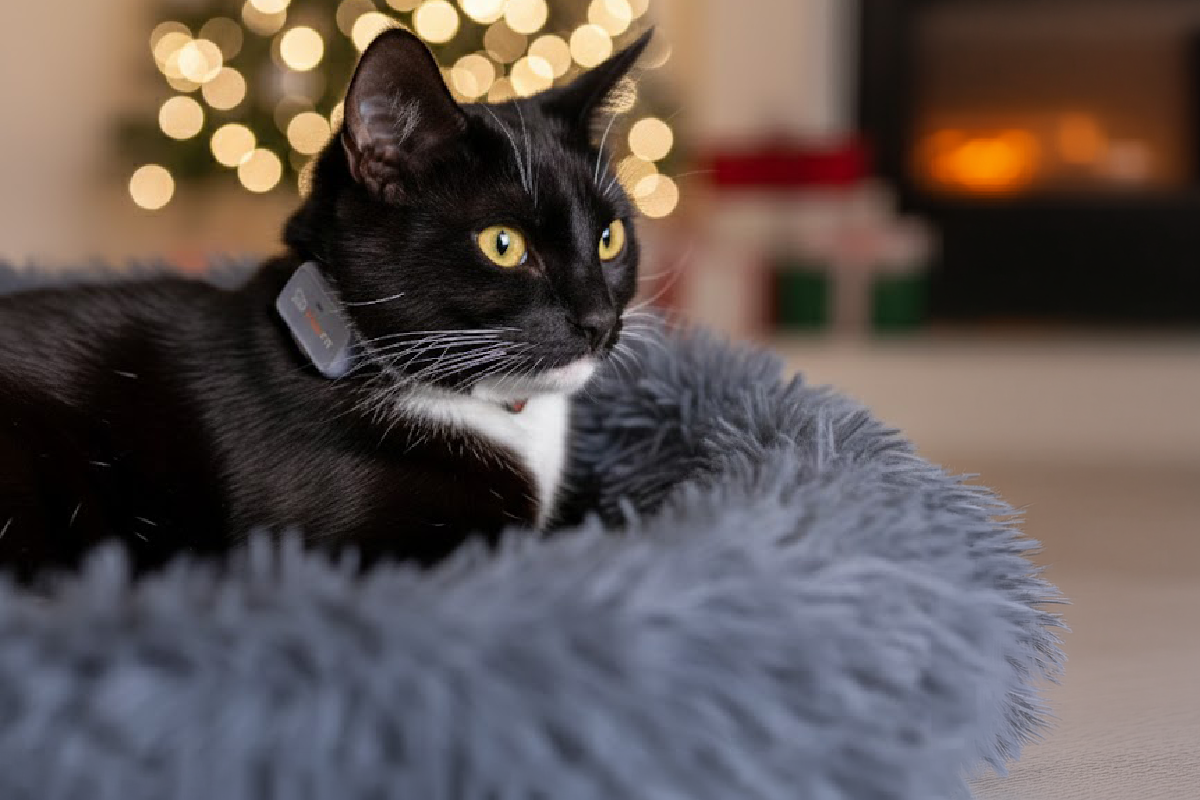

Sponsored content: This article is part of our paid collaboration with GPS tracker for cats by Pawfit .
A little note from us: We’re a little behind with the stories and projects we had planned for Cats Magazine. Our much-loved Myratz is 16 now, and these past weeks have reminded us how precious life with an older cat is. He hasn’t been well, and for the past month, our attention has been on his health, comfort and helping him feel better. We’re keeping the details private, but wanted to let you know why things have been quieter here. Thank you for your patience while we give him the time and care he needs.
One minute, there is time for an evening cup of tea and a little fresh air. The next, you look outside and discover that night has arrived without consulting anyone.
Autumn does that. Our calendars stay busy, but daylight quietly packs up earlier.
For cats, the change involves more than losing a sunny sleeping spot. We close doors sooner, spend evenings differently and sometimes move meals or playtime to fit a new schedule. Where clocks change, even breakfast can suddenly become a matter of negotiation.
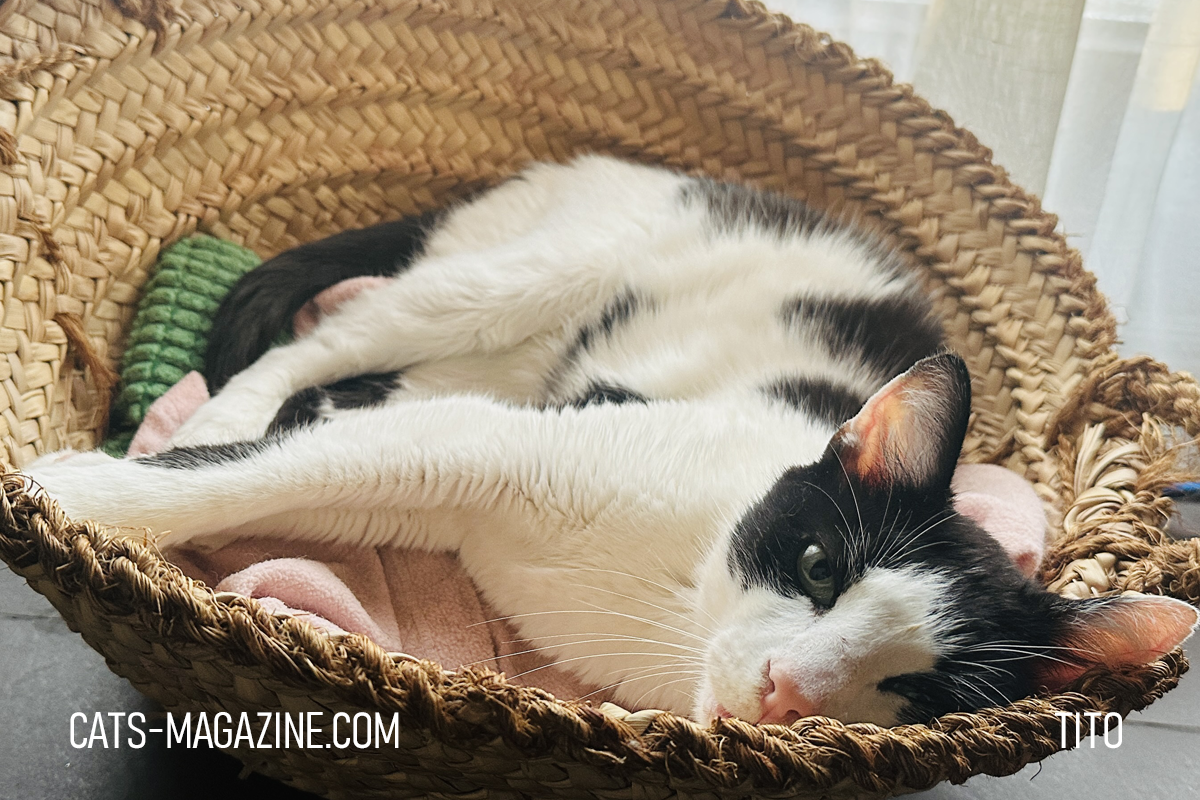
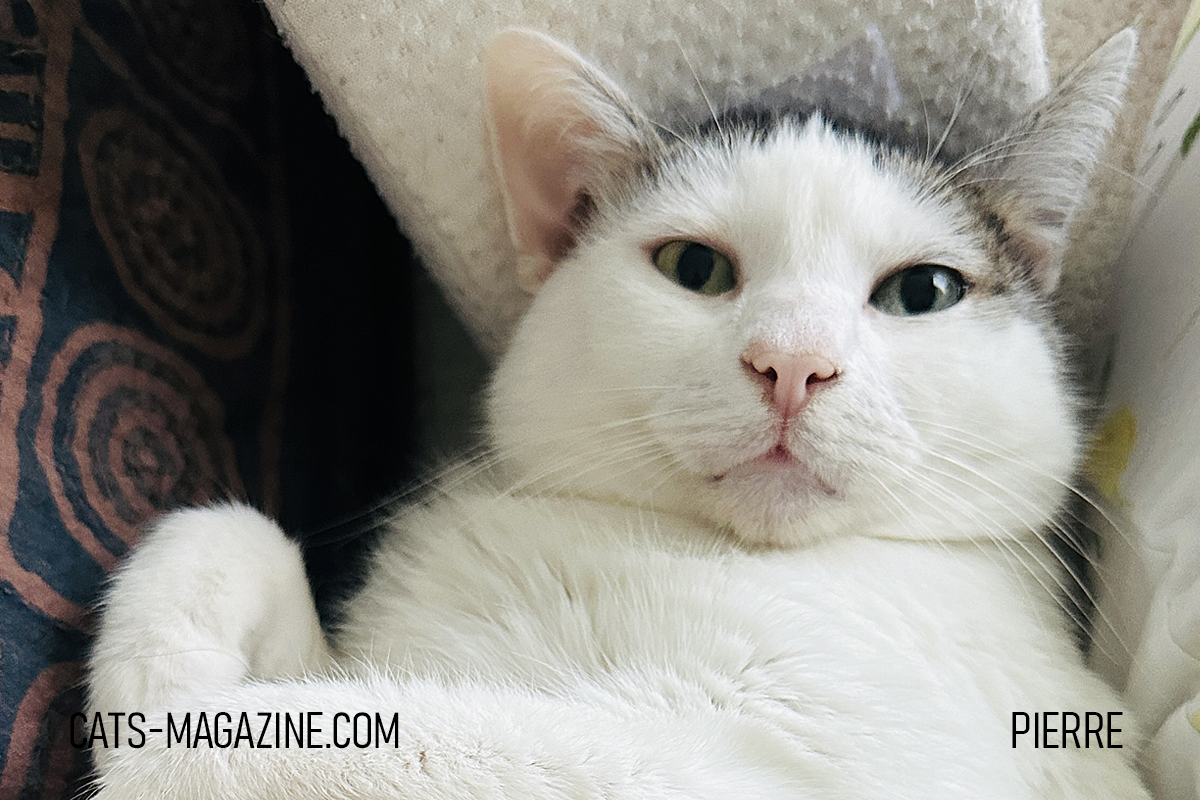
In our home, Tito, Pierre and Myratz have access to a secured terrace rather than the freedom to roam – although Tito occasionally likes to challenge that arrangement. Darker evenings are therefore less about calling wandering cats home and more about making their indoor evening worth showing up for. As for worrying about cats who haven’t come home? I’ve had my fair share of that, thank you very much.
We have already explored how cats may change their routines in autumn. This time, let’s get practical: what can we do when the evening arrives before we are ready?
Table of Contents
Dusk is not necessarily bedtime
A dark window may suggest slippers and the sofa to us. Your cat may have other plans.
Cats are generally most active around dawn and dusk – a pattern called crepuscular activity. Individual routines vary, but an evening burst of energy is not automatically a sign that something is wrong. It may simply be a good time to offer an activity your cat enjoys.
Rather than waiting until you are ready for bed, try offering a little attention earlier in the evening. Watch for your cat’s invitation: interest in a toy, a curious approach or that unmistakable expression suggesting the household entertainment department is underperforming.
Keep the familiar parts familiar
Cats often cope better with change when their daily life remains predictable. If autumn changes your working hours or time away from home, make adjustments gradually where possible and preserve regular opportunities for interaction.
Choose a few dependable moments: breakfast, an evening check-in, play and the usual meal. They need not happen with military precision. The aim is a recognisable pattern.
Where clocks move back, dinner served at the same number on the clock arrives an hour later in elapsed time. If that is a big adjustment for your cat, ease ordinary meal times towards the new schedule in small steps over several days.
Keep food quantities consistent with your cat’s needs; an earlier sunset is not an automatic invitation to add a second dinner. For medication or a prescribed feeding schedule, ask your vet how to handle the time change.
Make staying in feel rewarding
A good indoor evening does not require a shopping spree. Start with a toy your cat already likes and a comfortable place to use it.
For older cats or those with mobility difficulties, International Cat Care recommends short, gentle play, secure footing and activities at ground level. Let your cat choose whether to join in, and ask your vet about suitable exercise if movement seems uncomfortable.
Try a wand toy moving slowly along a rug, with pauses that allow stalking and a satisfying catch. Put string toys away afterwards. Another evening might call for a cardboard box to investigate or a simple food puzzle using part of the usual food allowance.
For our senior trio, the useful question is not how to recreate a kitten’s exercise programme. It is how to offer each cat something enjoyable and manageable.
Rest deserves just as much consideration. Offer a choice of sleeping spots rather than expecting all cats to share one desirable bed. A familiar blanket on a favourite chair may be more appealing than the beautiful new bed you selected. Cats remain excellent critics of interior design.
Review outdoor access before nightfall
If your cat roams outdoors, reconsider the evening schedule as daylight shortens. Cats Protection recommends keeping cats indoors at night because of risks including road accidents. A predictable evening meal can be a useful part of a coming-home routine.
Prepare the indoor essentials first: accessible water, litter facilities and somewhere comfortable to settle. During fireworks, bring cats inside before the noise begins, secure exits and provide a quiet hiding place. Let them hide if they choose.
For cats using an enclosed terrace like ours, check netting, fixings and access points regularly. An enclosure still needs maintenance, and staying outside should remain a choice suited to the weather and the individual cat.

Where does Pawfit fit into the picture?
Our collaboration with Pawfit raises a useful question: what information would actually help us understand a cat’s evening?
For Tito, the answer is rather personal. Despite our efforts to keep the terrace secure, he always seems to find a way to sneak over to the neighbour’s. Apparently, our hospitality is excellent, but still requires regular comparison with the competition.
So, alongside understanding his daily routine, I’m hoping a GPS tracker for cats by Pawfit will help me keep track of our little escape artist – and spare my nerves a little. Tito gets his neighborhood gossip; I would quite like some peace of mind.
Comfort and suitability will matter too, of course. Once we have the confirmed product details and have tried it ourselves, I’ll share how it fits into life with Tito, including whether it makes his unofficial social visits any less stressful for the human involved.
Whatever technology we use, it belongs alongside direct observation. If your cat suddenly behaves differently, appears unwell or loses interest in food, seek veterinary advice rather than assuming the season explains it.
An evening routine you can actually keep
Start with a check-in before you settle down: is everyone home, comfortable and behaving as expected? Offer a brief activity if your cat is interested, serve their usual meal at the appropriate time, and leave them with choices for resting.
Some evenings will involve enthusiastic play. Others will involve a cat watching you move a toy while remaining firmly horizontal. Participation levels may vary.
The point is to make room for your cat’s needs within the evening you already have.
What changes first in your home when the evenings get darker: dinner demands, playtime or the competition for the best blanket? Join us on Facebook.
Frequently asked questions
Should I keep my cat indoors after dark?
Cats Protection recommends keeping cats indoors at night for safety. Help your cat adjust with familiar routines, appropriate activities and access to all their essential resources.
Why is my cat asking for food earlier after the clocks change?
When clocks move back, a meal served at the same clock time comes an hour later in elapsed time. Your cat may still expect the previous schedule. Gradual adjustments can make the transition gentler.
Does my senior cat need energetic evening play?
Play should suit the individual. Short, gentle activities on a non-slip surface can be more appropriate than jumping or chasing. Let your cat set the pace and discuss discomfort with your vet.
Can a tracker explain why my cat’s routine has changed?
A tracker’s capabilities depend on the model. Even when it records useful information, it cannot establish the medical cause of a behavior change or replace a veterinary examination.
This article provides general information and does not replace advice from your veterinarian.
Sources
- Cats Protection: Cats at night
- Cats Protection: Can cats get separation anxiety?
- International Cat Care: Home modifications for cats with muscle/joint pain or mobility problems
- International Cat Care: Caring for your new kitten — play and feeding enrichment
- Blue Cross: Why do cats sleep so much?
- Cats Protection: Keeping cats safe outside
- Cats Protection: Cats and cold weather
- Cats Protection: Feeding your cat


