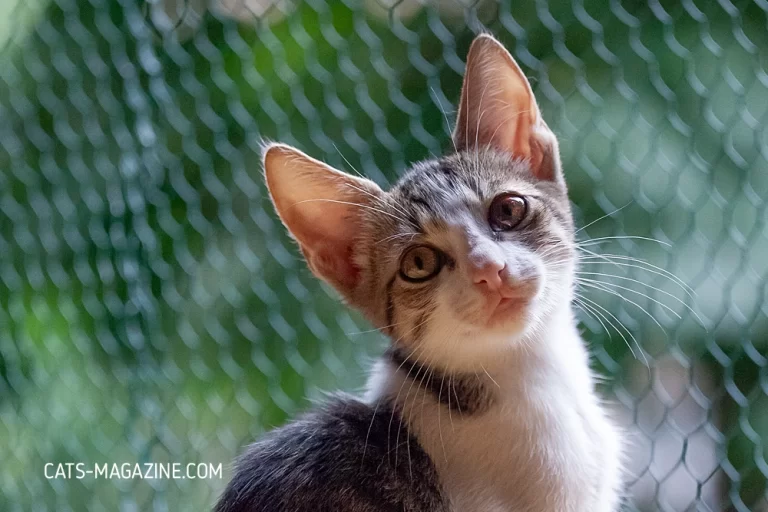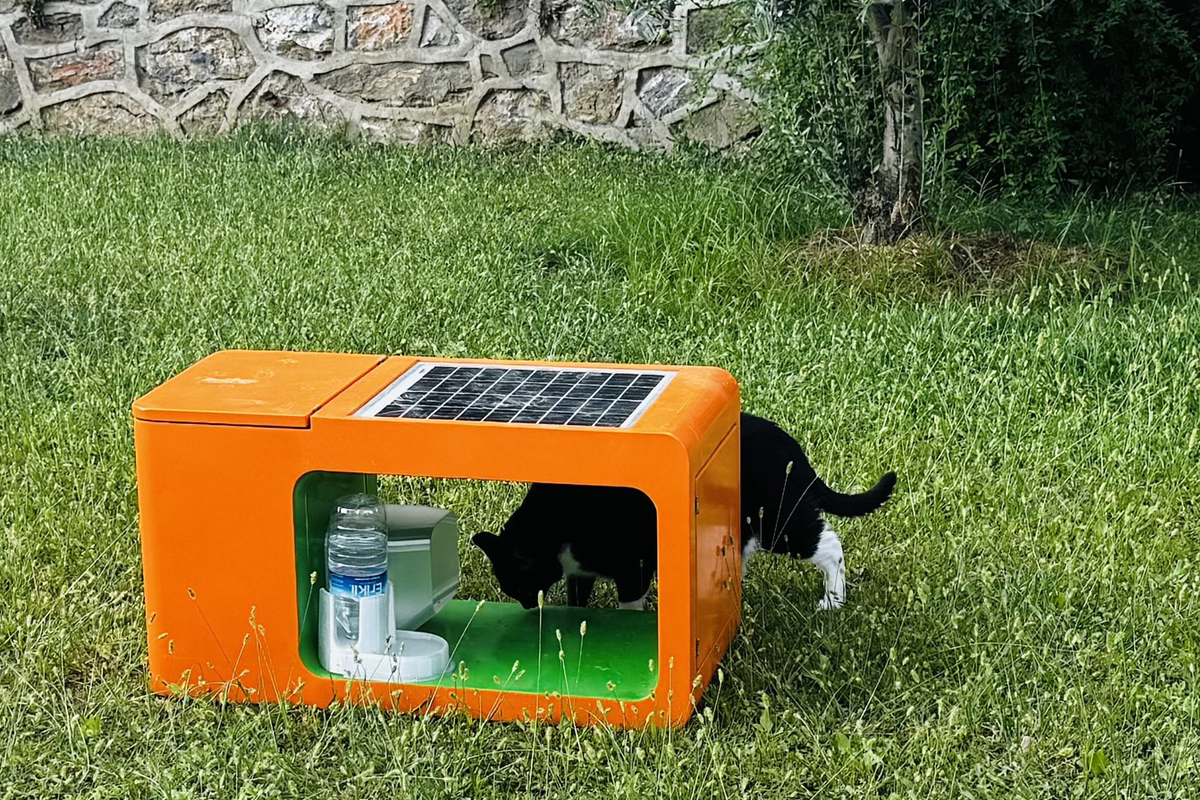

In the Turkish coastal city of Alanya, HelpStreetCat’s solar-powered feeding stations let people dispense a little food from their phones and watch to see who turns up.
Aleksandr Kral, the co-founder and CEO of HelpStreetCat, got in touch with me from Alanya, Türkiye, with an idea that made me stop scrolling through my inbox. What if I could pick up my phone in Bruges, put a little food in a tray on the Turkish coast and watch live to see whether a cat came over to investigate?
When I asked him how it worked, he started with the cats. In Alanya, he told me, they’re part of everyday life. You see them in cafés and shops, outside restaurants and in residential neighborhoods. People know them, feed them and look out for them. If you’ve ever gone back to the same café on holiday partly because you wanted to see the cat again, you’ll understand why the idea caught my attention.
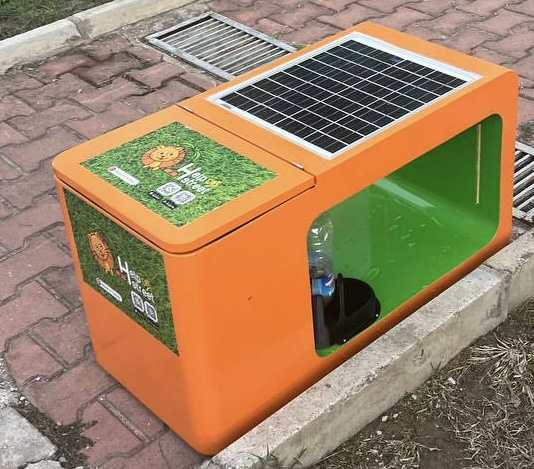
How an orange feeder ended up on a street in Alanya
In the photos Kral sent, there’s food in makeshift containers at the edge of a pavement. These are specific spots he photographed around Alanya, where someone had taken the time to leave something for the cats. It’s an ordinary kindness with a practical difficulty. Once the person leaves, the food might sit in the sun or get soaked in the rain. And some of the places where volunteers feed cats are a long way from the rest of their rounds.
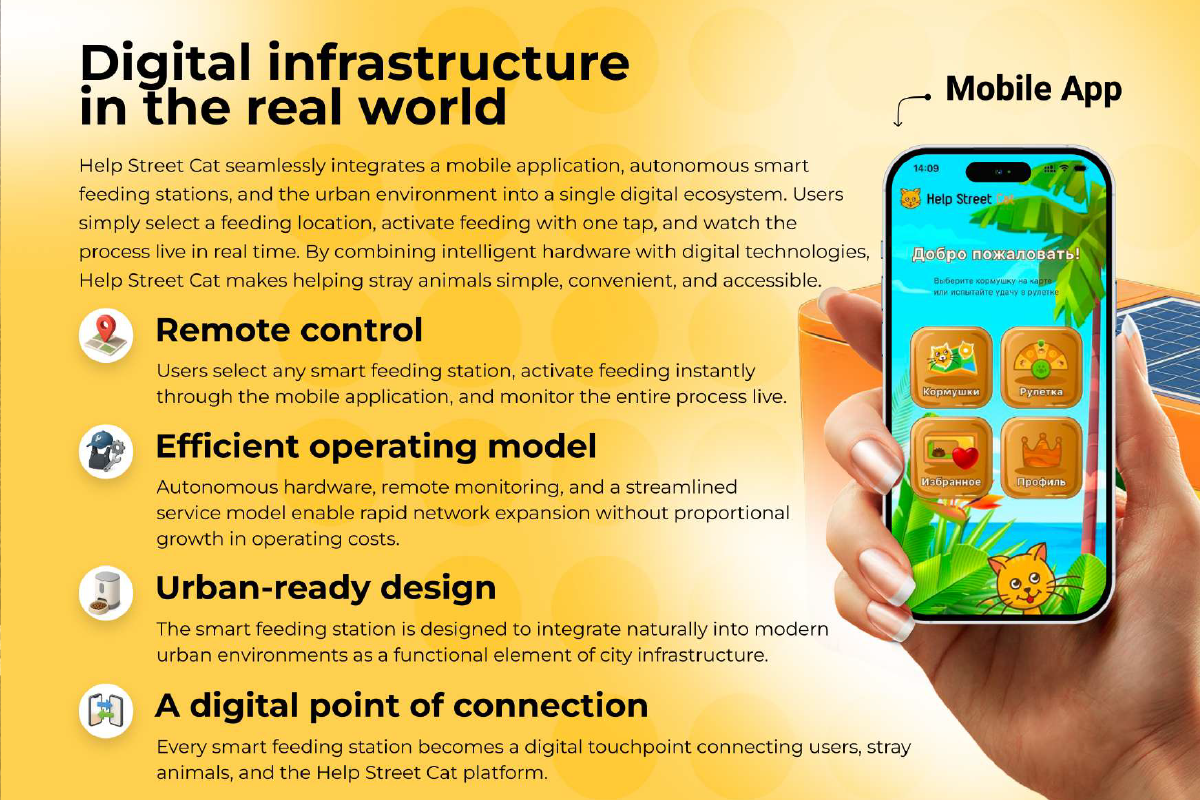
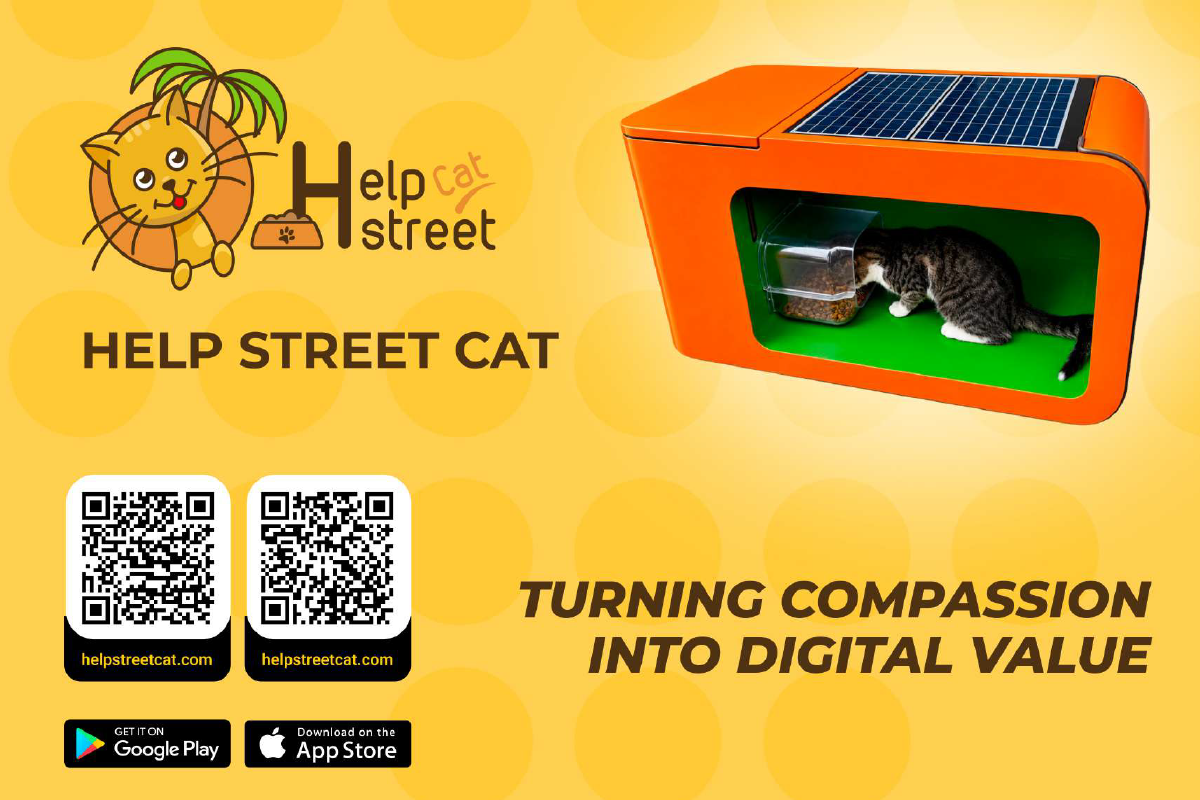
HelpStreetCat’s idea was to keep dry food sealed inside a station and release small portions remotely. Kral says it took about two and a half years and more than ten prototypes to get the hardware and software working together outdoors. A solar panel charges the battery. The app sends a command to the station it’s connected to, the mechanism releases a measured amount of kibble, and the cameras let you see the feeding area live.
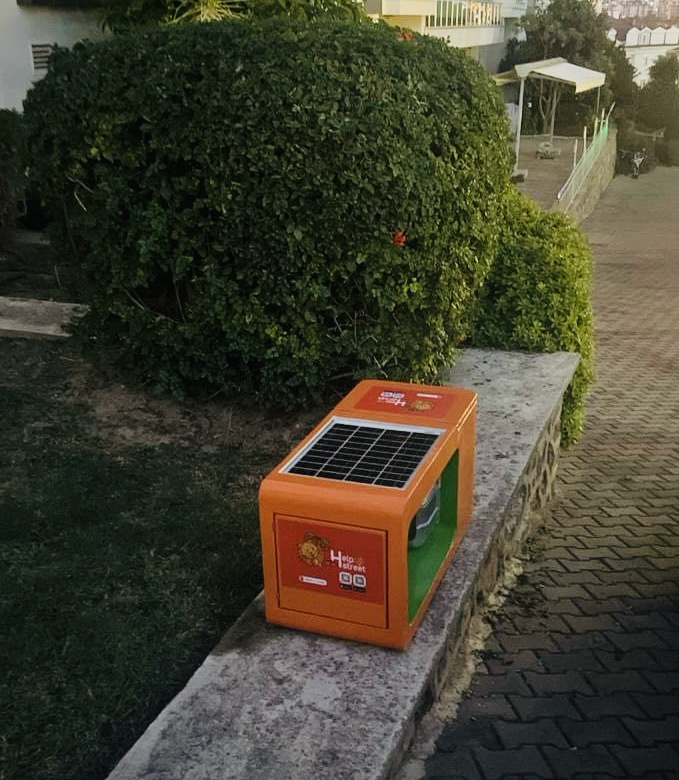
Kral says the team has built 14 stations and is gradually developing the network in Alanya. He estimates that the food supply can last approximately two weeks between refills, depending on how much a station is used. The aim is to make it possible to offer food between visits, especially at places volunteers have trouble reaching every day.
What happens when you tap?
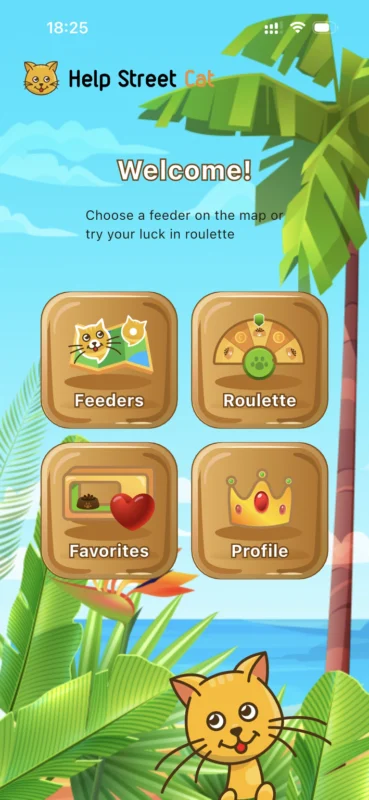
You choose an available station in the app and start a feed. According to Kral, one activation costs €0.49 and releases about 3–5 grams of dry food. You can then watch the feeding area on the live camera. There might already be a cat nearby. Or you might spend a minute looking at an empty tray. As anyone who has ever tried to photograph a cat knows, they have their own ideas about when to make an entrance.
The app also has a feature called Cat Roulette. It picks a station at random and gives you a chance to win a free feeding. I can see the appeal of taking a peek at a different corner of Alanya. I can also see a cat wandering into shot, declining to acknowledge the camera and carrying on with its afternoon.
The volunteers who already know where the cats are
One detail in Kral’s email stayed with me. Local volunteers have approached HelpStreetCat about putting stations in places where cats already gather, including spots that are difficult to visit daily. A volunteer who feeds the same group regularly knows when they’re likely to show up, which cats hang back and who hasn’t been seen for a few days. That’s the sort of knowledge I’d want to draw on when deciding where a feeder belongs.
For now, the app is built around remote feeding and live viewing. Kral also hopes to work with municipalities and veterinary professionals as the project grows. Among the possibilities he’s exploring are neutering, vaccination and treatment for cats that need it. Those would be future programmes, and each would depend on people and organisations working together locally.
This is the kind of technology I get excited about. A phone and a solar panel can make a small, practical act of kindness possible from thousands of kilometers away. I’d love to see HelpStreetCat take root in other countries, too. The version I’d most like to see is one shaped by the people who already look after the cats, with feeders in places where volunteers know they could make a difference.
Explore HelpStreetCat
- Official website
- Video demonstration
- Instagram Reel with SofiKati.life
- iPhone app
- Android app
- Independent coverage by BT Günlüğü (in Turkish)
Photographs and screenshots courtesy of HelpStreetCat.