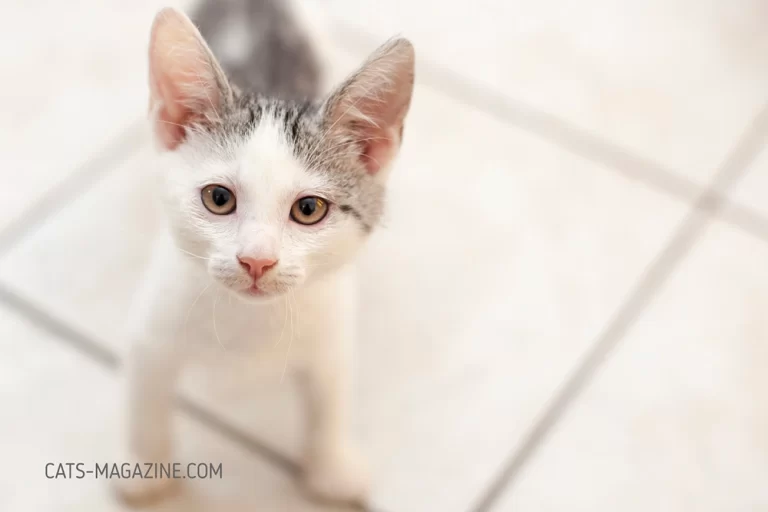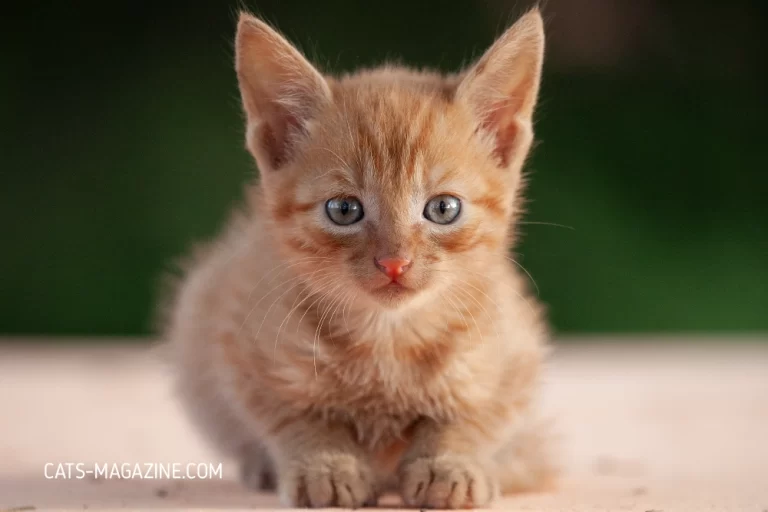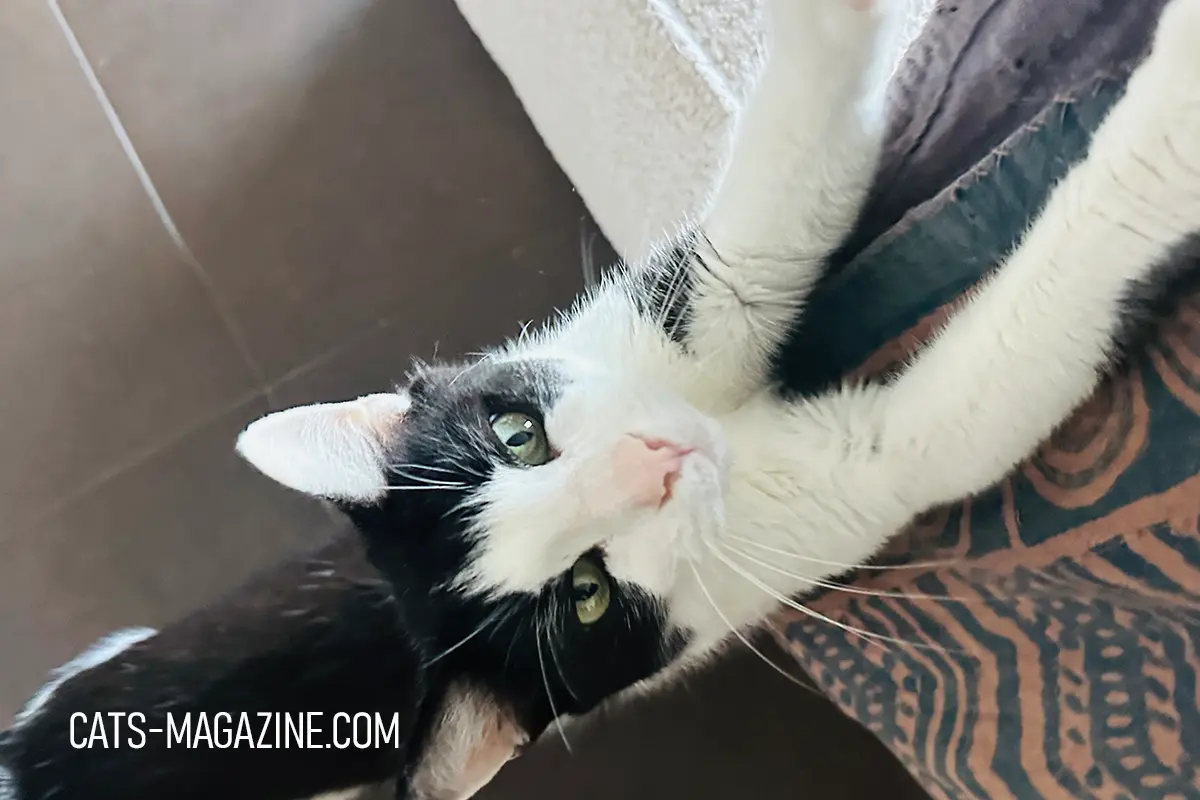

The first autumn rain has arrived, which means the household has entered an important new season: competitive napping.
We live in northern Europe, where the change is difficult to miss. The evenings are already drawing in, the light has softened, and the warm, dry days are becoming fewer. Until recently, Tito, Pierre and Myratz spent plenty of time on our large terrace. It has been specially adapted for them, with cat-proof netting more than two meter high, so they can enjoy fresh air, sunshine and a good neighborhood inspection without being able to wander away.
Now that the rain has started, however, the terrace has suddenly lost some of its glamour.
Our cats are spending more time indoors and appear even lazier than usual—which is quite an achievement for animals already devoted to lying in every patch of sunshine they can find. Their preferred autumn habitats include beds, rugs, chairs and warm sections of floor. And yes, occasionally the table, because apparently household rules become more flexible when the humans leave the room.
But are cats genuinely less active in autumn? Can shorter days change their sleep, appetite or daily habits? And when should we stop blaming the weather and start paying closer attention?
But are cats genuinely less active in autumn? Can shorter days change their sleep, appetite or daily habits? And when should we stop blaming the weather and start paying closer attention?
Fortunately, we don’t have to rely entirely on guesswork. A few simple changes at home can help cats adjust, while an activity tracker can make shifts in their usual routine easier to spot. More on both below.
Do seasonal changes affect cats?
Cats do not consult a calendar and announce that autumn begins on 22 September. They do, however, notice changes in daylight, temperature, weather and household routine.
Research suggests that natural changes in daylight can influence the locomotor and feeding rhythms of indoor cats. Cats are also highly responsive to their immediate environment. A cat with outdoor access may spend less time exploring during cold, wet or windy weather, while an indoor cat may move between different sleeping places as sunny and warm spots shift around the home.
That does not mean every cat becomes less active in autumn. Seasonal behaviour varies according to climate, age, health, personality and access to the outdoors. Some cats may enjoy cooler weather and become more active after a hot summer. Others, especially senior cats or devoted sun worshippers, may decide that a blanket is clearly the more sensible option.
In our home, the explanation is fairly straightforward: rain means less terrace time. When one part of the cats’ daily territory becomes less inviting, their routine naturally changes with it.
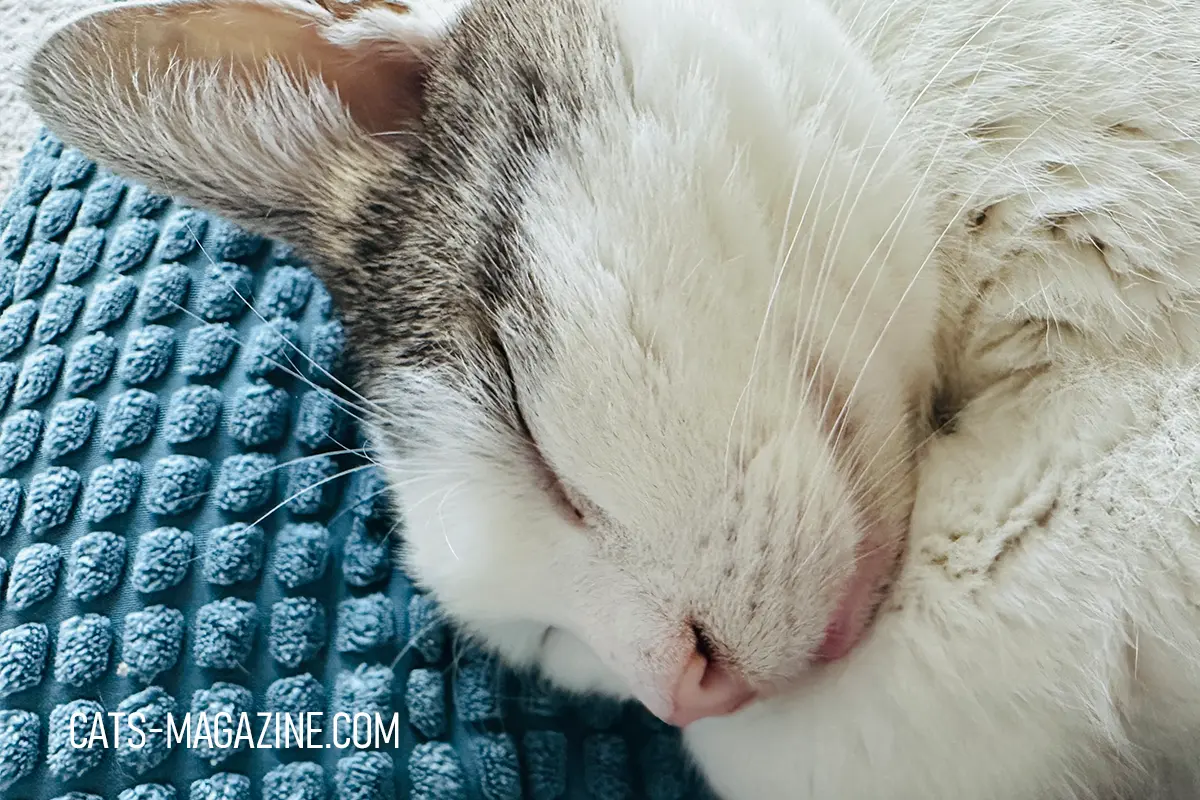
Do cats sleep more in autumn?
It may certainly look that way.
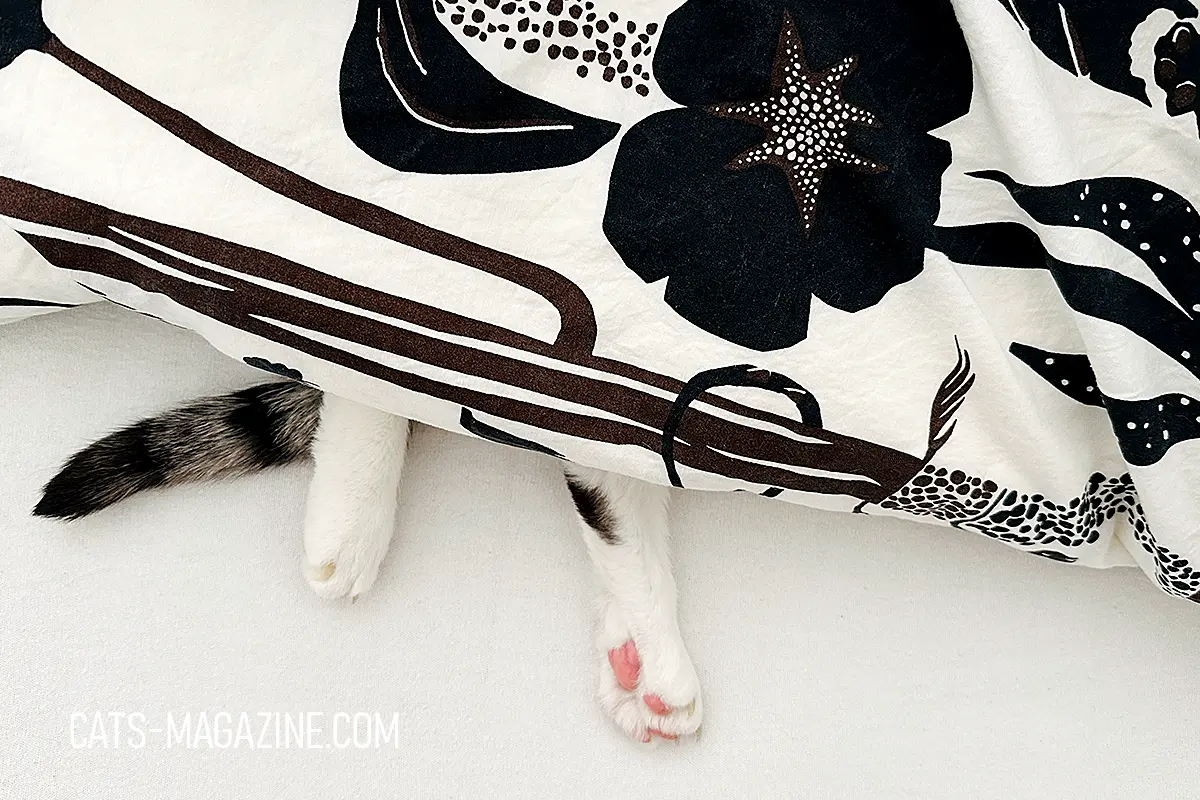
Adult cats already sleep or rest for much of the day, and older cats often rest even more. When autumn brings fewer hours of sunlight and fewer opportunities for outdoor activity, all that resting becomes more visible. Instead of disappearing onto the terrace for a patrol, a cat may remain curled up on the bed for another hour—or three.
The useful question is not whether your cat is sleeping more than a theoretical “average cat.” It is whether your cat is behaving differently from their own normal pattern.
A gradual, modest change that coincides with wet or colder weather is usually less concerning than a sudden or dramatic loss of energy. Your cat should still wake normally, show interest in food, respond to favourite sounds and enjoy at least some of their usual activities.
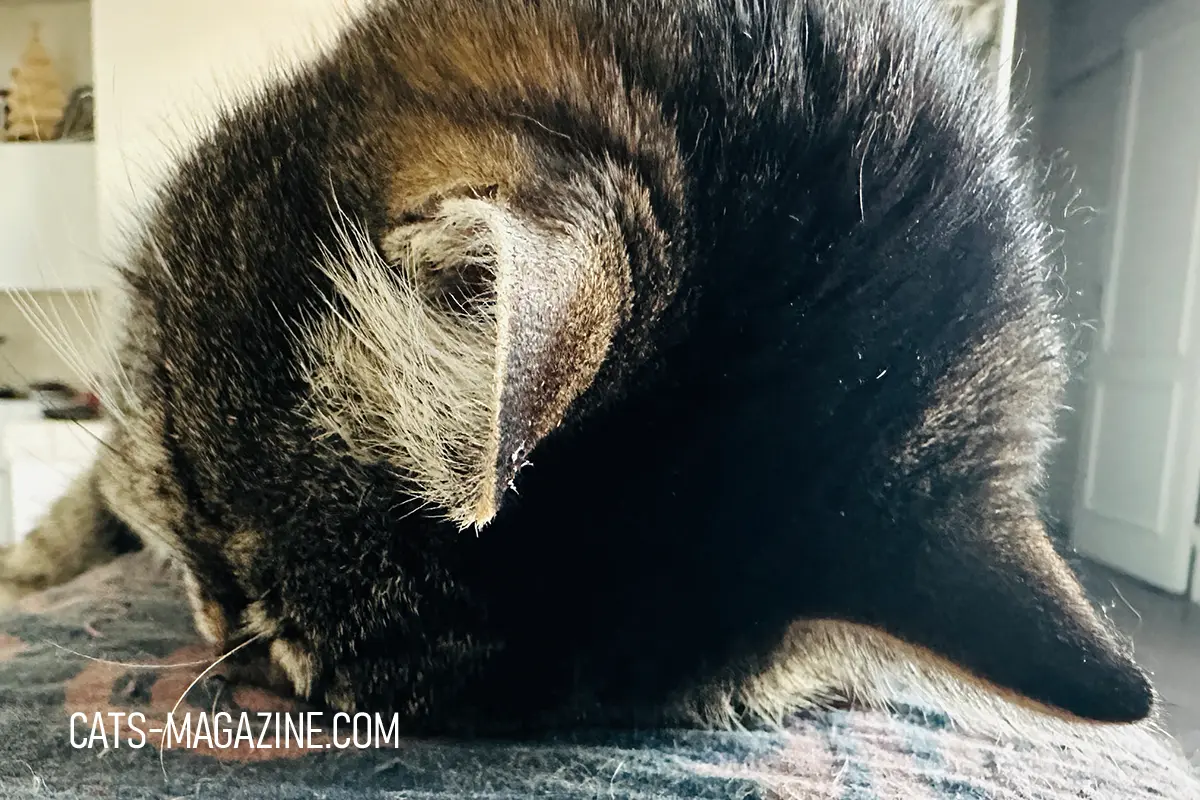
Appetite may change too
Some owners notice that their cats seem hungrier as the weather cools, while others see very little difference. Indoor heating, activity levels, age, medical conditions and whether a cat goes outdoors all influence how much energy they need.
This is why food portions should not be increased automatically simply because autumn has arrived. If a cat is moving less but eating more, the result may be seasonal weight gain rather than a genuine nutritional need.
Watch the pattern rather than one enthusiastic performance beside the food cupboard. A persistent increase in hunger—especially when combined with weight loss, thirst, restlessness or vomiting—deserves veterinary attention. So does a reduced appetite, particularly in a senior cat.
Autumn with three older cats
Tito, Pierre and Myratz are no longer kittens, although they remain firmly convinced that age does not apply to them.
As cats reach their mature and senior years, small changes deserve more attention because they can be caused by the season, ageing, discomfort or illness—and those explanations can look remarkably similar at first.
Our trio already has a few health issues to keep us attentive. Tito has hyperthyroidism and receives treatment. Pierre has experienced excessive grooming and fur pulling, with possible causes ranging from food allergy and skin irritation to anxiety. We are also monitoring early kidney changes within our senior household.
That is why regular veterinary checks matter so much. We take our cats for health checks every year and return more often when their condition requires it. Professional feline guidelines commonly recommend veterinary examinations at least every six months for senior cats, with an individual schedule based on age and existing health problems.
Cats are excellent at hiding discomfort. A check-up may detect changes in weight, thyroid function, blood pressure, dental health or kidney values before the signs become obvious at home. Autumn can be a useful reminder to book that appointment—but it should never be the only time we pay attention.
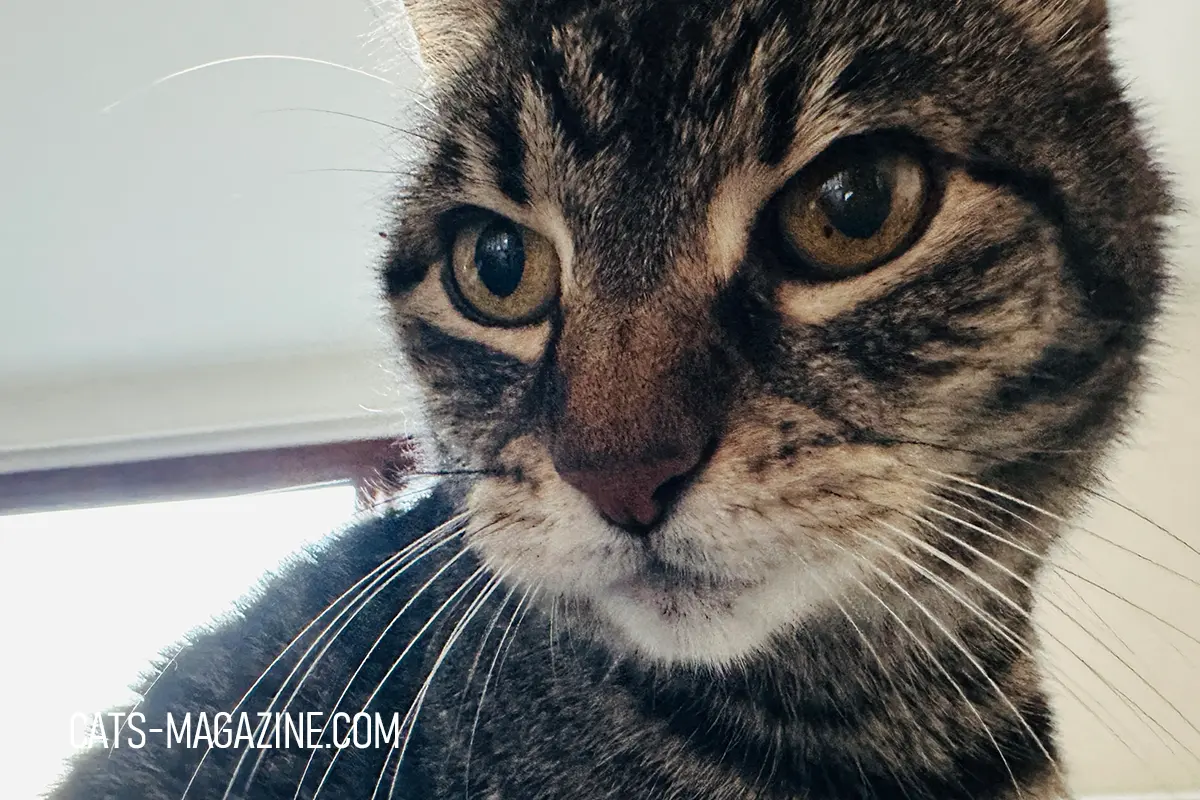
Seasonal change or a health warning?
A little more sleeping on rainy days is not automatically a problem. Contact your veterinarian if you notice a persistent or significant change, particularly any of the following:
- reduced appetite or refusing food
- unexplained weight loss or weight gain
- drinking or urinating more than usual
- vomiting or diarrhoea
- difficulty jumping, stiffness or reluctance to move
- hiding, confusion or unusual irritability
- a sudden drop in activity
- restlessness or vocalisation at night
- changes in grooming, including overgrooming or an unkempt coat
- changes that continue regardless of the weather
For cats with an existing condition such as hyperthyroidism or chronic kidney disease, the threshold for calling the vet should be lower. A tracker or diary can reveal that a pattern changed, but it cannot tell us why.
How to help cats adjust to autumn
When outdoor or terrace time decreases, we can replace some of that stimulation indoors. It does not require transforming the living room into a luxury feline theme park—although the cats would undoubtedly support the planning application.
Try adding two or three short play sessions at the times your cat is naturally alert, often around dawn or dusk. Rotate toys rather than leaving everything available at once. Create a comfortable window-watching spot, offer cardboard boxes and paper bags without handles, and use part of the daily food allowance in puzzle feeders or simple treasure hunts.
Senior cats may appreciate warm sleeping places, easy access to favorite furniture and steps or ramps if jumping has become uncomfortable. Keep food, water and litter boxes easy to reach, and make sure slippery floors do not turn the journey into an unwanted skating competition.
Most importantly, keep the household routine reasonably predictable. Cats may not own watches, but they are astonishingly good at noticing that dinner is seven minutes late.
What an activity tracker can tell us
One challenge with cats is that impressions are unreliable. A cat may seem to have slept all day, but we rarely know what they were doing while we were busy or away from home. Gradual changes can be even harder to notice when we see our pets every day.
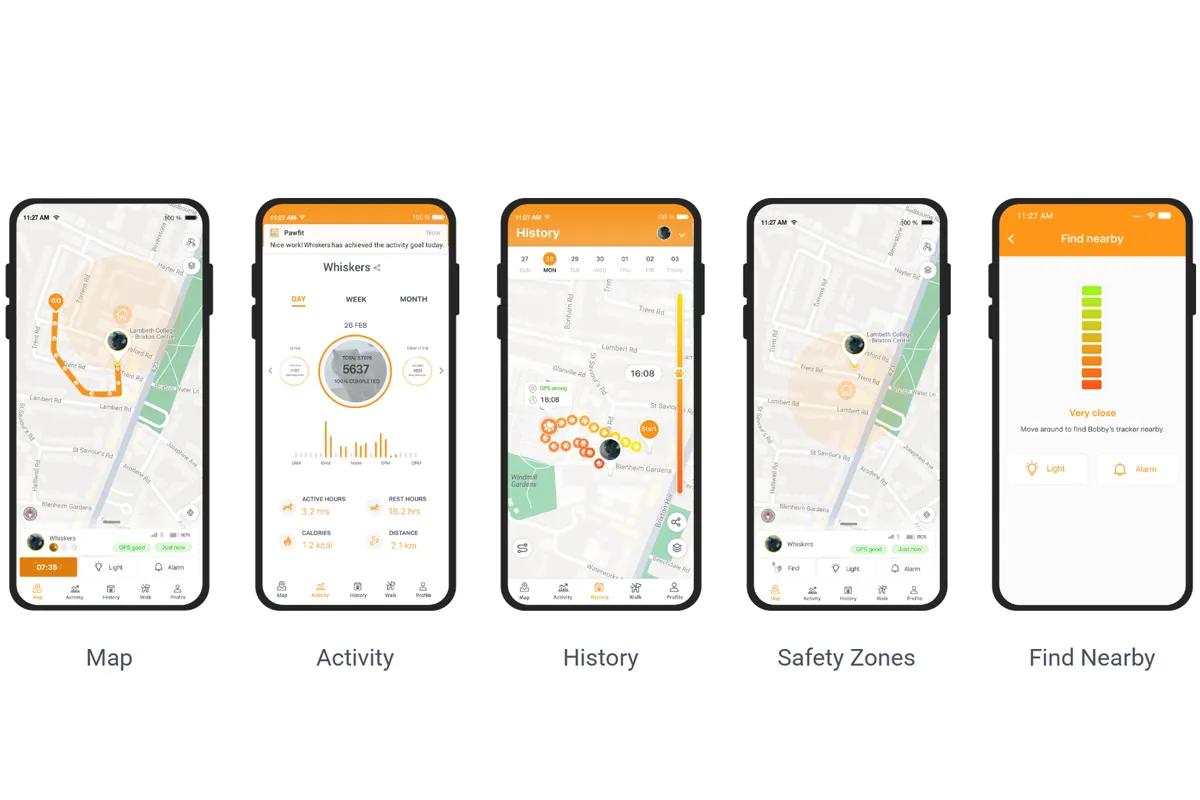
This is where a GPS and activity tracker such as GPS tracker for cats by Pawfit can be genuinely useful. Its activity monitoring can help owners establish an individual baseline and compare patterns over time. For cats who roam outdoors, features including GPS location tracking, location history and customizable Safety Zones can also show where they go and alert owners when they leave a chosen area.
The value is not in chasing a universal number of daily steps. Tito does not need to compete with a young neighbourhood athlete. What matters is recognising his normal routine and noticing a meaningful change: less movement over several days, a different walking pattern, reduced interest in a familiar route or an unexpected absence from his usual territory.
Tracking information is context, not a diagnosis. A decline in activity could reflect rain, a wonderfully comfortable new blanket, joint pain or illness. The data can tell us what changed and when, giving us something more concrete to discuss with a veterinarian.
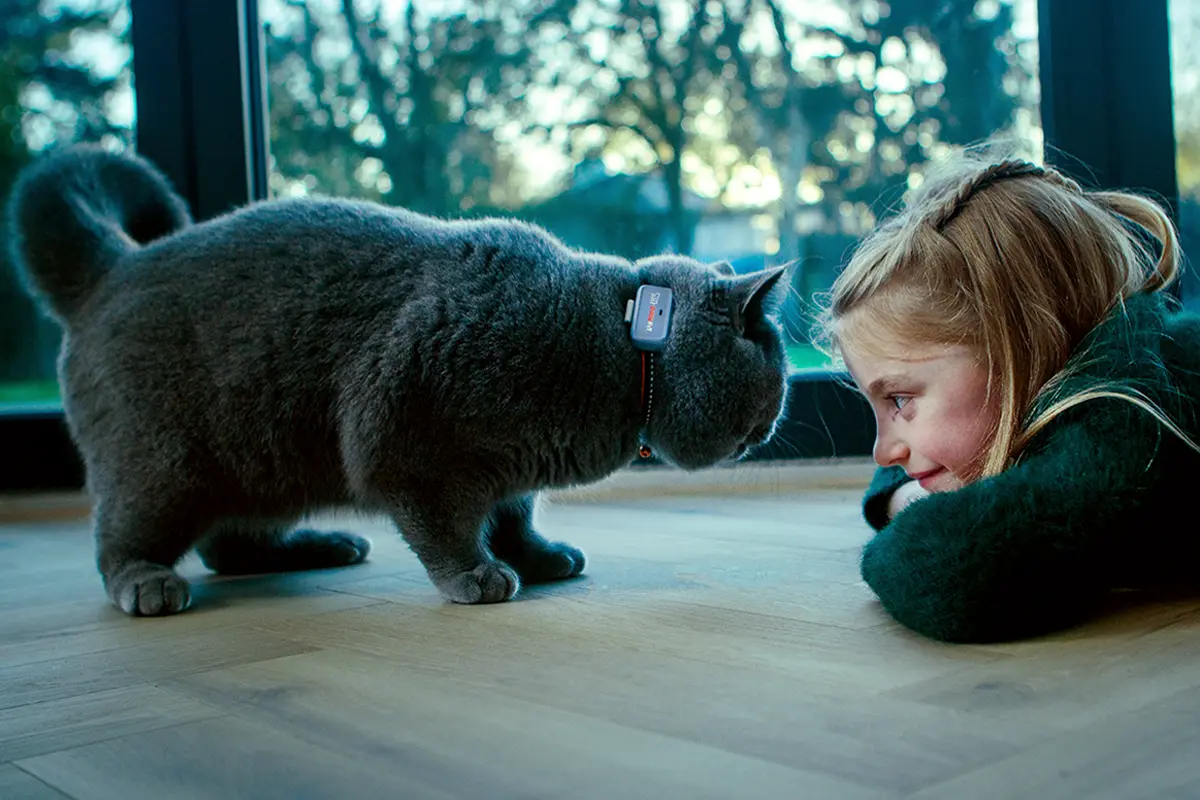
The tracker I wish we had years ago
I often think about how useful Pawfit would have been when we lived in a house with a large garden and shared our lives with our fantastic eight cats.
Five of those cats chose us themselves. They simply walked into our garden and, with the quiet confidence cats have perfected, decided that we were now their people. Because they had arrived from the outdoors and considered the garden part of their world, keeping them inside permanently was not realistic. Every day, they went out to stretch their legs, investigate interesting smells and check that the perimeter remained under appropriate feline management.
They knew the area. They were close to home. They had their routines.
And still, every single day, I wondered where they were and when they would return.
That is exactly where a GPS tracker could have made a difference—not by replacing supervision, microchipping or sensible safety precautions, but by removing some of the uncertainty. I could have checked their location instead of imagining every possible disaster while waiting at the window.
Perhaps Pawfit would not have prevented every worry. Cat people are exceptionally talented worriers. But I might have been at least a little less grey by now.
Watch the cat, not just the season
Yes, cats can change their routine in autumn. Shorter days may influence their daily rhythms, while rain, cooler temperatures and reduced outdoor access can change where and how much they move. Older cats may seek more warmth and rest, and every cat will adapt in their own way.
For Tito, Pierre and Myratz, autumn currently means fewer terrace expeditions and considerably more indoor lounging. We will keep watching their appetite, weight, movement, grooming and individual habits—not because every extra nap is alarming, but because knowing what is normal for each cat helps us recognise when something is not.
The changing season is not a diagnosis. It is simply a good moment to pay closer attention.
And if you cannot find your cat, check the warmest chair first.