
Table of Contents
There is a very specific sound Tito makes when he believes he has not been fed in approximately seven years.
It usually happens around 5:17 AM.
Or 6:02 AM.
Or 11 minutes after breakfast.
Since his hyperthyroidism diagnosis, hunger has become his full-time career. Honestly, if cats had LinkedIn, Tito’s profile would simply say: “Professional eater with strong communication skills.”
But something important changed over the past month and a half.
Before the medication, food seemed to pass straight through him. His stool was soft, he drank huge amounts of water, and he peed constantly. He was hungry all the time but somehow still looked thinner. Watching that happen is stressful because you feel like your cat is trying desperately to refill an invisible hole.
Now? Things are finally stabilizing.
One thing that also surprised me during Tito’s recovery was how much daily movement suddenly mattered again.
I started paying much closer attention not only to his appetite, but also to his activity levels, sleep patterns, and overall energy throughout the day.
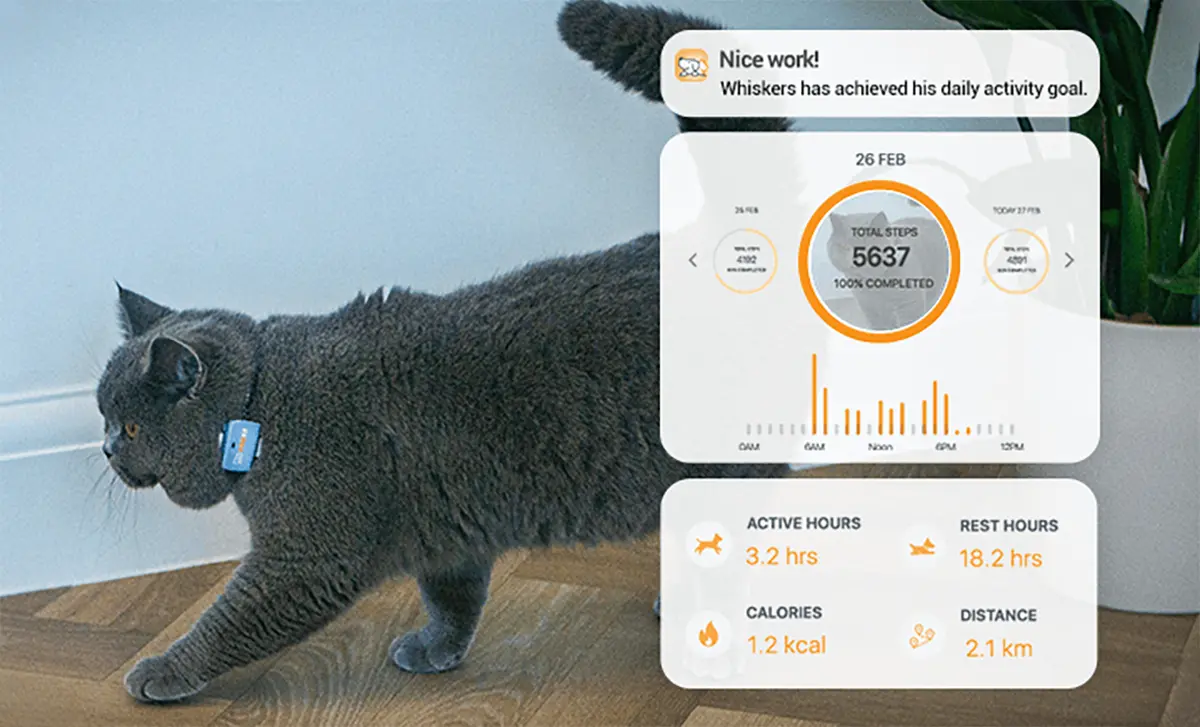
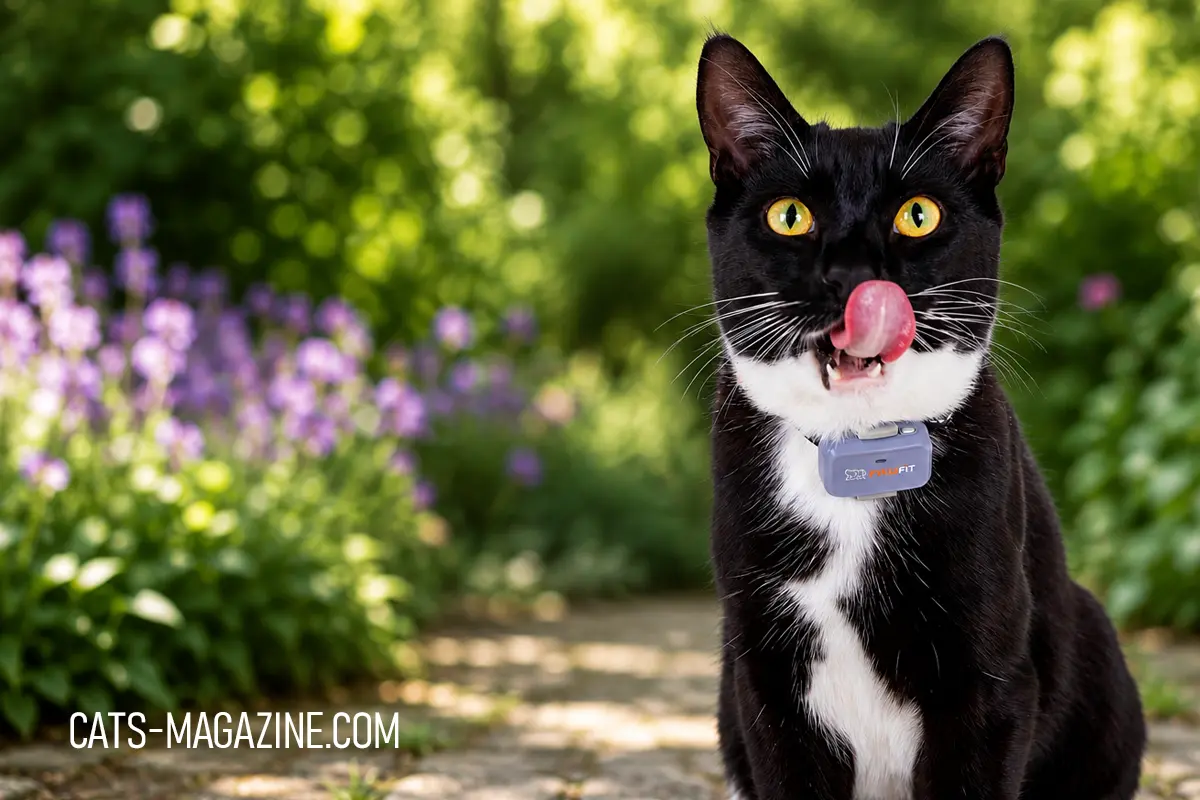
That is also why Pawfit Lite GPS tracker for cats started making much more sense to me, especially with senior cats like Tito. Besides GPS tracking, it also gives a better overview of daily routines, movement, and overall activity trends over time.
And honestly, some of those small changes became surprisingly important during recovery.
And it made me think about something many people underestimate:
How much exercise does a cat actually need?
Cat exercise needs can change surprisingly much with age, health conditions, and indoor lifestyle.
Because movement is not only about weight. It is about digestion, muscles, joints, mental health, aging, stress, and overall wellness. Especially for indoor cats.
And especially for dramatic seniors named Tito.
Cats Were Never Designed to Be Couch Decorations
Even the laziest house cat still carries the instincts of a hunter.
A cat’s body is built for:
- stalking
- climbing
- jumping
- chasing
- sprinting
- reacting
- observing
- exploring territory
Indoor life is safer in many ways, but it also removes natural movement. A wild or outdoor cat can easily walk several kilometers in a day without realizing it. Indoor cats often move from sofa → food bowl → litter box → bed and somehow call it cardio.
Honestly, if Tito had a smartwatch, he would probably congratulate himself after walking three meters to scream for chicken.
But inactivity slowly affects:
- weight
- digestion
- muscle tone
- flexibility
- mood
- boredom levels
- stress
- sleep quality
And yes — even litter box habits.
Cats are incredibly good at hiding physical decline. They adapt quietly. Sometimes too quietly.
How Much Exercise Does a Cat Need Daily?
Most healthy adult cats benefit from around:
- 20 to 40 minutes of active play per day
- split into shorter sessions
That sounds simple, but many cats never actually reach that level of activity indoors.
The important part is intensity and engagement, not marathon training. Cats naturally exercise in short bursts. A 10-minute hunting-style play session can be far more effective than leaving toys scattered around the floor like abandoned IKEA parts.
Senior cats usually need gentler activity, but they still absolutely need movement.
That is one thing I watch carefully with Tito now.
Hyperthyroidism can cause muscle loss over time, especially in older cats. Keeping him moving helps maintain strength, coordination, digestion, and overall quality of life.
Not extreme exercise.
Just regular movement.
Is Your Cat Active Enough?
Sometimes the signs are obvious.
Sometimes they are surprisingly subtle.
Here are a few clues your cat may need more activity:
Weight Gain
The most obvious one.
Indoor cats often gain weight slowly because calories stay high while movement drops. Extra weight then increases strain on:
- joints
- spine
- heart
- kidneys
- overall mobility
And once cats become less mobile, they move even less.
It becomes a cycle.
Endless Zoomies at Night
Many indoor cats sleep all day from boredom and then transform into caffeinated goblins at 3 AM.
That can actually signal under-stimulation during daytime.
Destructive Behavior
Scratching furniture, attacking feet, climbing curtains, knocking objects off shelves…
Sometimes that is not “bad behavior.”
Sometimes your cat simply has unused energy.
Low Muscle Tone
This is especially important in senior cats.
You may notice:
- weaker jumping
- stiffness
- less climbing
- slower reactions
- hesitation before jumping
That does not always mean “old age.” Sometimes it means they are losing muscle because they are inactive.
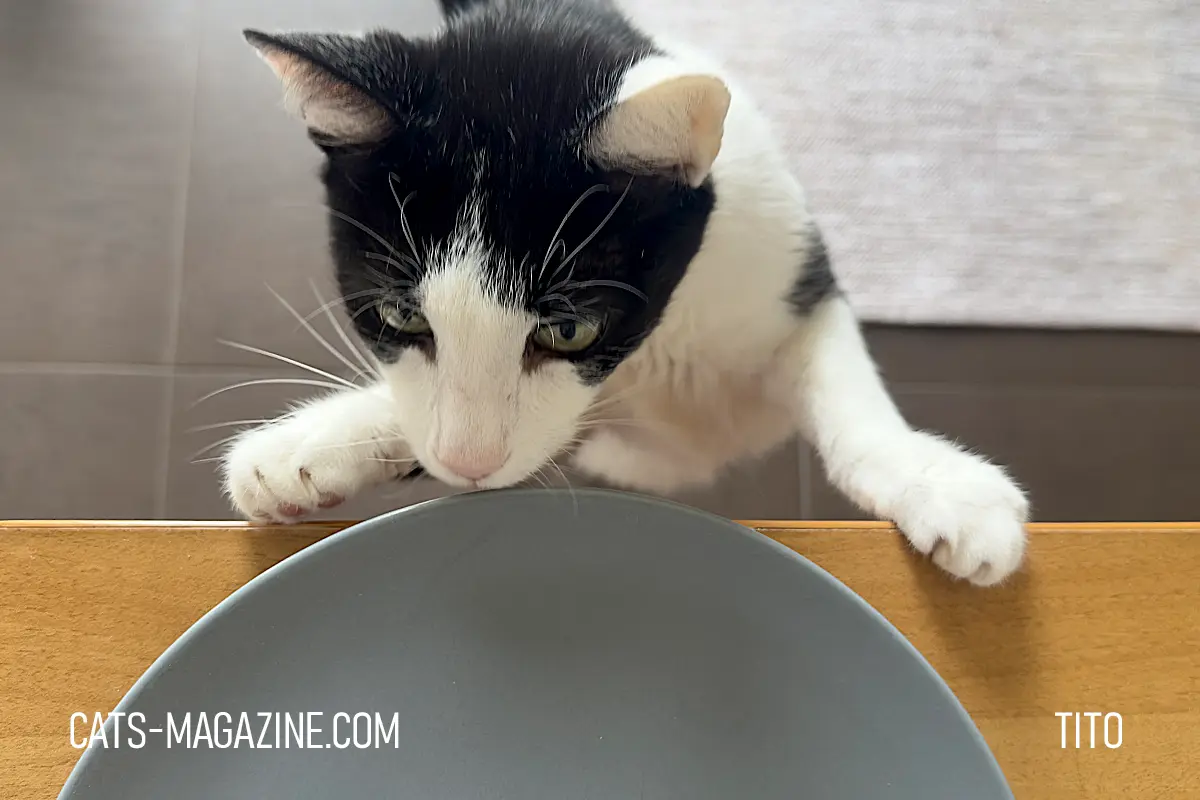
Tito’s Current Fitness Program (Very Serious Business)
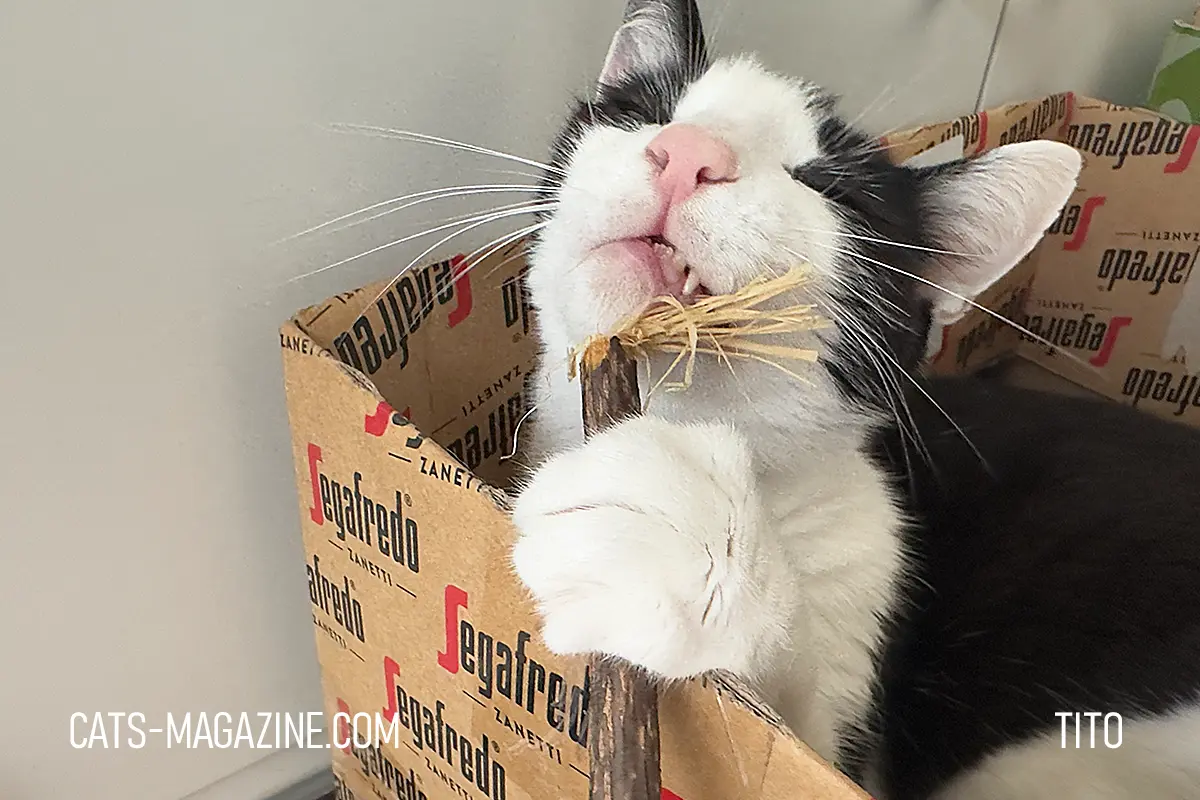
Tito would like everyone to know he is an elite athlete.
His current activities include:
- aggressively chasing treats
- sprinting toward chicken
- dramatic hallway zoomies
- yelling near empty bowls
- stealing warm spots from other cats
- pretending he has never eaten before in his life
But honestly, even these small daily bursts matter.
Since treatment started, I noticed he moves more naturally again. Before, he often seemed restless but exhausted at the same time. Now his energy feels more balanced.
That is one reason I try to encourage movement naturally instead of forcing exercise.
Cats hate forced fun.
Especially Tito.
Indoor Games That Actually Boost Activity
Some cats love toys immediately.
Others stare at you like you personally offended their ancestors.
Over the years, I learned that rotating activities works much better than buying endless toys.
Here are the indoor games my cats genuinely enjoy.
Wand Toys Still Win
Nothing beats the classic hunting simulation.
The key is movement.
Do not wave the toy randomly in the air like you are directing airplane traffic. Move it like prey:
- hide behind furniture
- pause
- dart away
- let the cat stalk
- let them “win”
Cats need the satisfaction of catching something.
Tito especially loves games where he can ambush from behind corners.
He believes he is invisible.
He is not.
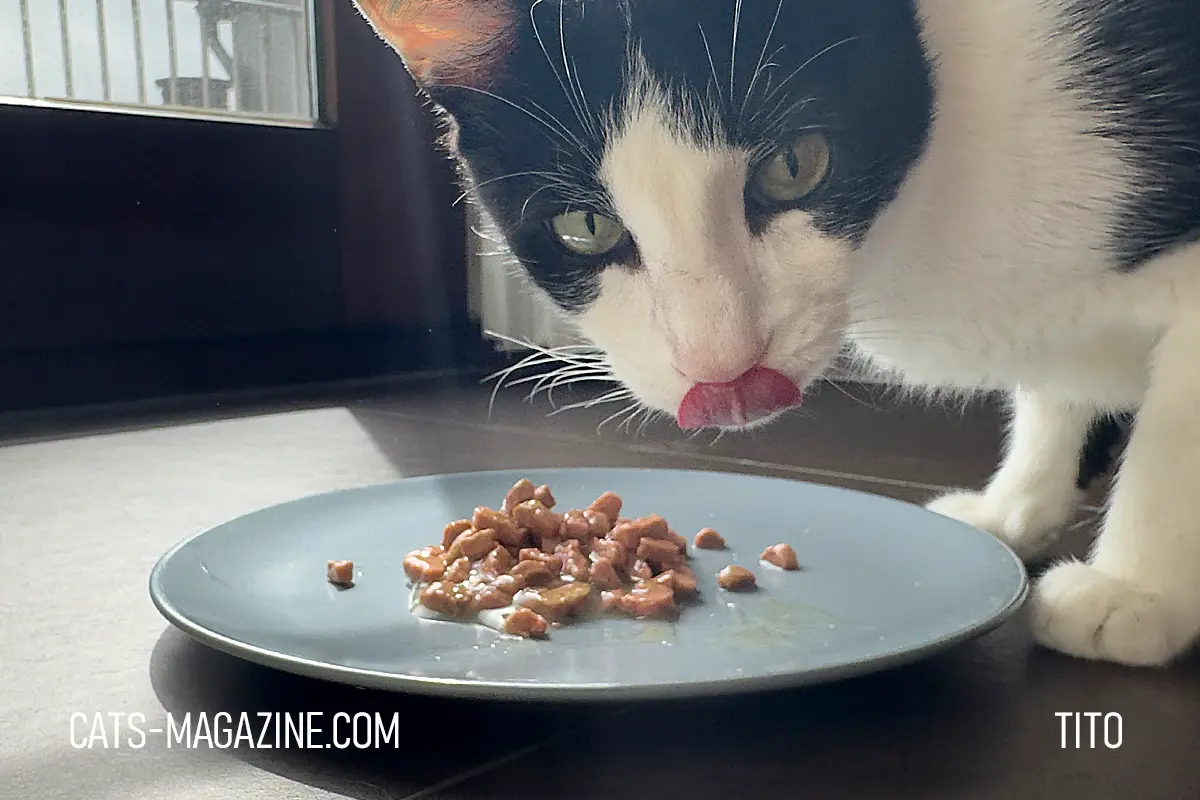
Food Puzzles for Hungry Cats
For cats like Tito, food puzzles are brilliant.
Instead of inhaling food in 14 seconds, they:
- move more
- think more
- slow down eating
- stay mentally engaged
This can be especially useful for cats dealing with constant hunger from medical conditions.
Even hiding tiny portions around the room can encourage natural movement and exploration.
Vertical Space Changes Everything
Cats love territory.
Adding:
- cat trees
- shelves
- climbing paths
- window perches
can dramatically increase daily activity.
Even older cats often enjoy climbing if the setup feels safe and gradual.
And mentally? Window watching is basically feline Netflix.
The Hidden Link Between Exercise and Digestion
This part became very obvious with Tito.
Movement helps digestion.
Just like humans, cats benefit from regular physical activity because it supports:
- intestinal movement
- metabolism
- circulation
- muscle maintenance
- appetite regulation
When Tito’s thyroid issues were at their worst, his body was basically in overdrive. Food passed too quickly through his system, and he was constantly hungry.
Now that treatment is helping and his activity feels more balanced, his digestion improved too.
Not magically.
But noticeably.
Senior Cats Still Need Exercise
I think people sometimes accidentally treat older cats like fragile porcelain statues.
But, senior cats absolutely need movement because inactivity speeds up:
- muscle loss
- stiffness
- obesity
- joint problems
- boredom
- cognitive decline
The trick is adapting the environment.
For example:
- lower climbing options
- soft landing areas
- short play sessions
- easier jumps
- interactive feeding games
At 13, Tito is definitely not a kitten anymore.
But he is still curious.
Still playful.
Still deeply convinced that chicken should arrive every 20 minutes.
And honestly? I love that stubborn little chaos creature for it.
Prevention Is Easier Than Recovery
One thing I learned with aging cats is that prevention matters more than dramatic “fixes.”
Small daily habits make a huge difference over time:
- keeping cats moving
- monitoring weight
- encouraging climbing
- regular vet checks
- feeding appropriate diets
- supporting mental stimulation
Cats are masters of hiding discomfort until problems become advanced.
That is why subtle changes matter:
- sleeping more
- jumping less
- weight changes
- increased thirst
- digestive changes
- reduced grooming
- unusual hunger
Tito’s hyperthyroidism diagnosis started with small signs too.
And catching it early helped enormously.
Outdoor Curiosity Without Outdoor Risks
Spring and summer often increase activity naturally because cats become more alert to:
- birds
- smells
- open windows
- sounds
- sunlight
- changing temperatures
Some cats also become desperate little explorers this time of year.
That is one reason I like secure enrichment indoors.
Window watching, climbing setups, scent games, and interactive play can satisfy curiosity without exposing cats to traffic, disease, fights, or getting lost.
And yes — some cats absolutely act like tiny wilderness adventurers trapped inside fluffy bodies.
Tito included.
Outdoor Season Means More Exploring
Spring and summer always wake something ancient inside cats.
Open a window and suddenly they become tiny wildlife biologists.
Birds.
Leaves.
Smells.
Invisible enemies only they can see.
Even indoor cats often become more active during warmer months, and adventurous cats may start testing boundaries surprisingly fast.
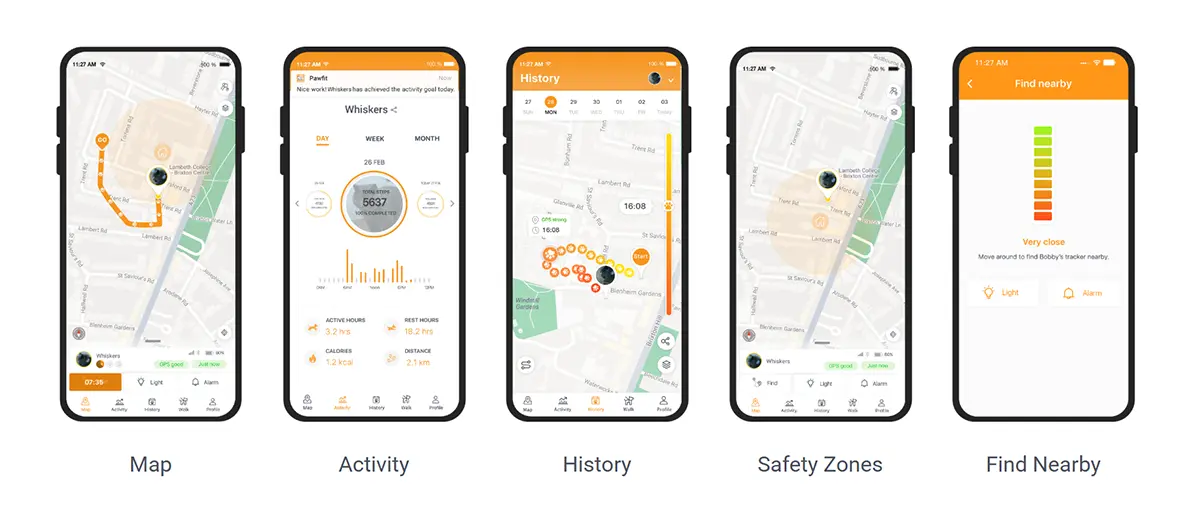
That is where Pawfit can be incredibly reassuring.
The built-in GPS tracker offers:
- real-time GPS location tracking
- unlimited tracking range
- live updates every 5 seconds in FIND mode
- Safety Zones alerts
- 24-hour location history
- Bluetooth-powered Find Nearby for precise indoor locating
So if your cat decides to expand their “territory negotiations” beyond what you had in mind, you can quickly check where they are through the Pawfit app.
I especially like the location history feature because it reveals something fascinating: cats often follow surprisingly consistent routes and routines.
Tiny furry urban planners.
Fitness Matters More Than We Think
One thing I appreciate about Pawfit Lite GPS tracker for cats is that it treats activity as part of wellness, not just location tracking.
What I personally like is that Pawfit does not only focus on location tracking.
The activity monitoring side is genuinely useful too, especially with indoor cats, senior cats, or cats recovering from health issues where subtle changes can matter.
With Tito, I noticed that even small changes in daily movement sometimes reflected how he was feeling overall.
And because the tracker is waterproof, lightweight, and works with unlimited range through its built-in SIM card, it feels practical even for adventurous cats who disappear into gardens, balconies, terraces, or mysterious neighborhood expeditions.
You can even share tracking access with family members, which is useful if multiple people care for the same cat.
Or if one person panics faster than the others.
Not naming names.
It is me.
Final Thoughts From Tito (Who Is Currently Demanding Chicken)
Exercise is not about turning your cat into a gym influencer.
It is about keeping their body and brain active enough to support long-term health.
Even small amounts of movement help:
- digestion
- muscle tone
- mood
- flexibility
- weight control
- confidence
- overall wellness
Watching Tito improve after treatment reminded me how connected everything really is.
Health affects movement.
Movement affects digestion.
Digestion affects energy.
Energy affects mood.
And mood absolutely affects how loudly a cat screams for food at sunrise.
Especially if fish is no longer on the menu.
Tito still believes this anti-fish policy is deeply unfair and possibly unconstitutional.