Table of Contents
Holding Two Truths at Once. This Is Not a Eulogy.
Two days ago, Brigitte Bardot died.
The reactions were immediate – and loud. Some people mourned her deeply. Others felt anger, frustration, even relief. Love and hate arrived in equal measure, as they often do when a public figure has lived loudly, imperfectly, and unapologetically.
But here is the part that deserves space, calm, and honesty:
she cared for animals. And she acted on it.
Through the Brigitte Bardot Foundation, countless animals – cats included – received real, tangible help. I know this not from headlines, but from lived experience.
For several years, I wrote grant requests that supported SOS Cat Rescue in Croatia. Those grants translated into food, vet care, sterilizations, and survival. Kittens lived because paperwork was approved. Cats recovered because funds arrived on time. That is not ideology. That is logistics. And logistics save lives.
People are not one-dimensional. None of us are.
Not her. Not you. Not me.
The Work Behind the Word “Rescue”
I spent four years helping a close friend care for hundreds of cats and kittens. Some people call it a job. Some call it a hobby.
Neither word fits.
It’s a way of life – and often a heavy one. Emotionally draining. Physically relentless. You carry numbers in your head: temperatures, weights, costs, chances. You learn how grief and hope can coexist in the same afternoon.
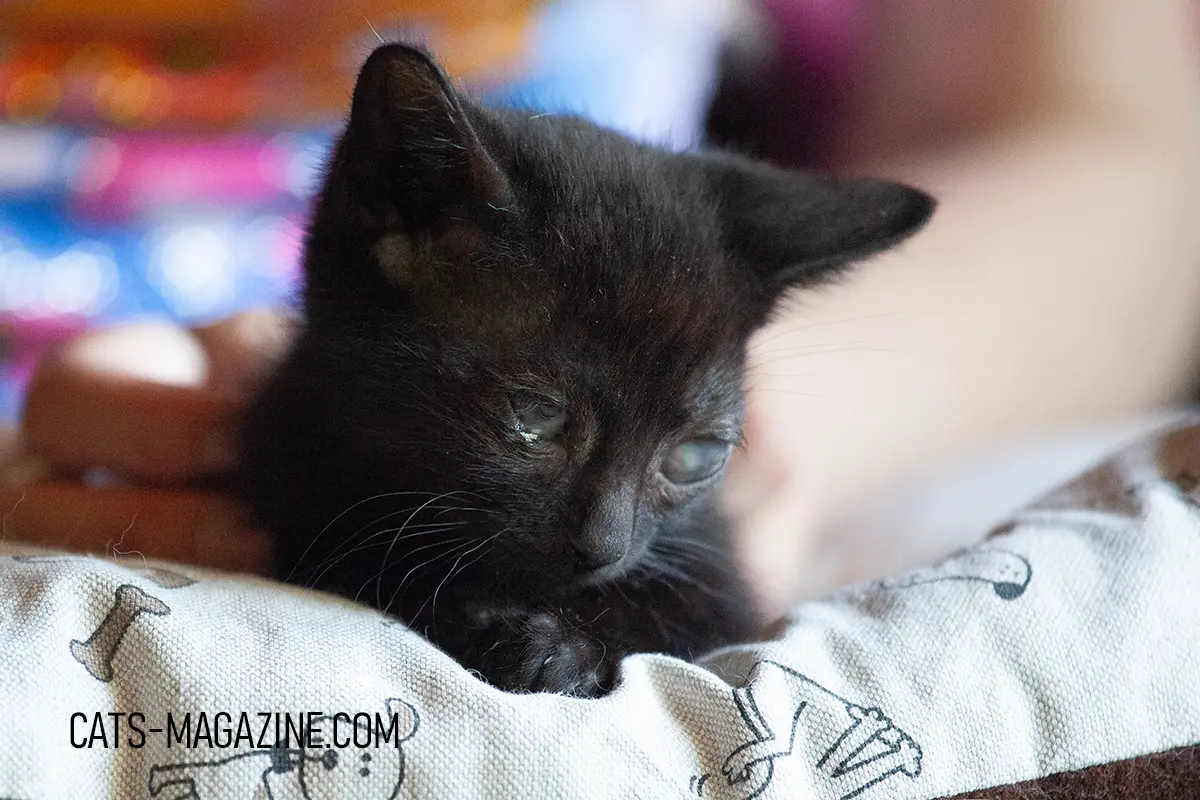
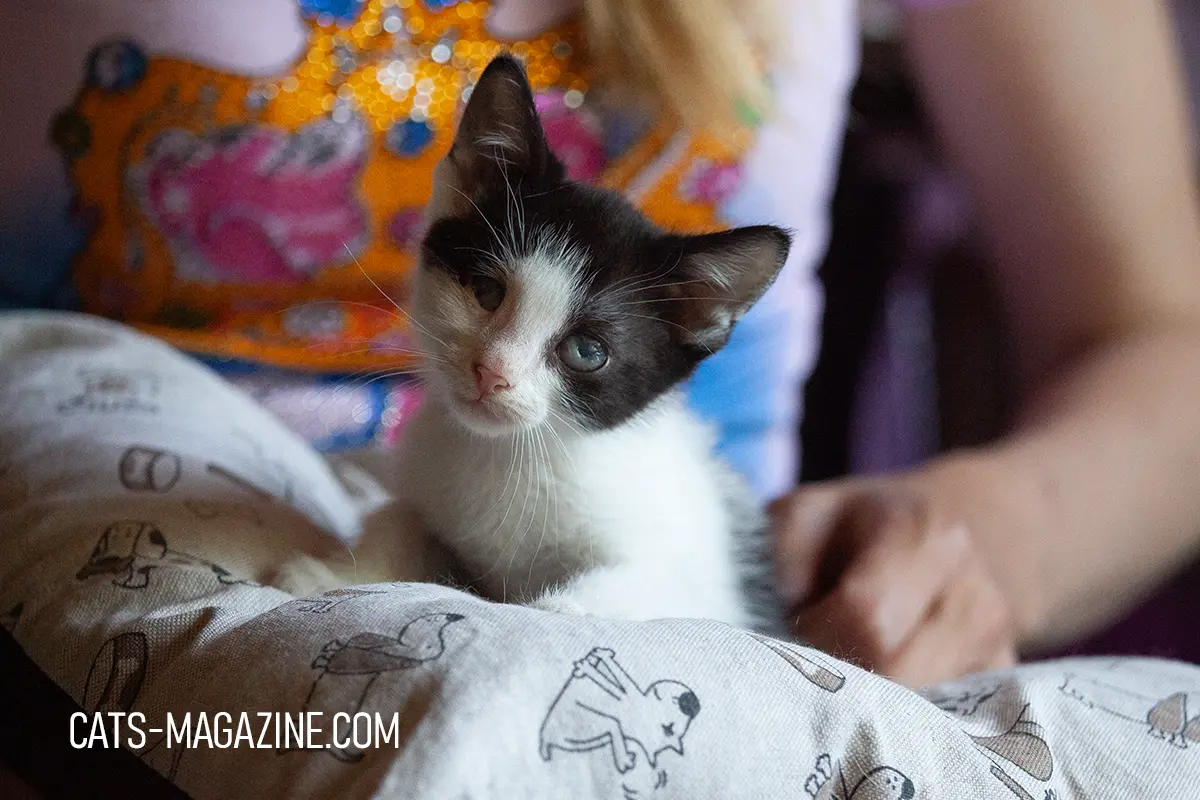
All those injured, bitten, left to die. Abused in ways that are hard to describe, and often easier to look away from. Cats with one eye, three legs, no tail. Those left sick and alone on purpose. Those who needed spaying and neutering just to stop the cycle – the endless repetition of pain and neglect. Many of them were saved because help existed when it mattered.
I can thank her in their names. In the names of Charlie, Linda, Coco, Marli – and so many others who never had a voice, but were finally heard.
Only those who have done this work truly understand what it means to help beings who cannot speak, cannot advocate, and cannot explain pain. And I won’t spiral into darkness here – but if you know, you know.
That’s why I choose gratitude.
Helping Stray Cats Survive This Winter
This feels like the right moment to mention something close to my heart: the Emergency Appeal by SOS Cat Croatia.
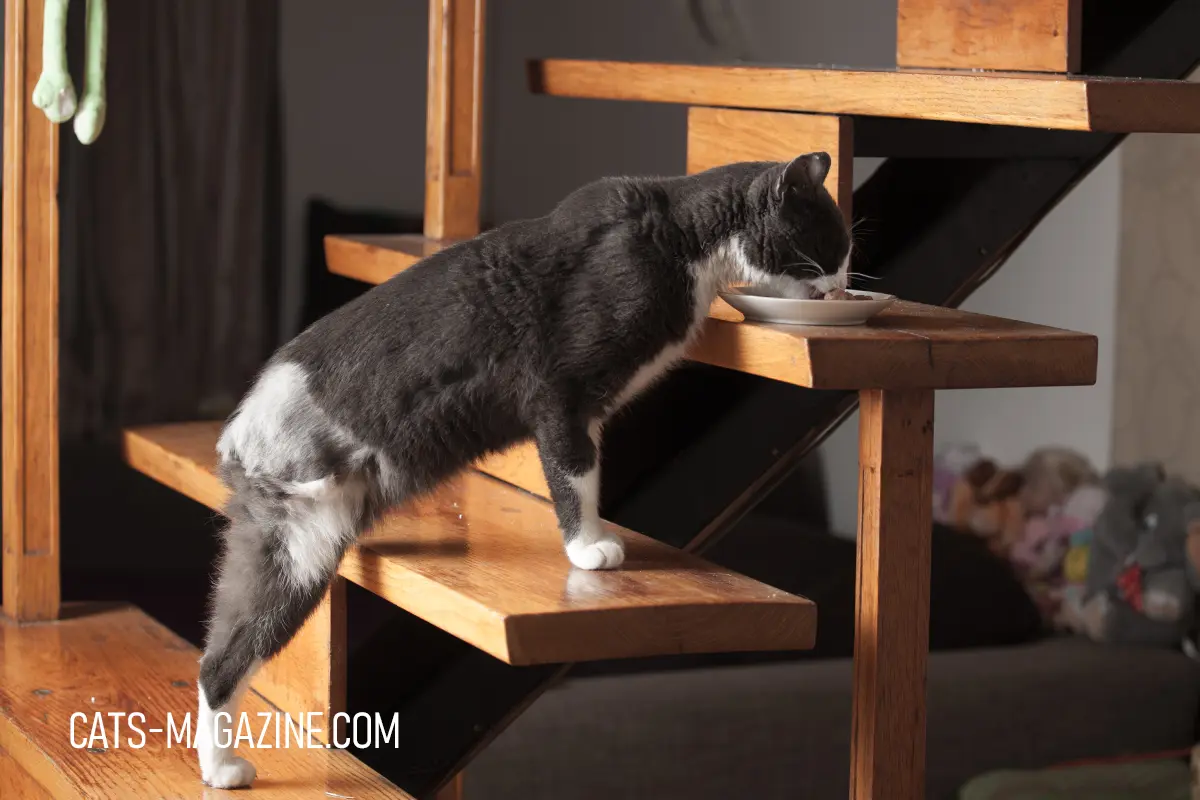
Every day, their volunteers face the harsh reality of abandoned, sick, and feral cats on the streets of Zagreb and beyond – cats with no safety net and no voice. Through rescue work, emergency medical care, and Trap-Neuter-Return programs, SOS Cat gives these animals a real second chance. I’ve seen firsthand how much effort, emotion, and sheer persistence this work takes, and how quickly resources disappear when vet bills, food, and shelter costs keep rising. If you’re able to help, even in a small way, this fundraiser directly supports urgent care, prevention of overpopulation, and basic survival for cats who would otherwise be left behind.

You can learn more or contribute here: https://whydonate.com/fundraising/emergency-appeal-help-stray-cats-survive-this-winter – and follow their daily work and rescue stories on Facebook at https://www.facebook.com/SOScatHR/. Every donation truly becomes a life changed.
Cats, Culture and Why It All Connects
Perhaps that’s also why I’m still mentally wandering through the CATS exhibition in Hamburg, which I wrote about recently in Two Weeks Later and Still Obsessed – My Return to the CATS Exhibition Hamburg (in Spirit, Anyway). That exhibition reminded me how deeply cats are woven into our culture, our myths, and our empathy – not as accessories, but as mirrors.
In quieter moments, I think about winter too. About warmth, shelter, and why cats instinctively seek comfort during darker days – something I explored in Things Cats Secretly Love About Winter. Rescue work sharpens that awareness: comfort is not trivial. It’s survival.
Even play matters. I saw it again while speaking with Allison Zank in Winter Cat Toys That Break the Catnip Mold. Joy isn’t a luxury for rescued animals – it’s part of healing.
From Tito, Myratz, and Pierre – With Love
As this year comes to an end, we want to keep the focus where it belongs: on goodness, persistence, and care.
From Tito, Myratz, and Pierre – and from me – we wish you peaceful holidays and a kind, hopeful New Year.
May 2026 bring more compassion, more quiet wins, and more moments that truly matter.
A Quiet Note to End the Year
The year is ending. The noise will continue. Opinions will clash.
But caring – real, sustained, exhausting care – still matters.
So let’s keep the good. Feel the good. And stay good.
From all of us at Cats Magazine, we wish you peaceful holidays and a kind, hopeful New Year 2026