
Table of Contents
If you’ve ever cooked vegetables in the kitchen and noticed your cat sniffing the cutting board, you may have wondered: what vegetables can cats eat safely?
Cats are obligate carnivores, which means their bodies are designed to thrive on animal protein. Their digestive systems are not designed to process large amounts of plant material. Unlike humans or dogs, they don’t need vegetables to survive. However, some vegetables can be safe in very small amounts as occasional treats.
The key is knowing which vegetables are safe and which ones are dangerous or irritating to a cat’s digestive system.
And of course, cats themselves have strong opinions about vegetables.
My three cats prove that perfectly.
- Tito refuses almost all vegetables. The only green thing he occasionally nibbles is lettuce — and even then, I suspect he’s pretending it’s cat grass.
- Myratz, however, has a bizarre obsession with olives. I have to be very careful because olives are salty, but if he gets a tiny piece once in a while, he becomes the happiest cat in the universe.
- Pierre wants absolutely nothing to do with anything green. He barely touches cat grass and ignores catnip as well.
In other words: cats are individuals.
Here is a quick overview of vegetables that are generally considered safe for cats and those that should be avoided.
| Vegetable | Safe for Cats | Notes |
|---|---|---|
| Pumpkin | Yes | Good for digestion |
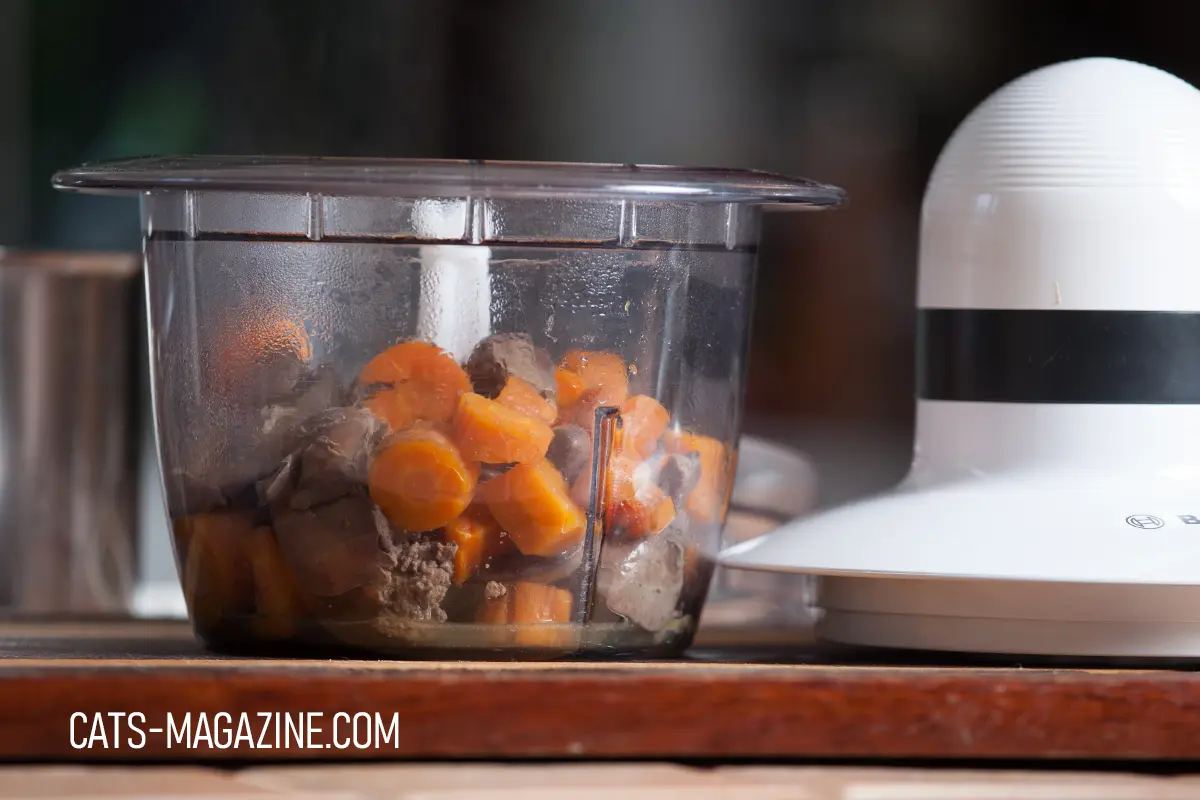
| Carrots | Yes (cooked) | Small amounts |
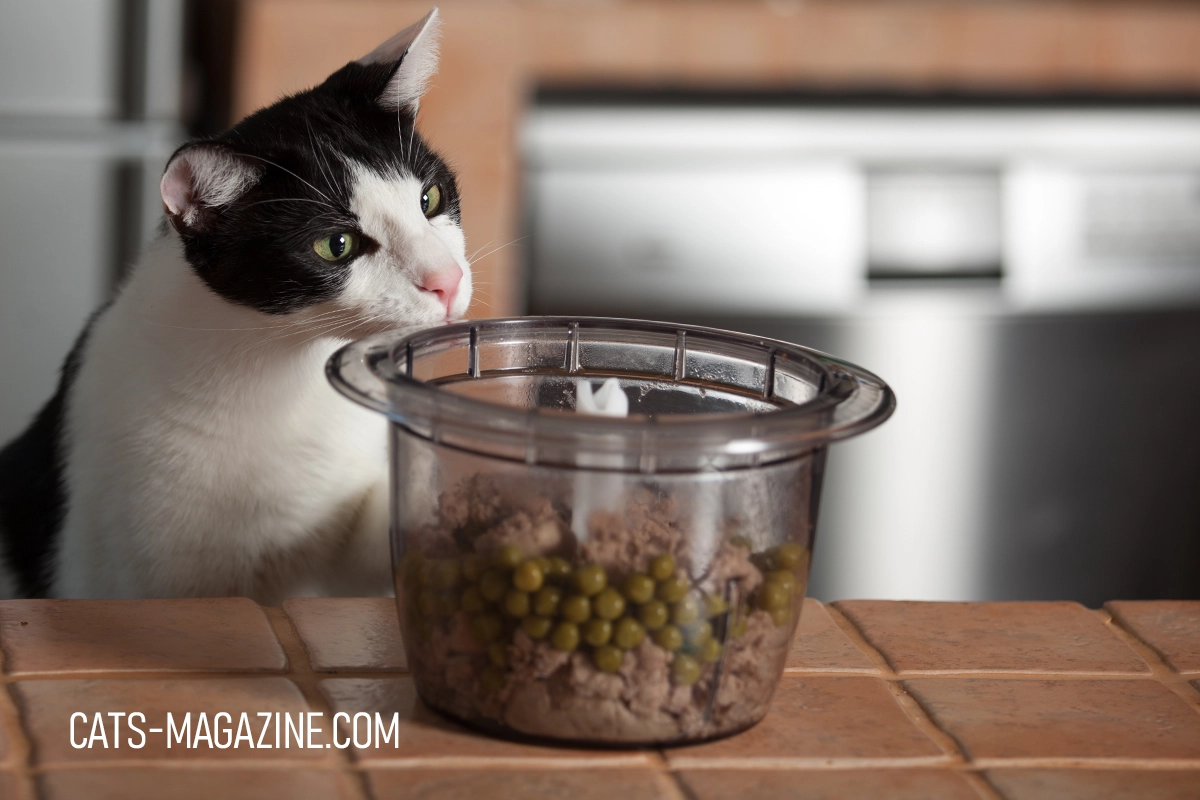
| Peas | Yes | Occasionally |
| Zucchini | Yes | Cooked |
| Broccoli | Yes | Small portions |
| Onion | No | Toxic |
| Garlic | No | Toxic |
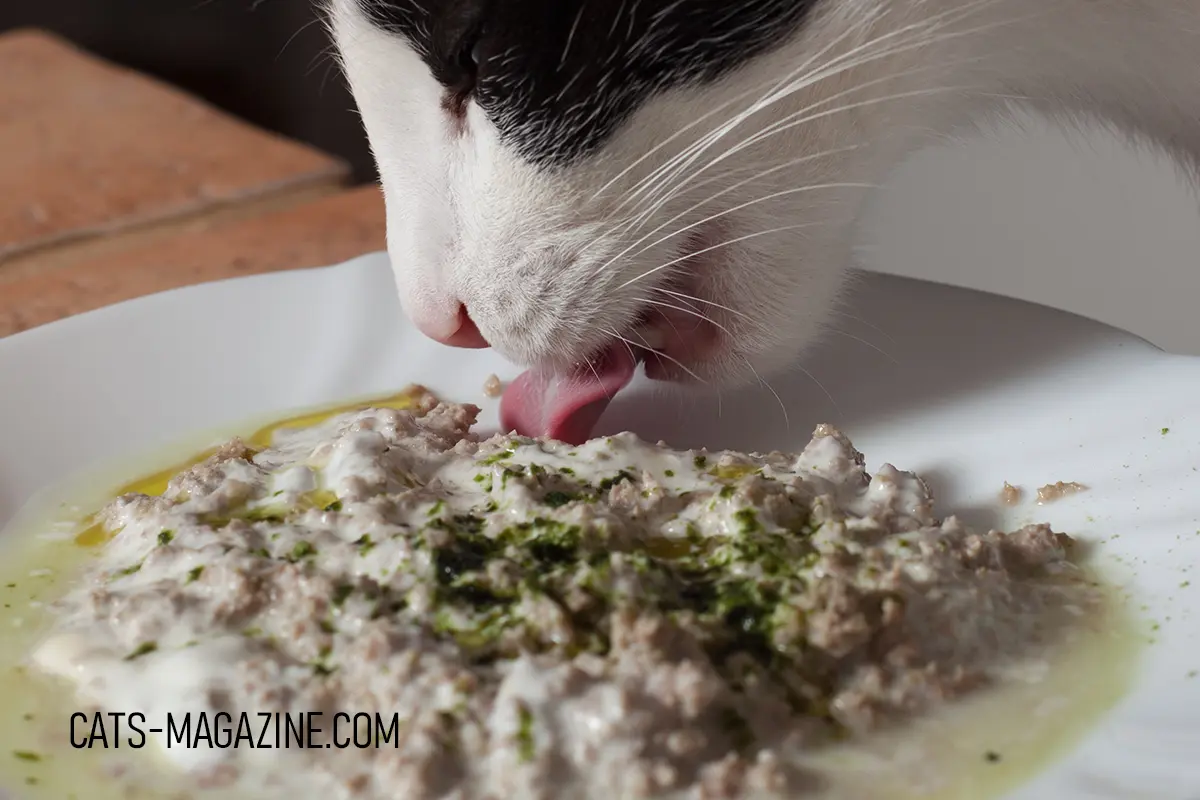
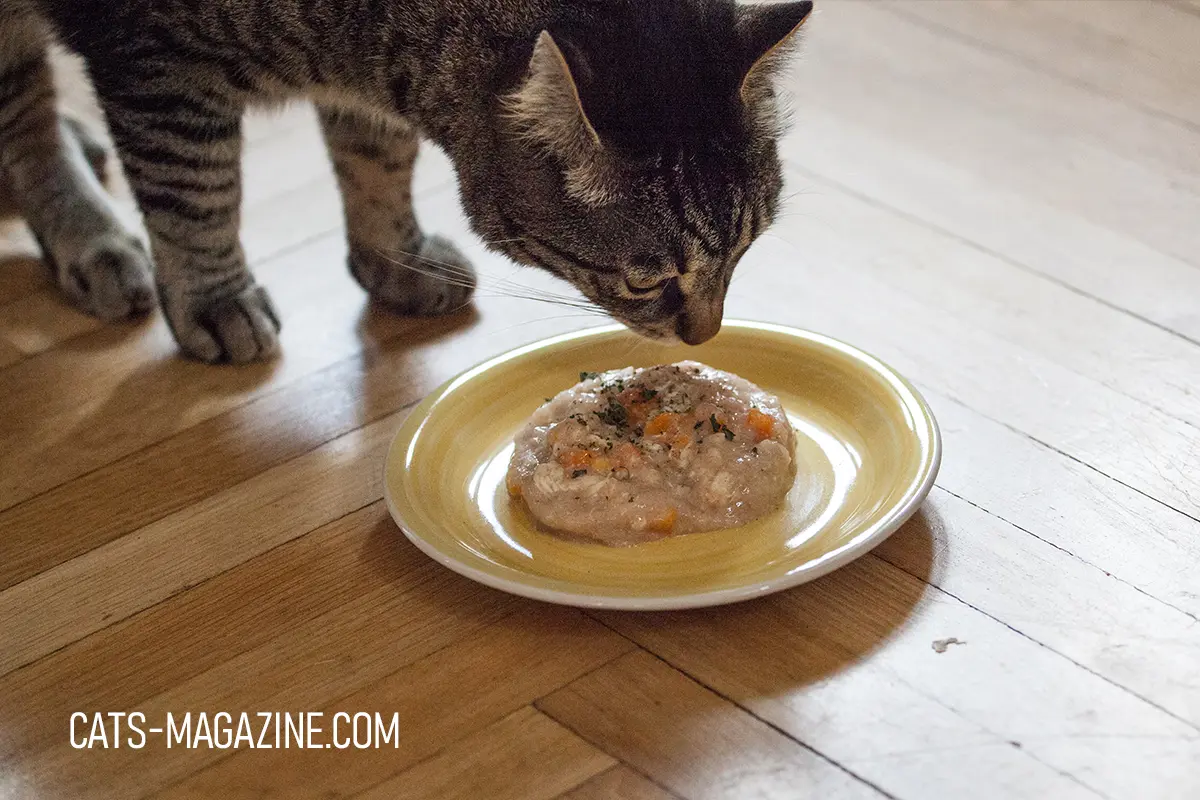
Some cats will accept small amounts of safe vegetables when mixed properly into their food.
What Vegetables Can Cats Eat Safely?
If you’re wondering what vegetables cats can eat, these are generally considered safe in small, occasional portions.
1. Carrots
Cooked carrots are one of the safest vegetables for cats.
They are:
- soft when cooked
- low in calories
- rich in beta carotene
Some cats enjoy tiny pieces of cooked carrot mixed into food.
Raw carrots should be avoided because they are too hard and can be a choking hazard.
2. Pumpkin
Pumpkin is one of the most commonly recommended vegetables for cats. In my article Can Cats Eat Pumpkin?, I explain when pumpkin can support digestion and how to serve it safely.
It can help support digestion and is often used when cats have mild constipation or diarrhea. Pumpkin purée (plain, unsweetened) is usually the safest form.
3. Peas
Peas are sometimes found in commercial cat food formulas.
They contain:
- fiber
- vitamins
- small amounts of plant-based nutrients
However, they should only be given occasionally and in very small amounts.
4. Zucchini
Cooked zucchini is soft and easy to digest.
It contains:
- potassium
- vitamin C
- fiber
Many cats ignore it, but it is considered safe if offered in tiny portions.
5. Broccoli
Broccoli is safe in small quantities if cooked and chopped finely.
Too much broccoli can cause digestive upset, so moderation is important.
Vegetables Cats Should Avoid
Not all vegetables are safe for cats.
Some are toxic or irritating, even in small amounts.
Onions
Onions are extremely dangerous for cats.
They can damage red blood cells and cause hemolytic anemia.
All forms are dangerous:
- raw onions
- cooked onions
- onion powder
Garlic
Garlic belongs to the same plant family as onions and is also toxic for cats.
Even small amounts can lead to poisoning.
Chives
Chives may look harmless, but they are also part of the Allium family, which is toxic to cats.
Raw Potatoes
Raw potatoes contain solanine, a compound that can be toxic.
Cooked plain potatoes are sometimes tolerated, but they provide very little nutritional value for cats.
Do Cats Even Need Vegetables?
This is the most important thing to understand.
Cats do not need vegetables.
Their bodies require:
- animal protein
- taurine
- specific amino acids
- fats from animal sources
Vegetables should only be considered tiny optional extras, never a major part of a cat’s diet.
If you’re preparing homemade meals, it’s important to follow balanced recipes or vet-informed guidelines. I answer the most common questions in my guide DIY Cat Food FAQ – 25 Common Questions About Homemade Cat Food.
Why Some Cats Like Greens (Cat Grass Explained)
Some cats seem strangely attracted to plants.
The most common explanation is cat grass, which many cats chew to help digestion or hairball control.
I explore this topic in more detail in my guide Why Your Cat Needs Cat Grass – Fun, Healthy, and Easy to Grow.
Tito sometimes treats lettuce as if it were cat grass.
Pierre, on the other hand, barely touches it.
Myratz occasionally sniffs it and walks away like an aristocrat who has just inspected something unworthy.
Cats are wonderfully unpredictable.
Can Vegetables Help Cats With Digestion?
In certain cases, small amounts of vegetables like pumpkin can support digestion.
Veterinarians sometimes recommend pumpkin purée for:
- mild constipation
- mild diarrhea
- digestive balance
But vegetables should never replace proper nutrition.
If your cat has ongoing digestive issues, it’s much more important to focus on balanced meals and high-quality protein. In my guide Homemade Food for Cats: Vet-Approved Recipes and Tips, I explain how to prepare safe homemade meals.
Final Thoughts
Cats can safely eat small amounts of vegetables like pumpkin, carrots, peas, zucchini, and broccoli. However, vegetables should only be occasional treats because cats are obligate carnivores and need animal protein as the main part of their diet.
So, what vegetables are safe for cats?
Only a few vegetables—like pumpkin, carrots, peas, zucchini, and broccoli—are safe in small amounts.
But the truth is simple:
Cats are carnivores, and most of them aren’t particularly interested in vegetables anyway. Vegetables don’t make a cat healthier — balanced animal-based nutrition does.
Tito ignores them.
Pierre avoids them like philosophical poison.
And Myratz… well, Myratz only wants olives.
And honestly, that might be the most cat answer of all.
If you want to feed your cat safely at home, start with simple, balanced recipes instead of experimenting randomly with vegetables. If you enjoy preparing food for your cat, you might also like my Beef & Barley homemade cat food recipe, which is one of my cats’ favorites.