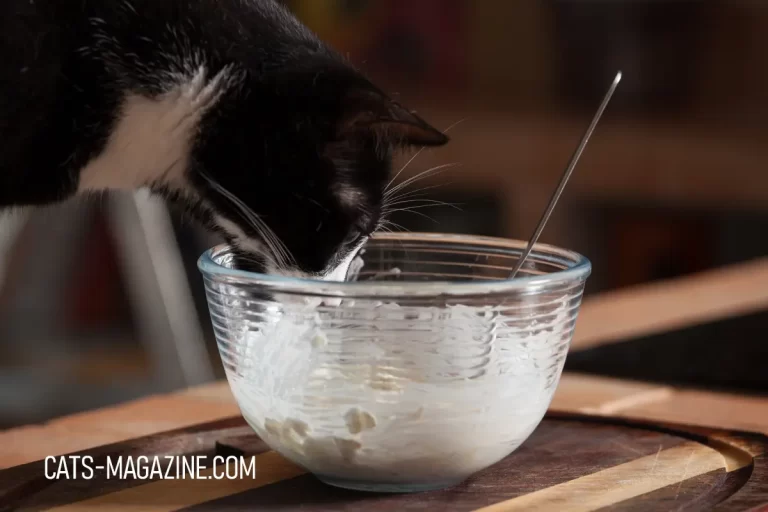
Ever wondered why your cat turns into a tiny food critic? This guide explores why cats are picky eaters – from biology and whisker fatigue to taste and texture quirks. You’ll find real solutions, a homemade fishball recipe, and easy feeding tips inspired by Tito, Pierre, and Myratz that’ll finally earn your cat’s culinary approval.
If your cat has ever sniffed a full bowl of food and walked away like you offended them personally – welcome, you’re among friends.
Table of Contents
The Gourmet Cat: Why Felines Become Picky Eaters
So, why are some cats fussy eaters? Ever felt like a personal chef for your cat, only to have them reject your ‘gourmet’ dish with a look of pure disappointment? You’re not alone! If you’re searching for picky cat eating solutions that actually work, you’re in the right place. I’ve tested everything from fishballs to feeding psychology – with Tito’s judgmental stare guiding me every step.
Understanding why cats are so selective about food can help you serve up meals they’ll actually eat (without the dramatic stares of disapproval). Let’s dive into the science behind their picky habits!

Inside the Feline Mind: The Science of Pickiness
If you’ve ever wondered why are cats picky eaters, the answer lies in a fascinating mix of biology, instincts, and even a few surprising quirks.
Limited Taste Buds
One major reason is their limited number of taste buds. Humans have around 9,000, while cats only have about 470. This means that, for cats, taste takes a backseat to smell and texture when it comes to choosing food. If the aroma isn’t enticing or the texture feels off, your cat will likely reject the meal – no matter how tasty it might seem to us.
Obligate Carnivores
Cats are strict meat-eaters by nature. As obligate carnivores, they require a diet rich in animal protein and essential amino acids like taurine. If a food lacks these crucial nutrients, many cats will instinctively avoid it. Their pickiness is actually a survival trait designed to keep them healthy in the wild.
Caution Around New Foods
Unlike dogs, who often dive headfirst into new foods, cats are cautious by design. This wariness protects them from accidentally consuming toxic or spoiled substances. So if you’ve ever introduced a new food only to have it sniffed and ignored, don’t take it personally – it’s just their natural instinct at work.
Whisker Fatigue & Other Mealtime Mysteries
Here’s a lesser-known reason why cats refuse food. If you notice your cat eating only from the center of their bowl or batting food onto the floor, whisker fatigue might be the culprit. A cat’s whiskers are packed with sensitive nerve endings. Deep, narrow food bowls can overstimulate them, causing discomfort or even pain.
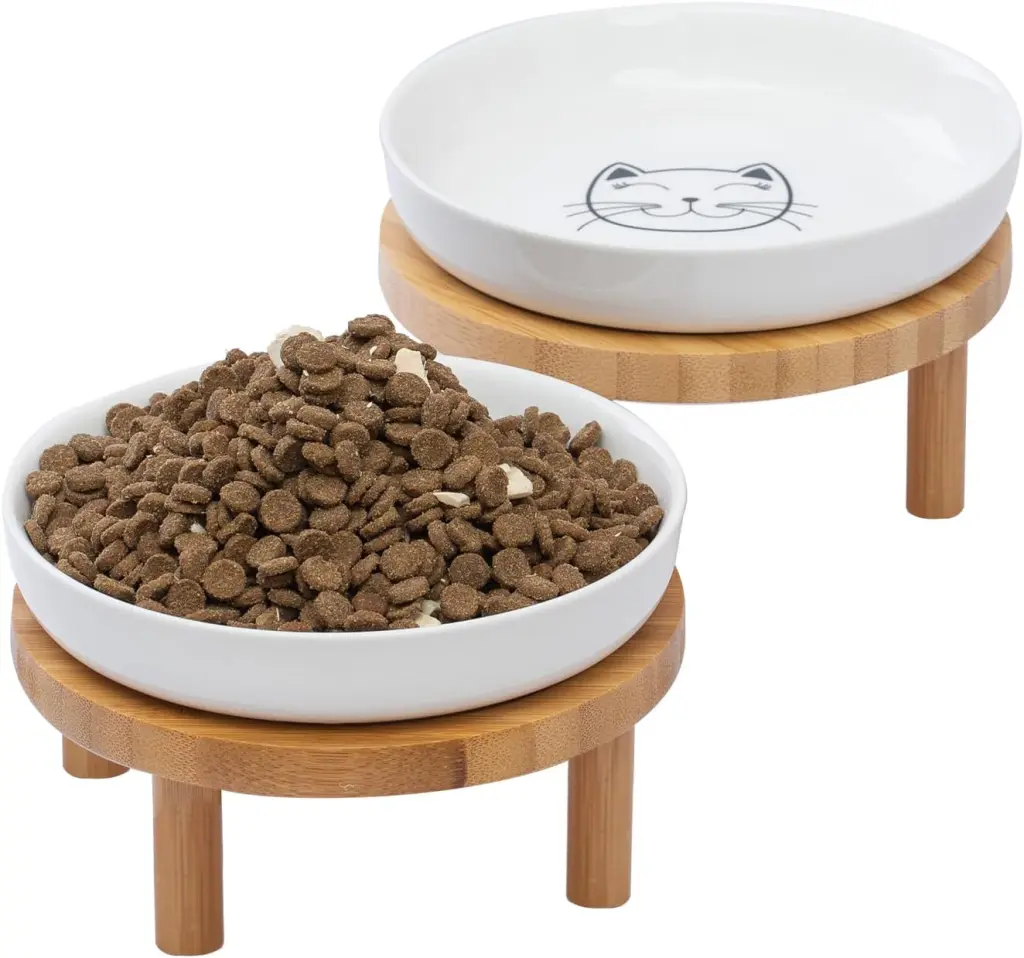
Solution: Switch to wide, shallow dishes or elevated bowls to make mealtime more comfortable.

Cooking for Your Cat: A Personal Touch That Works
If you’ve ever wondered why cats are picky eaters, you’re not alone. Many cat caregivers find themselves experimenting with homemade meals to please their finicky felines. Preparing fresh, nutritious food at home can be a great way to ensure your cat gets exactly what they like. One of the favorite homemade treats among my little taste-testers? Fishballs!
Fishballs for Felines: A Picky Eater’s Favorite Treat
- Prep Time: 10 minutes
- Cook Time: 15 minutes
- Servings: 1-2 meals
Ingredients:
- 1 cup cooked salmon (or tuna)
- 1 egg
- 1 tablespoon parsley
- 1/4 cup grated cheese
- 1 teaspoon brewer’s yeast
- A pinch of chopped catnip
If your cat is a cheese fanatic (Tito totally is), you can make an easy no-bake treat with just a few ingredients. These Cheese Cat Treats are a quick homemade cat food recipe that even your laziest feline will roll for.
If your cat’s a culinary critic like mine, they might enjoy reading about my latest experiment in fruit-tasting: Can Cats Eat Watermelon (And Other Surprising Fruits)?
Homemade Treat for Picky Cats: Salmon Fishballs Recipe
Instructions:
1. Prep the Oven
Start by preheating your oven to 350°F (175°C). Give it a few minutes to reach that purr-fect temperature while you get the rest ready.
2. Blend the Good Stuff
In a food processor, combine the salmon, egg, fresh parsley, grated cheese, a sprinkle of brewer’s yeast, and a touch of catnip. Blend until the mixture is smooth and irresistible. Your cat might already be circling like a shark.
3. Shape with Love
Scoop out small portions of the mixture and roll them into little treat-sized balls. Think mini truffles for cats. Place them on a baking sheet lined with parchment paper – easy cleanup, and no sticking!
4. Bake to Perfection
Slide the tray into the oven and bake for about 12 to 15 minutes. They’re ready when they’re lightly golden and firm to the touch, like a proper snack should be.
5. Cool and Serve
Let the treats cool completely before serving. Trust me – your cat will be sniffing the air with wide eyes. Once cooled, present them like the proud chef you are, and prepare for some serious purring!
Note: This recipe is a treat or complementary meal, not a full diet replacement. Always consult your veterinarian before adding new foods to your cat’s diet.
Homemade meals like this are just one of many picky cat eating solutions I’ve tried with success (and some dramatic failure).

More Homemade Ideas for Finicky Foodies
If your picky eater enjoyed these fishballs, they’ll go wild for these delicious DIY recipes:
Beefy Bites – A protein-packed snack your feline will absolutely adore.
Chicken Meowy Jello – A fun, wobbly treat for cats who love variety.
Homemade Cat Treats: Tuna Cookies – Crunchy, fishy goodness for the ultimate cat-approved snack.
If your picky eater has you second-guessing every recipe, don’t miss my full DIY Cat Food FAQ – it’s packed with practical tips (and taste-test fails) from life with Tito, Pierre, and Myratz.
Get all the recipes here!
Speaking of Cat Food… Did You Know Whisker Fatigue is Real?
Yes, whisker fatigue is a thing, and it can make mealtime uncomfortable for your kitty! To keep your cat happy and stress-free, try using shallow plates that won’t brush against their sensitive whiskers. And if the plates are elevated? Even better! This simple change can make a world of difference for your furry friend’s dining experience.
Picky Cat Eating Solutions That Actually Work
If you’ve ever found yourself pleading with your cat to eat – while they glare at you like you just served cardboard – you’re not alone. Many cat parents wonder why are cats picky eaters, especially when they offer the best quality food money can buy. The truth? Cats are complex, and their eating habits are shaped by biology, past experiences, and sometimes, just pure feline attitude!
Here are some tried-and-true strategies to encourage even the fussiest cat to embrace mealtime:
Offer a Variety of Proteins
One of the most common reasons why cats turn up their noses is boredom. Even though cats are creatures of habit, eating the same protein every day can make them lose interest. Rotate between cat-safe proteins like chicken, turkey, fish, and rabbit. Some cats even prefer novel proteins like duck or venison. Switching things up can reignite their curiosity at the food bowl.
Slow and Steady Introductions
Cats are naturally cautious about new foods – a survival trait inherited from their wild ancestors. When introducing a new diet, blend it gradually with the current food over 7 to 10 days. This slow transition not only prevents rejection but also avoids upsetting their sensitive digestive systems.
Set Regular Mealtimes
Sometimes it’s because they don’t have a routine. Unlike grazing animals, cats do best with set mealtimes. Feeding them at the same times each day creates a dependable pattern, training their appetite and making them more receptive to new foods.
Serve Food at the Right Temperature
Here’s a small but powerful tip: many cats dislike cold food. Meals straight from the fridge can lose their aroma, which is a huge turn-off for cats who rely heavily on their sense of smell to stimulate appetite. Warm the food slightly (just to room temperature) to enhance the scent and flavor.
Keep Their Dish Clean
Cats have extremely sensitive noses. What smells fine to us might be offensive to them. Leftover oils or residue from previous meals can spoil and make the next meal unappetizing. Wash your cat’s food dishes daily with mild soap and water. This simple habit can make a world of difference in how your cat perceives their meals.
Understand Texture Preferences
Many picky eaters are also selective about texture. Some cats prefer pâté-style wet food, while others enjoy chunks in gravy or dry kibble. Pay attention to which textures your cat seems to prefer and try to stick with those to avoid mealtime drama.
Remember: If your cat’s pickiness becomes extreme – causing weight loss, lethargy, or other health concerns – always consult your veterinarian. Sometimes underlying medical issues (like dental pain or gastrointestinal problems) can make cats hesitant to eat.
But pickiness isn’t always about preferences – sometimes it’s a symptom.
Hidden Medical Reasons Behind Picky Eating
Not all picky eating is attitude – sometimes it’s pain. Cats are masters at hiding discomfort, so the only visible sign may be a sudden refusal to eat. Before assuming your cat is being dramatic, rule out these common medical causes:
Dental pain:
Inflamed gums, tooth resorption, and infected roots can make chewing uncomfortable. Cats may lick gravy but avoid chunks, or walk away after a few bites.
Nausea or stomach sensitivity:
Gastritis, food allergies, or mild pancreatitis can cause a low appetite. Cats might pace, sniff food, then turn away.
Kidney issues:
Early kidney changes often cause nausea, making picky eating one of the first symptoms.
Upper respiratory infections:
If your cat can’t smell well, they won’t eat. Smell drives appetite far more than taste.
Arthritis in older cats:
Posture discomfort can make it hard to reach bowls – especially deep ones.
If your cat’s picky eating is new, sudden, or accompanied by weight loss, lethargy, vomiting, or drooling, always schedule a vet check. Medical pickiness can be fixed – but only if you know it’s there.
If any of these sound familiar, always rule out health issues before experimenting with diet changes.
Still Struggling? Try These Smart Feeding Fixes
If you’ve been asking yourself why are cats picky eaters every time you serve up a new food only to watch your cat walk away unimpressed – you’re not alone! The good news? Some brands truly understand feline taste buds and offer recipes that even the most selective cats will approve.
If you’ve tried everything and your cat still refuses food, switching brands strategically can help. Look for foods that are:
- High in animal protein (cats are obligate carnivores, after all)
- Free from fillers and artificial additives
- Gentle on sensitive stomachs
Many picky eaters also prefer recipes that mimic the taste and texture of fresh prey, which is why some high-quality brands focus on grain-free, limited-ingredient diets.
Find the best options here and take the guesswork out of feeding your picky cat!
This article is part of all-in-one indoor cat care guide, with feeding, behavior, and wellness advice.
Understanding a Cat’s Diet: The Key to Long-Term Health
By understanding why are cats picky eaters, you can make better food choices that satisfy their instincts and nutritional needs. Whether you’re choosing a premium commercial food or cooking homemade treats, the goal is to offer a balanced and appealing meal.
More Picky Cat Wisdom (and answers to why are cats picky eaters):
- Homemade Cat Food for Sensitive Stomachs – Tito’s Tummy Tale
- How to Feed Your Cat the Right Way – The Lifesaving Carnivore’s Guide
- 25 Common Questions About DIY Cat Food – Answered with Love and Experience
And if you’re looking for a homemade recipe to try, Fishballs Recipe is a purr-fect choice!
Veterinary Sources & Evidence-Based References
Below are trusted veterinary nutrition resources that support the information in this article. These organizations publish science-based guidelines on feline dietary needs, supplements, and safe homemade feeding practices:
- FEDIAF – Nutritional Guidelines for Complete & Complementary Pet Food for Cats and Dogs
European Pet Food Federation - AAFCO – Cat Food Nutrient Profiles
Association of American Feed Control Officials - AAFP – Feline Nutrition Guidelines
American Association of Feline Practitioners - Cornell Feline Health Center – Nutrition Resources
Cornell University College of Veterinary Medicine - Merck Veterinary Manual – Nutritional Requirements of Cats
Merck & Co., Veterinary Division - VCA Animal Hospitals – Homemade Diet Risks & Considerations
Veterinary Centers of America - Journal of Feline Medicine and Surgery (JFMS)
Peer-reviewed studies on feline dietary deficiencies, taurine metabolism, and nutritional standards
These references reflect widely accepted veterinary nutrition principles, which I use to guide homemade feeding in my own home – always in consultation with a qualified veterinarian.
Amazon Affiliate Disclaimer
Please note that links from Cats-Magazine.com to Amazon.com are affiliate links. This means that if you click on a link and make a purchase, we may receive a small commission at no extra cost to you. This helps support our work and allows us to continue providing valuable content. Thank you for your support! 🐾 Read our full Affiliate Disclosure for more details.