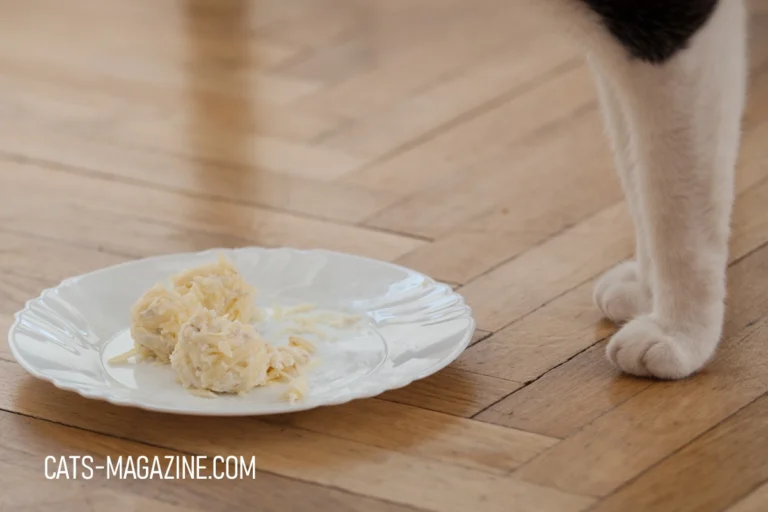
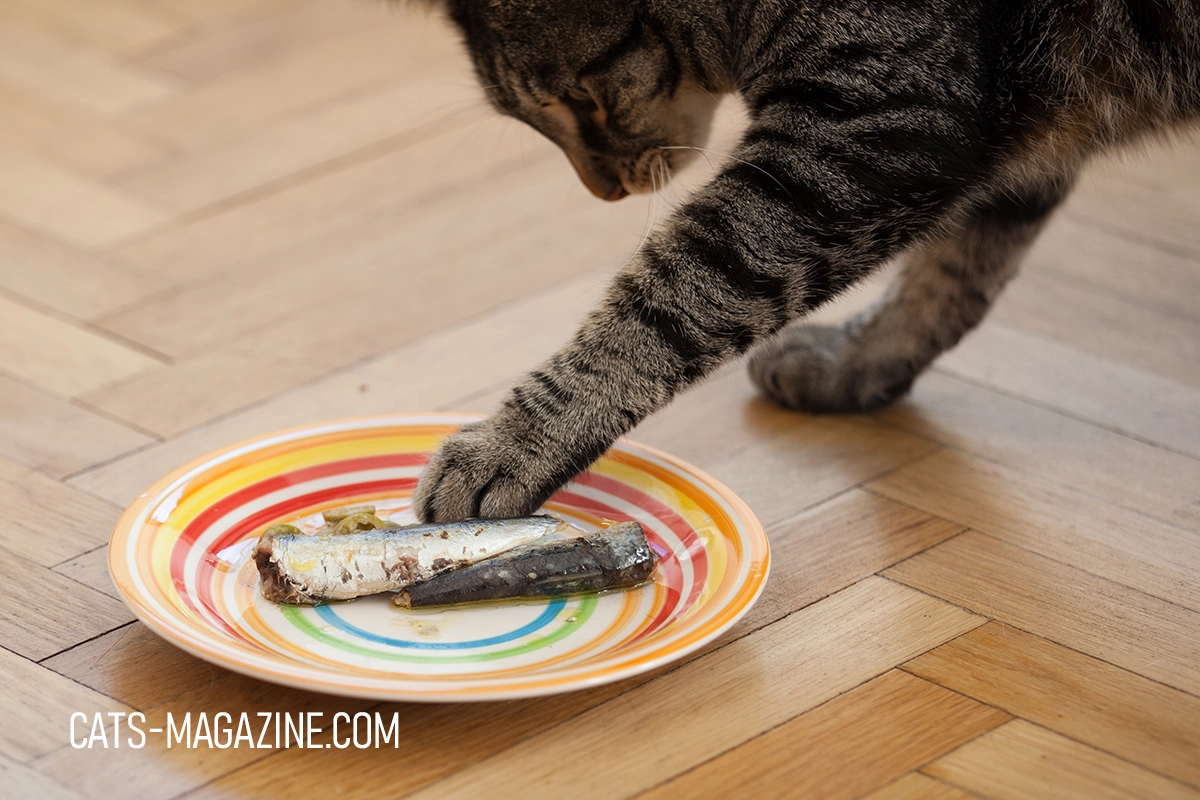
This sardine cat food recipe turns fresh sardines into a simple, omega-3 rich homemade meal for cats. Easy to bake and naturally high in protein, it works best as an occasional topper or treat. Below you’ll find step-by-step instructions, feeding guidance, and important safety tips.
Table of Contents
Why I Love Making Homemade Cat Food
I prepare simple homemade meals like this because I know exactly what goes into the bowl — no added salt, no seasonings, just fresh fish prepared safely.
Sardines outrank tuna for lower mercury, making them a safer fishy treat.
Why Sardines Are Good for Cats
Sardines provide several nutrients that benefit cats:
- Omega-3 fatty acids (EPA & DHA) – support skin, coat, and joint health
- Lean protein – helps maintain muscle
- Taurine & B-vitamins – important for heart and eye function
- Lower mercury levels than larger fish – safer when fed occasionally
That said, sardines are not a complete diet on their own. I use this sardine cat food recipe as a topper once or twice a week and rotate with poultry or beef.
Vet Reality Check: No single protein is “complete.” I offer Sardine Surprise twice a week as a topper. For full-time homemade, add a feline premix like Balance It or EZComplete and consult your vet.
Sardine Cat Food Recipe
Sardines are packed with omega-3 fatty acids, protein, and essential nutrients that support your cat’s skin, coat, and overall health. This recipe works as a delicious treat or a supplement to their regular diet.
- Prep Time: 5 minutes*
- Cook Time: 15 minutes
- Servings: 7-8 meals
* It depends on whether you’ve bought them already cleaned and gutted.
Ingredients (7–8 servings)
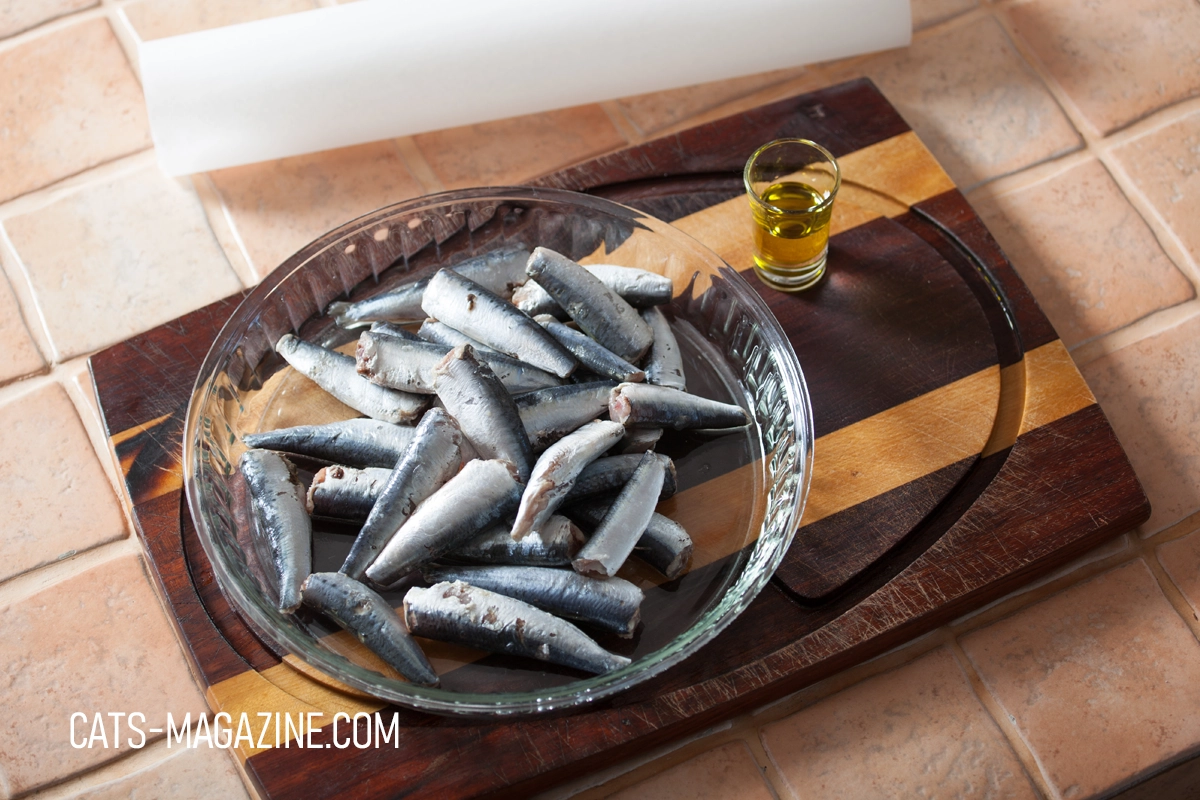
- 1 kg / 2 lb fresh sardines, cleaned & deboned
- 1 Tbsp olive or salmon oil
- Optional: 2 pitted green olives, minced fine (some cats go wild)
Equipment
- Baking tray + parchment
- Sharp knife (or friendly fishmonger)
- Airtight tubs for leftovers
Instructions:
1. Prep the Sardines
Ensure sardines are cleaned and deboned. Rinse gently and pat dry.
2. Prepare the Baking Tray
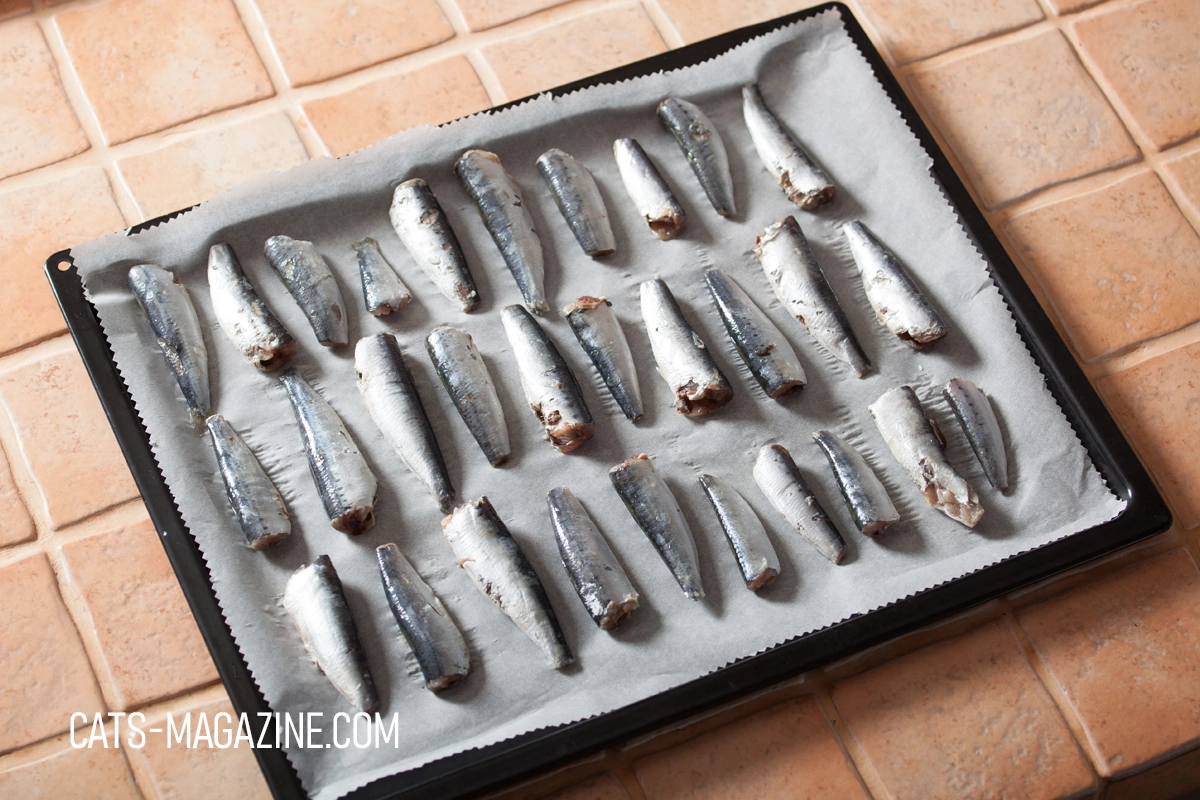
Line a baking tray with parchment paper. Place sardines in a single layer.
3. Bake
Preheat oven to 180°C (350°F). Bake for 10–15 minutes until soft and flaky.
4. Add the Final Touch
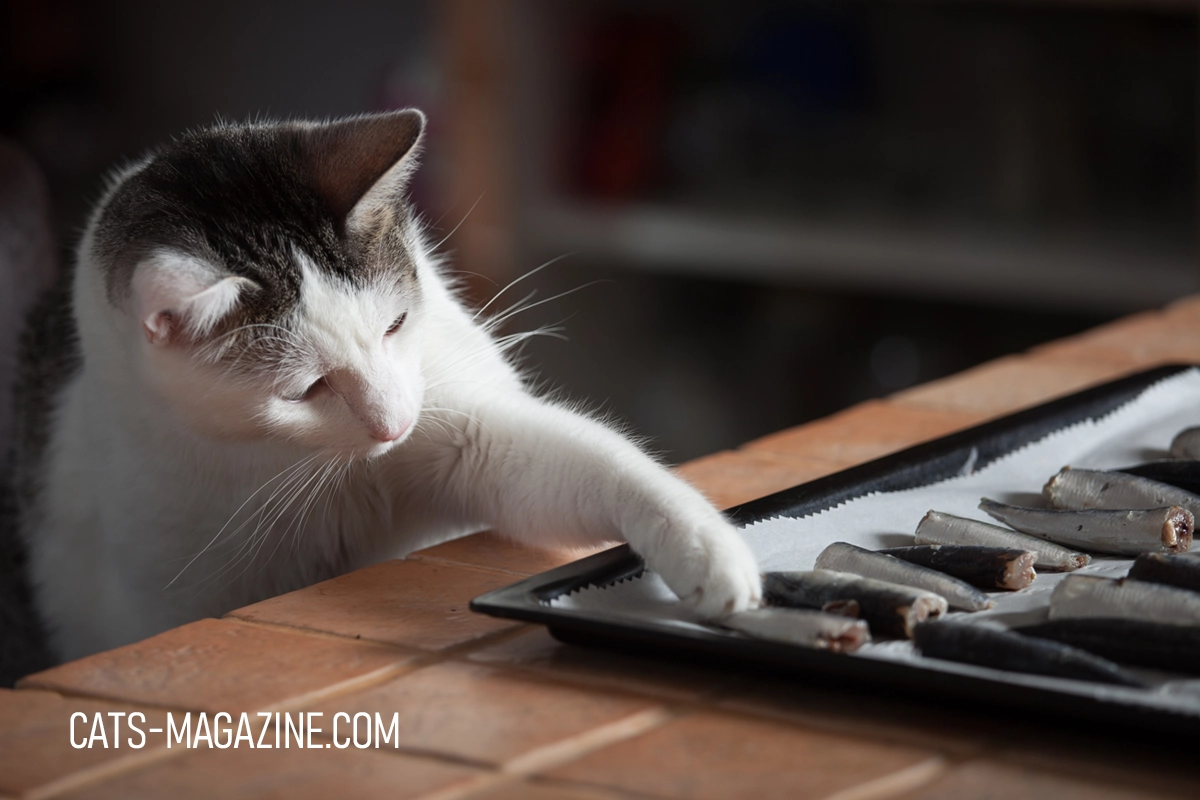
Allow to cool completely. Drizzle lightly with olive or salmon oil if desired.
5. Serve
Offer a small portion as a topper or treat. Always introduce new foods gradually.
Feeding & Safety Tips
- Feed sardines in moderation — fish should not be the only protein source.
- Rotate with poultry or beef to prevent nutrient imbalances.
- Avoid garlic, onion, salt, or seasoning.
- If using canned sardines, choose water-packed only — no salt or oil.
- For long-term homemade feeding, consult a veterinarian about balanced supplementation.
Fish-based meals can support coat shine and joint comfort, but balance is essential.
If you’re unsure whether you’re meeting all your cat’s dietary needs, check out this must-read article on how to feed your cat the right way – it breaks down portion sizes, meat types, and key nutrients.
When feeding fish-based recipes like this one, rotate with poultry or beef meals to prevent vitamin E depletion. Fish is amazing for coat and joints – just don’t rely on it as the only protein source.
Frequently Asked Questions
Can cats eat sardines every day?
No. Sardines are nutritious but should be rotated with other protein sources.
Are canned sardines safe for cats?
Only if packed in water with no salt, oil, or seasoning.
Do sardines provide enough taurine?
They contain taurine but are not sufficient for a complete long-term homemade diet without supplementation.
Helpful Homemade Cat Food Guides
If you’re exploring homemade meals for your cat, these guides may help:
• DIY Cat Food FAQ – answers to the most common questions about safety, taurine, supplements and balanced meals
• Best Supplements for Homemade Cat Food – what I personally use for Tito, Pierre and Myratz
• How to Make Homemade Cat Food Safely – essential nutrients every homemade meal must include
• Simple Homemade Cat Food Recipes – more easy meal ideas for picky cats
Veterinary Sources & Evidence-Based References
Below are trusted veterinary nutrition resources that support the information in this article. These organizations publish science-based guidelines on feline dietary needs, supplements, and safe homemade feeding practices:
- FEDIAF – Nutritional Guidelines for Complete & Complementary Pet Food for Cats and Dogs
European Pet Food Federation - AAFCO – Cat Food Nutrient Profiles
Association of American Feed Control Officials - AAFP – Feline Nutrition Guidelines
American Association of Feline Practitioners - Cornell Feline Health Center – Nutrition Resources
Cornell University College of Veterinary Medicine - Merck Veterinary Manual – Nutritional Requirements of Cats
Merck & Co., Veterinary Division - VCA Animal Hospitals – Homemade Diet Risks & Considerations
Veterinary Centers of America - Journal of Feline Medicine and Surgery (JFMS)
Peer-reviewed studies on feline dietary deficiencies, taurine metabolism, and nutritional standards
These references reflect widely accepted veterinary nutrition principles, which I use to guide homemade feeding in my own home – always in consultation with a qualified veterinarian.
If you try this sardine cat food recipe, feel free to share how your cat responded.
Amazon Affiliate Disclaimer
Please note that links from Cats-Magazine.Com to Amazon.Com are affiliate links. This means that if you click on the link and make a purchase, we may receive a small commission at no extra cost to you. This helps support our work and allows us to continue providing valuable content. Thank you for your support!