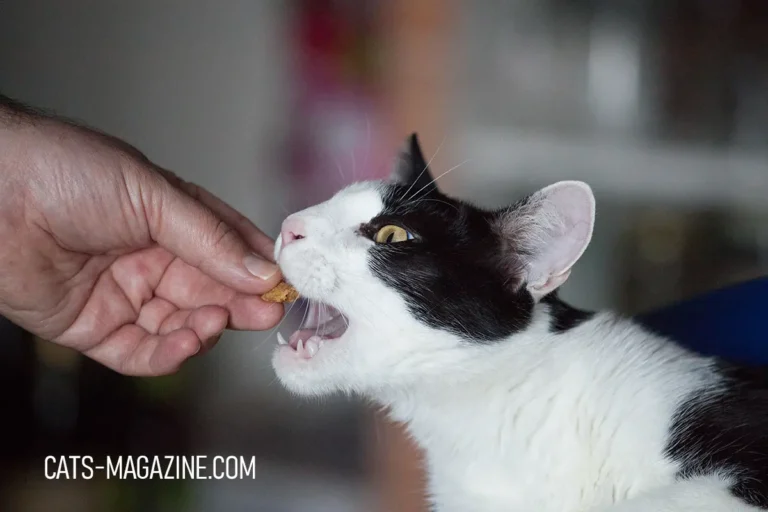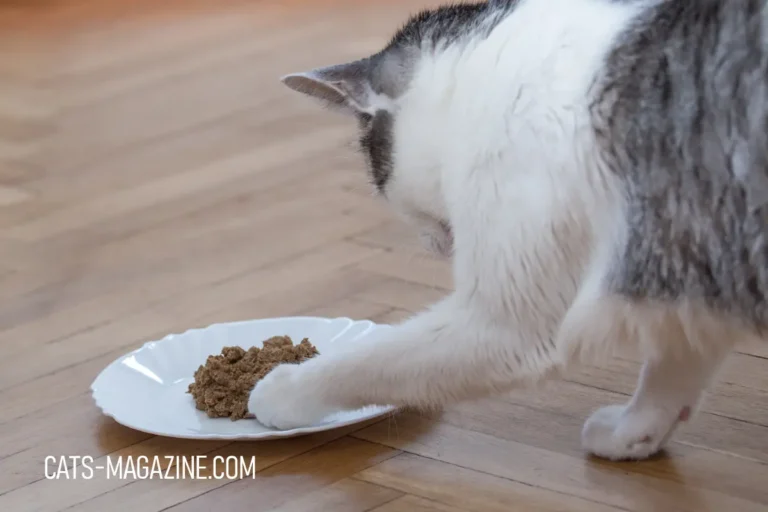
This Chicken Meowy Jello recipe is a playful and nutritious way to start making homemade cat food. Packed with lean chicken, oatmeal, and a splash of broth, it’s perfect as a chilled treat or occasional meal topper. Learn how to prepare it step by step, and get vet-approved tips for keeping your kitty happy and healthy!
Table of Contents
If you’re in the mood for making homemade cat food but want something a little… quirky, you’re going to love this one. Chicken Meowy Jello is a wobbly, chilled, surprisingly nutritious treat that cats find irresistible (or at least deeply fascinating).
It’s simple, fresh, and perfect as a fun occasional meal – and yes, it looks just as cute as it sounds.
Let’s make some Meowy Jello magic.
Making Homemade Cat Food: Chicken Meowy Jello Recipe
- Prep Time: 10 minutes
- Cook Time: 25 minutes
- Servings: 2-3 meals
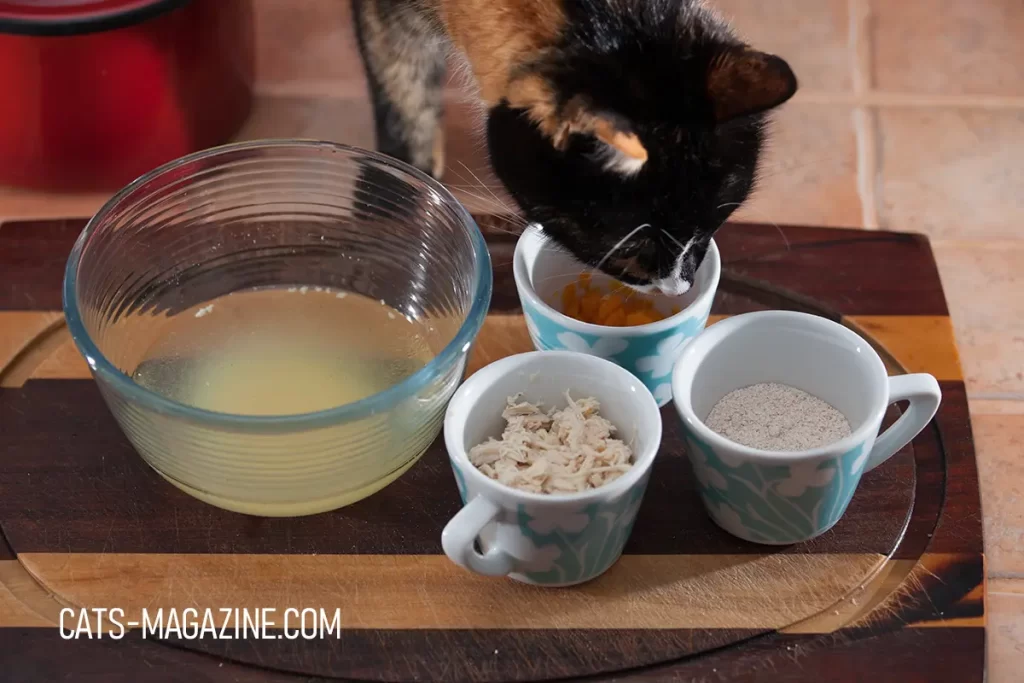
Ingredients:
- 2 boneless, skinless chicken breasts
- 2 cups of chicken broth (low sodium, no seasoning)
- 1 medium carrot (optional but adds a nice touch)
- 1/2 cup finely ground oatmeal (for texture)
- A pinch of catnip or a sprig of parsley for decoration
Instructions:
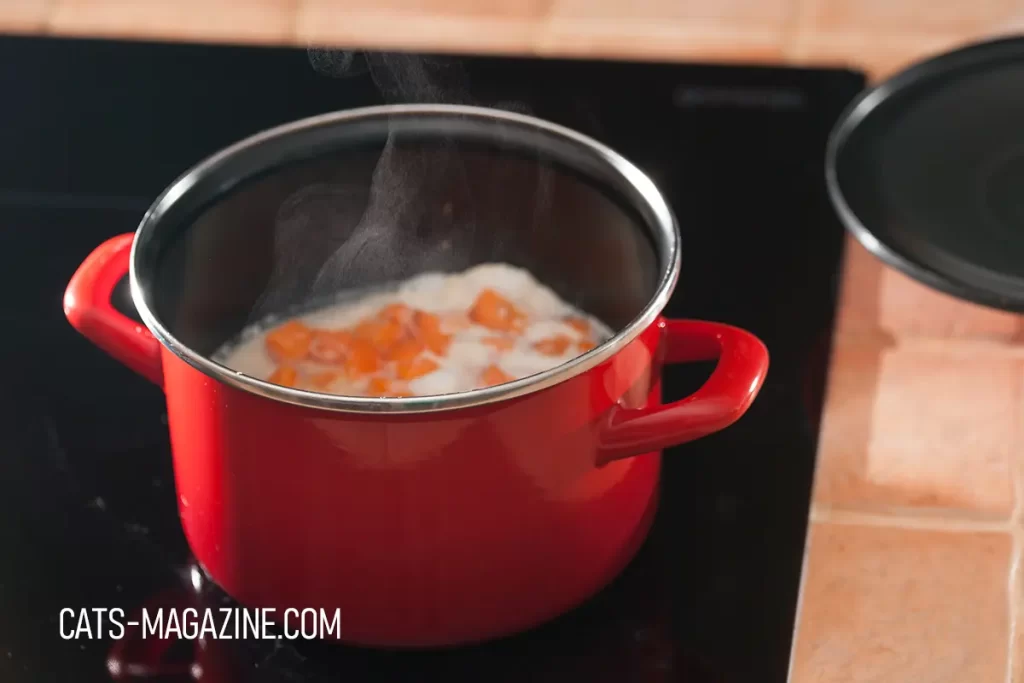
1. Cook the Chicken and Carrot
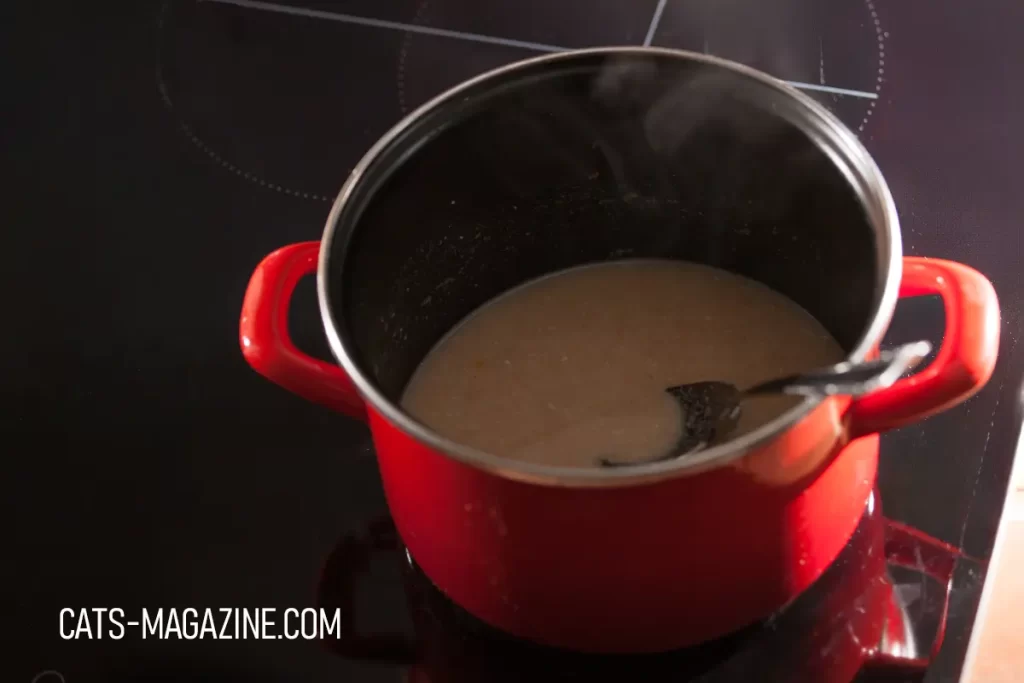
In a pot, bring water to a boil and add the chicken breasts and carrot. Simmer until the chicken is fully cooked and the carrot is soft.
2. Prepare the Oatmeal
Remove the cooked chicken and carrot from the pot, setting them aside. Add the finely ground oatmeal to the remaining chicken broth and stir continuously until it thickens into a smooth consistency.
3. Chop and Combine
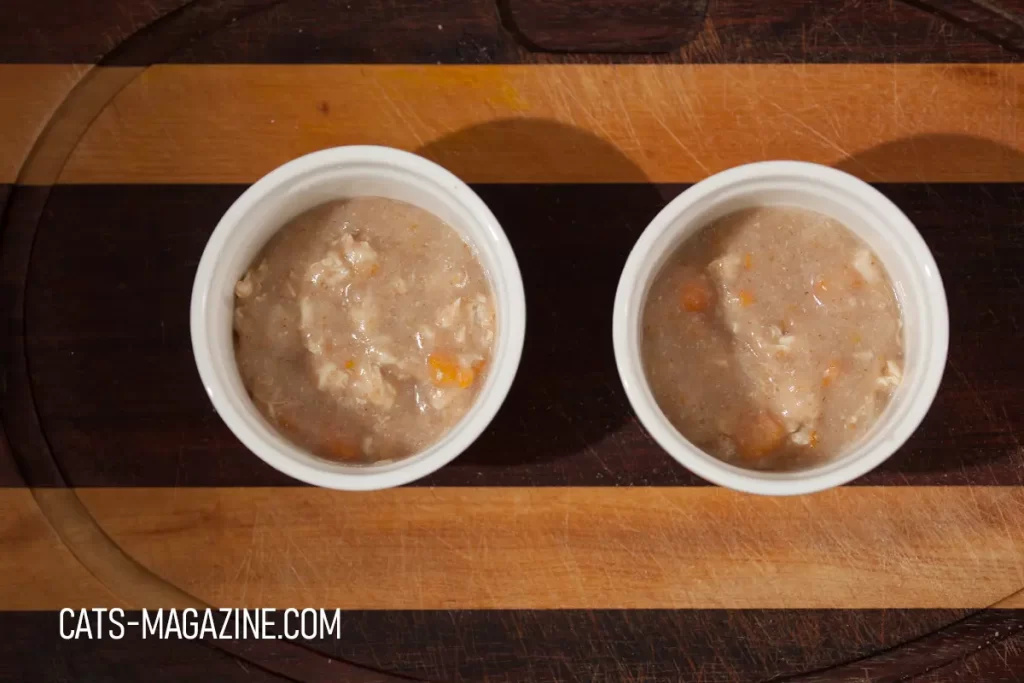
Dice the chicken and carrot into small, bite-sized pieces. Mix them thoroughly with the thickened oatmeal to create a soft, mushy texture.
4. Shape and Chill
Pour the mixture into small molds, silicone trays, or shallow bowls. Refrigerate until it sets into a jello-like consistency.
5. Serve with Love
Just before serving, add a pinch of catnip for extra feline appeal or a tiny sprig of parsley for a fresh touch. Serve chilled and watch your cat enjoy their homemade treat!
Want to try other paw-some chicken recipes? Check out my guide: Easy Homemade Chicken Cat Food Recipes – Healthy & Vet-Approved. It’s packed with healthy ideas and super easy instructions.
Tips for Making Homemade Cat Food
- Variety is Key: Cats love variety! Rotate different proteins like turkey, fish, or beef to keep things interesting.
- Check with Your Vet: Before making any dietary changes, consult with your veterinarian to ensure your cat is getting all the essential nutrients.
- Avoid Toxic Ingredients: Never include onions, garlic, chocolate, or other foods harmful to cats.
- Freshness Matters: Always use fresh, high-quality ingredients for the best nutrition.
If you’re just starting out with making homemade cat food, here’s a helpful FAQ.
Speaking of Cat Food… Did You Know Whisker Fatigue is Real?
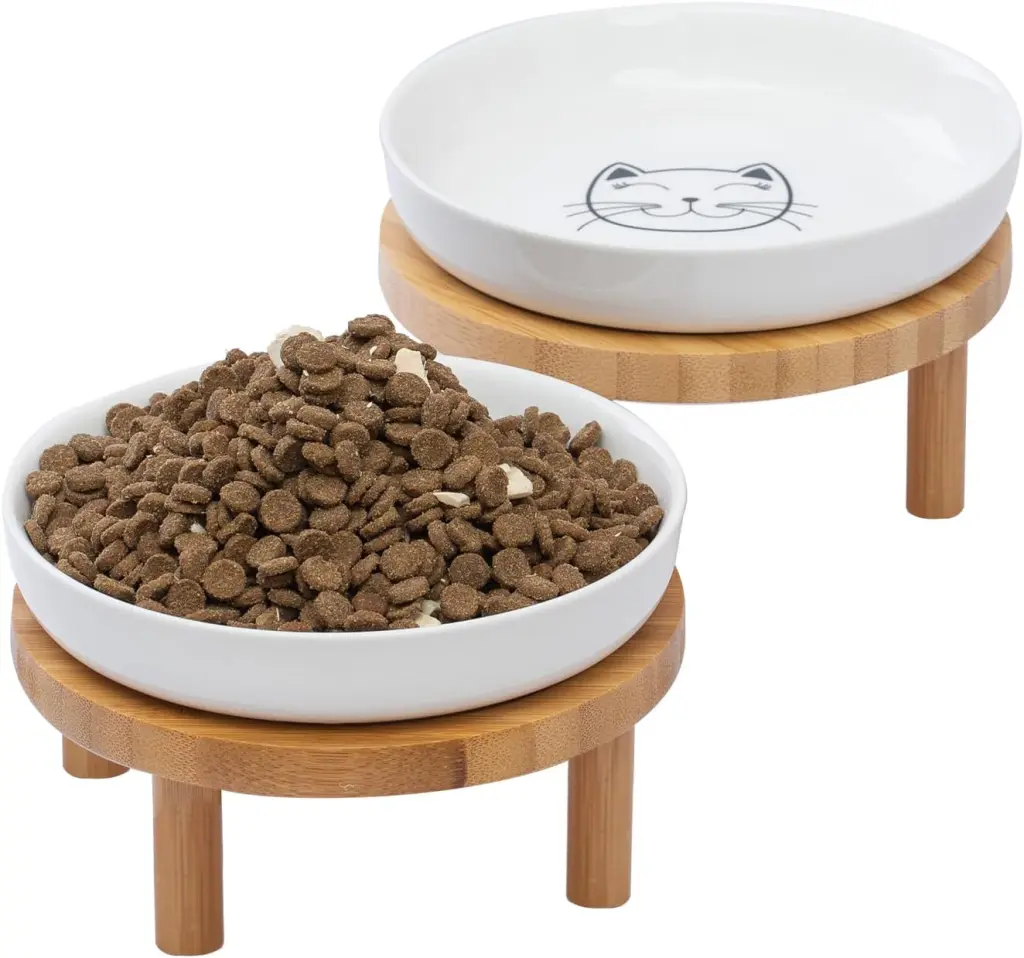
Yes, whisker fatigue is a real thing! If your cat seems hesitant to eat, try serving food on shallow plates to avoid unnecessary pressure on their sensitive whiskers. Elevated bowls can also make mealtime more comfortable.
My Cats’ Verdict
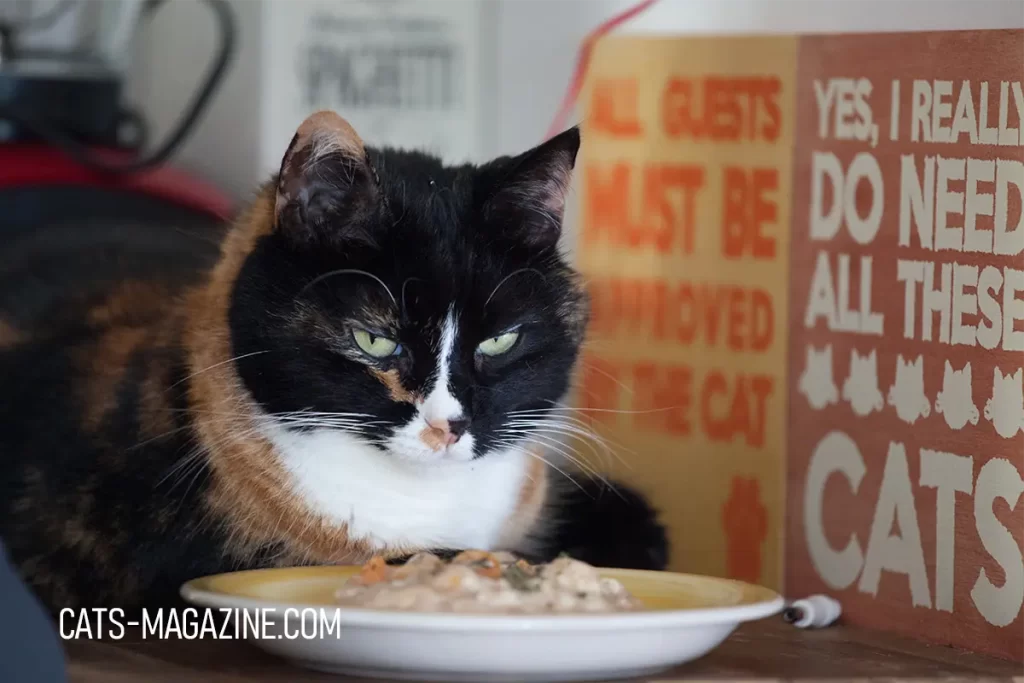
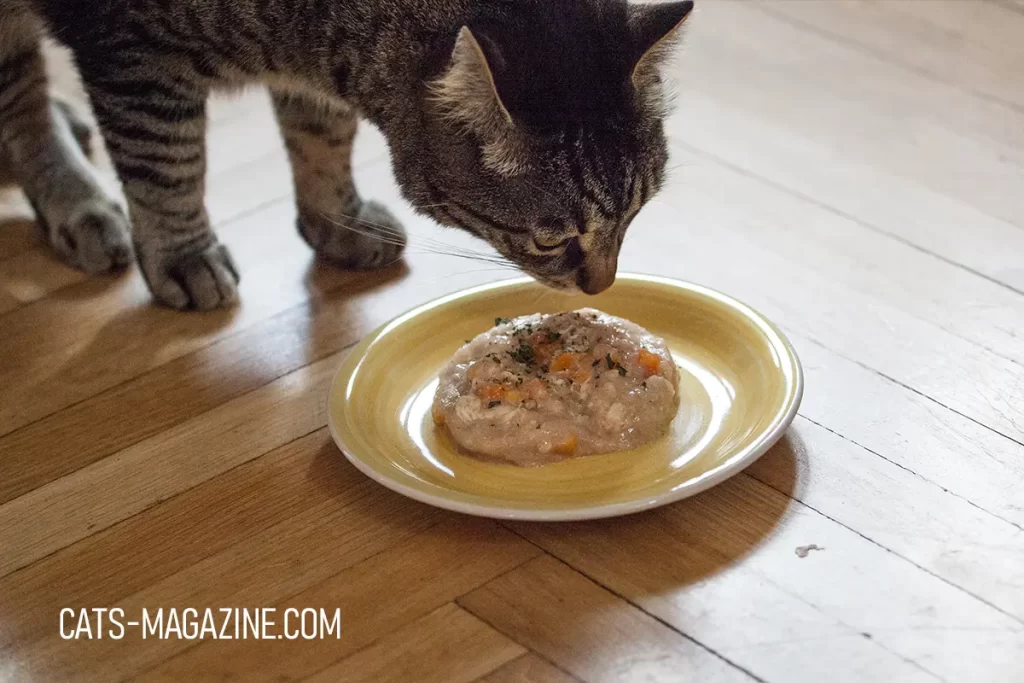
The reviews in my household were… mixed! Poofah, my calico queen, turned her nose up, but Myratz, my adventurous tabby, gobbled it up. Every cat is different, so if your kitty doesn’t love it right away, don’t be discouraged – making homemade cat food is all about experimenting with slight modifications to suit their taste.
Once your cat finishes their jello feast, watch them do the “post-dinner zoomies.” Here’s why: Funny Cat Behaviors Explained – Why They Do What They Do
Why Your Cat Will Love Homemade Food
Fresh Ingredients: No artificial preservatives or mystery additives.
Tailored to Their Taste: Making homemade cat food means you control the ingredients and can adjust to your cat’s preferences.
Bonding Moment: Preparing food for your cat is a loving gesture they’ll appreciate (even if they don’t say it out loud)!
Spread the Word!
Let’s share the love! Making homemade cat food is a fantastic way to keep our feline friends happy and healthy. If you try this recipe, I’d love to hear about it! Drop a message and let me know if your kitty enjoyed Chicken Meowy Jello!
Cats are obligate carnivores, meaning their diet must be primarily meat-based. This recipe is intended as an occasional treat or complementary meal, not a complete and balanced diet. If serving homemade food regularly, consider adding feline-specific supplements to ensure proper nutrition. Always consult your vet before making any dietary changes.
More Easy Cat Food Recipes to Try!
Looking for more homemade cat food recipes? In addition, choose from these easy and nutritious meals to keep your feline friend happy and healthy:
- Beefy Barley Delight – Protein-packed feast with a wholesome touch of fiber for optimal digestion.
- Crispy Salmon – A crunchy, omega-rich delight.
- Chicken Liver Pâté – A smooth and nutritious spread.
Making homemade cat food can be a fun and rewarding way to pamper your pet. Give Chicken Meowy Jello a try and see if it becomes your cat’s new favorite treat!
For the full collection of my favorite go-to recipes (and tips on how to keep them balanced and vet-approved), check out 10 simple homemade cat food recipes – it’s the ultimate starting point for every aspiring cat chef!
Related Homemade Cat Food Guides
If you’re exploring homemade meals for your cat, these guides may help:
• DIY Cat Food FAQ guide – answers to the most common questions about safety, taurine, supplements and balanced meals
• Best Supplements for Homemade Cat Food – what I personally use for Tito, Pierre and Myratz
• How to Make Homemade Cat Food Safely – essential nutrients every homemade meal must include
• Simple Homemade Cat Food Recipes – more easy meal ideas for picky cats
Veterinary Sources & Evidence-Based References
Below are trusted veterinary nutrition resources that support the information in this article. These organizations publish science-based guidelines on feline dietary needs, supplements, and safe homemade feeding practices:
- FEDIAF – Nutritional Guidelines for Complete & Complementary Pet Food for Cats and Dogs
European Pet Food Federation - AAFCO – Cat Food Nutrient Profiles
Association of American Feed Control Officials - AAFP – Feline Nutrition Guidelines
American Association of Feline Practitioners - Cornell Feline Health Center – Nutrition Resources
Cornell University College of Veterinary Medicine - Merck Veterinary Manual – Nutritional Requirements of Cats
Merck & Co., Veterinary Division - VCA Animal Hospitals – Homemade Diet Risks & Considerations
Veterinary Centers of America - Journal of Feline Medicine and Surgery (JFMS)
Peer-reviewed studies on feline dietary deficiencies, taurine metabolism, and nutritional standards
These references reflect widely accepted veterinary nutrition principles, which I use to guide homemade feeding in my own home – always in consultation with a qualified veterinarian.
Amazon Affiliate Disclaimer
Please note that links from Cats-Magazine.Com to Amazon.Com are affiliate links. This means that if you click on the link and make a purchase, we may receive a small commission at no extra cost to you. This helps support our work and allows us to continue providing valuable content. Thank you for your support!