
Table of Contents
A Special Cat Treats for My Cat(s) – And Yours!
If you’re searching for homemade cat treats that are simple, protein-rich, and free from unnecessary additives, this tuna cookie recipe is a practical place to start.
Commercial treats often contain fillers, starches, and artificial flavorings. Making homemade cat treats allows you to control the ingredients and keep things simple — which is especially helpful for cats with sensitivities.
This version has been tested in my kitchen (with strong approval from Tito).

Homemade Cat Treats: Tito’s Favorite Tuna Cookie Recipe
These homemade cat treats are crunchy, quick, and totally cat-approved.
- Prep Time: 15 minutes
- Cook Time: 10 minutes
- Servings: 6-8 meals
Ingredients:
- 1 can of tuna (in water, drained)
- 1/2 cup oat flour (optional, minimal)
- 1/4 cup corn flour (optional, minimal)
- 1 tablespoon melted coconut butter – or optional salmon oil

Instructions:
1. Preheat your oven
Preheat your oven to 350°F (175°C).
2. Mash the tuna
In a bowl, mash the tuna with a fork until it’s smooth.
3. Add the flours
Stir in oat flour and corn flour, mixing well until combined.
4. Pour in the coconut butter
Add melted coconut butter and mix until a soft dough forms.
5. Shape the treats
Roll the dough into tiny bite-sized balls or get fancy with a cookie cutter for fun shapes!
6. Arrange on a baking sheet
Place your creations on a baking sheet lined with parchment paper.
7. Bake
Bake for 8-10 minutes until they turn beautifully golden brown.
8. Cool before serving
Let them cool down completely.
Pro Tip: These homemade cat treats stay fresh for up to a week in an airtight container. For longer storage, freeze them and thaw before serving!
Preparing homemade cat treats is a fun way to give your cat fresh, wholesome snacks without the fillers or artificial additives found in many commercial treats. These crunchy tuna cookies are perfect as an occasional reward, training treat, or just a little “I adore you” moment – but remember they complement a balanced feline diet rather than replace it. With simple ingredients, safe preparation, and a little guidance from your veterinarian, you can confidently enjoy making homemade kitty treats your cat will devour with joy.
Even healthy homemade cat treats should stay under 10% of your cat’s daily calories. Cats have tiny nutritional margins, so too many treats – even the good ones – can unbalance their diet or cause weight gain. A few crunchy tuna bites go a long way!

Taste Test
Tito’s Response
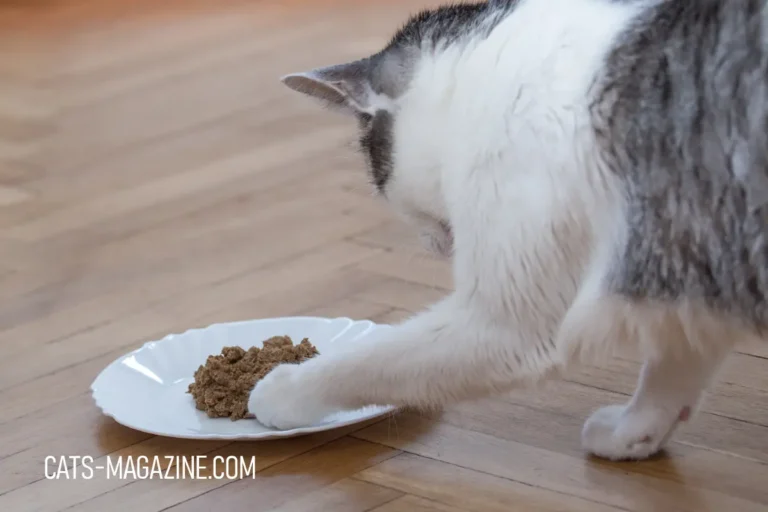
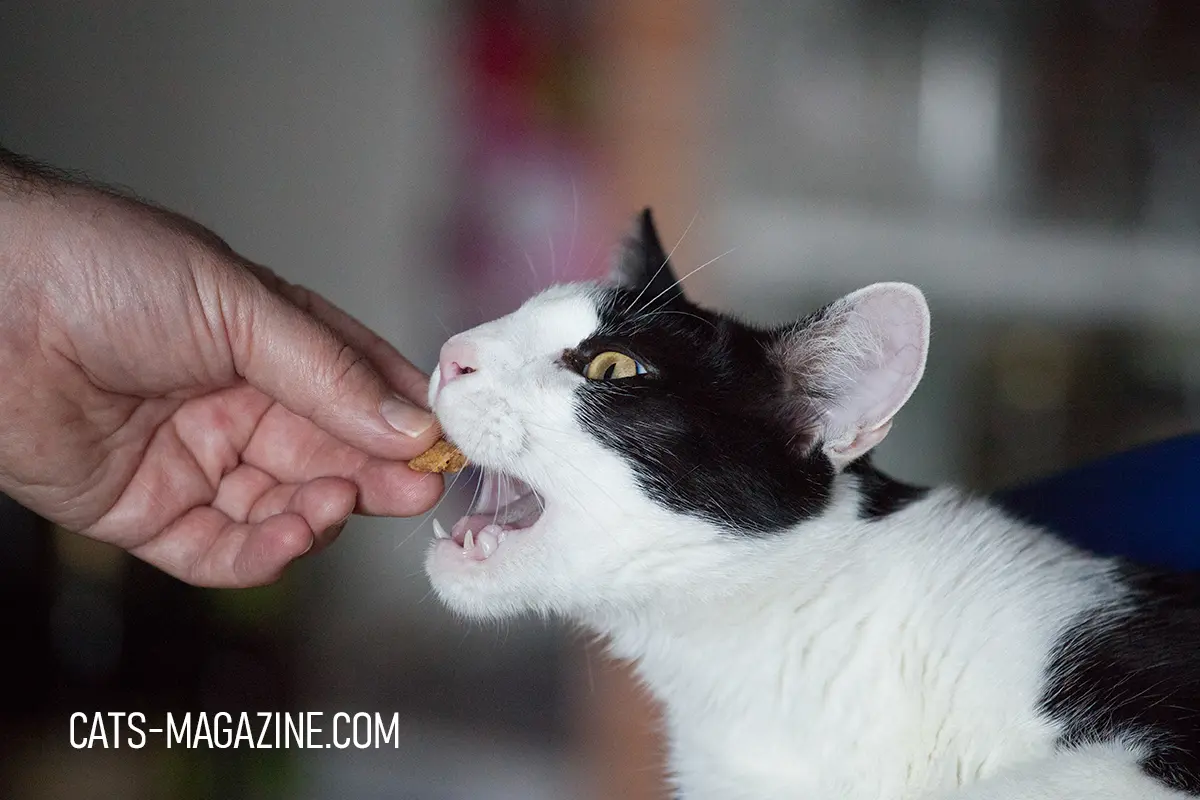
When I first offered these homemade cat treats, Tito investigated cautiously, then returned for more — always a positive sign in this house.

Why Homemade Cat Treats Are a Great Idea
1. Ingredient Control
You decide exactly what goes into the recipe — no artificial flavors or preservatives.
2. Simpler Formulas
Many cats do better with fewer ingredients.
3. Cost-Effective
Basic pantry ingredients can be more affordable than premium commercial treats.
For even more tips on safe ingredients, prep methods, and storage, you’ll find tons of helpful info in my DIY Cat Food FAQ – it’s the resource I wish I had when I first started cooking for my cats.
For cats with sensitive tummies, I also have a gentle homemade food recipe that helped Tito recover. It’s simple, vet-approved, and tummy-friendly.

How Often Should You Give Your Cat Treats?
Treats should be just that – a treat! Experts recommend that treats shouldn’t make up more than 10% of your cat’s daily calories. These tuna cookies are great for occasional rewards but shouldn’t replace regular meals.
Homemade cat treats can be a simple way to add variety and enrichment to your cat’s routine. Always remember that treats complement a balanced diet rather than replace it.
Have you tried making homemade treats for your cat? Drop a comment on Facebook and let me know how your kitty liked it!
More Homemade Cat Food Recipes to Try!
If your cat loved this Kitty Treats Recipe, why stop there? Here are a few more homemade cat food ideas that your feline friend will adore:
Fishballs Recipe – Soft, protein-packed fish bites that are easy to make and irresistible to cats.
Chicken Liver Pâté – A creamy, iron-rich delight that’s perfect as a special treat.
Beefy Bites – Tasty, chewy beef treats for meat-loving kitties.
Cheese Cat Treats – A fun, protein-packed snack for extra energy and crunch.
Crispy Salmon – Crunchy salmon-based treats loaded with omega-3s for a healthy coat.
Homemade cat food is a great way to control ingredients and make sure your furry friend gets the best nutrition. Try these recipes and let me know which one your cat loved the most!
Want to level up from snacks to full meals? Try these easy homemade cat food recipes – all taste-tested by my own trio of feline critics.
Frequently Asked Questions
Are homemade cat treats healthier than store-bought?
They can be, if formulated with simple, species-appropriate ingredients.
Can cats eat tuna treats daily?
No. Tuna should be rotated and fed in moderation.
How many treats can I give per day?
Treats should stay under 10% of daily caloric intake.
Veterinary Sources & Evidence-Based References
Below are trusted veterinary nutrition resources that support the information in this article. These organizations publish science-based guidelines on feline dietary needs, supplements, and safe homemade feeding practices:
- FEDIAF – Nutritional Guidelines for Complete & Complementary Pet Food for Cats and Dogs
European Pet Food Federation - AAFCO – Cat Food Nutrient Profiles
Association of American Feed Control Officials - AAFP – Feline Nutrition Guidelines
American Association of Feline Practitioners - Cornell Feline Health Center – Nutrition Resources
Cornell University College of Veterinary Medicine - Merck Veterinary Manual – Nutritional Requirements of Cats
Merck & Co., Veterinary Division - VCA Animal Hospitals – Homemade Diet Risks & Considerations
Veterinary Centers of America - Journal of Feline Medicine and Surgery (JFMS)
Peer-reviewed studies on feline dietary deficiencies, taurine metabolism, and nutritional standards
These references reflect widely accepted veterinary nutrition principles, which I use to guide homemade feeding in my own home – always in consultation with a qualified veterinarian.
Related Homemade Cat Food Guides
If you’re exploring homemade meals for your cat, these guides may help:
• DIY Cat Food FAQ – answers to the most common questions about safety, taurine, supplements and balanced meals
• Best Supplements for Homemade Cat Food – what I personally use for Tito, Pierre and Myratz
• How to Make Homemade Cat Food Safely – essential nutrients every homemade meal must include
• Simple Homemade Cat Food Recipes – more easy meal ideas for picky cats