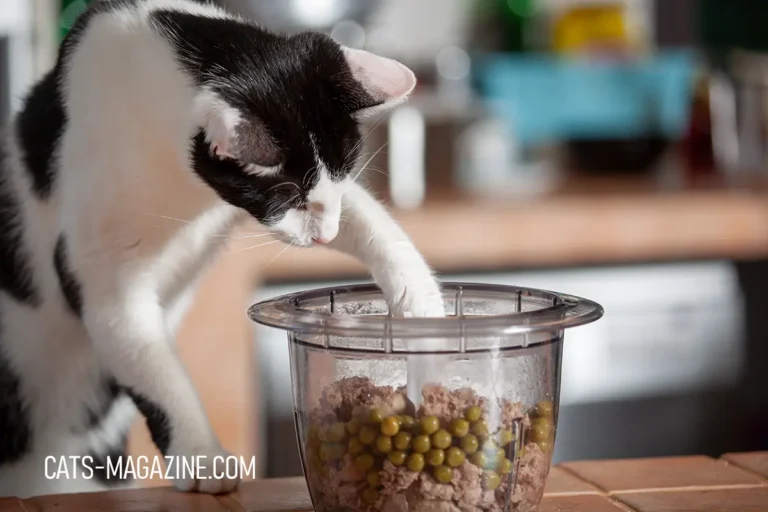
Learn how to make Chicken Liver Pâté for cats — a creamy, protein-rich homemade treat made with fresh chicken liver, carrots, and a splash of broth. Perfect as an occasional snack or meal topper.
Table of Contents
If you’re looking for a chicken liver cat food recipe that’s simple, protein-rich, and easy to prepare, this homemade pâté is a great occasional addition to your cat’s diet.
I like knowing exactly what goes into my cats’ bowls — no fillers, just real ingredients.
Why Chicken Liver?
Chicken liver is naturally rich in iron, vitamin A, and high-quality protein. Preparing it at home allows you to control ingredients and avoid unnecessary additives found in some commercial foods.
Chicken Liver Cat Food Recipe

This smooth, creamy pâté is packed with vitamins, iron, and protein, making it a perfect topper for dry food or a special treat for your feline friend.
- Prep Time: 10 minutes*
- Cook Time: 20 minutes*
Yield:
This batch makes 1–2 meals for bigger cats or 2–3 meals for smaller cats.
Ingredients:
- 1/2 pound / 225 g fresh chicken liver (cleaned and trimmed)
- 2 medium carrots, finely chopped
- 2 tbsp unsalted butter (for richness & flavor)
- A splash of water or low-sodium chicken broth
- A pinch of turmeric (optional, for its anti-inflammatory benefits)

Instructions:
1. Prep the Liver
Rinse the chicken livers thoroughly under cold water and pat them dry.
2. Sauté the Carrots
In a skillet, melt 1 tbsp of butter over medium heat. Add chopped carrots and sauté until soft and slightly golden.
3. Cook the Liver
Add the chicken livers to the skillet and cook until they are no longer pink inside. Be careful not to overcook – we want them tender, not tough!
Butter adds richness and texture, but can be reduced or omitted for cats with sensitive digestion or weight concerns.
4. Blend to Perfection
Let the mixture cool slightly, then blend it with a splash of broth (or water) and the remaining butter for a smooth, creamy texture.
Always remove any tough connective tissue before blending, as it can affect the texture and digestibility.
5. Add a Hint of Spice
A small pinch of turmeric can add health benefits, but it’s optional.
Use only a tiny pinch (less than 1/16 tsp) if you use it at all. Too much can upset a cat’s stomach.
6. Serve & Store
Let the pâté cool and serve at room temperature. Store leftovers in an airtight container in the fridge for up to 3 days.
Liver is one of the most nutrient-rich ingredients you can feed your cat – but it should be served in moderation! Too much can lead to vitamin A toxicity. That’s why this recipe is designed as a treat or meal topper, not a daily main dish.

Creative Serving Suggestions
- Serve as a meal topper over kibble for an extra flavor boost.
- Freeze in small portions (ice cube trays work great!) for a cool treat on hot days.
Looking for a no-cook treat instead? These Cheese Cat Treats are purr-fect for lazy Sundays.
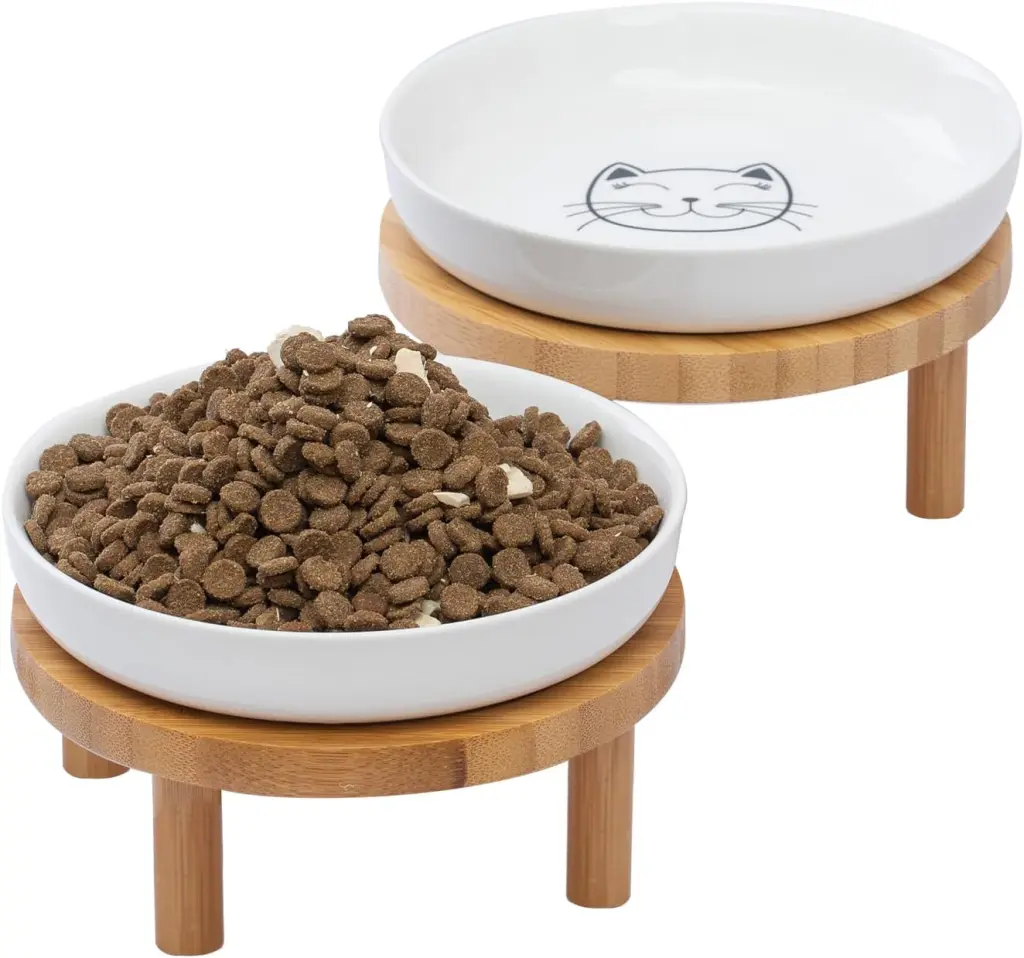
Speaking of Cat Food… Did You Know Whisker Fatigue is Real?
Cats rely heavily on their whiskers, and deep bowls can overstimulate them. A shallow, wide plate makes pâté-style recipes much easier and more comfortable to eat.
A Word of Caution
This pâté is rich and should be fed in moderation as part of a balanced diet. Always consult your vet before introducing new foods, especially if your cat has health conditions.

Cats are obligate carnivores, meaning they need a meat-based diet to stay healthy. While this recipe is packed with nutrients, it should complement their regular diet, not replace it.
Chicken liver naturally contains taurine, an essential amino acid cats require for heart and eye health. However, this recipe is designed as an occasional complementary meal, not a complete long-term diet. Balanced homemade feeding requires proper supplementation and veterinary guidance.
Have questions about balance, taurine, or storage? My DIY Cat Food FAQ has you covered.
If you try this chicken liver cat food recipe, feel free to share your experience.
Frequently Asked Questions
Can cats eat chicken liver every day?
No. Liver is nutrient-dense and should be fed in moderation due to vitamin A content.
Is chicken liver safe for kittens?
Small amounts may be safe, but always consult a veterinarian before introducing new foods.
Can I freeze this recipe?
Yes. Freeze in small portions for up to 2 months.
More Homemade Cat Food Resources
If you’re exploring homemade meals for your cat, these guides may help:
• DIY Cat Food FAQ guide – answers to the most common questions about safety, taurine, supplements and balanced meals
• Best Supplements for Homemade Cat Food – what I personally use for Tito, Pierre and Myratz
• How to Make Homemade Cat Food Safely – essential nutrients every homemade meal must include
• Simple Homemade Cat Food Recipes – more easy meal ideas for picky cats
Veterinary Sources & Evidence-Based References
Below are trusted veterinary nutrition resources that support the information in this article. These organizations publish science-based guidelines on feline dietary needs, supplements, and safe homemade feeding practices:
- FEDIAF – Nutritional Guidelines for Complete & Complementary Pet Food for Cats and Dogs
European Pet Food Federation - AAFCO – Cat Food Nutrient Profiles
Association of American Feed Control Officials - AAFP – Feline Nutrition Guidelines
American Association of Feline Practitioners - Cornell Feline Health Center – Nutrition Resources
Cornell University College of Veterinary Medicine - Merck Veterinary Manual – Nutritional Requirements of Cats
Merck & Co., Veterinary Division - VCA Animal Hospitals – Homemade Diet Risks & Considerations
Veterinary Centers of America - Journal of Feline Medicine and Surgery (JFMS)
Peer-reviewed studies on feline dietary deficiencies, taurine metabolism, and nutritional standards
These sources reflect widely accepted veterinary nutrition guidelines and inform my approach to homemade feeding.
Amazon Affiliate Disclaimer
Please note that links from Cats-Magazine.Com to Amazon.Com are affiliate links. This means that if you click on the link and make a purchase, we may receive a small commission at no extra cost to you. This helps support our work and allows us to continue providing valuable content. Thank you for your support!