
Table of Contents
Homemade Cat Food for Sensitive Stomachs – Why I Am Cooking for Tito
Two weeks ago, my sweet Tito started acting like his usual mischievous self – but with an unfortunate twist. Out of nowhere, he began vomiting more than just his usual post-cat-grass dramatics. This wasn’t his typical “I ate a lot of cat grass” episode. Nope. This time, something was clearly wrong.
Then came the litter box horror. And I don’t say that lightly.
We’re talking liquid chaos. Stinky, watery poo that could clear a room faster than a fire drill. Honestly, it was that awful!
Naturally, I freaked out just enough to pack us both up and head to the vet. And by “pack,” I mean wrangle Tito into his carrier while he screamed like I was taking his life.
At the vet, he was stoic – calm, cool, and suspiciously well-behaved. (Isn’t it always like that?) After a light check-up and an impressive side-eye from Tito, he got a 14-day antibiotic via injection, a vitamin boost straight into the vein, and the vet’s classic response: “Let’s monitor for three days.”
So, we waited.

A Little Better, But Still Stinky
After 72 hours of playing feline nurse and litter box inspector, I was cautiously hopeful. Tito had mostly stopped vomiting – no more mystery puddles of half-digested grass waiting for me like landmines in the hallway. His poop started to look a bit more like poop and a little less like soup, which felt like progress. Small victories, right?
But the smell? Oh, the smell. It could’ve knocked over a rhino. I don’t know how to describe it other than “swamp demon meets spoiled tuna with a grudge.” It lingered like a bad decision, creeping under doorframes and clinging to the air like a ghost of digestive disasters past.
Bye-bye, Giardia!
Something still wasn’t right. So, back to the vet we went. Tito wasn’t thrilled – his suspicious glare said, “Really? Again?” – but off we went, him in the carrier, me with a growing file of vet receipts and way too much Googled information about feline digestion.
This time, the vet recommended a blood test just to be safe. Tito was a drama queen about it, of course, letting out a drawn-out yowl that echoed through the clinic like a soap opera finale. But he was brave, and it was over quickly.
The results arrived the next day: mostly good news. No serious issues, no signs of anything alarming. But there was one curious thing – a slight hint that Tito might have picked up a parasite. The vet didn’t want to jump to conclusions, but she raised an eyebrow and asked, “Does he ever drink from standing water?”
I laughed. Because yes. Yes, he does.
Tito, my urban jungle cat, has a fondness for rainwater collected in flowerpot saucers and puddles on our terrace. He treats them like artisanal beverages. I swear, he imagines himself in a feline version of Survivor, living off the land (or, in this case, mossy puddles and stale leaves). It’s gross. It’s impossible to stop. And apparently, it’s how he might’ve picked up an unwanted guest like Giardia – a microscopic parasite that’s common, sneaky, and notorious for causing stinky, watery diarrhea in cats. Learn more about Giardia in cats from VCA Animal Hospitals
The vet suggested a course of fenbendazole, just in case. And while I waited for that to kick in, I realized I needed to do more than just medicate – I needed to support his recovery in the most natural, gut-soothing way possible.
That’s when I turned to homemade cat food for sensitive stomachs. It wasn’t just about pampering Tito – it was about giving his digestive system a break. Gentle food. Simple ingredients. No surprises. Just pure, bland goodness designed to calm the chaos inside his belly.
Pro-Pectalin – And a Trick for Giving It

Of course, no recovery journey is complete without one more thing, right? In our case, that thing was Pro-Pectalin – a probiotic paste meant to restore balance in the gut and help settle any lingering stomach drama. It’s a good product, often used for both dogs and cats, and it was the vet’s go-to suggestion alongside fenbendazole.
Sounds simple enough. Just give your cat a bit of paste. Easy.
Unless your cat is named Tito.
Tito took one sniff of the Pro-Pectalin tube and recoiled like I was offering him ghost pepper chili. He gave me the look – you know the one – all squinty eyes and flared nostrils, like I’d personally betrayed him. Then came the full Oscar-worthy performance. He acted like I was trying to poison him. Flailing. Gagging. Theatrics. Pure feline drama.
So I had to get creative.
Here’s the trick I discovered (vet-approved, Silvia-tested):
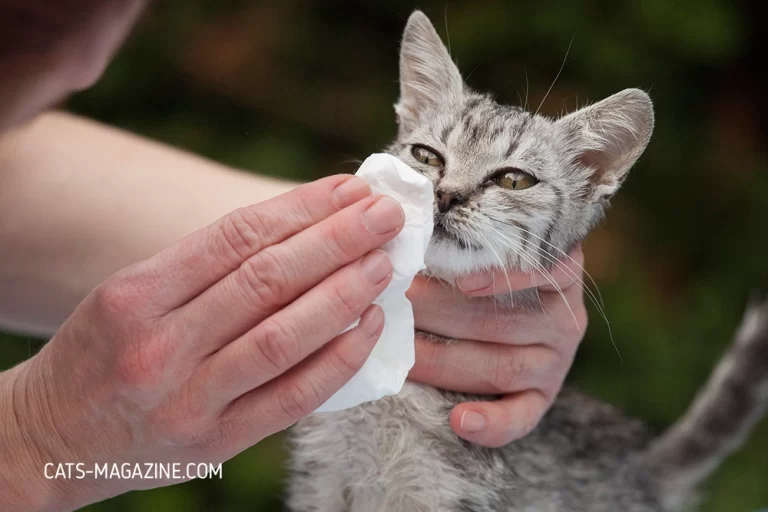
Stick a bit of the paste on your finger, then gently swipe it onto the roof of your cat’s mouth. They can’t spit it out. They can’t wipe it on your couch. They just… lick. And as much as Tito would never admit it, he actually got used to it after a few tries. It became our awkward little morning ritual.
While Pro-Pectalin did its probiotic magic, I was also relying heavily on homemade cat food for sensitive stomachs to give Tito’s belly every chance to recover.
And here’s something surprising I learned during this whole journey: pumpkin can actually help soothe sensitive feline stomachs too! It’s packed with gentle fiber that may ease both diarrhea and constipation in cats. But you need to know exactly what kind to use (no pie filling, ever!). I wrote all about it – with Tito’s personal pumpkin taste-test included – in this article on can cats eat pumpkin. It’s a weirdly helpful veggie that just might become your new secret weapon.
The paste helped rebuild healthy gut bacteria, while the gentle meals I prepared kept his digestion calm and easy. Between the two, we were finally – finally – starting to turn a corner.
It wasn’t just about fixing a single tummy issue. It was about creating a short-term routine of kindness, simplicity, and trust. Homemade meals, no aggressive kibble, no weird fillers – just plain chicken, rice, and time.
And fewer surprise poop explosions? That too.
My Easy, Vet-Approved Homemade Cat Food for Sensitive Stomachs
Even with medication doing its job and vet visits checking the boxes, I couldn’t shake the feeling that Tito needed something more – something gentler, something nourishing, something made with love (and not shaped like a cartoon fish).
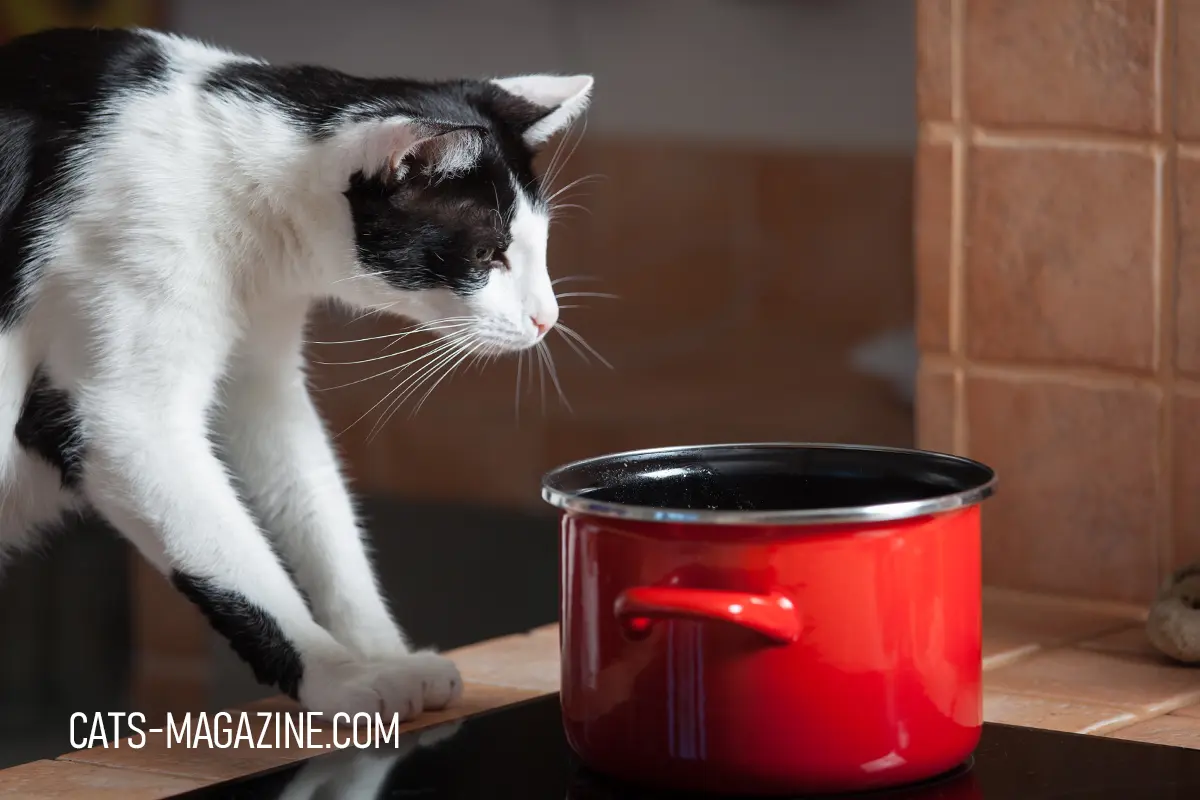
Let’s be honest: when your cat has had a rough couple of weeks, and you’ve both survived worming pills, blood tests, gut paste battles, and near-toxic levels of poop stench, you start wanting to take matters into your own hands. For me, that meant bringing out a pot, turning on the stove, and cooking up a batch of homemade cat food for sensitive stomachs.
It’s a recipe I’ve used before, always with my vet’s blessing. It’s simple, safe, and soothing – a kind of culinary reset button for delicate feline digestion. If Tito’s gut was going to recover, it needed comfort food. Think of it as the cat version of toast and tea after the flu.
Chicken & Rice Cat Food Recipe (Vet-Approved)
- Prep Time: 5 minutes
- Cook Time: 25 minutes
- Servings: 2-3 meals (cat-sized portions, depending on your feline’s appetite)
Ingredients:
- 1 chicken breast, skinless and boneless
- 1/2 cup plain white rice
- Water (for boiling)
Instructions:
- Boil the chicken breast in water until fully cooked. No seasoning – no salt, no oil, nothing fancy. This is a spa day for the stomach, not a MasterChef audition.
- Cook the rice separately until soft.
- Shred the chicken into tiny, bite-sized pieces, and mix it with the rice in a 2:1 ratio (twice as much chicken as rice).
- Let it cool completely before serving. You don’t want to shock your cat’s system with hot food (or worse, burn those royal taste buds!).
This recipe creates a bland, gentle meal that’s perfect for cats with sensitive stomachs. The chicken provides lean protein, while the rice offers easy-to-digest carbs to help calm the digestive tract. It’s a far cry from mystery kibble filled with who-knows-what.
I serve it in small portions, 3–4 times a day, and watch closely how Tito reacts. Usually, he gives it a good sniff, eats a few bites, and then looks at me as if to say, “Well, it’s no tuna mousse, but it’ll do.”
You can store the leftovers in the fridge for up to 48 hours. Just reheat it gently to room temperature if your cat is a diva about cold food (Tito is, obviously). And if you want to get extra fancy, you can portion it out into little containers and feel like you’re running a feline meal-prep business.
Cooking homemade cat food for sensitive stomachs isn’t about becoming your cat’s private chef (although let’s face it, we already are). It’s about giving their body a break from overly processed food while their tummy heals. It’s simple. It’s budget-friendly. And it gives you something to do during those worrisome days when all you want is for your furry friend to feel better.
Plus, it smells way better than whatever was going on in the litter box two weeks ago.
While Tito needed a special bland recipe, many cats thrive on these healthy chicken-based meals that are both nourishing and easy to digest.
Once your cat’s stomach has settled, you can rotate in these simple homemade meals that are also gentle and easy to prep.
Tip: Always consult your vet before switching your cat’s diet, even when using simple, homemade meals like this.
This homemade cat food for sensitive stomachs is meant as a short-term, vet-approved support meal that helps calm digestion, restore appetite, and reduce irritation after vomiting, diarrhea, or parasite treatment. It isn’t a long-term replacement for a balanced diet, but it’s an ideal way to give your cat’s stomach a gentle reset while they recover. Always check with your veterinarian before using any sensitive-stomach diet for more than a few days.
Bland diets like chicken and rice aren’t just gentle – they actually help the gut reset after vomiting, diarrhea, parasites, or antibiotic treatment. Cats digest simple proteins far more easily than rich commercial foods, which makes homemade meals one of the fastest ways to calm a sensitive stomach.
Bonus Trouble: Hairballs, Of Course
Just when I thought we were out of the woods and Tito’s tummy was finally finding its rhythm, another glorious surprise popped up – literally. And this time, it wasn’t diarrhea.
It was hairballs.
Because of course.
As if weeks of vomiting, vet visits, and making homemade cat food for sensitive stomachs weren’t enough, we also ran out of our homegrown stash of fresh cat grass. Cue Tito’s look of deep betrayal. His post-breakfast routine of munching a few blades of grass like a tiny lion surveying the savanna was suddenly interrupted, and he was not amused.
Within days, the hacking began. Loud, theatrical, usually at 3 a.m., always on the rug. Not the tile. Never the tile.
So I did what every desperate cat parent does – I sprinted to the pet store (okay, online store, but I sprinted emotionally) and grabbed a tube of hairball paste. I picked one that was gentle, petroleum-free, and flavored like malt, because apparently that’s the feline equivalent of chocolate ice cream.
Tito wasn’t thrilled. At first, he acted like I was trying to serve him motor oil. But with the same finger trick I used for the Pro-Pectalin paste, we got there: a swipe on the roof of the mouth, a grumble of defeat, and a reluctant lick. Victory.
Now, with the hairball paste doing its slippery magic and the cat grass slowly sprouting again on the terrace, we’re managing the furball situation. Of course, it’s not perfect – Tito still looks offended daily – but we’re surviving.
Between the fenbendazole, the Pro-Pectalin, and my daily ritual of cooking homemade cat food for sensitive stomachs, it’s like I’ve opened a one-woman wellness retreat for cats in digestive distress. All that’s missing is Tito in a robe, demanding goat yoga and a mud bath.
But honestly? It’s worth it. His energy is coming back, the litter box no longer smells like a chemical weapon, and there’s a peace in knowing that every bite he eats was made with care, not preservatives.
And the best part? My carpet hasn’t seen a hairball in three whole days.
Progress.
Hairballs don’t come from “too much grooming” – they usually happen when the digestive system is irritated or moving too slowly. During stomach upsets, cats shed more, swallow more fur, and the gut struggles to push everything through. A bland diet and added moisture can dramatically reduce hairballs while the stomach heals.

Will I Keep Cooking for Him?
Maybe! I’m not saying I’ve launched a Michelin-starred cat bistro in my kitchen – but I am saying that cooking for Tito has turned into something unexpectedly rewarding. It’s comforting, honestly, to know exactly what’s going into his food, especially during recovery. No weird ingredients, no mystery meat, no synthetic “ocean fish flavoring” that smells like regret. Just plain, honest food, made with love (and boiled rice).
While I’m not committing to a lifetime of culinary service – let’s face it, some days I’m lucky to feed myself – homemade cat food for sensitive stomachs has definitely earned a place in my toolbox for those moments when Tito’s tummy decides to stage a rebellion.
And you know what? I think he knows it too. He still shoots me the occasional stink-eye when I so much as look at the Pro-Pectalin tube, but he also trots to the kitchen when he hears me boiling chicken now. There’s trust there. And possibly an expectation of second breakfast.
Will I keep making it every day? Probably not. But will I turn to this simple recipe the next time his stomach gets sensitive, or when I need to give his digestive system a break? Absolutely.
It’s a small way of showing care. And when your furry friend has been through two weeks of gut drama, explosive litter box episodes, and suspicious puddle drinking – well, they’ve earned it.
So here’s to calm tummies, clean carpets, and homemade meals that remind us why we adore these weird little creatures in the first place.
Love, Patience, and a Side of Chicken: What I Learned from Tito’s Tummy Troubles
If your cat has a sensitive stomach, don’t panic. Seriously – don’t let Google convince you that it’s the end of the world (been there). Start with the vet, rule out the scary stuff, and once that’s covered, lean into something gentler: time, care, and yes – some good old-fashioned homemade cat food for sensitive stomachs.
This whole experience reminded me just how resilient cats can be, even when their digestive systems seem determined to declare war. Tito bounced back through puddle parasites, pasty probiotics, and enough side-eye to power a solar farm. And somewhere in the chaos, I found a little rhythm: chop, boil, shred, cool, serve. Watch. Worry less. Repeat.
Sure, he still doesn’t trust anything that comes out of a tube (looking at you, Pro-Pectalin). But he eats his simple, soft chicken and rice with a level of dignity I hadn’t seen during his vomiting phase. He’s calmer. Happier. Less… explosive.
Will every cat respond the same way? Maybe not. But there’s something powerful in slowing down, paying attention, and giving your cat a meal made just for them – especially when their body needs a little extra kindness.
If you’re considering this route yourself, I put together a detailed guide answering 25 of the most common questions about DIY cat food. It’s based on my own (sometimes messy) journey and what I wish I’d known sooner.
For more tales of cat food chaos, check out The Finicky Feline Feast. It’s full of drama, picky eaters, and cat food fails.
So here’s to the journey: To healing guts, less stinky butts, and recipes that are bland enough to be boring, yet magical enough to soothe a stormy feline stomach.
Because when your cat finally uses the litter box without triggering an existential crisis? That, my friend, is a win worth celebrating.
Sensitive stomachs often go paw-in-paw with other indoor cat challenges, so I also put together a full Indoor Cat Care guide if you’re looking to support your cat’s health in a more holistic way. Tito’s stomach issues were rough, but Pierre’s skin allergies were another chapter entirely. Here’s how we managed his overgrooming.
Veterinary Sources & Evidence-Based References
Below are trusted veterinary nutrition resources that support the information in this article. These organizations publish science-based guidelines on feline dietary needs, supplements, and safe homemade feeding practices:
- FEDIAF – Nutritional Guidelines for Complete & Complementary Pet Food for Cats and Dogs
European Pet Food Federation - AAFCO – Cat Food Nutrient Profiles
Association of American Feed Control Officials - AAFP – Feline Nutrition Guidelines
American Association of Feline Practitioners - Cornell Feline Health Center – Nutrition Resources
Cornell University College of Veterinary Medicine - Merck Veterinary Manual – Nutritional Requirements of Cats
Merck & Co., Veterinary Division - VCA Animal Hospitals – Homemade Diet Risks & Considerations
Veterinary Centers of America - Journal of Feline Medicine and Surgery (JFMS)
Peer-reviewed studies on feline dietary deficiencies, taurine metabolism, and nutritional standards
These references reflect widely accepted veterinary nutrition principles, which I use to guide homemade feeding in my own home – always in consultation with a qualified veterinarian.
Amazon Affiliate Disclaimer
Please note that links from Cats-Magazine.Com to Amazon.Com are affiliate links. This means that if you click on the link and make a purchase, we may receive a small commission at no extra cost to you. This helps support our work and allows us to continue providing valuable content. Thank you for your support!