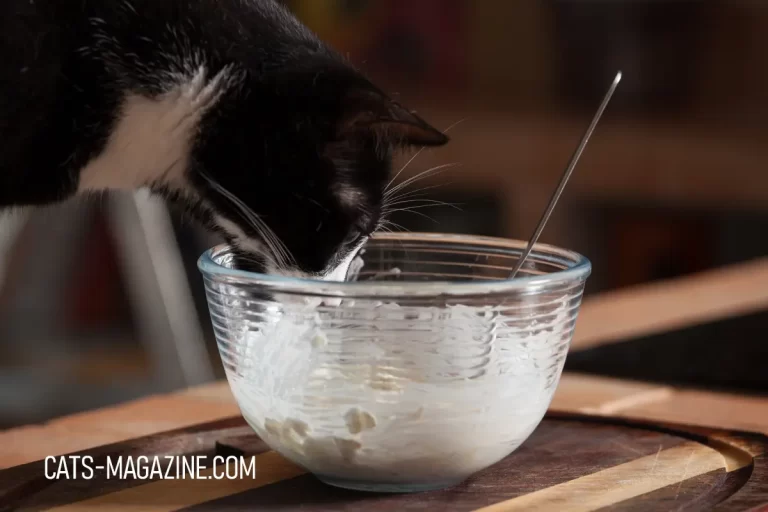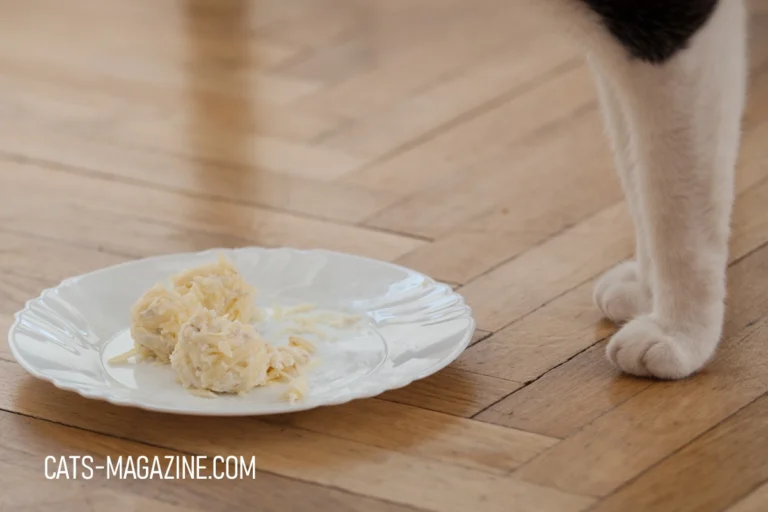
Discover 5 easy homemade cat food recipes, from Chicken & Pea Delight to Sardine Surprise and Chicken Meowy Jello. These quick, cooked meals add variety and essential nutrients to your cat’s diet – without fillers or preservatives. Learn how to prepare vet-approved homemade cat food, plus storage tips and common mistakes to avoid. Even my picky cat Tito approves!
Table of Contents
Why Make Homemade Cat Meals?
I’ve been preparing homemade meals for my three cats for years now, and testing different recipes has taught me exactly what works, what doesn’t, and how to keep even the pickiest feline (yes, Tito) healthy and excited about food.
Cats deserve real food – not ultra-processed pellets with ingredient lists that sound like they were written in a laboratory. That’s the main reason I started making cooked homemade meals for my cats: I wanted simple, recognizable ingredients that actually nourish a feline body instead of confusing it.
When you prepare cat food yourself, you instantly gain full control. You know the chicken is real, you know the fats are healthy, and you know there are no artificial colors or fillers trying to masquerade as nutrition. Tito, who acts like a Michelin inspector trapped in a cat’s body, immediately noticed the difference – and honestly, so did I.
But here’s the important part:
homemade cat food only works if it’s balanced.
Commercial food is convenient because it includes every nutrient cats need. A homemade meal can be just as healthy – or even healthier – but only when you add the essential components cats rely on: taurine, fatty acids, calcium, vitamins, and the right ratio of protein to everything else.
So the goal isn’t just “homemade.”
The goal is fresh, cooked, balanced meals that support your cat’s long-term health.
Core Principles of Homemade Cat Diets
Before we get cooking, here’s the short course on feline nutritional science.
What Should Be in Homemade Cat Food?
Cats are obligate carnivores. They rely on animal proteins and fats for survival – plants just don’t cut it. A nutritionally balanced homemade cat diet should include:
- High-quality animal protein – Chicken, beef, turkey, fish, or liver
- Healthy fats – Salmon oil, fish oil, or animal fat for skin and coat health
- Taurine – the most crucial essential nutrient for cats (always from meat or supplements)
- Micronutrients: calcium, B-vitamins, and trace minerals (via eggshell powder or a vet-approved supplement
- Limited carbohydrates – small portions of peas, pumpkin, or barley add fiber without overdoing it
Avoid These in Homemade Diets
- Onions & garlic – Toxic to cats
- Dairy – Most cats are lactose intolerant
- Raw egg whites – They interfere with vitamin absorption
- Too many grains – cats can’t digest large amounts of carbs
Five Simple & Nutritious Cat Recipes
(All balanced, cooked, and rich in essential feline nutrients.)
Now for the fun part – cooking! These recipes are quick, healthy, and cat-approved (yes, even by Tito).
Cats can’t taste sweetness at all – but they *can* taste amino acids. That’s why fresh, homemade cat food made from real meat smells irresistible to them, even when store-bought food doesn’t stand a chance.
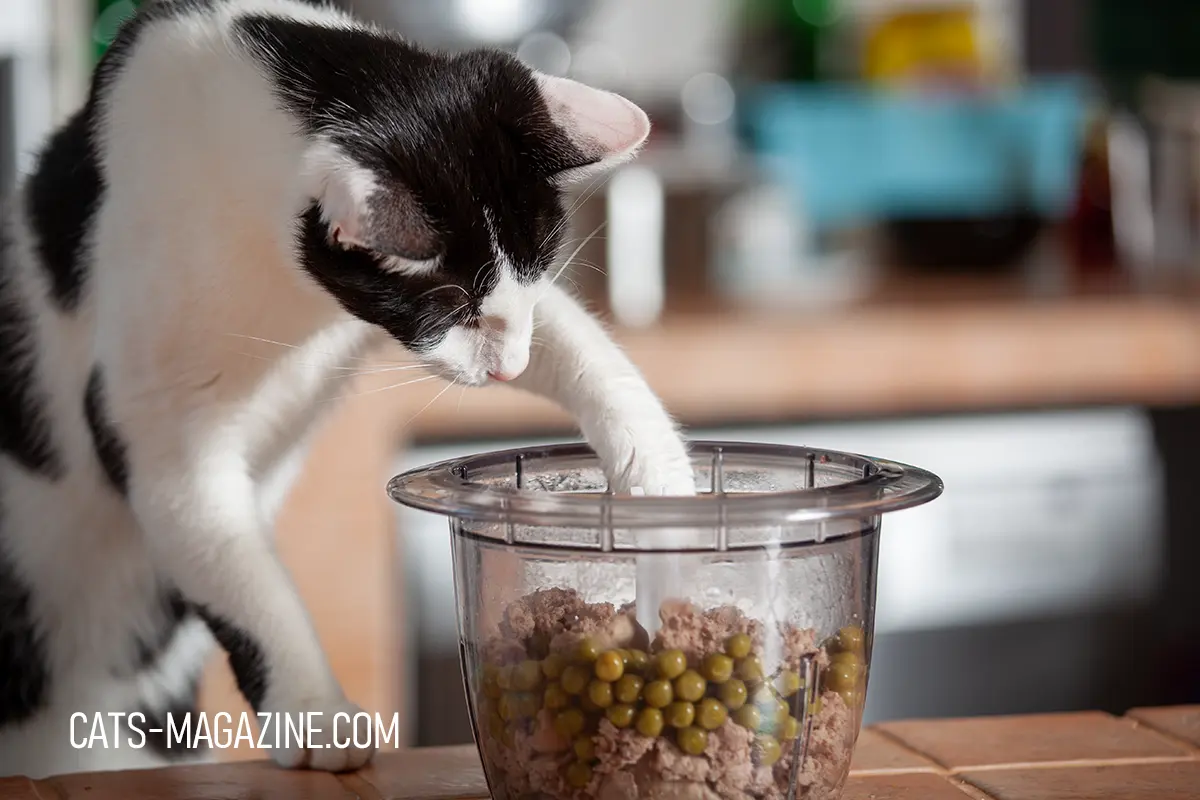
1. Chicken & Pea Delight
A protein-packed favorite and the base of many vet-approved homemade cat food diets.
Ingredients:
- 200g (7oz) chicken
- 100g (3.5oz) peas
- 1 teaspoon salmon oil
Instructions:
1. Cook the chicken, let it cool, then chop finely.
2. Mash the peas and mix with the chicken.
3. Add salmon oil and serve at room temperature.
Why This Works: Packed with protein and omega-3s – essentials for your cat’s health!
Want the full step-by-step? Check out the full recipe: Chicken & Pea

2. Sardine Surprise Treat
A hydrating, omega-rich recipe ideal for shiny coats and healthy joints.
Ingredients:
- 1 kg (2 pounds) fresh sardines (cleaned and gutted)
- 1 teaspoon olive oil or salmon oil
Instructions:
1. Prep the sardines
2. Bake to perfection
3. Serve fresh and watch your cat devour it!
Why It’s Great: Sardines are a natural source of taurine and vitamin D – two essential nutrients for cats.
Get the full recipe and make your cat purr: Sardine Surprise

3. Hearty Beef Barley Plate
A cooked homemade cat food recipe perfect for energy and digestive health.
Ingredients:
- 200g (7oz) lean beef
- 1 egg yolk
- 1 tablespoon barley powder
Instructions:
1. Cook the beef thoroughly and let it cool.
2. Mix in egg yolk and barley powder.
3. Serve.
Why It’s Great: High-quality protein with a gentle dose of fiber for sensitive tummies.
See the full version of this easy homemade cat food recipe: Beefy Barley Delight

4. Crispy Salmon Feast
Ideal for cats who love texture and taste.
Ingredients:
- 1 small salmon fillet
- 1 egg yolk
- 3 tablespoons oatmeal
- 1 tablespoon vegetable oil
Instructions:
1. Coat the salmon in egg yolk and roll in oatmeal.
2. Bake at 180°C (350°F) for 10-20 minutes.
3. Let it cool, then serve in small pieces.
Why It’s Great: Provides specific nutrients like omega-3s for joint support and heart health.
See the full version of this easy homemade cat food recipe: Crispy Salmon Dinner

5. Whisker-Wobble Chicken Jello
A fun, hydrating homemade cat food idea!
Ingredients:
- 2 boneless, skinless chicken breasts
- 2 cups of chicken broth (low sodium, no seasoning)
- 1 medium carrot (optional but adds a nice touch)
- 1/2 cup finely ground oatmeal (for texture)
Instructions:
1. Cook the Chicken and Carrot
2. Chop and Combine with Oatmeal
3. Pour into molds and refrigerate until firm.
Why It’s Great: Encourages hydration and supports lean muscle mass – perfect for warm days or picky eaters.
See the full version of this easy homemade cat food recipe: Chicken Meowy Jello
Safe Serving & Storage Tips
- Refrigerate for up to 3 days or freeze portions for 2 weeks.
- Always serve cooked homemade cat food at room temperature.
- Rotate recipes to ensure a balanced intake of nutrients.
Got a cat with tummy troubles? Don’t miss my Sensitive Stomach Recipes – vet-approved, easy to digest, and Tito-tested!
Bonus Homemade Cat Food Ideas You’ll Love
Tito and I had so much fun with these recipes (okay, I cooked, he quality-controlled).
If your cat has a sensitive stomach, try my Homemade Cat Food for Sensitive Stomachs – a vet-approved, gently cooked option that’s easy to digest.
You’ll also find my DIY cat food that answers 25 of the most common questions about homemade diets for cats, plus tips on portioning, freezing, and adding supplements safely.
And if you’re not sure where to start with portions or nutrition? My guide How to Feed Your Cat the Right Way covers balanced diets, essential nutrients, and a starter recipe that any feline will love.
Not sure what meat, portions, or supplements are right for your carnivore? My guide on How to Feed Your Cat the Right Way covers it all – plus a simple beef recipe to get you started!
Tried one? I’d love to see your kitty’s reaction!
Now go give your cat a forehead kiss and enjoy your day!
The Bottom Line
Easy homemade cat food recipes can transform your cat’s diet with fresh, species-appropriate ingredients your feline truly enjoys. By rotating proteins, adding essential nutrients, and following safe cooking practices, you can offer balanced homemade meals that support digestion, immunity, skin health, and long-term wellness.
Veterinary Sources & Evidence-Based References
Below are trusted veterinary nutrition resources that support the information in this article. These organizations publish science-based guidelines on feline dietary needs, supplements, and safe homemade feeding practices:
- FEDIAF – Nutritional Guidelines for Complete & Complementary Pet Food for Cats and Dogs
European Pet Food Federation - AAFCO – Cat Food Nutrient Profiles
Association of American Feed Control Officials - AAFP – Feline Nutrition Guidelines
American Association of Feline Practitioners - Cornell Feline Health Center – Nutrition Resources
Cornell University College of Veterinary Medicine - Merck Veterinary Manual – Nutritional Requirements of Cats
Merck & Co., Veterinary Division - VCA Animal Hospitals – Homemade Diet Risks & Considerations
Veterinary Centers of America - Journal of Feline Medicine and Surgery (JFMS)
Peer-reviewed studies on feline dietary deficiencies, taurine metabolism, and nutritional standards
These references reflect widely accepted veterinary nutrition principles, which I use to guide homemade feeding in my own home – always in consultation with a qualified veterinarian.
More Homemade Cat Food Resources
If you’re exploring homemade meals for your cat, these guides may help:
• DIY Cat Food FAQ – answers to the most common questions about safety, taurine, supplements and balanced meals
• Best Supplements for Homemade Cat Food – what I personally use for Tito, Pierre and Myratz
• How to Make Homemade Cat Food Safely – essential nutrients every homemade meal must include
• Simple Homemade Cat Food Recipes – more easy meal ideas for picky cats
Amazon Affiliate Disclaimer
Please note that links from Cats-Magazine.Com to Amazon.Com are affiliate links. This means that if you click on the link and make a purchase, we may receive a small commission at no extra cost to you. This helps support our work and allows us to continue providing valuable content. Thank you for your support!