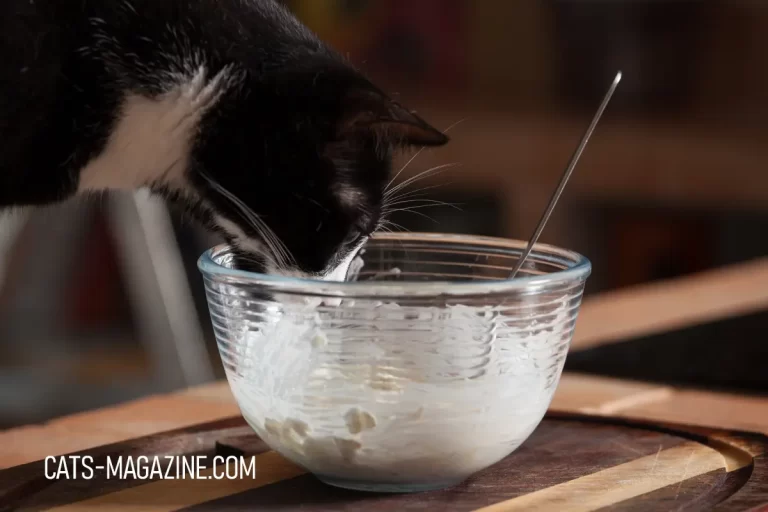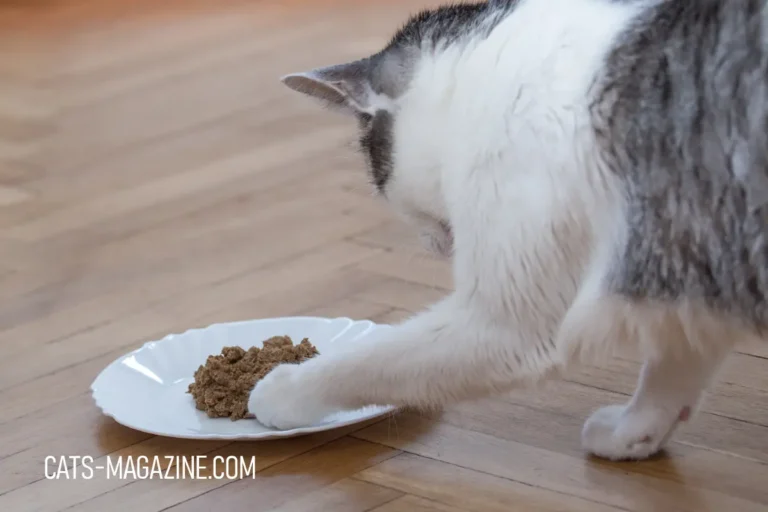
This myth-busting guide to DIY cat meals separates fact from fiction with vet-backed advice, safe ingredients, and simple recipes. Learn the truth about barley grass, fish, and taurine, plus how to create nutritious homemade meals for your cat. Includes dos and don’ts, easy recipe ideas, and science-based tips for feeding your feline family the right way – no drama, just clarity and love.
Table of Contents
Why I’m Writing This
Silvia here – resident whisk-chef for Tito, Pierre, and Myratz. Every time I post about DIY cat meals, the internet lights up like a Christmas tree. Some people love it, some are curious, and some… well, let’s just say they practice enthusiastic keyboard-warrioring.
Someone recently claimed that DIY cat meals are “dangerous,” and that barley grass or fish should never touch a cat’s bowl. Instead of arguing, I prefer facts – veterinary science, nutritional guidelines, and a lifetime of feeding real cats with real needs.
So let’s break it all down without drama.
Why Consider DIY Cat Meals
If you’ve ever stared at a kibble ingredient list and wondered whether you were reading cat food or a chemistry experiment, you’re not alone. DIY cat meals can offer:
- Ingredient control — no fillers, no mystery meats.
- Customization — perfect for picky eaters or sensitive tummies.
- Freshness — real food, real texture, real aroma.
- Flexibility — warm it, mash it, add moisture, change protein.
And yes, obligate carnivore rules still apply: cats need meat, taurine, and specific nutrients you can’t leave out. When done correctly, DIY cat meals support digestion, coat health, appetite, and overall well-being.
Not all DIY cat meals are complicated – these chicken cat food recipes prove you can cook with confidence and care.
DIY cat meals don’t need to be 100% homemade. Even adding one fresh, balanced meal per week improves hydration, digestion, and coat health – without disrupting your cat’s main diet.

Common Misconceptions About DIY Cat Meals
Myth 1: “Cats can’t eat barley grass.”
Reality: They absolutely can. Barley grass is frequently recommended by vets for digestion, hairball support, and natural fiber – in small amounts.
Myth 2: “Fish is harmful to cats.”
Reality: Fish isn’t the villain. The problem is excess and poor preparation.
Correct use:
- Cooked
- Deboned
- Plain
- Given in rotation
Sardines, salmon, and mackerel are excellent omega-3 sources in DIY cat meals – just not the only protein source.
Sources:
- Of Cats and Fish
- Can Cats Eat Fish? Vet-Verified Benefits, Dangers & FAQ
- Where the Green Grass Grows: Grass Treats for Cats
- Can cats eat barley grass?
The Dos and Don’ts of DIY Cat Meals
Dos:
- Consult your vet for balanced recipes
- Prioritize taurine
- Include organ meat
- Use high-quality proteins
- Add safe veggies: pumpkin, carrot, peas
- Add moisture – cats thrive on wet food
Don’t:
- Avoid toxic ingredients (onion, garlic, grapes, chocolate)
- Don’t feed fish every day
- Don’t skip calcium
- Don’t season cat food
- Don’t rely on muscle meat only
If you’re making DIY cat meals regularly, rotate proteins every 3-4 batches – chicken → beef → turkey → sardines. This helps balance micronutrients naturally and reduces picky-eater behavior.
Simple and Vet-Approved DIY Cat Meal Recipes
Cooking for your cat doesn’t have to feel like competing on a cooking show. Here are a couple of easy, vet-approved DIY cat meals recipes:
1. Chicken & Rice Delight
- Ingredients: Cooked chicken (no bones), boiled rice, steamed carrots, taurine supplement.
- Instructions: Combine in appropriate portions based on vet guidance. Serve fresh and watch your cat’s whiskers twitch with delight!
2. Fish Feast
- Ingredients: Boiled salmon or sardines (deboned), mashed sweet potato, a pinch of barley grass powder, taurine supplement.
- Instructions: Blend together and serve in small portions. Pro tip: Avoid feeding fish every day – rotate it with other proteins.
If you’re ready to try full meals, here are 5 easy homemade cat food recipes that work even for picky eaters.
DIY Cat Meals – Addressing Concerns
It’s normal to feel unsure. You’re feeding a little carnivore whose nutritional margins are extremely tight. But with vet-approved recipes, correct supplements, and common-sense ingredients, DIY cat meals are safe, healthy, and rewarding.
Start small, observe your cat, and adjust with your vet’s guidance. No panic needed.
If you’re still unsure about what’s safe, what’s not, or how to balance a homemade diet, check out my full DIY Cat Food FAQ – 25 common questions answered from experience and expert sources.

Taurine: The Kitty Superpower
Taurine is essential for:
- Heart health
- Vision
- Reproduction
- Digestion
Cats can’t produce enough on their own – they must get it from organ meats or supplements. This belongs in every DIY cat meal.
Note: it’s important to understand how to feed your cat the right way – from meat selection to nutrient balance – especially if you’re switching from kibble to homemade.
A Special Note: Give the Gift of Love This Holiday Season
As much as we love spoiling our own cats, let’s not forget the less fortunate ones. SOS Cat Rescue in Croatia has been tirelessly saving stray and feral cats for over 10 years. They’ve rescued everything from kittens to squirrels (yes, squirrels!) and rely entirely on donations to cover vet bills and food.

This winter, they need our help more than ever. Donations can be made securely via WhyDonate.com. Stripe has verified SOS Cat Rescue as a 100% nonprofit, so you can be sure your contribution goes straight to the animals.
I hope this article inspires you to explore homemade food options for your furry friends while keeping their health and happiness a priority. Let’s keep learning and growing together – because our cats deserve nothing less!
P.S. Don’t miss out on Ten Simple Homemade Cat Food Recipes Your Furry Friend Will Adore!
Veterinary Sources & Evidence-Based References
Below are trusted veterinary nutrition resources that support the information in this article. These organizations publish science-based guidelines on feline dietary needs, supplements, and safe homemade feeding practices:
- FEDIAF – Nutritional Guidelines for Complete & Complementary Pet Food for Cats and Dogs
European Pet Food Federation - AAFCO – Cat Food Nutrient Profiles
Association of American Feed Control Officials - AAFP – Feline Nutrition Guidelines
American Association of Feline Practitioners - Cornell Feline Health Center – Nutrition Resources
Cornell University College of Veterinary Medicine - Merck Veterinary Manual – Nutritional Requirements of Cats
Merck & Co., Veterinary Division - VCA Animal Hospitals – Homemade Diet Risks & Considerations
Veterinary Centers of America - Journal of Feline Medicine and Surgery (JFMS)
Peer-reviewed studies on feline dietary deficiencies, taurine metabolism, and nutritional standards
These references reflect widely accepted veterinary nutrition principles, which I use to guide homemade feeding in my own home – always in consultation with a qualified veterinarian.
Amazon Affiliate Disclaimer
Please note that links from Cats-Magazine.Com to Amazon.Com are affiliate links. This means that if you click on the link and make a purchase, we may receive a small commission at no extra cost to you. This helps support our work and allows us to continue providing valuable content. Thank you for your support!