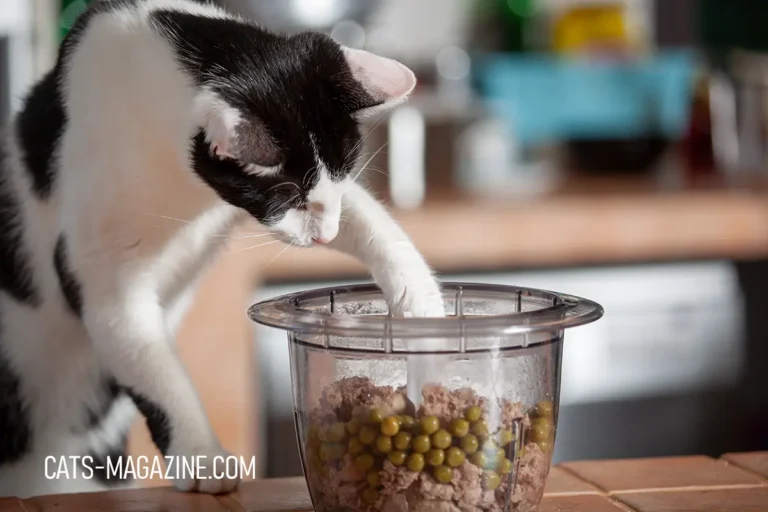
Learn how to make cheese cat treats at home – no-cook, no fuss, just creamy, protein-rich bites your feline will love! It’s protein-packed, full of feline-friendly fiber, and takes just minutes to make.
Table of Contents
If your cat loves cheese almost as much as they love judging your life choices, you’re going to adore this recipe. These no-cook cheese cat treats are creamy, quick, and dangerously tempting – Tito tried to swipe the first one straight from the bowl.
They take just a few minutes to mix, roll, and serve, and they’re perfect as a tiny, occasional treat for your feline gourmet.
Let’s get cheesy.
Want to make snack time easier (and cleaner)? I use this non-slip mixing bowl with lid and airtight jar for every batch of homemade cat snacks. Tito-approved, Pierre-inspected.
We’ve already explored some paw-some homemade cat food recipes like:
Each one was a hit in its own way. However, this time, we’re going cheesy – a little gourmet treat for our feline food connoisseurs!
Why Homemade Cat Food is Worth It
Before we jump into the cheesy goodness, let’s talk about why homemade treats are a great idea for your cat!
- Control Over Ingredients → No preservatives, fillers, or artificial junk – just pure, cat-friendly goodness!
- Better Nutrition → you know exactly what goes into your kitty’s diet with a homemade cat food recipe tailored to their needs.
- Fun & Bonding → Your cat will watch you like a sous-chef, waiting to “help.”
- No-Cook Simplicity → No need to turn on the stove – just mix, roll, and serve!
Ready to whip up something delicious? Let’s get started!

Cheese Cat Treats: The No-Cook Recipe Cats Love
Alright, now it’s time to unveil the star of the show – this homemade cat food recipe! These cheesy bites are made with just four simple ingredients: grated Gouda cheese, cream, butter, and oat flakes. Simple, yet so satisfying!
Cheese Cat Treats Ingredients (Simple & Safe)
- 1 cup grated Gouda cheese
- 2 tablespoons cream
- 1 tablespoon unsalted butter
- 3 tablespoons oat flakes
Pro Tip: Choose high-quality, lactose-free cheese if your cat is sensitive to dairy.

Step-by-Step Instructions
These cheesy treats are so easy to roll, even Tito tried helping (aka, stealing them off the tray).
1. Mix the Ingredients
- Grab a large bowl and combine the grated Gouda cheese, cream, and butter.
- Mix until you get a smooth, well-blended texture.
- By now, your cat is probably staring at you, plotting ways to steal some cheese!
2. Add the Oat Flakes
- Sprinkle the oats into the mixture.
- Oats help bind the snack balls together and aid digestion.
- If your cat is sensitive to grains, substitute with a teaspoon of coconut flour.
3. Form the Balls
- Scoop small portions and gently roll them into bite-sized balls.
- Size matters! Aim for grape-sized, not golf ball-sized!
4. Roll in Cheese (Optional, But Fancy!)
- For an extra cheesy crunch, roll each snack ball in a little extra grated Gouda.
5. Serve & Observe the Taste Test!
- Offer one to your feline food critic. Will they love it? Will they give you that judgmental cat stare? The suspense!

Most cats are lactose intolerant, but a little cheese in moderation can be okay. Just skip anything heavily processed or spicy. (Sorry, no blue cheese for Tito!)
Nutritional Benefits
These Cheese cat treats aren’t just delicious – they offer nutritional benefits too!
- Cheese = Rich in protein and calcium (but should be given in moderation). Always start with a pea-sized amount the first time your cat tries cheese.
- Cream = Adds a healthy fat boost for extra energy.
- Oats = Good for digestion and help with hairballs.
Reminder: Cats are obligate carnivores, so dairy should always be an occasional treat – not a diet staple! While dairy should be limited, cheese cat treats like these offer a small protein and calcium boost when given occasionally.
For seafood fans, this salmon homemade cat food recipe is a hit in our house – even Pierre approves! How To Make Cat Food: A Salmon Delight Your Cat Will Love!
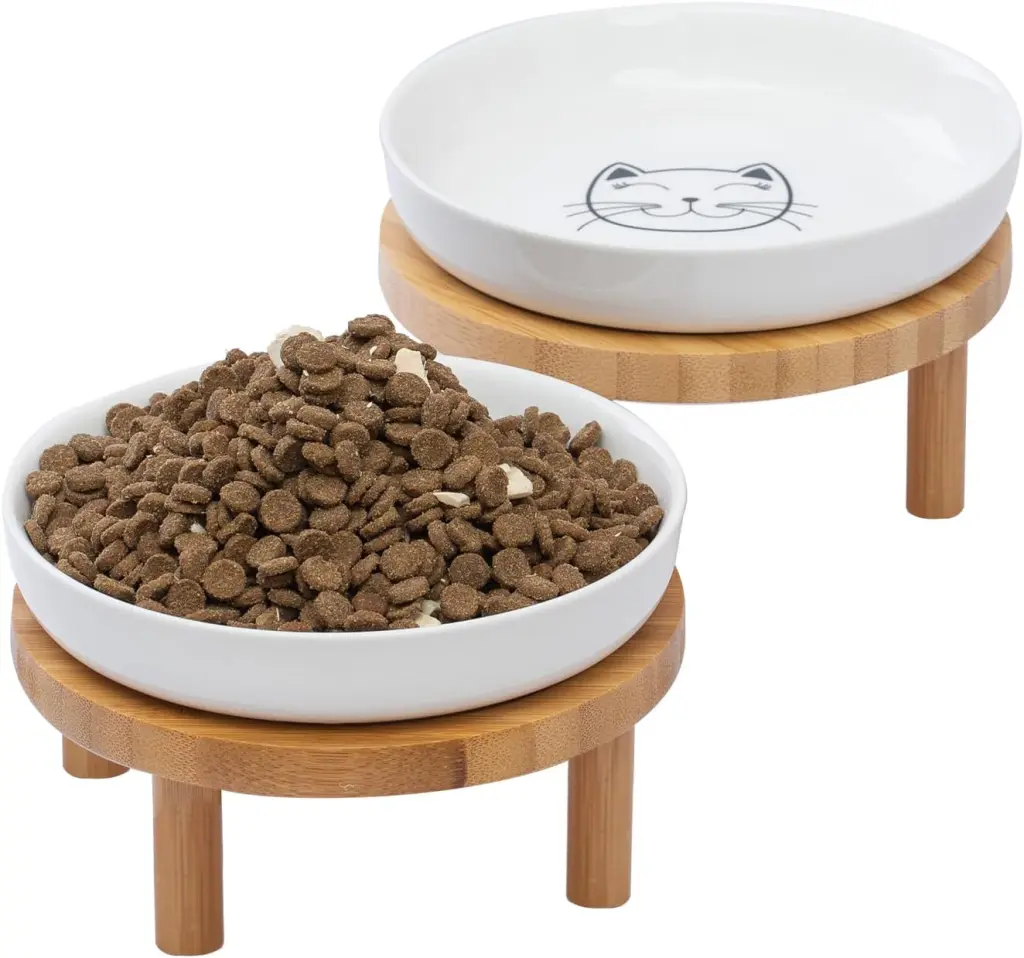
Speaking of Cat Food… Did You Know Whisker Fatigue is Real?
Yes, whisker fatigue is a thing! Deep bowls can overstimulate your cat’s whiskers and make eating uncomfortable. Switching to a shallow, wide plate can instantly reduce stress – especially for sensitive or older cats.
Upgrade Your Cat’s Mealtime Today! Shallow, whisker-friendly plates reduce stress and make eating more comfortable for your cat. If they’re elevated, even better! Check out my top picks here!
Caution: Treats Are Not Meals
These cheese cat treats should be given occasionally, not as a full meal. Cats require balanced nutrition, and treats should never exceed 10% of their daily calorie intake.
- For a small cat (5-7 lbs) → 1 cheese cat treat ball per day is enough.
- For a larger cat (10+ lbs) → 1-2 cheese cat treat balls max.
Join the Homemade Cat Food Movement
If you love making food for your furry friend, why stop here? Dive into the world of homemade cat food – it’s fun, rewarding, and your cat will love you even more (probably)!
- Try more no-cook cat treat recipes!
- Experiment with cat-friendly flavors!
- Share your homemade cat food journey with fellow cat lovers!
So there you have it – another delicious, no-cook homemade cat food recipe to add to your collection! Roll up your sleeves, grab some cheese, and treat your kitty to something special today! If you’re new to making cheese cat treats, this recipe is the purr-fect place to start.
Looking for more easy ideas? Check out my simple homemade cat food guide for balanced meals your cat will love.
Curious if your cheese cat treats need taurine? Check this DIY Cat Food FAQ for everything you didn’t know you needed to know.
Cats are obligate carnivores, meaning their diet must primarily consist of meat to meet their nutritional needs. This recipe is intended as a complementary meal or treat, not a complete and balanced feed. To ensure your cat gets all the essential nutrients, consider adding supplements specifically designed for feline diets. Always consult with your veterinarian before introducing new foods, especially if your cat has allergies, health conditions, or special dietary requirements. A happy, healthy cat starts with the right nutrition!
If your feline friend enjoyed these cheese cat treats, they’ll love my Chicken Meowy Jello recipe and other DIY favorites. Explore more treats, nutrition tips, and real-life taste tests by Tito, Myratz, and Pierre in our full homemade cat food section.
Helpful Homemade Cat Food Guides
If you’re exploring homemade meals for your cat, these guides may help:
• DIY Cat Food FAQ – answers to the most common questions about safety, taurine, supplements and balanced meals
• Best Supplements for Homemade Cat Food – what I personally use for Tito, Pierre and Myratz
• How to Make Homemade Cat Food Safely – essential nutrients every homemade meal must include
• Simple Homemade Cat Food Recipes – more easy meal ideas for picky cats
Veterinary Sources & Evidence-Based References
Below are trusted veterinary nutrition resources that support the information in this article. These organizations publish science-based guidelines on feline dietary needs, supplements, and safe homemade feeding practices:
- FEDIAF – Nutritional Guidelines for Complete & Complementary Pet Food for Cats and Dogs
European Pet Food Federation - AAFCO – Cat Food Nutrient Profiles
Association of American Feed Control Officials - AAFP – Feline Nutrition Guidelines
American Association of Feline Practitioners - Cornell Feline Health Center – Nutrition Resources
Cornell University College of Veterinary Medicine - Merck Veterinary Manual – Nutritional Requirements of Cats
Merck & Co., Veterinary Division - VCA Animal Hospitals – Homemade Diet Risks & Considerations
Veterinary Centers of America - Journal of Feline Medicine and Surgery (JFMS)
Peer-reviewed studies on feline dietary deficiencies, taurine metabolism, and nutritional standards
These references reflect widely accepted veterinary nutrition principles, which I use to guide homemade feeding in my own home – always in consultation with a qualified veterinarian.
Amazon Affiliate Disclaimer
Please note that links from Cats-Magazine.Com to Amazon.Com are affiliate links. This means that if you click on the link and make a purchase, we may receive a small commission at no extra cost to you. This helps support our work and allows us to continue providing valuable content. Thank you for your support!