
Table of Contents
Can Cats Eat Pumpkin?
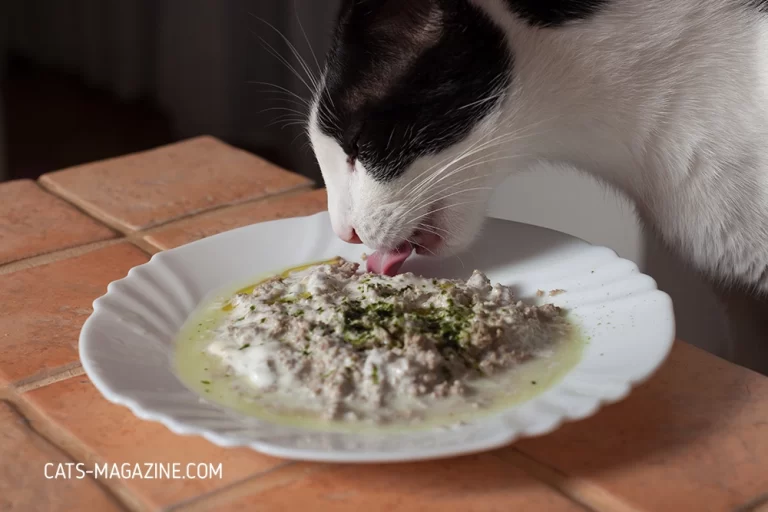
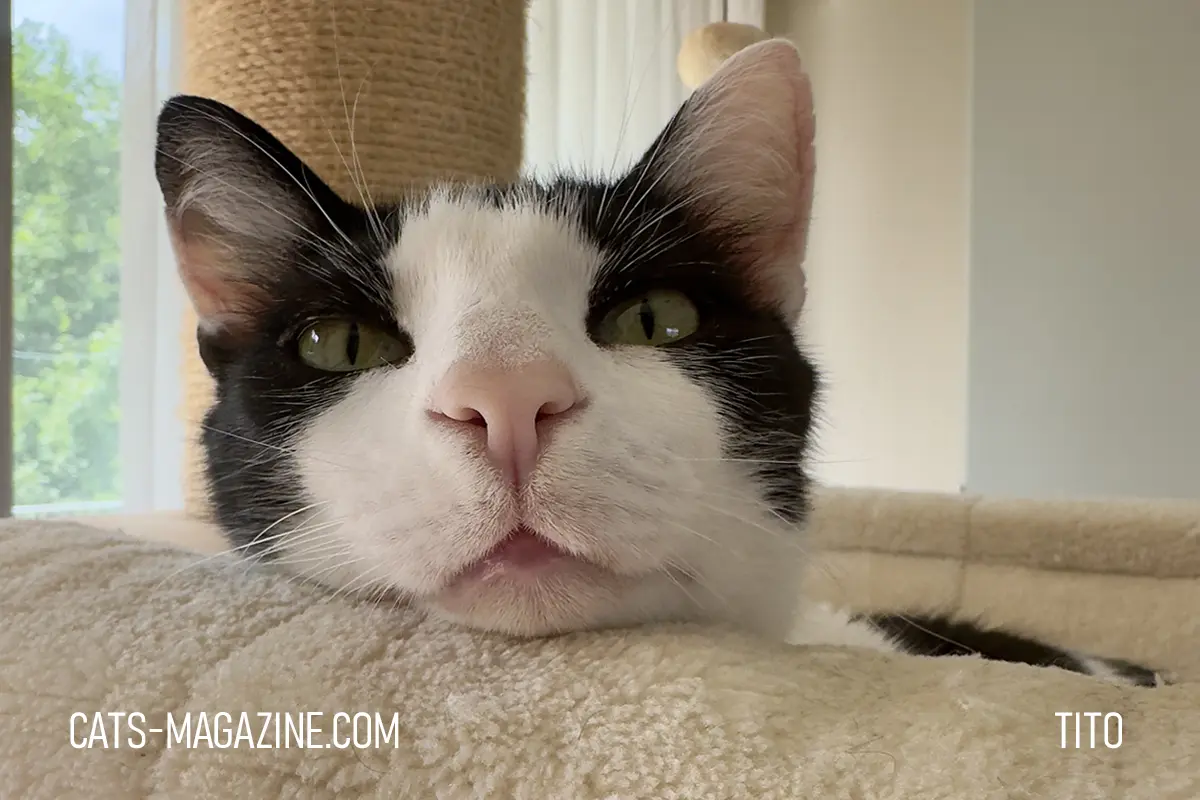
If you’re wondering “can cats eat pumpkin,” the answer is yes — in small amounts, plain cooked pumpkin can support digestion and help with hairballs. I tested it with Tito after a not-so-delicate litter box situation… and the results were surprisingly good.
I’d read somewhere that pumpkin could help cats with digestion. But was it safe? Would he even eat it? And if he did – would it work?
Tito tried it. I lived to write about it.
You can use freeze-dried pumpkin treats as an easy alternative to freshly cooked pumpkin. I recommend trying PAWUP Freeze-Dried Pumpkin Treats – made from just one ingredient: 100% pumpkin. They’re gently freeze-dried to preserve nutrients and naturally high in fiber, making them ideal for supporting digestion and gut health.
While most cats won’t eat them straight out of the pouch (Tito sniffed and walked off dramatically), they work beautifully when crushed and mixed into wet, raw or homemade cat food. No additives, no mystery – just simple, pumpkiny goodness your cat (or dog) can benefit from.
Let’s explore the health benefits of pumpkin for cats – from smoother digestion to natural hydration.
Why Pumpkin Might Be Good for Your Cat
Before I gave Tito even a spoonful, I did my homework (and bugged my vet). Here’s what I learned:
- High in Fiber: Helps with both constipation and diarrhea
- Moisture-Rich: A hydration boost for dry-food eaters
- Low-Calorie: Makes your cat feel full without adding weight
- Packed with Nutrients: Vitamins A, C, and E + beta-carotene
But… not all pumpkins are created equal.
According to PetMD, the answer to can cats eat pumpkin safely is yes – plain, unsweetened pumpkin can naturally support feline digestion, helping with both constipation and diarrhea when given in small amounts. (PetMD Source)
If you’re exploring fruits beyond pumpkin, check out my article on watermelon and other surprising fruits cats can (technically) eat.
What Type of Pumpkin Is Safe for Cats?
The only safe kind of pumpkin for cats is plain, cooked pumpkin – ideally canned pure pumpkin with no spices, sugar, or fillers.
Safe
- 100% plain canned pumpkin
- Homemade plain pumpkin puree (boiled/baked, no salt or spices)
Cooked pumpkin is softer and easier for cats to digest than raw chunks.
Avoid
- Pumpkin pie filling (contains sugar, spices, sometimes xylitol)
- Raw pumpkin (hard to digest)
- Spiced or sweetened versions (like Halloween leftovers!)
If you don’t have time to cook pumpkin from scratch or you’re like me – juggling three cats, content writing and whether Tito is hiding in a shoebox again – there’s an easier option.
I personally recommend Weruva Pumpkin Patch Up! – it’s a plain pumpkin purée with just two ingredients (pumpkin and water), served in convenient single-portion pouches.
No sugar, no weird fillers – just honest, natural support for digestion. Plus, it’s perfect for cats who side-eye the spoon but love licking a soft pouch!
Some cat owners add fiber to help with diabetic digestion – but always check blood sugar and follow your insulin guide.
My Experiment: Tito Tries Pumpkin
Tito is a curious eater. Not picky like Myratz, and not allergic like Pierre – but he will side-eye anything new with extreme suspicion.
So, I started slow:
- Day 1: I mixed 1/4 tsp of pumpkin with his usual food.
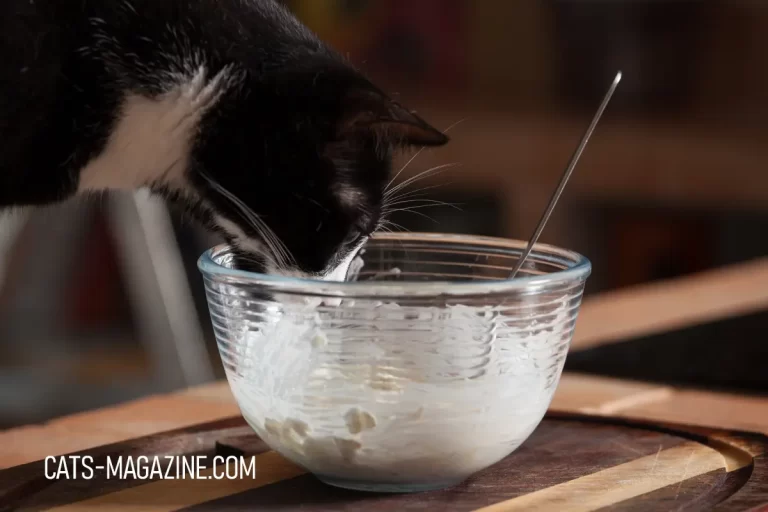
- Day 2: He sniffed it, pawed the bowl, then licked it clean.
- Day 3–5: His poop normalized. No drama. No stink bombs.
Success!
Note: Avoid pumpkin seeds; they’re too tough and not feline-safe. Different types of pumpkin vary in sweetness and texture – stick with plain, unsweetened purée.

How Much Pumpkin Should You Feed Your Cat?
Yes — cats can eat plain, cooked pumpkin in small amounts. It supports digestion and hairball control. Start with 1/4 teaspoon and monitor tolerance. Always avoid sweetened or spiced pumpkin.
| Cat Weight | Recommended Amount |
|---|---|
| Under 4 kg | 1/4 tsp/day |
| 4–6 kg | 1/2 tsp/day |
| 6+ kg | up to 1 tsp/day |
Too much fiber can cause upset, so start small and observe.
What About Cats with Allergies or Special Diets?
Five years ago – back when can cats eat pumpkin was still a question mark in my brain – I stumbled on a vet forum that swore by plain pumpkin purée (no additives, no sugar) for tummy troubles and even kidney support thanks to its extra moisture. I tested it on my crew for months, and the litter-box results (and vet check-ups) spoke for themselves: smoother poop, happier kidneys, and zero drama.
Pierre, my allergy-prone cat who can’t touch dairy, wheat, or half the protein aisle, surprised me the most. He tolerated pumpkin in tiny, un-mixed amounts – literally a fingertip swipe straight from the spoon. No itching, no grumpy belly. Just one suspicious sniff, a lick, and a smug look that said, “Is that all you’ve got?”
Even healthy-sounding foods like pumpkin can be tricky for cats with skin allergies. Every ingredient needs to be tested carefully – especially for sensitive cats like Pierre. Here’s how we’re treating his allergies now, one pawstep at a time.
If your cat has sensitivities:
- Introduce pumpkin slowly and solo – don’t mix it into other new foods on the same day.
- Start with a quarter-teaspoon and watch for 24 hours.
- Monitor for intolerance signs – vomiting, itching, extra-gassy tummies.
- Hydration bonus: the moisture helps kidneys flush toxins, which is handy for older cats or CKD-prone cats (always clear this with your vet first).
Done right, a dab of pumpkin can be a gentle, gut-friendly ally – even for the feline “allergy club.” Tito’s story about sensitive stomach recovery offers another vet-approved alternative if your cat has chronic digestive issues.

Recipe: Easy Pumpkin Mix for Cats
Ingredients:
- 2 tablespoons plain pumpkin puree
- 1/2 boiled chicken thigh, shredded
- 1/4 cup cooked white rice or oat flakes (optional for binding)
Instructions:
- Mix all ingredients until combined
- Portion into small treats or use as a topper
- Store in fridge up to 3 days
Tito-approved. Myratz disapproved. Pierre sniffed, then sat next to it.
Can Pumpkin Help With Hairballs and Diarrhea?
Absolutely – pumpkin is one of the few natural, vet-endorsed fixes you can scoop straight from a can. When friends ask “Can cats eat pumpkin for tummy issues?” the short answer is yes, and here’s why it works on three fronts:
| Digestive Woe | How Pumpkin Naturally Helps | Tito-Tested Tip |
|---|---|---|
| Hairballs | The gentle, soluble fiber wraps around loose fur and hustles it through the gut before it mats into a “hair sausage.” | A ¼-teaspoon dollop on Tito’s wet food once or twice a week keeps hacking to a minimum. |
| Diarrhea | Pumpkin’s fiber absorbs excess water in the intestine, firming up stool without harsh meds. | Mix with a lick of tuna brine to entice cats who turn up their nose at plain purée. |
| Constipation | The same fiber plus the puree’s high moisture soften and bulk stool, making the trip to the litter box a smoother ride. | For stubborn cases, I up Tito’s dose to ½ teaspoon and add an extra water dish nearby. |
Naturally high in water (about 90%), pumpkin also supports kidney function by giving cats an easy hydration boost – great for senior felines or any kitty that treats the water bowl like decorative furniture.
Caution: If diarrhea lasts more than 24 – 48 hours, or if you spot blood, lethargy, or vomiting, call your vet. Pumpkin is a helper, not a magician – always rule out parasites, infections, or food intolerances first so you’re not masking a serious problem.
For most everyday hairball and mild tummy dramas, though, a spoonful of plain pumpkin can be the simplest, safest answer to the evergreen question: “Can cats eat pumpkin?”

What If My Cat Hates Pumpkin?
Not every cat is a pumpkin fan. (Myratz says no.)
Try:
- Mixing it with tuna or wet food
- Offering as a lick off your finger
- Using a tiny silicone mold to make frozen treats
- Buying freeze-dried pumpkin treats
If it still gets the cold shoulder – don’t force it. There are other fiber sources (like psyllium or oat bran) you can discuss with your vet.
Should You Feed Your Cat Pumpkin?
In my experience? Yes – if your cat tolerates it. Tito now gets a pumpkin snack once a week or when he’s acting gassy or picky. Pumpkin can be a gentle, natural addition to your cat’s diet – one spoonful at a time.
It’s not a miracle cure, but it’s one of the easiest, cheapest, and safest things you can add to your cat’s food. Plus, you get to say you’re giving your cat gourmet seasonal purée like some kind of feline influencer.
Pumpkin helped Tito when his digestion needed a little extra support – but it’s just one piece of the puzzle. For a full look at what it takes to raise a happy, healthy cat, don’t miss my Ultimate Guide to Raising a Cat.
Frequently Asked Questions About Cats and Pumpkin
Is raw pumpkin safe for cats?
Raw pumpkin is hard to digest and can upset your cat’s stomach. It’s safer to serve cooked pumpkin – either boiled or baked – and let it cool before mixing it into food.
Is canned pumpkin safe for cats?
Yes, canned pumpkin is safe for cats if it is 100% plain pumpkin with no added sugar, salt, spices, or sweeteners. Avoid pumpkin pie filling, which often contains sugar and nutmeg, and may even include xylitol — a dangerous sweetener for pets. Always check the ingredient list before feeding.
Can kittens eat pumpkin?
Yes, kittens can eat small amounts of plain, cooked pumpkin, but only occasionally and in tiny portions — about 1/8 teaspoon mixed into food. Because kittens have sensitive digestive systems and specific nutritional needs, pumpkin should never replace balanced kitten food. Always introduce slowly and consult your vet if unsure.
What are the health benefits of pumpkin for cats?
Pumpkin supports digestion, eases hairballs, and adds natural moisture to meals. It’s rich in beta-carotene, fiber, and antioxidants – all great for gut and skin health.
How much pumpkin should I give my cat for constipation?
For mild constipation, start with 1/4 teaspoon of plain, cooked pumpkin once daily mixed into wet food. Medium-sized cats (4–6 kg) can tolerate up to 1/2 teaspoon per day. Too much fiber may cause diarrhea, so begin small and monitor stool consistency. If constipation lasts more than 48 hours, consult your veterinarian.
Pumpkin spice meow-chiato, anyone?
Curious about other feline food questions? Check out my full article 25 Common Questions About DIY Cat Food – Answered with Love and Experience where I tackle everything from picky eaters to taurine myths – all based on real-life trials with Tito, Myratz, and Pierre.
Got your own pumpkin experiment to share? Come join the fun and feline wisdom over on the Cats Magazine Facebook page – I’d love to hear from you and meet your whiskered crew!
Veterinary Sources & Evidence-Based References
Below are trusted veterinary nutrition resources that support the information in this article. These organizations publish science-based guidelines on feline dietary needs, supplements, and safe homemade feeding practices:
- FEDIAF – Nutritional Guidelines for Complete & Complementary Pet Food for Cats and Dogs
European Pet Food Federation - AAFCO – Cat Food Nutrient Profiles
Association of American Feed Control Officials - AAFP – Feline Nutrition Guidelines
American Association of Feline Practitioners - Cornell Feline Health Center – Nutrition Resources
Cornell University College of Veterinary Medicine - Merck Veterinary Manual – Nutritional Requirements of Cats
Merck & Co., Veterinary Division - VCA Animal Hospitals – Homemade Diet Risks & Considerations
Veterinary Centers of America - Journal of Feline Medicine and Surgery (JFMS)
Peer-reviewed studies on feline dietary deficiencies, taurine metabolism, and nutritional standards
These references reflect widely accepted veterinary nutrition principles, which I use to guide homemade feeding in my own home – always in consultation with a qualified veterinarian.
Amazon Affiliate Disclaimer
Please note that links from Cats-Magazine.Com to Amazon.Com are affiliate links. This means that if you click on the link and make a purchase, we may receive a small commission at no extra cost to you. This helps support our work and allows us to continue providing valuable content. Thank you for your support!