Table of Contents
When people think of veterinarians, they often picture the family vet they’ve known for years: the practice owner up the road who provides routine checkups, vaccinations, and spay/neuter surgeries. So, when I tell people that I am a veterinary emergency and critical care specialist, I’m usually met with bewilderment. Many are surprised such a thing even exists.
The truth is that while four years of veterinary school provides a solid foundation for preventative and urgent care, some cases require more complex management or procedures that only specialists with advanced training can provide. For cat owners, knowing when and how to access specialty care can make all the difference in their cat’s health and wellbeing.
What Is a Veterinary Specialist?
The American Veterinary Medical Association (AVMA) recognizes more than 20 areas of veterinary specialization through the American Board of Veterinary Specialties (ABVS). As of 2022, more than 16,500 veterinarians had achieved board certification (Diplomate status) in one or more specialties.
These fields include anesthesia, behavior, cardiology, clinical pharmacology, dentistry, dermatology, diagnostic imaging, emergency and critical care, internal medicine, neurology, nutrition, oncology, pathology, radiation oncology, sports medicine and rehabilitation, surgery, theriogenology (reproduction), and toxicology.
Specialists undergo extensive training beyond veterinary school. The path typically includes:
- Completing veterinary school (DVM or VMD degree).
- A one-year internship or equivalent clinical practice.
- A three- to four-year residency program.
- Passing a rigorous board certification exam.
Altogether, this can mean 12 or more years of higher education and clinical training before a veterinarian earns the title of specialist.
Not all veterinarians are trained to handle complex feline cases. A veterinary specialist for cats completes up to 12 years of study and training! That’s why specialists can perform advanced procedures like dialysis, oxygen therapy, or even feline ICU care, the kind that can make a real difference for your cat’s recovery.
ABVP Feline Practitioners: Specialists for Cats
For cat owners seeking care focused exclusively on felines, the American Board of Veterinary Practitioners (ABVP) – Feline Practice certification highlights veterinarians with specialized expertise in cats. These veterinarians have gone above and beyond general veterinary training, demonstrating advanced knowledge in feline medicine, surgery, behavior, and overall wellbeing.
ABVP-certified feline practitioners:
- Have completed rigorous post-graduate requirements, including case reports, professional education documentation, and references.
- Must be at least five years post-graduation to sit for the one-day examination.
- Commit to recertification every 10 years to maintain up-to-date expertise.
Choosing an ABVP-certified feline practitioner ensures your cat is cared for by a veterinarian who has demonstrated specialized knowledge and skills focused entirely on cats – an important consideration for complex or chronic conditions.
Whether you choose a board-certified feline practitioner or another specialist, understanding why and when to seek specialty care can make a crucial difference for your cat.
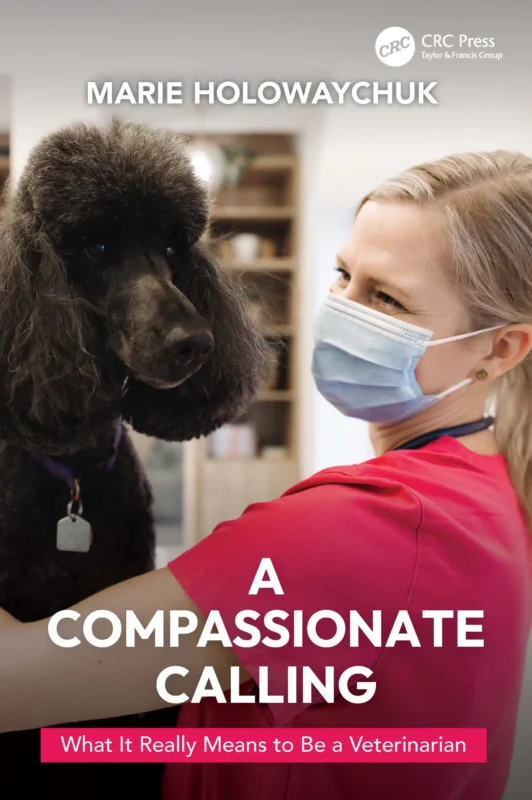
Dr. Marie Holowaychuk explores the emotional side of this demanding profession in her book A Compassionate Calling: What It Really Means to Be a Veterinarian. It’s not just a behind-the-scenes look at veterinary medicine, it’s an honest reflection on the compassion, exhaustion, and courage that shape every decision veterinarians make. Through powerful personal stories and real-life experiences, she reveals what drives veterinarians to go beyond the ordinary, even when facing heartbreak or burnout. Her words remind us that behind every skilled specialist is a deeply human heart, one that beats for the animals they dedicate their lives to helping.
Why Specialists Matter
The demand for specialists has been steadily growing as pet owners become more aware of advanced medical and surgical options for their animals. Between 2007 and 2017, the number of veterinary specialists in the U.S. increased by nearly 50%, compared with a one-third increase in the overall veterinarian population. By 2021, specialists made up roughly 12% of all veterinarians in the United States.
This rise is largely fueled by the deepening human-animal bond. For many of us, cats are family members – and we want access to the same high-level care for them as we do for people. Procedures that once seemed unimaginable for pets, such as mechanical ventilation or dialysis, are now routine in many specialty hospitals.
Inside a Veterinary ICU
As an emergency and critical care specialist, I’ve often heard cat owners say, “I didn’t know intensive care was even available for cats.” Veterinary ICUs, much like their human counterparts, are designed to treat the sickest patients in the hospital – and cats often make up a significant proportion of those cases.
A feline patient admitted to the ICU might be placed in:
- Oxygen cages or nebulization chambers for cats with asthma or pneumonia
- Specialized IV pumps to deliver carefully calculated fluids or infusions for cats with kidney disease or severe pain
- Feeding tubes for cats who stop eating due to illness (since inappetence can be dangerous)
- Advanced monitors that track heart rate, respiratory rate, blood pressure, oxygen, and carbon dioxide levels
- Dialysis machines for cats in acute kidney failure
- Warming devices to treat hypothermia, a common complication in critically ill cats
Walking into a veterinary ICU feels remarkably similar to stepping into a human ICU – the same beeps, alarms, and constant bustle. The difference is that instead of beds filled with people, there are specially designed cages housing feline patients, each receiving round-the-clock attention from a veterinary care team.
Conditions That Might Require a Specialist
So what kinds of feline conditions require this level of advanced care? While every case is unique, here are some common examples where a veterinary specialist may be needed:
- Feline asthma – Severe attacks may require oxygen therapy, inhalant medication, and intensive monitoring
- Hypertrophic cardiomyopathy (HCM) – The most common heart disease in cats, which can lead to blood clots, fluid buildup, or sudden collapse
- Kidney disease – Both chronic kidney disease (common in older cats) and acute kidney injury (such as from poisonous lily ingestion or urinary obstruction) may need advanced therapies, sometimes including dialysis
- Urethral obstruction – A life-threatening emergency in male cats that can require specialized procedures or surgery
- Seizure disorders – Cats with uncontrolled seizures, epilepsy, or head trauma may need neurologic evaluation and ICU-level monitoring
- Toxin ingestion – Cats are particularly sensitive to toxins such as lilies, acetaminophen (Tylenol), and antifreeze, sometimes requiring plasma exchange or other advanced detox therapies
- Cancer – Conditions such as lymphoma, mammary tumors, or skin cancer may benefit from the expertise of a veterinary oncologist
- Complicated surgeries – Such as advanced dental procedures (like full-mouth extractions for severe dental disease), complicated mass removals (like abdominal tumors), or repairing fractures after trauma
In each of these situations, having access to a veterinary specialist can mean earlier diagnosis, more targeted treatment, and ultimately, a better outcome for your cat.
You can look up certified feline specialists through the American Board of Veterinary Practitioners (ABVP) or VetSpecialists.com. Bookmark these sites, they’re the quickest way to find trusted experts when your cat needs specialized medical care.

A Step-by-Step Guide to Finding a Veterinary Specialist
If your cat develops a complicated condition, you may suddenly feel overwhelmed about where to turn. Here’s a simple, step-by-step guide to help you navigate the process:
1. Start With Your Family Veterinarian
Your primary veterinarian knows your cat’s history and is your most trusted resource. They can determine whether a referral is appropriate and recommend the right type of specialist – whether that’s an internist, surgeon, cardiologist, or dermatologist.
2. Ask for a Referral
If your vet suggests referral, ask for a written referral letter or a direct introduction. This helps the specialist understand your cat’s case before your first appointment.
3. Search Trusted Directories
If you’d like to explore options on your own, try these reputable resources:
- American Board of Veterinary Practitioners (ABVP) – Find veterinarians with advanced training in feline practice
- American College of Veterinary Emergency and Critical Care (ACV ECC) – Search for emergency and critical care specialists
- American College of Veterinary Surgeons (ACVS) – Search for surgeons by location
- VetSpecialists.com – Find board-certified specialists in various fields
4. Verify Credentials
Look for designations like “Diplomate” or abbreviations such as DACVIM (Internal Medicine), DACVECC (Emergency and Critical Care), or DABVP (Feline Practice). These confirm that the specialist has completed the rigorous board certification process.
5. Schedule a Consultation
A consultation gives you a chance to meet the specialist, review your cat’s records, and discuss diagnostic or treatment options. Use this time to ask about expected outcomes, costs, and follow-up care.
6. Make the Decision That’s Right for You and Your Cat
Specialty care can be expensive and emotionally demanding. Weigh the potential benefits for your cat’s health and quality of life with what is realistic for your family. Remember: pursuing specialty care doesn’t always mean aggressive treatment – it can also mean access to advanced diagnostics, second opinions, or palliative support.
The Bottom Line
Veterinary specialists expand the scope of what’s possible in feline medicine. From advanced imaging to life-saving intensive care, they help ensure that our beloved cats receive the best care available when they need it most. Working in partnership with your family veterinarian, specialists provide options that may improve not only your cat’s length of life – but also its quality.
Dr. Marie Holowaychuk is the author of A Compassionate Calling: What It Really Means to Be a Veterinarian. Learn more at acompassionatecalling.com.