Table of Contents
If you’re a pet sitter, and situation may arise where you have to take care of a diabetic cat that uses insulin. Administering insulin to a cat, especially when they are afraid, can be challenging, but the entire preparation can make the procedure faster and less stressful for both you and the cat.
Here’s a Cats Magazine guideline for administering insulin to diabetic cats, especially when they are in a nervous or anxious condition.
Basics of Insulin Administration
What’s most important is that before we go into the practical steps, we realize the significance of insulin in the life of a diabetic cat. Cats with diabetes vomit because their blood glucose level are not under control. Insulin injections are thus needed.
As a pet sitter, part of your responsibilities is to make sure the feline companion gets his insulin on time and in the right manner. It may be necessary to inject insulin once or twice a day, depending on the cat’s prescription.

Step-by-Step Guide to Administering Insulin to an Anxious Cat
Get Insulin Ready
- Make sure the insulin is not cold like ice and should not create discomfort. The bottle should be propelled gently to mix the contents, but it should not be shaken.
- Based on the vet’s instructions, draw the appropriate dose into the syringe. It is required that the dose be verified before the injection is done.
Choose the Right Location
- Make sure to find an area that is quiet and peaceful to carry out the injection. It is crucial to have a stress-free environment, especially when the cat is already feeling anxious. It would be great to find a spot where the cat feels comfortable, such as their favorite resting place.
Handle the Cat Calmly
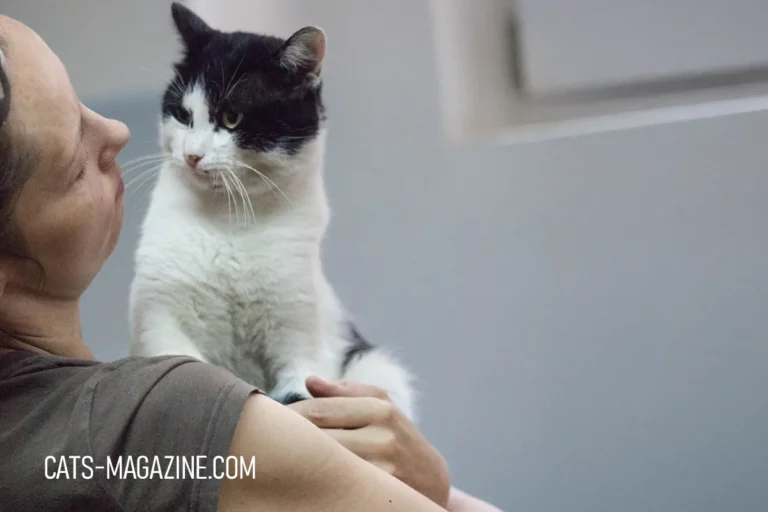
- Approach the cat softly and talk to her/him in a gentle voice. Then, carefully hold the cat on your lap or on a flat surface such as the countertop. If your cat is extremely anxious, you may need someone to help you hold it.
- When you notice stress in your cat, it would be helpful to offer a treat or give some strokes before the injection. This will aid in diverting attention from the injection and also help to calm them down.
Administer the Injection
- After you have made your cat comfortable and relaxed, take the skin at the back of the cat’s neck (the scruff area) and gently pull it to form a small “tent”. This is where you are going to inject the insulin.
- The needle should be inserted at a 45-degree angle to make sure it goes under the skin and not into the muscle. Slowly press the plunger to inject the insulin.
Praise and Reward
- Then it is important that you praise the cat for being brave, no matter if it was a bit difficult. End the process with a treat for the pet to be happy and encourage their positive behavior, which will reduce anxiety in the future.,
Some diabetic cats become calmer after injections once they associate it with feeling better. A little patience (and tuna) goes a long way.

Tips for Handling an Anxious Diabetic Cat
- Remain Calm: Cats are very sensitive to your emotions and if you are in the same statuesque, they will feel that way as well.
- Use Pheromones: Try some of the feline stress-reducing pheromone sprays or diffusers to see if they work for your cat.
- Practice Positive Reinforcement: The process of giving your cat a treat right after every injection shall help the cat associate being injected favorably and will consequently smooth later injections as well.
Following this strategy can make sure the pet owner is not over-stressed as well as help the pet to cope with their diabetes situation and powder comfortably during the injections.
If you are interested in understanding more about this and would like to get some hands-on advice, you can access the full guide about managing insulin administration for anxious diabetic cats by clicking here.
Definitely, as a pet sitter, you are very influential and a key player in the animals’ health and overall well-being. If you ever need assistance or are unsure about something, do not hesitate to contact a vet. They are always available to help out!
If you are needing more information on pet sitting and diabetes care, we encourage you to visit Pet Sitter Frederick for more information.
More Helpful Reads on Diabetic Cat Care
- Not sure what to feed your diabetic cat? Here’s what is working: Best Cat Food to Control High Blood Sugar in Diabetic Cats
- Wondering about diet changes? Here’s what I learned after switching to homemade food: 25 Common Questions About DIY Cat Food – Answered with Love and Experience
- Insulin timing can affect energy levels too – especially at night: The Ultimate Cat Behavior Guide: Why Does My Cat Go Wild at Night?
- Senior cats with diabetes need even gentler care: The Secret World of Senior Cats – How to Care for Older Cats
- Food sensitivities and diabetes often walk paw in paw: My Cat Has Food Allergies – What Helped Pierre