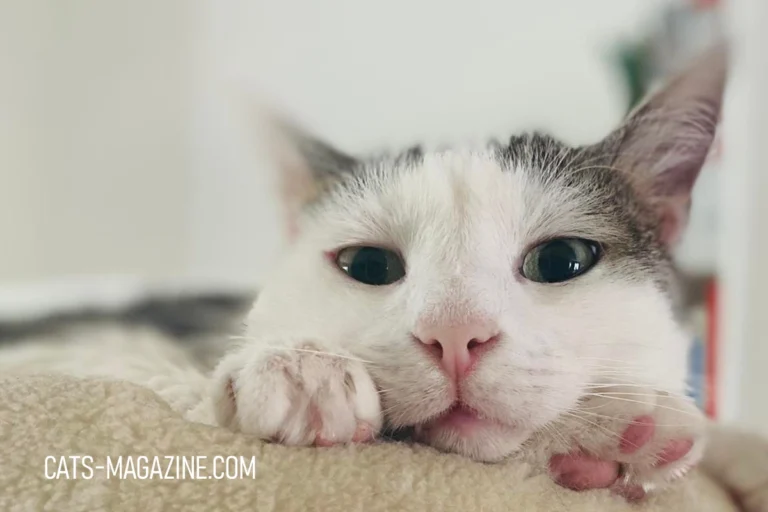
I first learned about feline diabetes through my work with SOS Cat Rescue. One of my fellow rescuers cared for a sweet, slightly chubby stray who was suddenly diagnosed with diabetes. Every single day, she gave him his insulin shot – and every single day, he trusted her a little more. Watching that transformation from frightened street cat to healthy, happy companion was unforgettable. It taught me that diabetes in cats isn’t a tragedy – it’s a condition that can be managed with patience, knowledge, and love.
That’s why I wanted to share this guide with you. It’s a clear, compassionate breakdown of how to recognize, treat, and support cats living with diabetes, written by our contributor Sara Williams here at Cats Magazine.
Inspired by a rescued stray cat who beat diabetes, this guide shares 7 practical tips to help your feline friend live a full, healthy life – from insulin therapy and balanced diet to stress-free care routines.
Table of Contents
Has your cat been losing appetite lately or losing weight suddenly? Has it started to feel more thirsty lately, and is urinating more than usual? These signs are to ponder and for your cat to see if it has been developing feline diabetes.
Diabetes is one lifelong condition that is pretty common in middle-aged cats. This diagnosis can be frightening for pet owners and may demand additional and vigilant care to keep things under control.
However, before you start worrying and panicking, make sure you know the basics about diabetes in animals.
7 Tips for Pet Owners to Know About Diabetes in Cats
Here are 7 important tips that can help you to diagnose, treat, and help your cat with diabetes with better understanding and comprehension.
1. Know the Types of Feline Diabetes
Being a pet owner, you need to understand how things work with a cat’s anatomy.
There are two different types of diabetes in cats.
- Diabetes mellitus
- Diabetes insipidus
Diabetes mellitus has two other types.
- Type 1 Diabetes Mellitus
- Type 2 Diabetes Mellitus
However, it is essential to note that diabetes mellitus is more common among cats, and diabetes insipidus is rare. The reasons and causes for this type of diabetes could also be different.
2. Watch Out for These Symptoms of Diabetes in Cats

Having a furry baby can make you an attentive parent and more vigilant than ever. You need to observe your cat properly and its activities to ensure that your cat is being cared for perfectly.
Moreover, VetandTech is a veterinary educational platform that arranges multiple webinars and vet expo; you can check their website for a better understanding of cat diabetes and its symptoms.
First, if your cat is not diabetic but showing these signs, you should take it to your vet immediately:
- Obesity
- Lack of physical activity
- Castration
- Glucocorticoid
- Increasing age
- More thirst
- Urinating more and even outside the litter box
- Weight loss despite having full meals
3. Follow a Rigorous Feline Insulin Therapy

Once your cat has been diagnosed with diabetes, you need to start insulin therapy right away to maintain a quality life as prescribed by your vet. Insulin therapy helps with a balanced level of glucose in the body.
This is particularly evident because a cat’s body does not produce sufficient glucose after being diabetic, and hence, injecting insulin becomes evident.
The most common cat insulins are:
- Glargine
- PZI
Blood glucose monitoring in cats and making charts can make you vigilant about their regular levels, indicating your cat’s health. You also get to know instantly when the regular levels are dropping.
4. Opt For a Balanced Diabetic Cat Diet

Diet is a cornerstone that helps in diabetes management in cats. Being a pet owner, make sure that the cat’s food is watched out and balanced. Opting for the food with freeze-dried chicken along with tuna salmon can be great for diabetes.
A balanced and nutritious diet comprises of:
- Low carbohydrate
- High protein
This combination, in particular, helps maintain blood sugar levels, and there are fewer complications.
Not sure what to feed your diabetic cat? Explore this guide to the best blood sugar-friendly cat foods.
5. Regularly Monitor Your Cat
The treatment does not end with diet and insulin only. But regular monitoring is also essential. The blood glucose levels should be measured and monitored.
This is important to ensure that blood glucose levels are in a safe range and there is nothing to worry about. Keeping a thorough check and observing diabetic cats closely can help you learn specific facts about diabetes in cats, helping you with better handling.
This regime should further include the following:
Weight Management
Regular monitoring also includes proper weight management and weight checks of your cat. It should neither be overweight nor underweight. A balance is a must to seek in this regard.
You should work with your veterinarian and get a weight loss plan in case of an overweight cat. Obesity is one primary cause of diabetes, and not working on it can lead to critical situations.
Exercise Schedule
Dedicate time to indulge your cat in gentle exercise. She can play with toys and can have interactive feeders. You can opt for certain ball games as well.
6. Go For Regular Vet Checkups

While your cat is suffering from diabetes, it goes without saying that regular vet checkups should be lined up to avoid any emergency. In case you are having any problems with your vet, you can always use Vet and Tech vet resources to upgrade your knowledge and double-check the facts.
It can also enlighten you on better care of your diabetic cat. This also helps with better cat diabetes treatment options. Regular checkups also assist you with the early detection of diabetes and other potential problems.
Diabetes can have different impacts. It could be harmless at one point and can also lead to liver or kidney failure in case of mismanagement. Therefore, you should always consider the need to visit your vet regularly to deal with diabetes in cats.
7. Provide a Stress-Free Environment
A positive environment has an equally good impact on an animal as on the human. Facilitating your diabetic cat with toys and having interactive play sessions to keep the cat mentally and physically stimulated is the key.
You can also opt for the scratching posts. Working in calm and stress-free environments can have a lasting impact on your cat’s blood sugar levels.
Diabetes in cats can turn challenging if you do not know the basics or enough information to treat a diabetic feline at home. The vet and tech can help you with this. They have free educational resources that are accessible online and provide an enriching knowledge experience.
Wrapping Up
Diabetes in cats can get worse if not dealt with properly. Pet owners should be aware of their cats’ medical condition. Following specific tips can help pet owners better manage diabetes in their cats.
If, as a furry parent, you panic because you are having difficulty handling your pet, you can always reach Vet and Tech, an educational website offering a plethora of veterinary resources. The vets can also register there and can keep up with the happenings in the veterinary world.
About This Article
This article, “Diabetes in Cats – 7 Tips for Pet Owners,” was written by guest contributor Sara Williams.
Sara Williams is a professional content writer specializing in animal healthcare and veterinary topics. Her work provides pet owners and veterinarians with insightful, well-researched information to improve animal care.
In her own words, she generously shares knowledge simply for the joy of helping others and supporting our whiskered companions. We’re so grateful to have her as part of the Cats Magazine community.
If you’re navigating the sometimes-tricky world of feline diabetes, this article is here to guide you with practical advice, heart, and hope. Thank you, Sara, for your thoughtful contribution!