Table of Contents
Cats are stealthy little magicians when it comes to hiding pain. It’s a skill that helped their ancestors survive in the wild – but it often makes life harder for us who love them. As my cats grow older, I’ve learned that feline health isn’t just about vet visits; it’s about noticing the smallest changes – a skipped meal, a new sleeping spot, or a quiet meow that sounds just a bit different.
As a photographer and lifelong cat companion, I’ve seen how fragile their balance can be. And yet, with observation, care, and timely action, you can prevent many health issues or catch them before they become serious.
Let’s explore the most common cat health problems, what they mean, and how to keep your feline friends thriving.
Why Cats Hide Their Pain
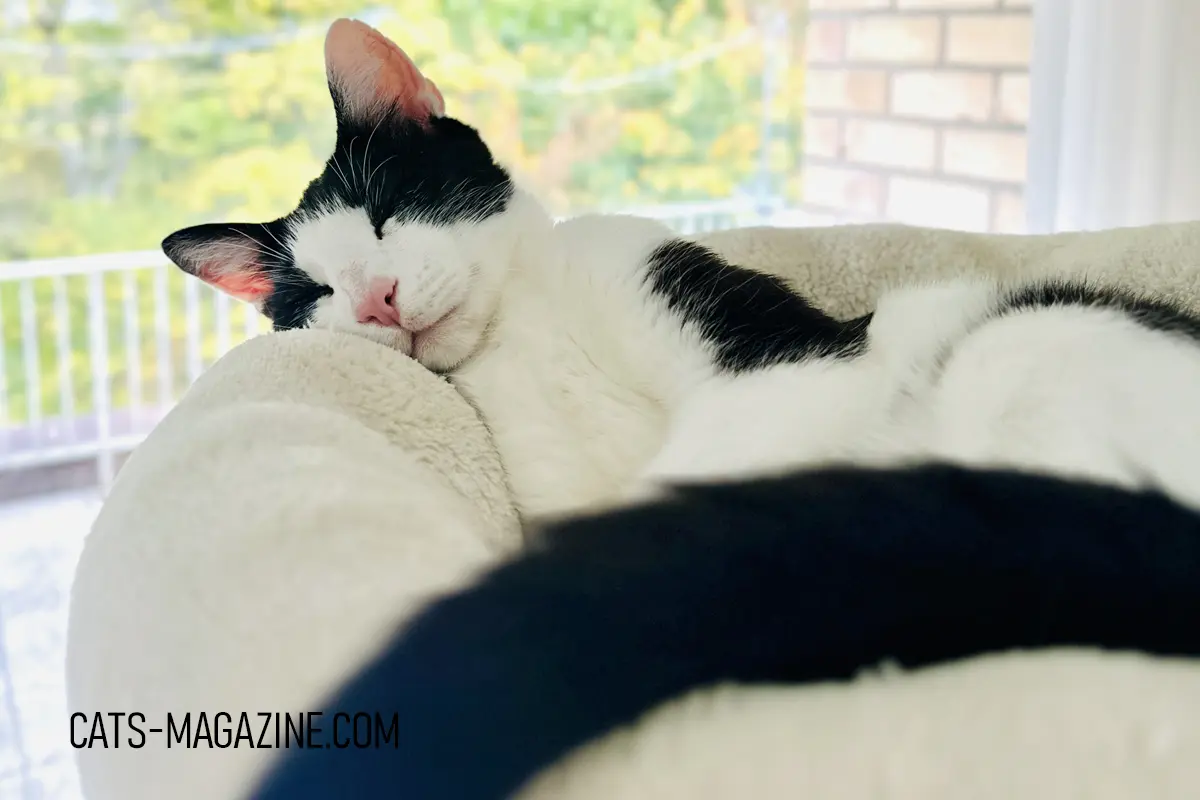
Cats are both predators and prey, and that dual nature makes them masters of disguise. In the wild, showing weakness can make them a target, so even domestic cats retain this instinct. They can look perfectly fine while quietly battling pain or illness.
When my cat Payo was ill, I learned this lesson the hard way. He stopped licking his back but started overlicking his tummy – and that was the clue. The problem was intestinal and linked to his FIV. He had surgery, recovered for a while, and gave us more quality time together before finally losing his battle with FIV and FeLV. But I’ll always remember him as the stray who chose us – the one who simply walked into our garden one day, ten years ago, and decided to stay.
Recognizing Early Warning Signs
If cats had a motto, it would be “Act fine until you’re not.” They’ve inherited this poker face from their wild ancestors – because in nature, the one who limps is the one who becomes lunch. Even the most pampered indoor cat still carries that instinct.
That’s why spotting early signs of illness isn’t about waiting for dramatic symptoms – it’s about tuning into the tiny details of your cat’s everyday rhythm.
Here’s what to watch for:
- Sudden isolation or hiding. – When a usually social cat starts seeking quiet corners or spending hours under the bed, it’s rarely just “a mood.” Pain, nausea, or fever can make them withdraw to feel safe.
- Decreased grooming (or obsessive licking one area) – Grooming is a cat’s meditation and identity. If they stop doing it, it often means fatigue or discomfort. Overgrooming one spot – like Pierre licking his tummy – can point to pain beneath the skin, irritation, or allergies.
- Change in appetite or water intake – Skipping meals isn’t typical cat behavior – it’s a bright red flag. Overdrinking, on the other hand, may signal diabetes or kidney trouble, especially in senior cats.
- Lethargy or lack of play – Every cat has their lazy days, but if playtime suddenly loses its spark or your cat sleeps in unusual positions, something’s up. Illness can make movement uncomfortable or drain their energy.
- Different posture or meowing tone – Cats sometimes “speak” pain through subtle posture changes – a hunched back, flattened ears, or tense tail. Even their meow can change pitch or frequency when they’re unwell.
- Changes in the litter box routine – Avoiding the box, straining, or suddenly urinating elsewhere isn’t rebellion – it’s communication. Cats associate litter boxes with comfort; when that changes, it’s a symptom, not mischief.
My best tip: Create a “Sunday cat check” – a simple five-minute ritual that can save lives.
Take a soft towel, lift your cat gently onto your lap, and look:
- Are the eyes bright and clear?
- Does the coat feel oily or dull?
- Are the gums pink and smooth, or pale and tacky?
- Is the breath sweet or sour?
- Any unusual bumps, dandruff, or patches?
I call it the “Spa-day scan” – they think it’s affection, but you’re actually running a wellness inspection worthy of a feline detective.
Over time, you’ll develop an almost intuitive sense for what’s “normal” for each cat. Tito, for instance, gets extra vocal when he’s perfectly fine – silence from him would make me nervous. Myratz, on the other hand, gets clingy when something’s off.
Learning these individual patterns is your secret weapon. Because when it comes to cat health, prevention isn’t glamorous – it’s quiet, observant, and deeply loving.
Common Cat Health Problems

Sneezing, Coughing & Runny Eyes
A few sneezes are harmless, but if they become frequent or come with runny eyes or a stuffy nose, your cat may be fighting allergies or an upper respiratory infection like feline herpesvirus. Cats’ tiny nasal passages make even mild colds uncomfortable – and when they can’t smell, they often stop eating.
If symptoms last more than a few days or the discharge turns thick or colored, it’s time for a vet check. Keep your cat warm, hydrated, and away from other pets while they recover.
Read more in Sniffles and Whiskers: Guide to Cat Colds for simple home care tips and signs that mean a vet visit can’t wait.
Vomiting or Throwing Up White Foam
An occasional hairball is no big deal, but frequent vomiting can signal food intolerance, parasites, or liver issues. Cats who vomit white foam on an empty stomach may be dealing with acid buildup or mild gastritis – often called “hunger pukes.”
Keep an eye on patterns: if your cat vomits more than once a week, skips meals, or seems tired afterward, it’s time to dig deeper.
I break down the causes and simple fixes in Why Is My Cat Vomiting? Understanding the Not-So-Scary Side of Cat Barf. It’s a real-world look (yes, Tito included) at what’s normal, what’s not, and when a vet visit is a must.
Constipation and Litter Box Troubles
When cats start spending extra time in the litter box – or avoiding it altogether – it’s usually their way of saying something’s not right inside. Mild constipation can happen from dehydration, low fiber, or even stress.
A water fountain can help keep your cat hydrated (and curious enough to drink more). A little plain pumpkin can also work wonders for digestion – I tested it with Tito, and it became our secret weapon against tummy troubles.
If constipation repeats, take a closer look at diet. My vet confirmed Tito’s stomach issues were linked to giardia, which he picked up from drinking water out of flower pots on the terrace – proof that even small habits matter. Read more about how I solved it with a vet-approved diet in Homemade Cat Food for Sensitive Stomachs – Tito’s Tummy Tale.
And if you want tech on your side, LitterLens, the AI-powered litter box camera tracks bathroom habits and can alert you to constipation or digestive problems before you even notice.
Also see Can Cats Eat Pumpkin? A Surprisingly Useful Answer for safe ways to add fiber naturally.
Skin Allergies & Overgrooming
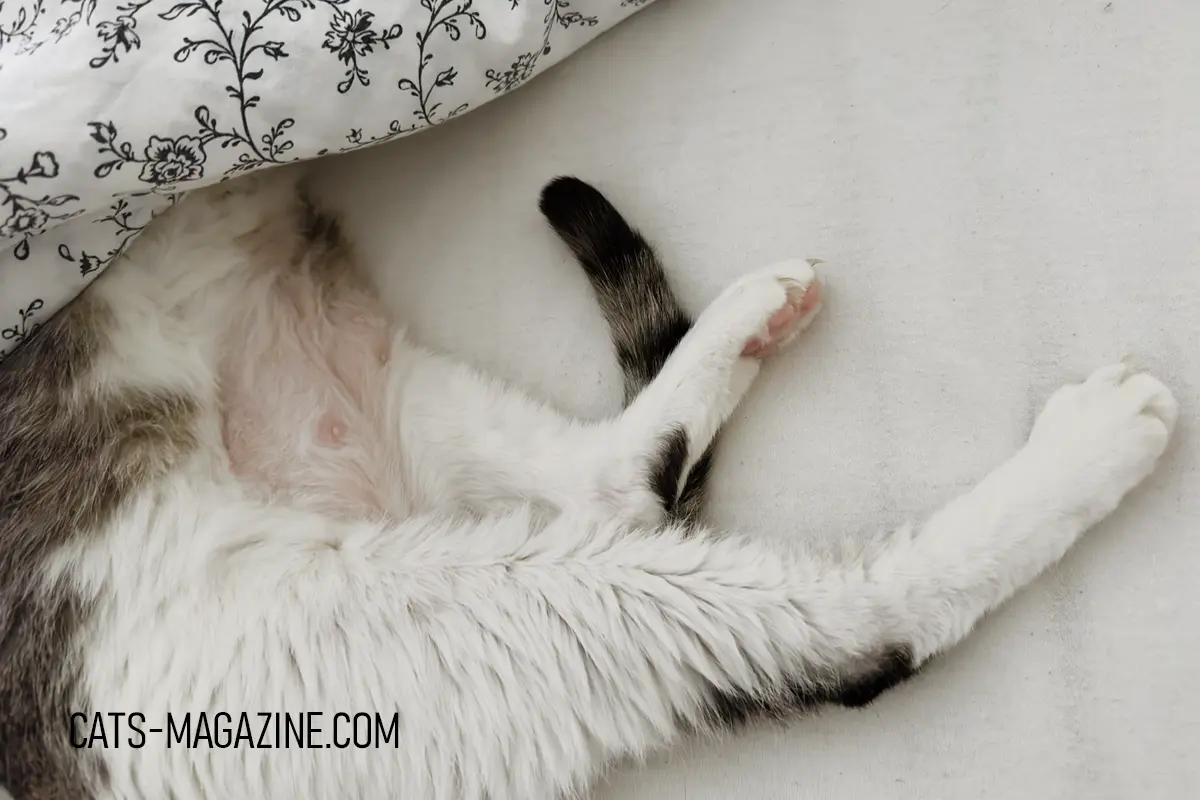
When cats start overlicking, leaving bald spots, or developing scabs, it’s usually not vanity – it’s discomfort. Allergies are one of the most common causes, whether from food, fleas, or environmental irritants like dust or cleaning products.
Pierre, my sensitive sweetheart, is the living example. His skin flared up suddenly, and he began obsessively licking his belly until it was nearly bare. After weeks of detective work (and vet visits), I learned that his skin irritation was linked to diet sensitivity and stress. Once we adjusted his food and added salmon oil supplements, the change was remarkable – softer fur, calmer skin, and fewer midnight scratching sessions.
If your cat is constantly itching or grooming one area, start by ruling out fleas and food reactions. Check out Tackling Itchy Skin in Cats, where I share Pierre’s full journey – from testing natural remedies like coconut oil and aloe vera to knowing when it’s time to call the vet.
Allergies can also be triggered by boredom or anxiety, especially in indoor cats. Overgrooming sometimes turns into a form of self-soothing, similar to nail-biting in humans. My article The Happy & Healthy Indoor Cat: Your Ultimate Guide explains how enrichment and routine can reduce that kind of stress.
And if you’d like to understand the emotional side of feline health, check out International Cat Care’s Guide on Stress in Cats which explains how chronic stress manifests in behavior and health.
Nutrition & Supplements
A cat’s health starts in the bowl. The right diet can prevent countless problems – from dull coats to digestive upsets – while the wrong one can quietly cause them. Balanced homemade cat food or high-quality commercial diets provide the base, but most cats also need specific nutrients to stay truly healthy.
When I started making food for Tito, Myratz, and Pierre, I learned that love and chicken breasts alone weren’t enough. Cats need taurine, calcium, omega-3s, and vitamins to thrive. My full guide, Homemade Cat Food: Best Supplements Your Cat Needs, covers exactly which supplements I use, in what amounts, and how they help keep my trio healthy and shiny-furred.
If you’re unsure where to start, 25 Common Questions About DIY Cat Food – Answered with Love and Experience breaks down the basics of feline nutrition in plain language – from tuna myths to taurine truths.
For natural immune support, I also use functional mushrooms such as Reishi, Cordyceps, and Turkey Tail. They’ve been studied for their benefits in both humans and animals, helping with joint health, energy, and immunity. You can read more about how I use them safely in Functional Mushrooms for Cats: A Natural Boost for Joints, Immunity, and Energy.
And if you’re building a long-term wellness plan for your feline family, The Ultimate Guide to Raising a Cat – 7 Steps to a Healthier, Happier Cat brings it all together – from feeding routines to vet care and emotional well-being.

Senior Cat Wellness
Senior cats have a grace all their own – slower steps, deeper naps, and a wisdom that only comes with time (and a bit of mischief). But with age also come new challenges: arthritis, kidney issues, and gradual weight loss are all common companions of feline seniority.
The good news? A few thoughtful adjustments can make your cat’s golden years genuinely golden. Soft bedding, easily accessible litter boxes, and warm resting spots help them move comfortably and feel secure. You’ll find more practical tips in The Secret World of Senior Cats – How to Care for Older Cats, where I go through daily routines, vet care, and small tricks that make a big difference.
Nutrition plays a major role too. Older cats often need higher protein and joint-supporting nutrients to stay strong and mobile. If you’re wondering what to feed, check out What Is the Healthiest Cat Food for Senior Cats?, which breaks down the best diet choices – including solutions for picky eaters and cats with sensitive digestion.
Finally, environment matters as much as diet. Even little things like a step stool to reach the sofa or a heated mat by the window can transform your senior cat’s comfort. My guide How to Make Your Home Cozy for Senior Cats offers simple ways to turn your space into a safe, warm retreat where your elder feline can stretch, rest, and rule with dignity.
And don’t forget those regular vet checks – they’re the best early-warning system for catching age-related problems while they’re still easy to manage.
When to See a Vet Immediately
Sometimes, waiting it out just isn’t worth the risk. Cats are subtle creatures, but certain symptoms should always ring alarm bells. Don’t wait if you notice:
- Difficulty breathing or wheezing
- Persistent vomiting or diarrhea
- Refusal to eat or drink for more than 24 hours
- Blood in urine, stool, or vomit
- Rapid or unexplained weight loss
Early intervention saves lives. Trust your instincts – if something feels off, it probably is.
If your cat’s condition seems complex or doesn’t improve with regular care, it might be time to go beyond your local clinic. My article Why Your Cat Might Need a Veterinary Specialist – And How to Find One explains when to seek a second opinion, what specialists do, and how to find one who understands feline-specific conditions.
And if you’re still looking for the right everyday vet, start with 10 Questions to Ask Before Choosing a Veterinarian for Your Cat – it’s a simple checklist that helps you choose a clinic where both you and your cat will feel safe, respected, and understood.
How to Keep Your Cat Healthy Year-Round
- Feed a balanced diet with taurine and omega-3s
- Provide fresh water daily (preferably via fountain)
- Keep vaccinations up to date
- Regular flea and worm treatments
- Mental stimulation: toys, scratching posts, and playtime
Final Thoughts – Love Is the Best Medicine
Every whisker twitch, every sleepy stretch is a small sign of life and trust. Caring for cats means learning their quiet language – the subtle signs that say, “I’m not okay.”
Payo taught me that illness doesn’t define a cat’s life – love does. So, keep watching, keep caring, and your cat will tell you everything you need to know, even in silence.
All photos by bsilvia.com, supporting local cat rescues and helping stray cats find forever homes.