Table of Contents
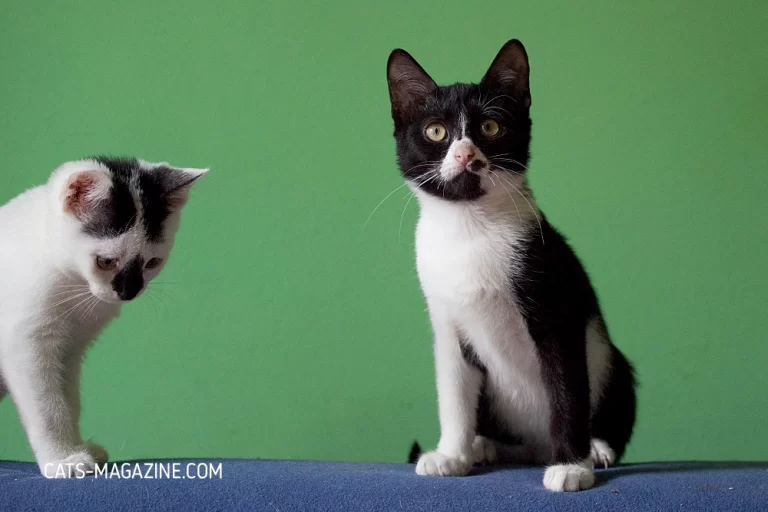
Eight years ago, my sister found a tiny black-and-white kitten huddled near a shopping center parking lot. He couldn’t have been more than two months old. His tail was broken, his fur was dusty, and his eyes looked both scared and curious – that wild mix of vulnerability and defiance that only street kittens have.
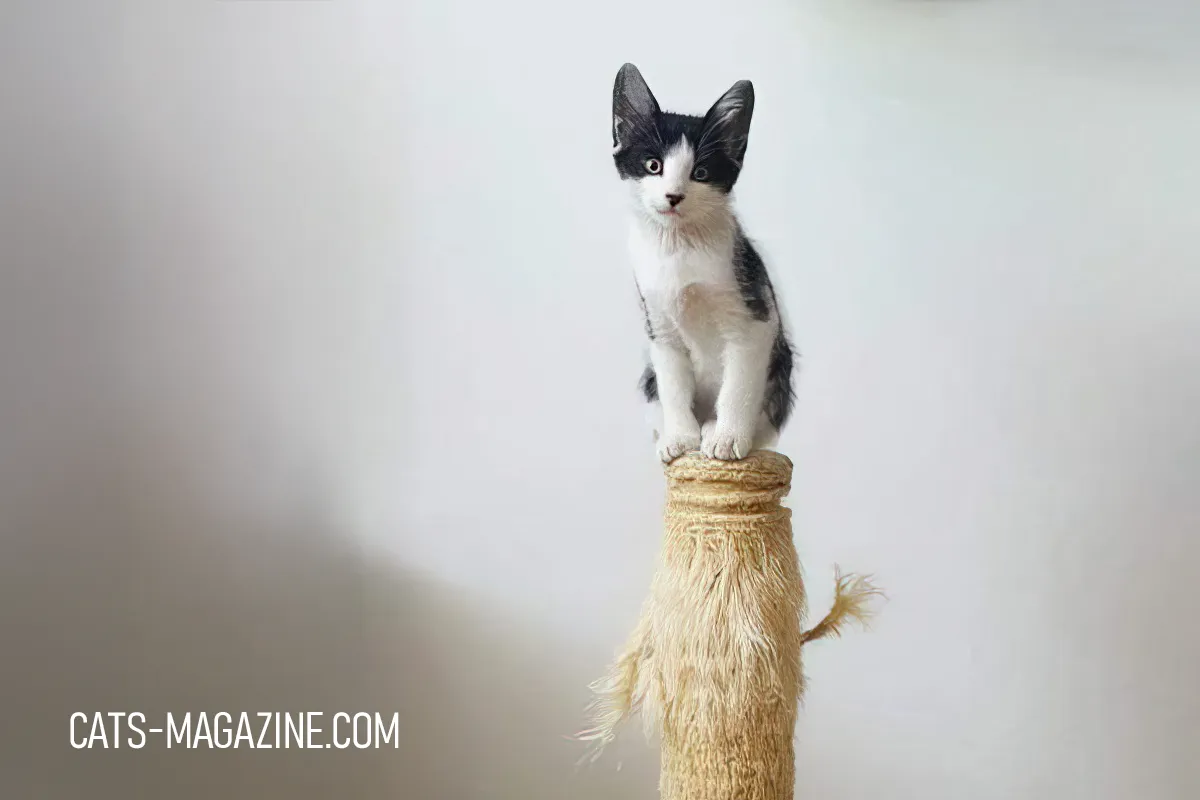
She took him to the vet, who delivered a grim verdict:
“We can try to save the tail, but the outcome might not be good. He could lose it.”
Most people would’ve stopped there. My sister didn’t.
She already had three cats at home but couldn’t turn her back on him. She named him Miró, inspired by his quirky black-and-white patterns – “like a modern art painting gone slightly mad.”
When no one wanted to adopt a tailless, “ordinary-colored” cat, he stayed.
And that’s how a fearless kitten with no tail grew up to become a muscular, heroic cat with a big heart.
From Tail-less to Mighty
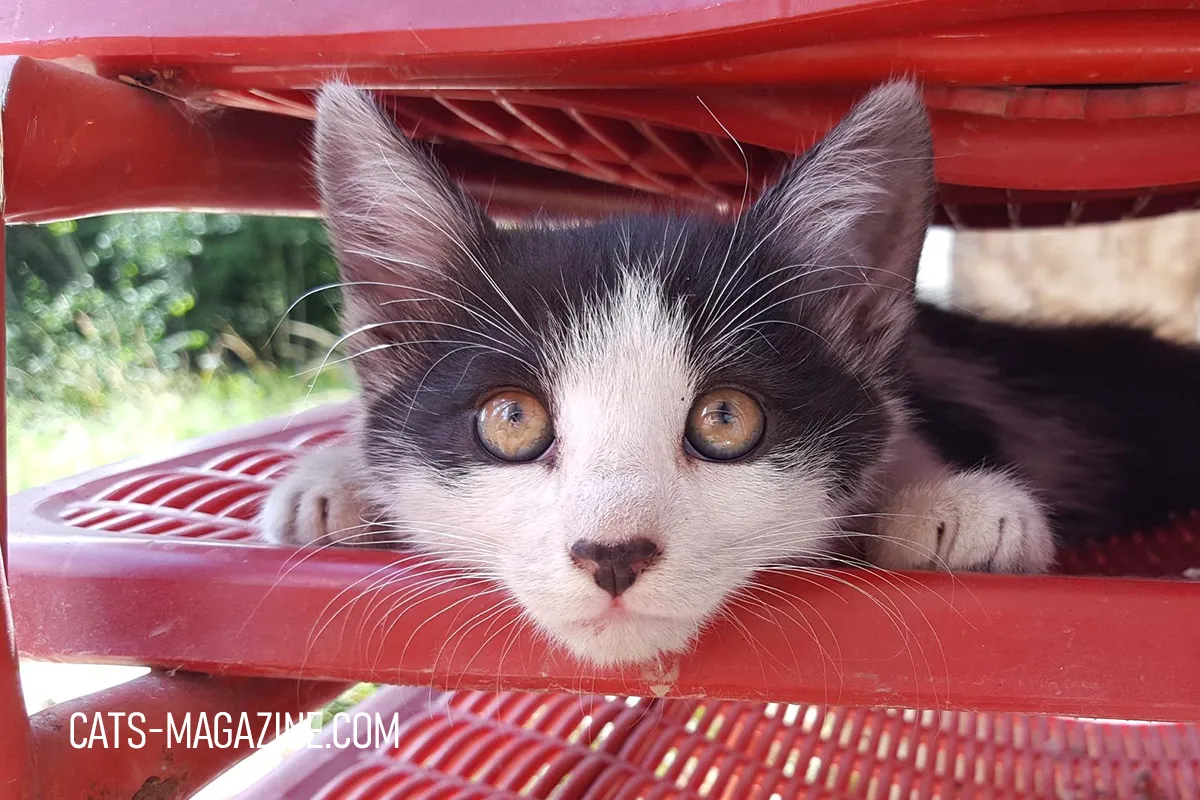
Without his tail, Miró had to learn balance all over again. He compensated by building strong back and leg muscles – his body literally adapted to overcome what was lost. And what strength he gained!
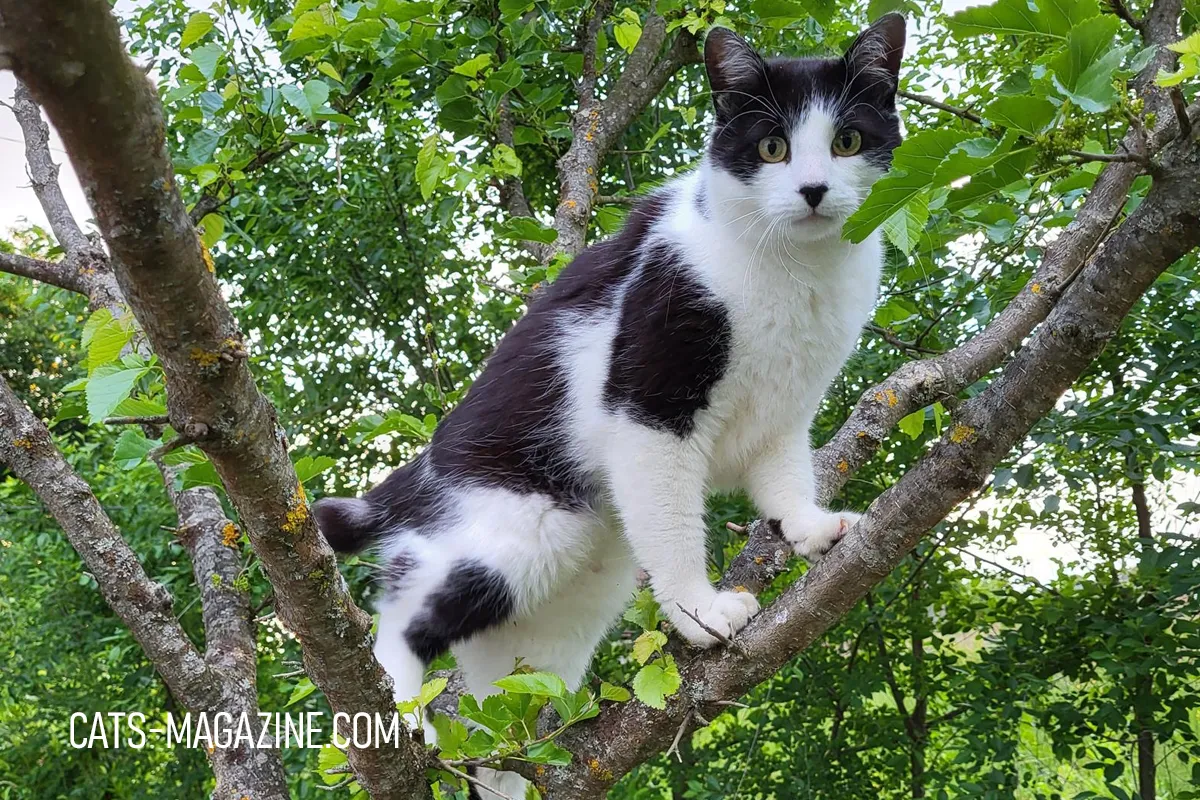
He became the kind of cat who climbed everywhere, ran like a tiny panther, and carried himself like he ruled the household (which, honestly, he did).
Miró traveled everywhere with my sister – to her office, to her holiday house and even to our mother’s apartment when she was away for more than a day.
The Day Miró Became a Donor
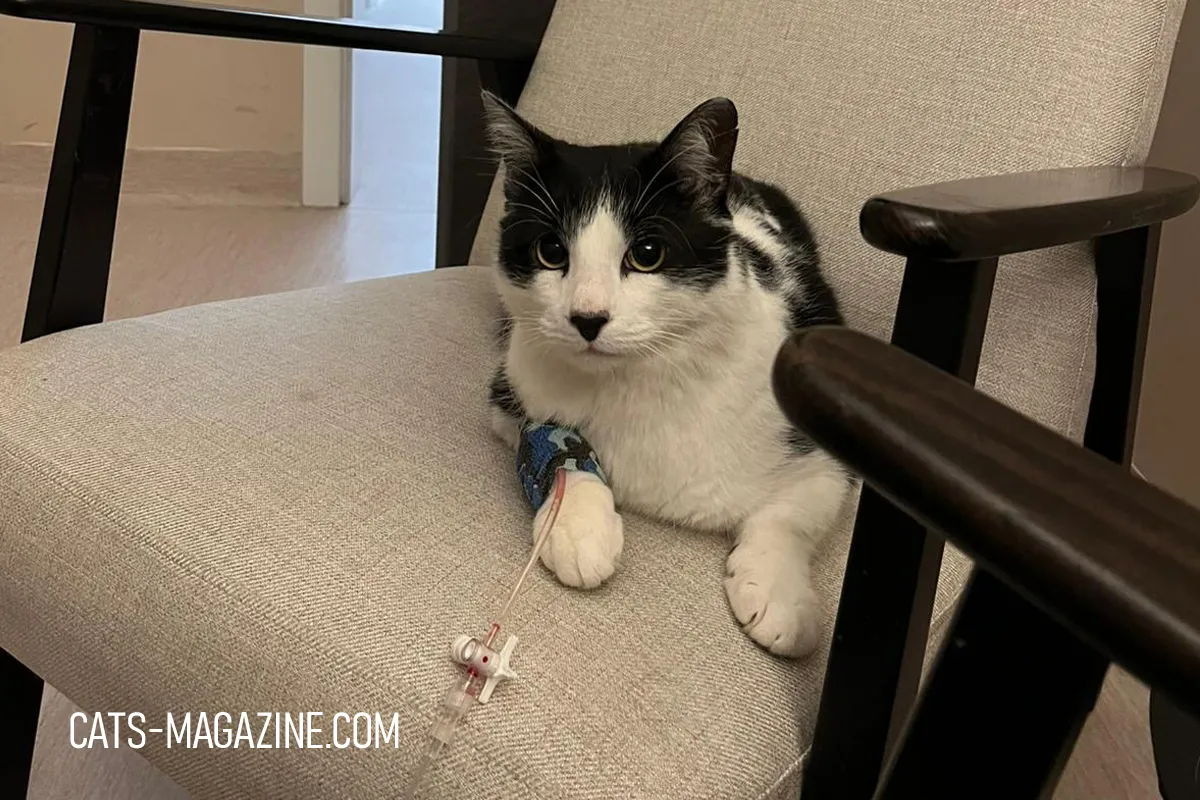
One day, my sister received a call from her vet: a cat in critical condition needed an urgent blood transfusion.
She didn’t hesitate. She packed up Miró – by then a strong, confident cat – and drove to the clinic.
Miró’s blood was a match, and the transfusion worked. The other cat survived.
That single act of kindness opened the door to something bigger: the vet asked if Miró could join their cat blood donor registry, and my sister agreed.
Since then, Miró has helped several cats recover from severe anemia, surgeries, and emergencies. Just a few days ago, he made his final donation, helping yet another feline in need. At eight years old, he’s reached the usual donor age limit – most clinics accept cats between 1 and 8 years for blood donation.
Miró has officially retired as a donor, but his legacy will live on.
How You (and Your Cat) Can Help Too
If you have a healthy, calm, and friendly cat, you can ask your vet whether there’s a feline blood donor program in your area.
It’s often as simple as a quick screening and a small blood sample for typing.
Cats, just like humans, have different blood types – so every donor counts.
Even one donation can save another cat’s life.
Cats have three main blood types – A, B, and AB – and transfusions must be carefully matched. Type A is most common, while Type B is frequent in breeds like British Shorthairs and Devon Rex. Knowing your cat’s blood type can save precious time in an emergency.
When I started researching more about feline transfusions, I found a fascinating overview by the Cornell University College of Veterinary Medicine explaining how cats have three main blood types and why precise matching is so critical during emergencies.
Who Can Be a Cat Blood Donor?
Not every cat can donate blood, but many can.
Here’s what veterinarians generally look for:
- Age between 1 and 8 years
- Weight over 4.5 kg (10 lbs)
- Good overall health
- Calm and cooperative temperament
- Up-to-date vaccinations and parasite prevention
- No history of major illness or pregnancy
Most clinics run a small blood test first to check type and hemoglobin levels.
And if you’re curious about what makes a good feline donor or how clinics perform these procedures safely, the American Association of Feline Practitioners has excellent, vet-approved guidelines that every cat parent should read at least once.
To be a blood donor, cats need to be fit and healthy – usually between 1 and 8 years old and over 4.5 kg. Regular playtime, a balanced diet, and good supplements keep them strong enough to help others when it matters most.
Nutrition: The Secret Behind a Feline Hero
Miró’s strength didn’t come from magic – it came from care, consistency, and good nutrition.
After losing his tail, he needed strong muscles to keep his balance, and food played a huge part in that transformation.
A strong immune system and optimal red blood cell levels depend on what a cat eats, but so does their mood. Well-fed cats are calmer, more confident, and curious in all the right ways. You can always tell when a cat feels good – their eyes sparkle, their fur shines, and they walk around like they’re the kings of the sofa (which, in Miró’s case, he definitely was).
She often prepared homemade meals for him – simple, vet-approved recipes with cooked chicken, rice, or salmon, plus supplements to keep food balanced. You can find more ideas in my other guides on homemade cat food, especially if you’re cooking for sensitive tummies or picky eaters.
If your cat is an indoor explorer or occasionally plays superhero, consider adding:
- Salmon Oil for Cats – for omega-3s that boost immunity and keep the coat shiny.
- Taurine Supplement – essential for heart health and overall vitality.
- Multivitamin Powder for Cats – a good backup for picky eaters or recovery periods.
Good food keeps the hero’s cape flying.
A Legacy of Kindness
Miró’s story isn’t just about one cat; it’s about what happens when empathy meets action.
Every rescued animal holds the potential to give back – not just affection, but life itself.
And while Miró may no longer be on active donor duty, he’s inspired others to step up. Because you never know – one day, your cat might save another cat’s life… or even need saving themselves.
Frequently Asked Questions About Cat Blood Donation
Is blood donation safe for cats?
Yes, when done under veterinary supervision, cat blood donation is very safe. Donor cats are carefully screened for health, weight, and temperament. They’re sedated lightly to stay calm, and only a small, safe amount of blood is taken. Most cats recover quickly – often ready to play or nap just hours later.
How often can a cat donate blood?
Most veterinarians recommend donating no more than every 2–3 months, depending on the cat’s health and recovery. After each donation, vets usually provide fluids or a small meal to help restore hydration and energy.
How can I register my cat as a donor?
Ask your vet if they participate in a feline blood bank program or can refer you to one nearby. Some clinics keep lists of healthy donor cats for emergencies. Even if your cat never gets called, being on the list can make a life-saving difference for another feline.
Amazon Affiliate Disclaimer
Please note that links from Cats-Magazine.Com to Amazon.Com are affiliate links. This means that if you click on the link and make a purchase, we may receive a small commission at no extra cost to you. This helps support our work and allows us to continue providing valuable content. Thank you for your support!