Table of Contents
Cats are famous for hiding pain. A cat may still jump on the sofa, eat normally, and greet you at the door — even when discomfort is slowly building in the body.
Because of this, many cat guardians start looking for gentle ways to support their pet’s health, whether through therapies like acupuncture or by improving nutrition with homemade food for cats.
While it may sound unusual at first, acupuncture has been used for thousands of years in Traditional Chinese Medicine and is now practiced by trained veterinarians around the world.
Let’s explore how acupuncture for cats works, when it may help, and what you can expect during a treatment session.
What Is Cat Acupuncture?
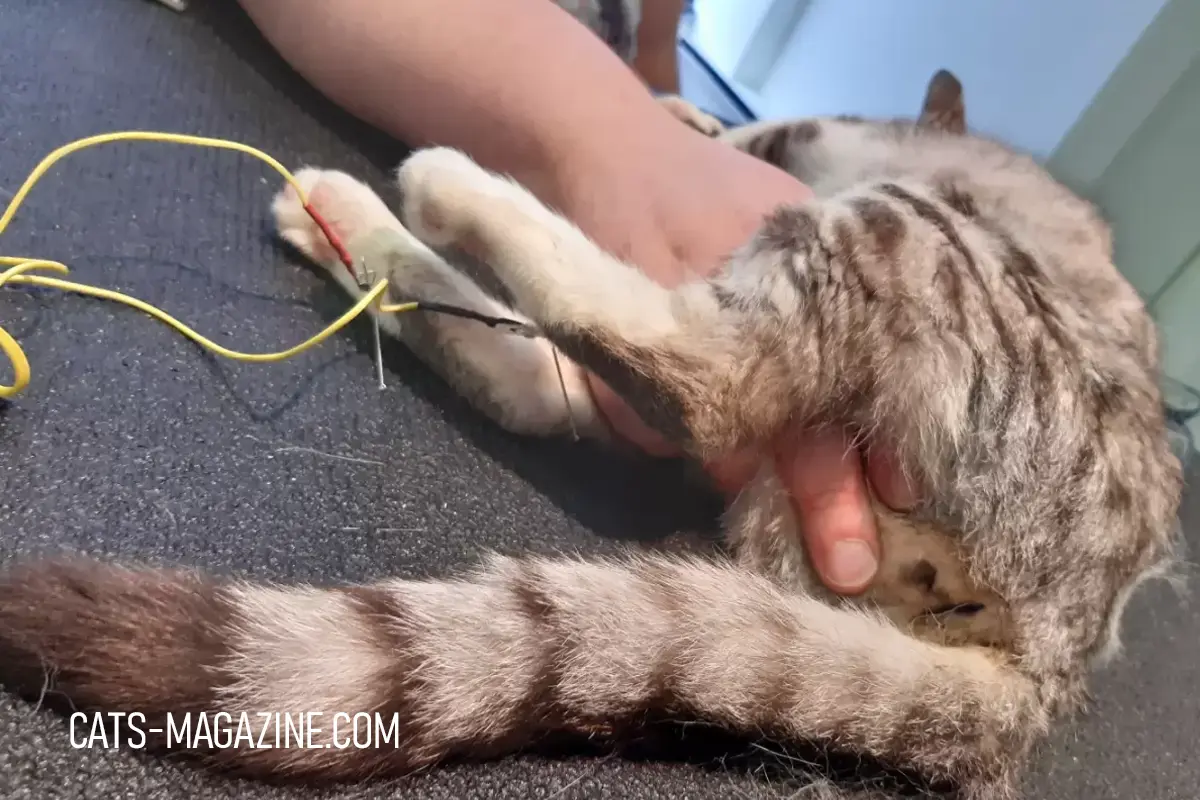
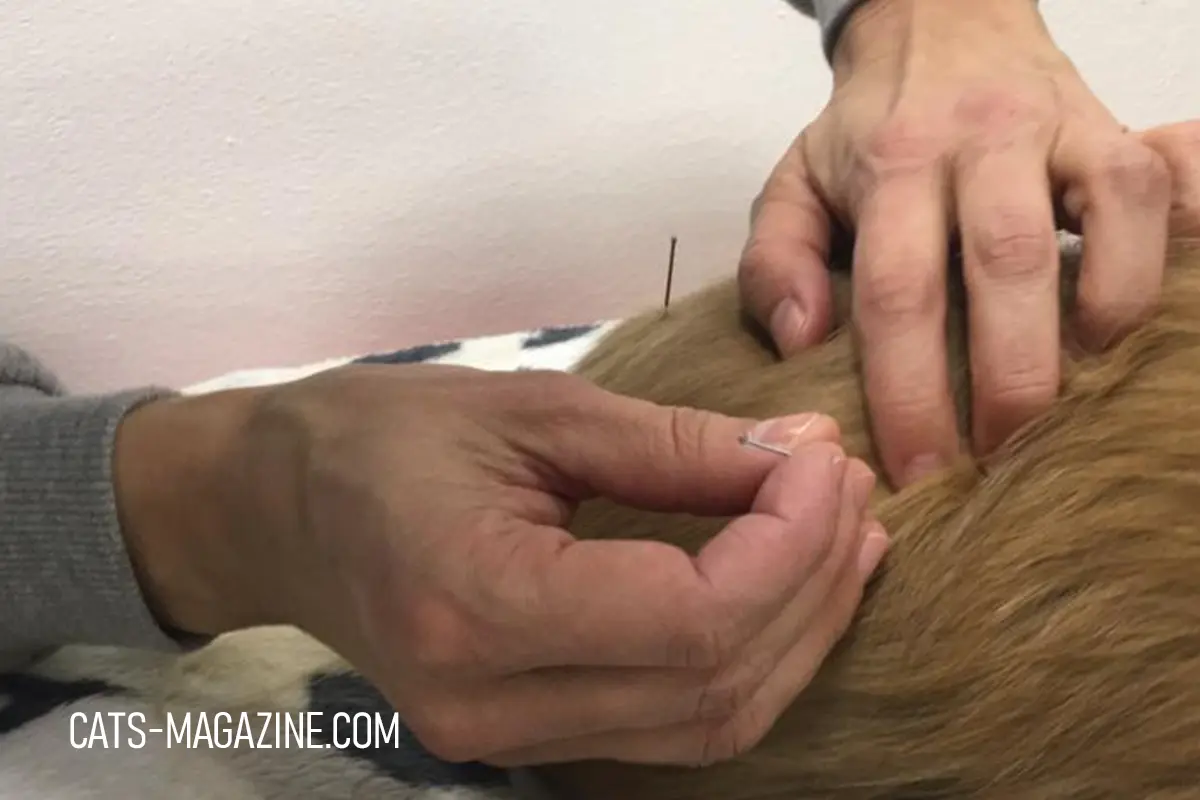
Cat acupuncture is a form of Traditional Chinese Veterinary Medicine (TCVM) in which a veterinarian inserts very thin, sterile needles into specific points on a cat’s body.
These points are located along pathways called meridians, which are believed to influence the flow of energy and bodily functions.
From a modern medical perspective, acupuncture can:
• stimulate nerve pathways
• increase blood circulation
• release natural pain-relieving chemicals such as endorphins
• reduce inflammation
• relax muscles and improve mobility
The goal of cat acupuncture is not to replace conventional veterinary care but to support the body’s natural healing processes.
Many veterinarians use acupuncture as part of an integrative treatment plan, combining traditional medicine with modern veterinary science.
How Acupuncture Works in Cats
Although acupuncture has ancient roots, modern research suggests several biological mechanisms behind its effects.
When acupuncture needles stimulate specific points on the body, they can trigger:
Nervous system responses
Signals travel through the nervous system, helping regulate pain perception and nerve function.
Improved circulation
Better blood flow helps tissues receive oxygen and nutrients while removing inflammatory substances.
Endorphin release
Endorphins are natural pain-relieving chemicals produced by the body.
Anti-inflammatory effects
Acupuncture may help reduce inflammation in joints, muscles, and organs.
Because of these effects, acupuncture can be particularly helpful for chronic conditions where long-term medication may not be ideal.
Conditions That Cat Acupuncture May Help
Acupuncture can support a wide range of health conditions in cats. It is most often used as supportive therapy alongside standard veterinary care.
Pain Management
Chronic pain is common in cats, especially as they age. Arthritis, spinal issues, and past injuries can cause ongoing discomfort that is not always obvious.
Acupuncture may help reduce pain naturally and improve overall comfort.
Many cat guardians notice improvements such as:
• easier jumping
• increased activity
• improved mood and appetite
Musculoskeletal Disorders
Cats with joint or spinal problems often show subtle signs such as stiffness or hesitation when jumping.
Acupuncture may help cats with:
• arthritis
• hip or joint problems
• spinal conditions
• muscle tension or injury
By improving circulation and relaxing muscles, treatment can support better mobility.
Allergies and Skin Conditions
Some cats struggle with allergies that affect the skin or digestive system.
Acupuncture may help regulate immune responses and reduce inflammation, which can support cats dealing with:
• itchy skin
• chronic allergies
• food sensitivities
Digestive Disorders
The digestive system is strongly connected to the nervous system and immune health.
Acupuncture may support cats experiencing:
• gastritis
• gastroenteritis
• food sensitivities
• chronic pancreatitis
Digestive support may also involve dietary changes, especially for cats with sensitive stomachs or food intolerances.
Kidney and Urinary Disorders
Kidney disease and urinary problems are unfortunately common in cats.
While acupuncture cannot cure these conditions, it may help support overall function by:
• improving circulation
• reducing inflammation
• supporting kidney and bladder health
Hormonal Disorders
Some endocrine conditions, such as thyroid or adrenal gland disorders, may also benefit from supportive acupuncture therapy.
When used alongside conventional treatments, acupuncture may help improve overall wellbeing.
Neurological Conditions
Cats recovering from neurological problems may also benefit from acupuncture.
Conditions sometimes supported with acupuncture include:
• epilepsy
• paralysis
• paresis
• nerve injuries
In these cases, acupuncture can help stimulate nerve pathways and support rehabilitation.
Support for Senior Cats and Cancer Patients
Acupuncture is often used as supportive care for geriatric and oncology patients.
For older cats, treatments may help with:
• mobility
• appetite
• energy levels
• overall comfort
In cats receiving cancer treatment, acupuncture may help reduce nausea, support appetite, and improve quality of life.
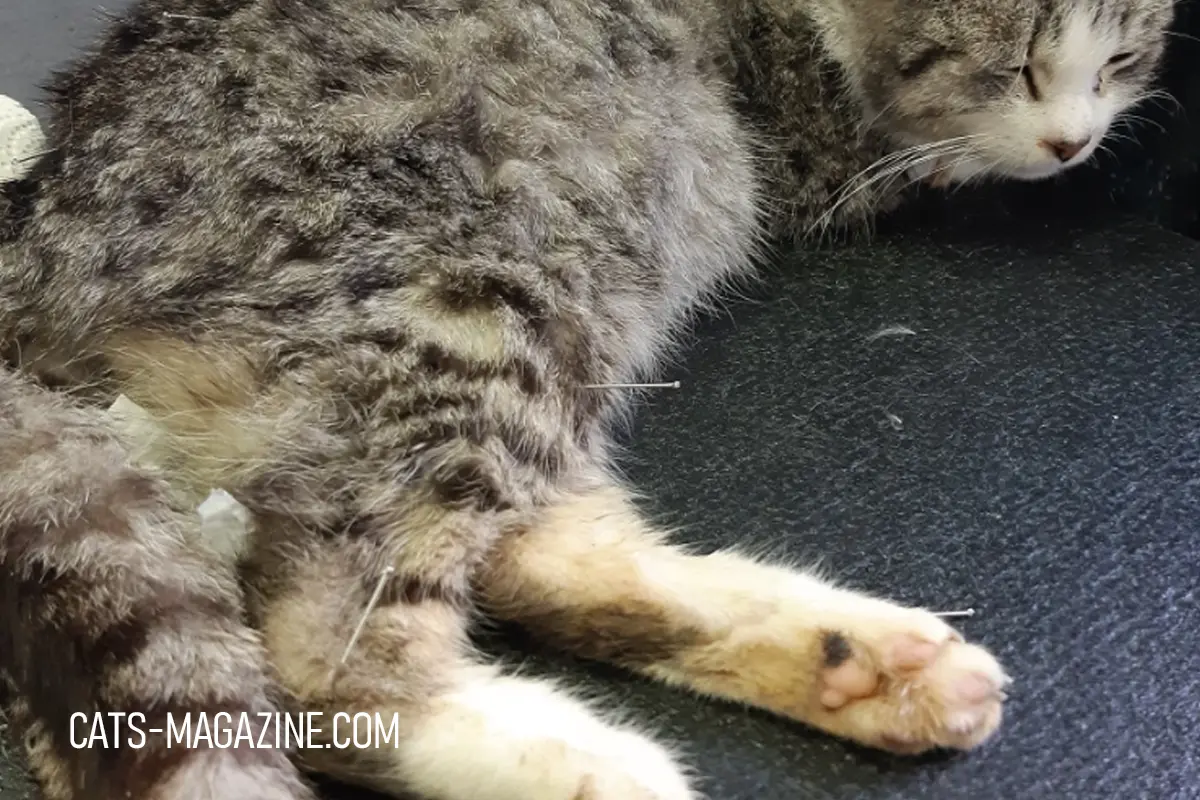
What Happens During a Cat Acupuncture Session?
If you have never experienced veterinary acupuncture before, you might be surprised by how calm and gentle the process is.
The first consultation typically lasts around one hour.
During this visit, the veterinarian will begin with a detailed medical history. You may be asked questions about:
• your cat’s personality
• sleeping habits
• appetite and thirst
• preferred resting spots
• daily routines
• relationships with other pets
• when symptoms appear or worsen
These details are important in Traditional Chinese Medicine because they help identify patterns of imbalance in the body.
The Physical Examination
The physical exam usually takes about 20 minutes.
The veterinarian carefully observes your cat’s posture, movement, breathing, and reactions to gentle palpation of acupuncture points.
The environment is kept quiet and relaxed to minimize stress.
Once the veterinarian determines the appropriate treatment plan, several techniques may be used:
• needle acupuncture
• electroacupuncture
• laser acupuncture
• moxibustion (heat therapy)
• herbal support
Do Cats Tolerate Acupuncture?
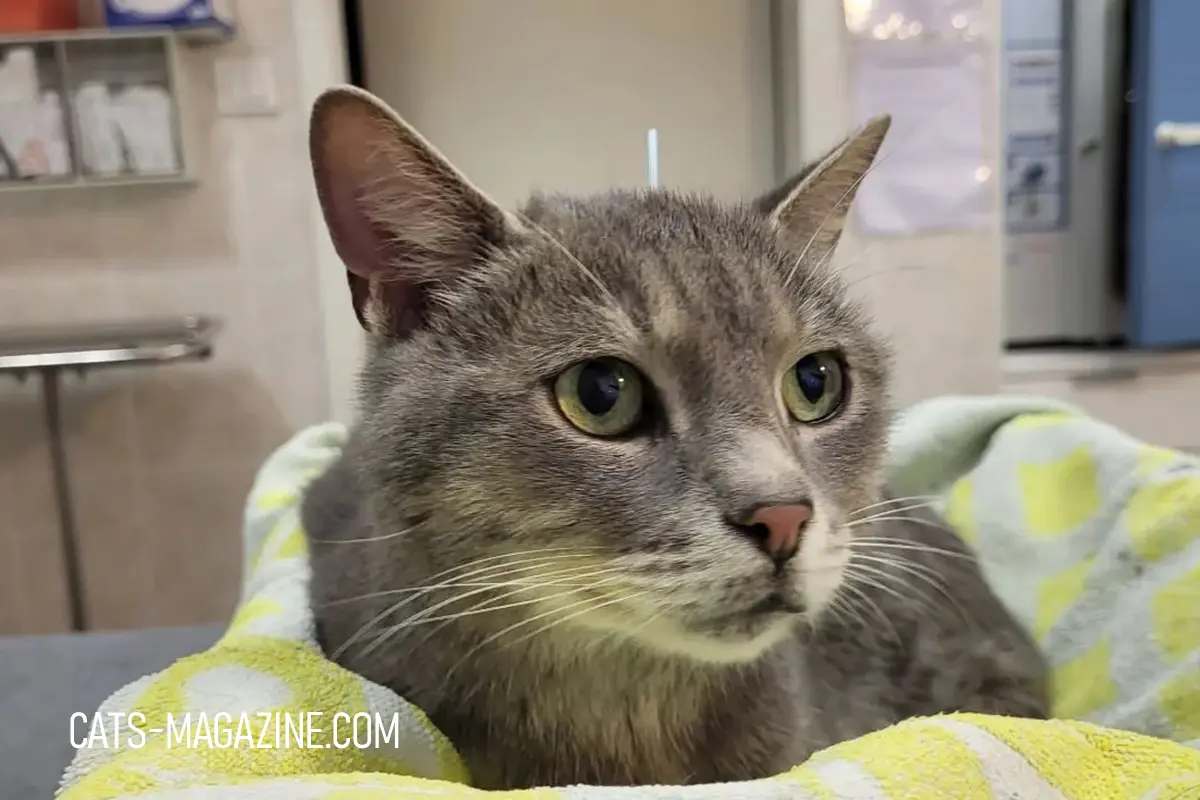
Many cats actually relax during treatment.
Some cats even become sleepy once the needles are placed.
However, every cat is different. Some may be more sensitive or cautious about handling.
Veterinarians trained in feline acupuncture carefully observe body language and adjust the treatment accordingly.
If a cat does not tolerate needles well, laser acupuncture may be used instead. This needle-free technique stimulates the same acupuncture points using a gentle therapeutic laser.
Is Cat Acupuncture Safe?
When performed by a trained veterinary professional, acupuncture is considered very safe for cats.
Possible mild side effects may include:
• temporary fatigue
• slight soreness
• minor bruising at needle sites (rare)
These effects usually disappear quickly.
It is important that acupuncture is performed by a licensed veterinarian trained in veterinary acupuncture, such as practitioners certified through organizations like the International Veterinary Acupuncture Society.
Does Acupuncture Really Work for Cats?
Scientific studies in veterinary medicine suggest acupuncture can help with:
• pain relief in arthritis
• neurological recovery
• inflammatory conditions
In addition to research findings, many cat guardians report noticeable improvements in their pet’s comfort and mobility after treatment.
While acupuncture is not a miracle cure, it can be a valuable part of a comprehensive treatment plan.
Is Acupuncture Right for Your Cat?
Acupuncture may be worth discussing with your veterinarian if your cat:
• suffers from chronic pain
• is aging and slowing down
• cannot tolerate certain medications
• has a condition not fully controlled by conventional treatment
Because it is gentle and minimally invasive, acupuncture can be a helpful option for cats who need extra support without additional medication.
A Gentle Path to Better Wellbeing
Cats often hide discomfort so well that we may not notice a problem until it becomes serious.
This is particularly common in indoor cats, where subtle changes in behavior may be the first sign something is wrong.
Therapies like acupuncture offer a calm, supportive way to help the body heal and restore balance.
For many cats — especially seniors — this gentle approach can make a meaningful difference in comfort, mobility, and overall quality of life.
Frequently Asked Questions About Cat Acupuncture
Does acupuncture hurt cats?
Most cats tolerate acupuncture very well. The needles used in veterinary acupuncture are extremely thin and cause little to no discomfort. Many cats remain calm during treatment, and some even relax or fall asleep during the session. If a cat is sensitive to needles, veterinarians may use laser acupuncture instead, which stimulates the same points without needles.
How many acupuncture sessions does a cat need?
The number of treatments depends on the condition being treated. Acute problems may improve after just one or two sessions, while chronic conditions such as arthritis often require several treatments over a few weeks. After the initial phase, some cats benefit from occasional maintenance sessions.
Can acupuncture help cats with arthritis?
Yes, acupuncture is often used to support cats with arthritis. It may help reduce inflammation, improve circulation, and stimulate natural pain-relieving chemicals in the body. Many cat guardians notice improvements in mobility, activity levels, and overall comfort after treatment.
Is acupuncture safe for senior cats?
Acupuncture is generally considered very safe for senior cats when performed by a trained veterinarian. Because it is gentle and minimally invasive, it is often used to support older cats dealing with chronic pain, mobility issues, or age-related health conditions.
What conditions can acupuncture treat in cats?
Veterinary acupuncture may help support cats with conditions such as arthritis, musculoskeletal problems, digestive disorders, allergies, neurological issues, and kidney disease. It is typically used as part of an integrative treatment plan alongside conventional veterinary care.
How long does a cat acupuncture session last?
The first consultation usually lasts about 45–60 minutes because it includes a full medical history and examination. Follow-up treatments are often shorter, typically lasting 20–30 minutes depending on the cat and the treatment plan.
Is laser acupuncture used for cats?
Yes. Laser acupuncture is a needle-free method that uses a low-level therapeutic laser to stimulate acupuncture points. It is completely painless and can be especially useful for cats that do not tolerate needles well.
Do veterinarians recommend acupuncture for cats?
Many integrative and holistic veterinarians recommend acupuncture as supportive therapy for certain conditions. It does not replace conventional veterinary treatment but can work alongside it to improve comfort, mobility, and overall wellbeing.
About the Author
Dr. Maja Jencic, DVM is a veterinarian specializing in integrative veterinary medicine and acupuncture for small animals. She graduated from the Faculty of Veterinary Medicine at the University of Zagreb and later expanded her work into Traditional Chinese Veterinary Medicine.
She is the founder of Vau Qi, a practice dedicated to small animal acupuncture and holistic veterinary support. Her training includes advanced education in veterinary acupuncture through BEVAS in Belgium and certification from the International Veterinary Acupuncture Society (IVAS).
To learn more about Dr. Maja Jencic’s work, visit her veterinary practice Vau Qi or follow her on Facebook.
Edited for publication by Cats-Magazine.com
Photos courtesy of Dr. Maja Jencic, Vau Qi Veterinary Acupuncture.