Just a day after wandering through Hamburg and soaking up the magic of the CATS! exhibition, I crashed straight into a very unglamorous reality: a spectacular winter cold. Sniffling, coughing, throat on fire, tea in one hand, nose wipes in the other – the full dramatic package.
The cat trio remains completely unfazed, of course. Tito is loudly narrating his every thought, Pierre is suspicious of absolutely everything (including my sneezes), and Myratz is resting with the dignity of an elderly gentleman who has seen it all.
So today, after this short and involuntary pause, I’m finally bringing you something delightfully different: winter cat toys designed by a medicinal phytochemist, crafted with the same precision and elegance you’d expect from luxury skincare (yes, really!).
Every holiday season, the world obsesses over trending gifts for humans – from collectible dolls to gadget-of-the-year mania. But this year? Cats finally get their moment.
Thanks to American scientist Allison Zank, founder of Minou Le-Mew and the botanical wizard behind the feline-care line Feline Grove, we now have Chunkles – meticulously handcrafted toys infused with a proprietary botanical blend called Miracle Nip. These tiny works of art are scientifically engineered to keep cats engaged far longer than traditional catnip toys.
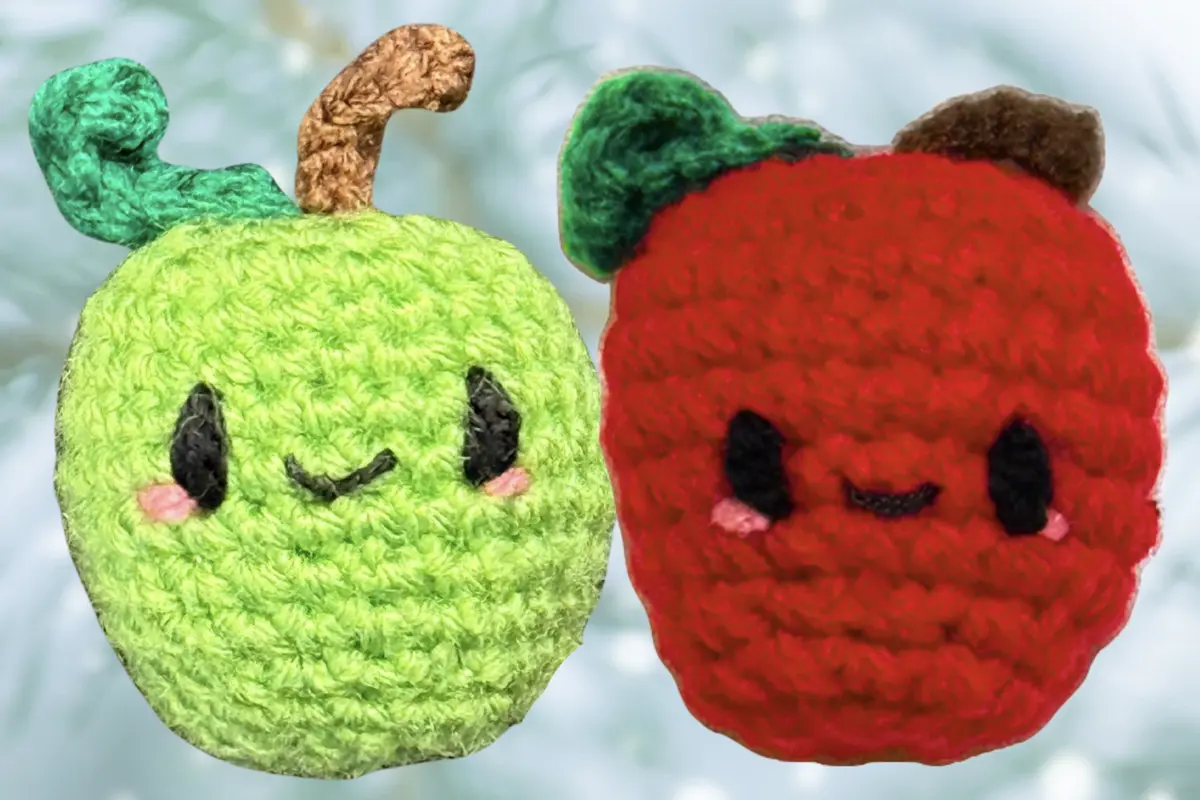
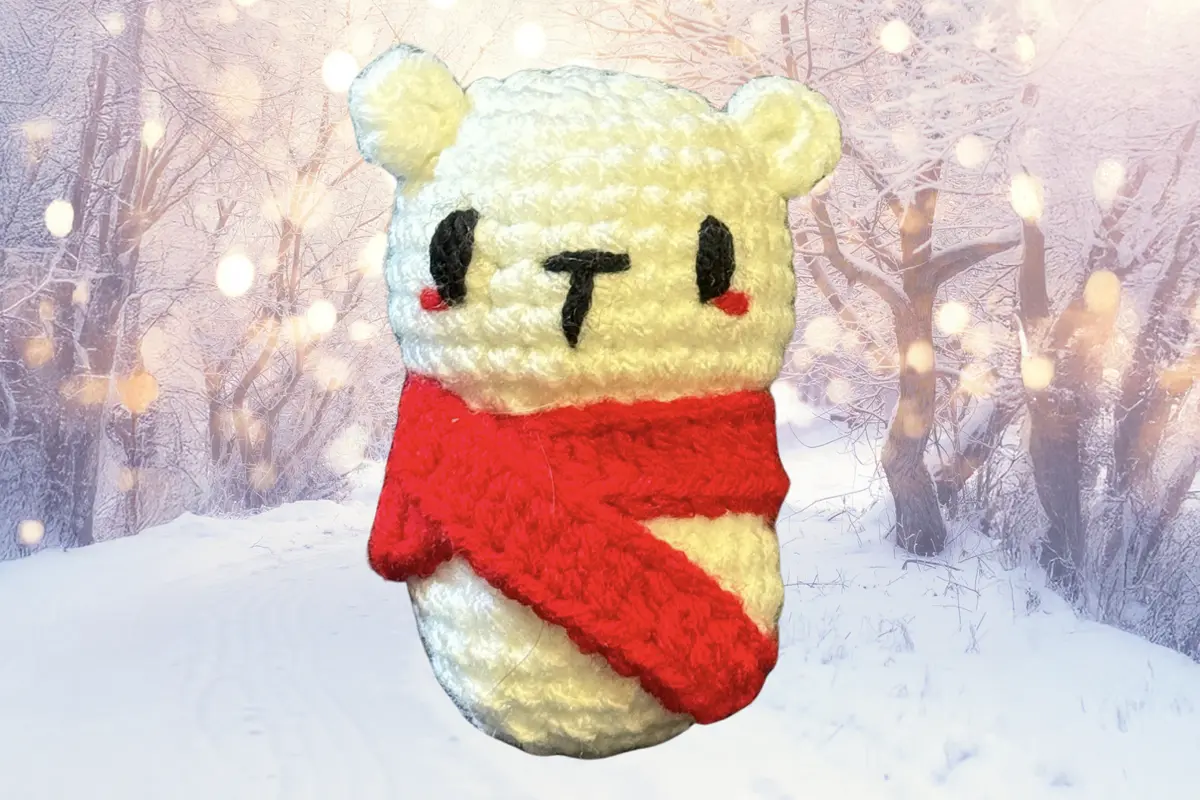
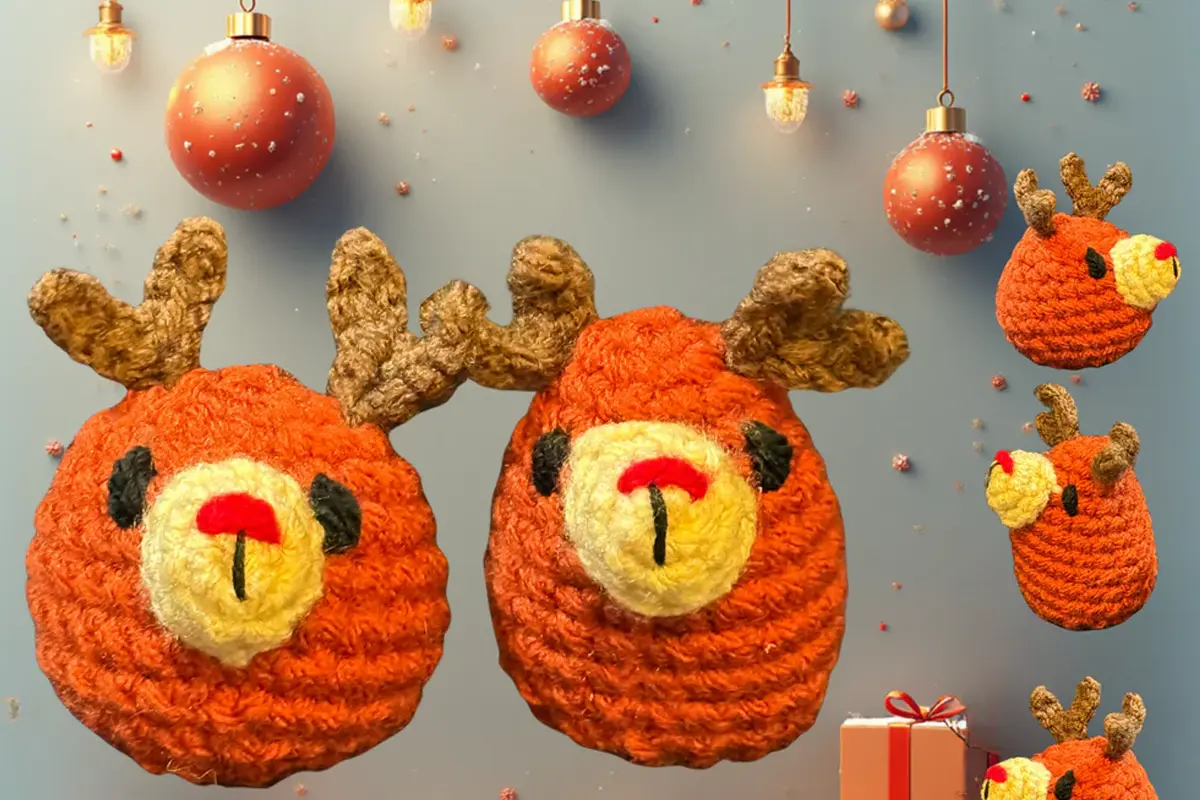
And the winter collection? Reindeer, dreidels, polar bears, holiday candles, apples – basically a seasonal festival of adorable prey-shaped treasures.
If you ask me, this is the first time “holiday gifting for cats” has felt like a proper niche… and a very stylish one.
Before we jump into the Q&A, here’s a quick background: Allison’s work has gained enormous attention in the U.S., with her products showing up at farmers markets, cat shows and feline-themed festivals across Minnesota. Her Chunkles are made with a vegan modernized enfleurage process, where plant compounds slowly infuse into oils over many weeks – a technique historically used in fine perfume production. The result: complex, layered aroma profiles that cats find irresistible.
Allison handcrafts each toy in small batches, and every character has a story. And yes – cats treat some of the weighted ones like real prey, even presenting them as trophies. (Iconic.)
Let’s step inside the story.
Your background blends medicinal phytochemistry, microbiology, and product formulation. How did this scientific path lead you from luxury skincare to creating botanically infused cat toys?
Chemists view plant molecules as precise tools rather than vague natural ingredients and my career started with a very specific goal: contribute to solving the antibiotic resistance problem using molecules found in traditional herbal remedies. I thought antibiotic resistance would span a full career, and while that work was incredibly challenging and exciting but I’m very much a first-principles scientist and once I’ve answered the why to my own standard, I tend to move on to the next problem and allow others to finalize the details. I had pushed the research to a point that felt genuinely satisfying to me and began to be intrigued by the human microbiome.
I moved on to human-subject work studying how the lung, mouth, and nasal microbiomes interact and then the pandemic hit. Human research shut down almost overnight, and like a lot of scientists, I had to pivot quickly. That is how I ended up in health and beauty manufacturing.
The manufacturing role paid the bills, but it did not use much of my scientific bandwidth. I learned a lot about regulation and large-scale organization and it was interesting, but I did not see it as a long-term home. Around the same time, a 35-pound cat named Cabbage moved in to my home. His size created very pressing problems that I could not find gentle solutions to: mats, on areas that were hard to groom, and scoot marks on my furniture and carpets.
So I did what I know how to do. On my own time, I started formulating products specifically to solve Cabbage’s issues, using the same approach I had used in human work, just translated to feline biology, and edible and healthy in case he or one of the other cats ingested it.I don’t really trust non-cat people, so of course, my entire family and most of my friends are all cat people too. Word somehow spread that I was making these products and not only did the products perform in amazing ways, but they were gentle, botanically grounded, and FDA compliant. The demand was there, and was starting to become pretty high among my inner circle and then my inner circle’s inner circle.
Around this same time, the manufacturer I was working for was acquired and reorganized and I was laid off with a severance package and the opportunity to decide where my work should go next. At first I was completely unsure what that should look like. I floundered for a bit, but people were sharing amazing stories of resolved frustrating cat problems and a steady stream of photos and videos of their cats, which I loved.
Then I had an “aha” moment. I could build Minou Le-Mew and Feline Grove around the existing demand. It was a perfect way to apply the same training in phytochemistry, microbiology, and formulation to a different patient population – cats who can’t explain what they need – and to the humans trying to meet those needs more intelligently.
Miracle Nip uses a modernized vegan form of enfleurage. For readers who love the science, what does this extraction process actually look like, and why does it work so well for cats?
Classical enfleurage was developed in France for flowers that were too delicate for steam distillation. You spread a thin layer of fat on glass plates, lay fresh petals on the surface, and let the volatile molecules diffuse into the fat. Every day or two you remove the spent botanicals, replace them with fresh ones, and repeat that cycle until the fat is saturated with scent.
For Miracle Nip, I kept the core idea – slow, repeated contact between plant tissue and a lipid phase – but rebuilt it with vegan materials and botanicals that are relevant to cats instead of flowers for perfume. Freshly prepared plant material is placed into a plant-based lipid base at carefully controlled temperatures. The botanicals rest there for a defined period, then they are removed and replaced with new material.
That cycle is repeated many times, with adjustments in time and temperature depending on the chemical profile of the plant, until the lipid phase holds a complex profile of the compounds I care about. At that point, the infused base is lifted out and incorporated back into the original herb part, finely shredded, and added to the toys (which I call Chunkles).
It works well for cats because many of the molecules they respond to are relatively fragile. The best-known examples are iridoids like nepetalactone from catnip and nepetalactol from silver vine, but related compounds from other plants also contribute to the “cat response.” High heat or aggressive solvents can skew that profile toward a few dominant notes. A slow, low-temperature, lipid-based process preserves more of the original ratios and allows some of the larger or more subtle molecules to stay intact.
There is also a behavioral piece. Studies show that cats respond more intensely and for longer when the iridoid profile is complex rather than dominated by a single compound. Certain drying and processing conditions can enhance that complexity. The way I build Miracle Nip is aimed at producing that kind of layered signal: a mix of fast-acting volatiles and slower, more persistent components that do not all peak at once. When that infused phase is housed inside a dense, textured toy, each interaction -pawing, chewing, or cheek rubbing – releases a little more of that profile instead of exhausting it in a single burst.
So the short version is that the process is deliberately slow and somewhat tedious, but it lets me preserve and arrange the chemistry in a way that matches how cats actually use scent: not as a one-note hit, but as a changing signal that keeps drawing them back.
The botanical list is fascinating. How did you select which plants belong in the blend, and what makes certain aroma molecules especially irresistible to cats?
I started with three basic filters: safety, history, and chemistry. First, I looked at plants with a documented record of safe use around cats in different parts of the world, and then I cross-checked that against current toxicology and regulatory data. Next, I narrowed that list to plants that either had formal studies showing a “catnip-like” response or strong, consistent anecdotal use as feline attractants: catnip, silver vine, valerian root, Tatarian honeysuckle, and a handful of others.
From there, it became a chemistry problem. We now know that many of these plants share families of iridoid and related compounds – nepetalactone in catnip, nepetalactol and other iridoids in silver vine, actinidine, dihydroactinidiolide, and so on – that reliably trigger the classic rolling, cheek-rubbing, and head-turning behaviors in a large percentage of cats. What matters is not just the presence of one molecule but the overall profile: which compounds are there, in what ratios, and how they change over time as the material dries, warms, or is physically disturbed. Studies on silver vine in particular show that more complex iridoid “cocktails” can produce stronger and longer-lasting responses than a single dominant compound.
In designing Miracle Nip, I treated each plant as a contributor to that profile rather than a star ingredient. Silver vine, for example, has excellent response rates – even among cats who ignore catnip – and brings a dense cluster of iridoids. Valerian root, gall fruit, and others contribute slightly different shapes and time-courses of activity, while some botanicals are there to round the blend, influence how the scent diffuses, or make the overall aroma more pleasant for humans without diluting the signal for cats.
The irresistible part is not magic. Cats appear to be keying in on molecules that intersect with their own sensory and communication pathways, and possibly with evolutionary benefits like insect repellency. My job is to choose plants and processing methods that preserve those compounds, layer them in useful ways, and avoid unnecessary fillers or scents. The result is a blend where different components come forward at different times, so the cat does not experience it as a flat, one-note smell, but as something worth revisiting, investigating, and re-engaging with over and over.
Many cats lose interest in “normal” catnip toys after a few minutes. What have you discovered about why they disengage, and how do Chunkles keep them engaged longer?
Part of it is biology and part of it is design.
On the biology side, most standard toys rely on a single dried plant, usually catnip, which is dominated by one main iridoid, nepetalactone. Cats that respond will often show a burst of behavior for a few minutes, and then the receptors involved desensitize and enter a kind of refractory period. From the cat’s perspective, the signal has ended, even though the toy is still physically present.
On the design side, the way those toys are constructed does not help much. They are often loosely filled with old plant material inside fabric that either dumps a lot of scent at once or almost none at all. You get a short, intense plume of odor, then a rapid drop-off. The object itself is usually lightweight and undifferentiated, so once the initial scent event is over, there is not much to hold the cat’s interest.
With Chunkles, I address both pieces at once.
First, the botanical side is deliberately more complex. Miracle Nip is not built around a single molecule but a group of related compounds from multiple botanicals that release at different rates. That means the scent profile shifts gradually rather than spiking and collapsing all at once. When a cat returns to the toy ten or twenty minutes later, they are not encountering exactly the same signal they already “finished,” which encourages re-engagement instead of simple habituation.
Second, the scent is integrated differently. The infused phase is embedded in a way that responds to handling: biting, compressing, or pinning the toy helps release more aroma, instead of exhausting everything in the first encounter. The cat’s own behavior helps “open” the toy over time.
Finally, the physical structure of Chunkles is intentional. The yarn type, surface texture, density of the stuffing, and – for Chunkle Chunks – the internal weight and its distribution all affect how the toy behaves under the paw and in the mouth. A toy that pushes back a little when batted, settles when pinned, or feels substantial when wrestled gives the cat mechanical feedback that pairs with the scent. That combination of evolving chemistry and meaningful physical resistance is what keeps many cats returning to the same object repeatedly instead of treating it as a brief novelty.
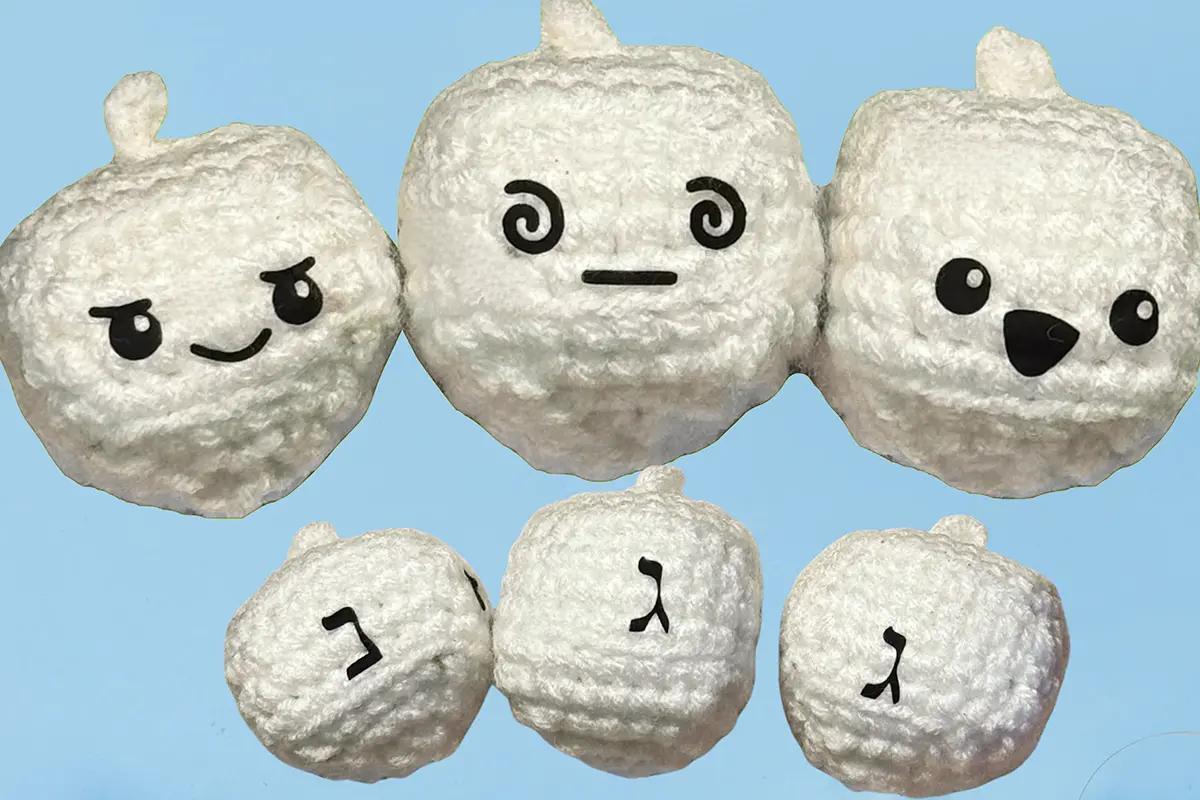
You handcraft Chunkles in small batches, each one with a different character. How do you decide on shapes like Noodle the Inchworm, Augie the Acorn, or Pippa the Chonk? Do you design based on feline behavior or pure imagination?
It starts with behavior. I pay close attention to how different cats prefer to practice their hunting skills indoors. Some are bunny kickers who want a longer form they can chase, pin, and drag. Some are ambushers who prefer a compact target they can slam, hold, and chew. Others are collectors who like objects they can pick up and relocate, almost like trophies.
Noodle the Inchworm came from watching cats track the path of a cord or ribbon along the floor, then pin a section and drag it away. It needed to be long enough to suggest a trail, but still needed a spot to store the Miracle Nip. Augie the Acorn was built for cats who like small, palm-sized prey they can scoop, toss, and bat into corners. Pippa the Chonk is for the super hunters and the wrestlers: cats who want to wrap their forelimbs around something with real mass and then kick against it.
Once I’ve defined the movement pattern and the handling style I’m designing for, that’s where imagination enters. A particular weight range and geometry might clearly belong to a “wrestling” toy, but it doesn’t have to look clinical. A cylinder can become a candle with crinkles or an inchworm with a bendy wire inside; a weighted sphere can become a plump character instead of an anonymous ball. The folklore is layered on top of the function. The cat responds to how it feels, smells, and moves; the character gives humans a way to relate to what, to a cat, is a very instinct-driven shape.
I love the idea that weighted Chunkle Chunks mimic the feel of real prey. What kind of research or observation went into getting the weight and resistance “just right” for cats?
I approached it from both ends: the biology of real prey and the way cats actually interact with objects on the floor.
On the biology side, I started by looking at the approximate weight range of the kinds of small animals an indoor cat would be evolutionarily prepared to handle: think chipmunk-scale rather than mouse-scale. That gave me a target range for how substantial a “serious” toy should feel when a cat pins it, lifts it, or tries to drag it.
From there, it became an iterative design problem. I made a series of prototypes that were identical on the outside but varied in internal weight and how that weight was distributed. Some had the mass concentrated in a tight core, some had it spread out more diffusely.
Then I watched cats interact with them. I paid attention to which toys they would bat once and ignore versus which ones they would return to and really work with: pinning under the forelimbs, gripping with all four paws, kicking, or dragging across the room. The most successful designs had a few things in common. They pushed back a little when struck, instead of skittering away too easily, and they settled under the paw in a way that seemed to “invite” a second and third engagement. They were heavy enough to feel important, but not so heavy that a smaller or older cat couldn’t get them moving.
That process – starting from real prey weight, then refining through repeated rounds of observation – led to the current Chunkle Chunks. When I say they’re calibrated, that’s literal. There’s a very specific window where the toy reads as worth wrestling with, rather than as décor or as something that shoots out of reach after one swipe.
Your catalog is seasonal and collectible – almost like artisanal perfume meets folklore. How do you balance the artistic side of these characters with the scientific precision behind them?
The scientific work comes first. I start by deciding how a toy needs to behave under a cat: the weight range, firmness, how the infused phase is placed, and what kind of play it should support – wrestling, batting, carrying, or stalking. If the structure doesn’t make sense for feline anatomy and instinct, it doesn’t move forward, regardless of how charming the concept is.
Once that framework is set, I treat each piece as an object for the home as much as a toy on the floor. The characters, shapes, and seasonal themes are ways of giving those functional decisions a visual and cultural language. That might mean an acorn or a fox, but it also means forms you almost never see in pet products – dreidels, nerot, and other underrepresented shapes that still need to function beautifully as prey objects for cats. Cats are a surprisingly strong unifying force across cultures and genders; I want the visual language of Chunkles to reflect that breadth, not just one narrow aesthetic.
So the balance is straightforward: the science determines how the toy behaves; the aesthetic design determines how it lives in a room. When those two pieces line up, you end up with an object that a cat wants to attack and a person is comfortable leaving out where everyone can see it.
Your care line – Fluff Potion Number 9, Litter Magic, Asterisk Wipes – feels like a feline apothecary. What problem did each of these products originally set out to solve?
Each one started with a very specific situation that kept coming up from Cabbage. I’d never had such a large cat before, but had had elderly cats and rescue cats who also required some of the same solutions.
Fluff Potion Number 9 began with mats. Cat lovers with a certain subset of cat see the same pattern over and over: dense mats close to the skin, solutions that leave a cat lover feeling guilty, and a cat who either tolerated it miserably or stopped trusting the person altogether. Repeated pulling at skin is painful and it undermines the sometimes already tenuous relationship.
I wanted something gently and trauma-free that worked at the base of the mat rather than on the hair shaft, and that could be applied precisely where it was needed. That led to a serum that goes on with a built-in applicator, sits at the skin level, and allows the mat to loosen and fall away over several days instead of being ripped out in one stressful session or forcing an unpleasant car trip to the vet or groomer (and the <$100 bill that comes with it).
Litter Magic came from the reality of sharing a normal-sized home with multiple cats. Most “odor solutions” for litter are incomplete so they add in heavy fragrance which can be unpleasant or even aversive to cats. I wanted something that actually addressed odor while staying fragrance-free and compatible with feline noses. The goal was simple: you should be able to walk past a litter box and not be reminded of it.
Asterisk Wipes were born from what I usually call the less elegant moments: long-haired cats, seniors, rescue cats who have had dental work, or kittens who periodically need help staying clean under the tail. People were improvising with whatever human wipes were in the house, which either contained fragrance and surfactants that weren’t designed for an animal who grooms themselves or were just plain water which does nothing to soothe irritated skin.
I wanted a compostable, individually-wrapped wipe that could be subtly stored in the rooms that need it most. It also needed to be based on food-grade ingredients, mild enough for the areas cats lick the most, and straightforward enough that people would actually use it when they needed to.
Your story includes a shift from industry into entrepreneurship while raising two daughters as a widow. How has that experience shaped your vision for franchising Feline Grove and creating opportunities for others?
Raising two daughters on my own made me question the basic structure of how most jobs are set up. Traditional on-site work expects you to disappear into a building for most of the day while your kids are on spring break, summer break, or home sick. You come back in time for dinner and homework, and that’s supposed to feel normal. It never really did to me. It felt like I was observing their lives in fragments instead of participating in them, and I don’t think that’s how humans – or families – were meant to function long term.
That perspective is built into how I think about franchising Feline Grove. I’m not interested in reproducing a system where you trade presence in your own life to keep a job. The model I’m building is a network of small, owner-operated home-studios that use shared science, formulations, and systems, but can be run in ways that are more compatible with actual families and real constraints.
Practically, that means centralizing the pieces my background is best suited for: botanical research, product development, safety and regulatory work, and the underlying manufacturing and branding systems. Franchise owners shouldn’t have to become chemists or regulatory experts to participate. Their work is local: serving cat owners, running a beautiful, functional space, and making or finishing products to a standard that’s already been thought through.
The goal is to offer serious, science-driven work that does not require disappearing into someone else’s building on someone else’s schedule. I want Feline Grove locations to be viable for people who need real income and professional identity, but who also want to be present for their kids, their partners, their elders, or simply their own lives – with cats as the common ground that makes the whole thing possible.
Looking ahead, what can cat lovers look forward to? Any upcoming botanical discoveries, new characters, or expansions you’re excited about?
On the botanical side, I am working on a second herbal blend designed specifically for scent rotation. Cats are very good at normalizing a scent they encounter in the same way every day. This new blend is not meant to replace Miracle Nip, but to sit alongside it with a different balance of active compounds so people can alternate between the two and keep the experience fresher for their cats.
I am also developing Calm Balm, which is aimed at the other end of the spectrum. Chunkles are built to activate hunting and play. Calm Balm is being formulated for the moments when a cat is overloaded: travel, vet visits, holidays, new environments. It uses plant compounds that intersect with the same sensory and communication pathways cats rely on, with the goal of helping them step back from a state of agitation without sedating them or simply masking the situation with a human-pleasing fragrance.
On the character and design side, there is a lot in motion. I am collaborating with Alliance Française on France-themed toys, which is a natural fit given how much of my extraction approach is rooted in old French perfume methods. It is an opportunity to play with forms and references that feel quietly French in a way that still makes sense on the floor under a cat. I am also working on custom designs tied to Bill Bruce’s upcoming album, which lets the Chunkles language cross over into a completely different context: music, performance, and the visual world around it.
Beyond those specific projects, I am continuing to build out the care and at-home side of the line, in the same spirit as Fluff Potion, Litter Magic, and Asterisk Wipes: products that solve real problems cleanly, and objects that can live in visible parts of the house without looking like disposable pet gear. The common thread is consistent: botanically serious formulations, behavior-driven design, and a level of aesthetics that respects the fact that these things share space with the rest of someone’s life.
A Few Last Paw-Prints Before We Go
Talking to Allison feels like talking to a scientist, an artist, and a cat devotee all at once – the trifecta combination we desperately need in the pet industry. Her winter toys don’t just look charming; they’re built on serious chemistry, thoughtful design, and a deep respect for feline instincts.
From Chunkles to Chunkle Chunks, to grooming formulations like Fluff Potion Number 9 and odor-neutralizing Litter Magic, her work blends science with soul. And based on the enormous interest at Minnesota cat events and farmers markets, the world is more than ready for collectibles created specifically for cats.
If your cat deserves a winter toy crafted with the precision of a perfume house and the playfulness of a fairy tale, Minou Le-Mew’s collection is a perfect place to start.