From raw-food rivalries to Pierre’s hypoallergenic highness and Myratz’s dramatic snubs, this fun guide unpacks every cat-food conundrum I’ve faced. Expect laugh-out-loud tales, vet-backed tips, and practical tricks for surviving the picky-eater circus.
Table of Contents
Welcome to my world – where meal times are more dramatic than a soap opera, and cat food is a constant mystery wrapped in fur. If you’ve ever stood in the pet aisle, staring at dozens of flavors while muttering, “Will Myratz eat duck pâté today, or will he act like I’ve served him cardboard?” – you’re in excellent company.
Feeding cats is not for the faint of heart. It’s a daily riddle, a whiskered roulette game, and occasionally, a full-blown existential crisis. Why do they love something one day and act utterly betrayed by it the next? Why does Pierre prefer hypoallergenic dry food but only from that one brand he liked three Tuesdays ago? The answers lie somewhere between feline psychology and black magic.
So, if you’re on a quest to decode the ever-changing preferences of your picky purring overlords, grab a cup of tea (or catnip, if you’re into that), and join me on this wild culinary ride through the realm of cat food – a journey that’s as hilarious as it is hair-pulling.
The Great Cat Food Debate: To Raw or Not to Raw?
Let’s pounce straight into the whiskered heart of the issue, shall we? The cat food debate is fiercer than a tabby defending their favorite sunbeam. Should our feline friends be dining like tiny tigers with raw meat? Or are kibble and canned meals the safer, smarter bet? Ask five cat people, and you’ll get ten different opinions – and probably a hiss or two.
The raw food movement has clawed its way into popularity, with advocates claiming it’s the most biologically appropriate diet for cats. After all, in the wild, cats don’t exactly stalk kibble pellets through the savanna. Raw meat, organs, and bones mimic their ancestral hunting habits – protein-rich, grain-free, and full of primal appeal. But before you turn your kitchen into a feline butcher shop, know this: raw diets come with risks, including bacteria like Salmonella and nutritional imbalances if not done properly.
Then there’s the dry food squad: budget-friendly, shelf-stable, and oh-so-convenient. But is dry food the feline equivalent of living on fries and soda? Many argue it lacks the moisture cats need and may contribute to obesity or urinary issues, especially if fed exclusively.
And let’s not forget wet food lovers who swear by the texture, taste, and hydration benefits – though your wallet may feel personally attacked by those tiny gourmet cans.
Confused? I hear you. That’s why I also explore a more balanced, DIY path in this guide: Simple Homemade Cat Food Recipes: 10 Easy & Nutritious Meals for Your Kitty. It’s purr-fect if you want control over ingredients without becoming a full-time feline chef.
Whatever you choose, just remember: your cat will probably sniff it, lick it once, and then go eat a houseplant.
My Purr-sonal Cat Food Saga
Welcome to my home – a place where I pay the rent, but the cats run the show with the flair of aristocratic food critics. And when it comes to cat food, let’s just say… it’s complicated.
Meet my trio of furry gastronomes: Tito, the daring one who’ll eat anything (even things that aren’t technically food); Myratz, the fussy feline who inspects every morsel as though it’s auditioning for a role in a Michelin-starred menu; and Pierre, our delicate boy who requires hypoallergenic dry food and will not hesitate to stage a hunger strike if it’s swapped out without written notice.
I’ve tried it all – gourmet wet food with labels fancier than my own dinner ingredients, all-natural kibble that smells suspiciously like herbal tea, and even the occasional homemade delight (thankfully, I had this recipe guide to keep me from losing my mind in the process).
And yet, no matter how much research I do, or how well I think I’ve cracked the cat food code, one of them will inevitably sniff it, glare at me with dramatic betrayal, and trot off like I’ve ruined their entire day. I once bought a luxury pâté that cost more than my own lunch – only for Myratz to paw it out of the bowl and walk away with the offended pride of a royal served lukewarm soup.
Feeding time at our house isn’t just a routine – it’s a ritual, a performance, and occasionally, a psychological experiment. One that has taught me patience, humility, and the fine art of compromise (usually in the form of gravy).
The Case of Pierre: The Gourmet with a Sensitive Stomach
Pierre. Our fluffy little prince with the face of an angel and the digestive system of a Victorian aristocrat – delicate, dramatic, and very particular about his cat food. When he first joined our feline crew, I fed him the standard fare – those cheerful cans with promising labels and cartoon fish. At first, all seemed well… until the gastrointestinal rebellion began.
Let’s just say the air around him took on a “new texture.” His digestive protests were ahem atmospherically pungent – so much so, I considered issuing tiny gas masks to the other cats. The first upgrade was straightforward enough: lightly cooked chicken and mid-tier wet food, which, to Pierre’s credit, he embraced with the solemn dignity of a food critic at a press tasting. Occasionally, I’d offer raw treats, always with a watchful eye and guidance from our vet – because let’s be real, Pierre’s stomach is less “wild predator” and more “fragile poet.”
Then came the plot twist worthy of a feline horror film: Pierre developed a full-blown food allergy. Cue the symptoms – dragging his bottom like he was starring in a low-budget exorcism, barfing with Broadway flair, and engaging in self-barbering sessions that left suspicious bald patches and shattered nerves.
The solution? Hypoallergenic cat food, the kind that looks medically bland but is apparently five-star gourmet in Pierre’s sensitive eyes. It’s now his mainstay, and he eats it with the quiet appreciation of someone who knows that peace, finally, has returned to his belly.
And so, the saga continues – Pierre’s menu may be restricted, but his diva energy is boundless.

Drama with Kidney and Liver: A Special Diet for Special Needs
Not all cat food decisions are about preference – some are about survival. Our whimsical culinary tale took a sobering turn when we were faced with kidney and liver issues in one of our beloved feline companions. Gone were the days of flavor experiments and gravy wars; suddenly, every bite mattered on a whole new level.
Managing feline kidney or liver disease isn’t just about feeding them something they’ll accept – it’s about feeding them something that helps. We found ourselves researching prescription diets, low-protein formulas, and specific nutrients designed to ease the strain on their organs. Supplements joined the menu – things I never imagined needing, like phosphorous binders, liver support powders, and those slightly suspicious vitamin pastes that smell like regret but somehow work miracles.
It was a crash course in veterinary nutrition, and it taught me that cat food isn’t just about pleasing picky palates – it’s a form of medicine, a daily act of care. In fact, finding the right picky cat eating solutions can make all the difference: the right diet can slow disease progression, reduce symptoms, and quite literally extend a cat’s life. That’s powerful stuff.
Yes, it was challenging – emotionally and logistically – but it was also a reminder of the deep love we have for our furry companions. When they’re hurting, we adapt, we learn, and we do what we must. Because for us, cat food isn’t just food. It’s healing, hope, and heart.
Myratz: The Moody Connoisseur
And then there’s Myratz – our eldest cat, our culinary enigma, our fluffy contradiction in motion. If there were a Michelin guide for cat food, he’d be its most feared and unpredictable reviewer. One day, he crunches dry food like it’s the snack of the century. The next, he turns his royal nose up at gourmet pâté and demands only the cheapest supermarket wet food available. And the day after that? Nothing. Just dramatic sighs and passive-aggressive bowl-staring.
Living with Myratz is like running a feline tasting room that never closes. I’ve learned the hard way that consistency is a myth. His food preferences shift like the wind – sometimes even mid-meal. And heaven help me if I serve yesterday’s favorite again today. He’ll sniff it, scoff silently, and walk away with the poise of a cat who’s just been deeply insulted.
I now maintain a rotating buffet – dry morsels, mid-range tins, mystery gravies, and even a treat or two just in case he might be in the mood for culinary nostalgia. It’s a little ridiculous, but also a small price to pay for keeping Myratz content and eating regularly. With older cats, appetite and mood are deeply linked, and sometimes the key to health is simply serving something they’ll actually eat, even if it defies logic.
In our household, cat food is never just about nutrition. It’s also about strategy, improvisation, and respecting the emotional needs of a moody, magnificent connoisseur.

Tito, the Omnivore: A Culinary Adventurer
Tito. Our fearless foodie, our whiskered wanderer in the world of flavor. If Myratz is a moody connoisseur and Pierre a gourmet with dietary limitations, Tito is the culinary wildcard. His philosophy is simple: “If you’re eating it, I want it. And if I can’t have it, I will stare at you until you regret everything.”
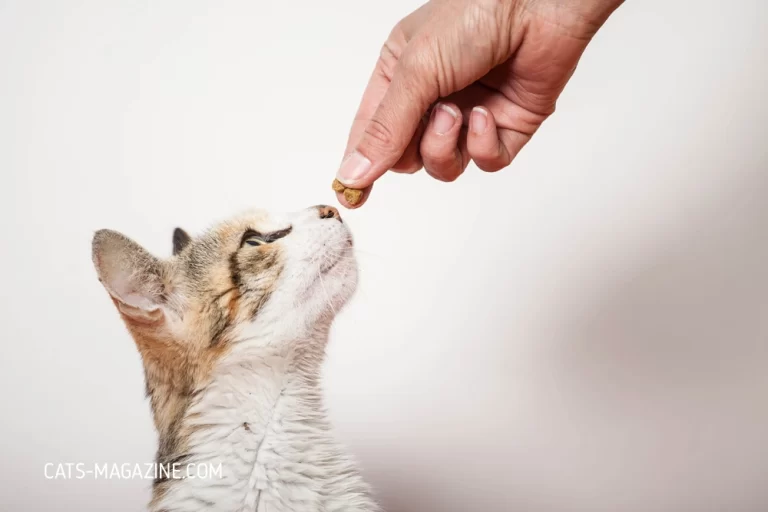
Tito is the cat equivalent of that friend who travels the world just to taste obscure street food – and yes, he has tried everything from zucchini to roasted chicken to three kinds of cheese, all with the eager enthusiasm of a furry food blogger. When it comes to cat food, he’s a one-cat taste test panel. Dry kibble? Yes. Wet food in gravy? Absolutely. Liver pâté with pumpkin infusion? Bring it on. He doesn’t discriminate. He devours.
He’s also our secret weapon. Whenever I bring home a new type of cat food, Tito is the first to try it – and often the only one who’ll actually finish it. His enthusiastic approval doesn’t always convince the other two (Myratz still prefers drama and Pierre requires prescription dining), but Tito’s fearless munching always makes me smile. He reminds me that sometimes, food can just be fun.
Thanks to Tito, I’ve discovered which treats are universally appealing, which ones only look good on the label, and which ones make even the boldest adventurer pause. He’s my furry taste tester, my kitchen sidekick, and my daily reminder that curiosity really is the spice of life.
But, when Tito started vomiting and dealing with stinky diarrhea, I had to switch to homemade meals that helped his sensitive stomach (vet approved).
My Two Cents on the Cat Food Conundrum
So, here’s my take on the never-ending cat food conundrum: it’s less like following a recipe and more like being a sleuth in a feline-themed mystery novel. There’s no “one kibble fits all.” Each cat is a puzzle – complete with plot twists, dramatic reveals, and the occasional food-throwing tantrum. And just when you think you’ve cracked the code, they’ll change the ending.
The secret? Observe closely. Tune into their preferences like you’re decoding ancient hieroglyphs. Don’t be afraid to experiment (within reason). Add in healthy supplements where needed. Rotate flavors before boredom strikes. And above all, keep your vet in the loop – because while we’re experts in our own cats, having a medical ally in your corner can make all the difference.
Feeding cats isn’t just about nutrition – it’s a daily act of love, patience, and occasionally, improvisational performance art. Whether your feline is a gravy-snob, a dry-food devotee, or a chicken-obsessed omnivore like Tito, remember: you’re doing your best. And that’s pretty pawsome.
The Vet Check-Up: A Purr-fect Health Barometer
Amid all the cat food chaos – buffets for picky eaters, detective work for allergies, and taste tests with Tito the Brave – there’s one constant I’ve come to rely on: our vet. Regular check-ups are the invisible thread that holds this entire culinary journey together. They may not come with fancy labels or cute jingles, but veterinarians are the true MVPs in our quest to keep our feline family happy, healthy, and thriving.
From early signs of kidney issues to food allergies we never saw coming, our vet has guided us through every twist in the tale. Whether you’re exploring new cat food options, navigating a diagnosis, or just wondering if your cat’s latest food refusal is a red flag or pure drama – your vet is your partner in the puzzle.
And let’s not forget: even the best cat food can’t work its magic if a bigger health issue is at play. That’s why those annual (or more frequent) visits are so important. They’re not just about vaccinations – they’re about catching things early, fine-tuning diets, and ensuring your cats live their best, fluffiest lives.
Because at the end of the day, a healthy cat isn’t just a happy cat – they’re also a well-fed, lovingly cared-for, and wildly entertaining companion. And isn’t that what we’re all aiming for?
Embracing the Quirks of Feline Fine Dining
The world of cat food is as varied, delightful, and utterly unpredictable as the cats who consume it. From gourmet delicacies to budget bites, from hypoallergenic prescriptions to pantry raids, feeding our feline companions is a journey – a little chaotic, a little comical, and completely full of love.
The key? Stay curious. Be flexible. Pay attention to your cat’s cues (and dramatic stares). And always, always keep your vet in the loop. Because whether you’re dealing with sensitive stomachs, ever-changing preferences, or a cat who insists on eating zucchini, your role as culinary caretaker is part art, part science, and entirely guided by devotion.
So, that was my tale of tails – and the many flavors they favor. May your cat’s bowl always be full, their mood mostly agreeable, and their appetite as quirky as their personality.
Have a whiskered food critic of your own? Share your stories and snack-time sagas on our Cats Magazine Facebook page and let’s celebrate the glorious chaos that is feline dining together.