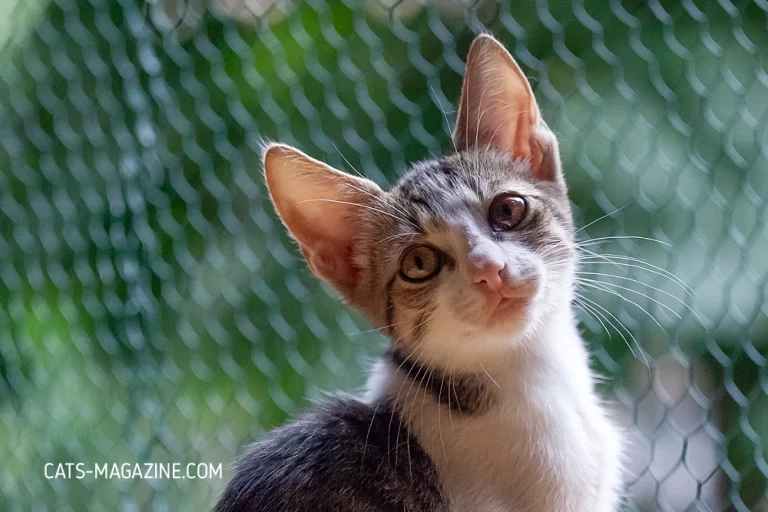
The Whisker Map: Nature’s Smallest GPS System by David W. Falls
Table of Contents
Whiskered Wisdom
On quiet mornings, when my cat Frankie moves through the room with near silence, I often wonder how he always knows where everything is, even after we’ve moved things around. He may pause to give a chair leg a quick sniff, as if confirming a familiar detail, but mostly he moves with quiet certainty. It’s more than instinct or simple situational awareness.
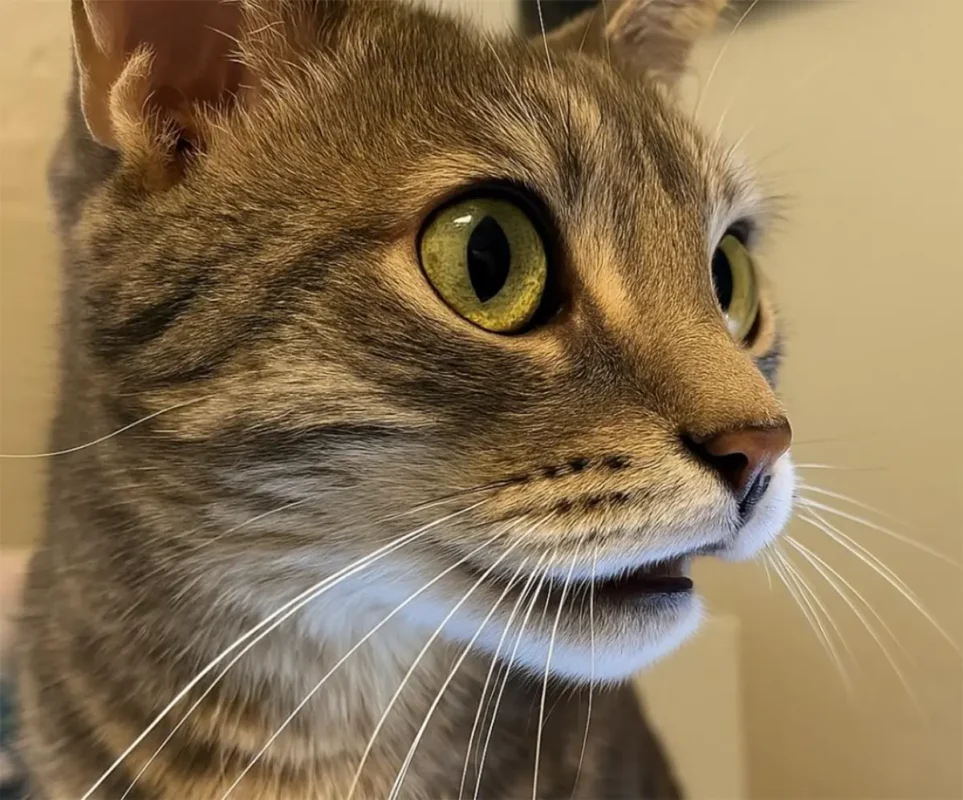
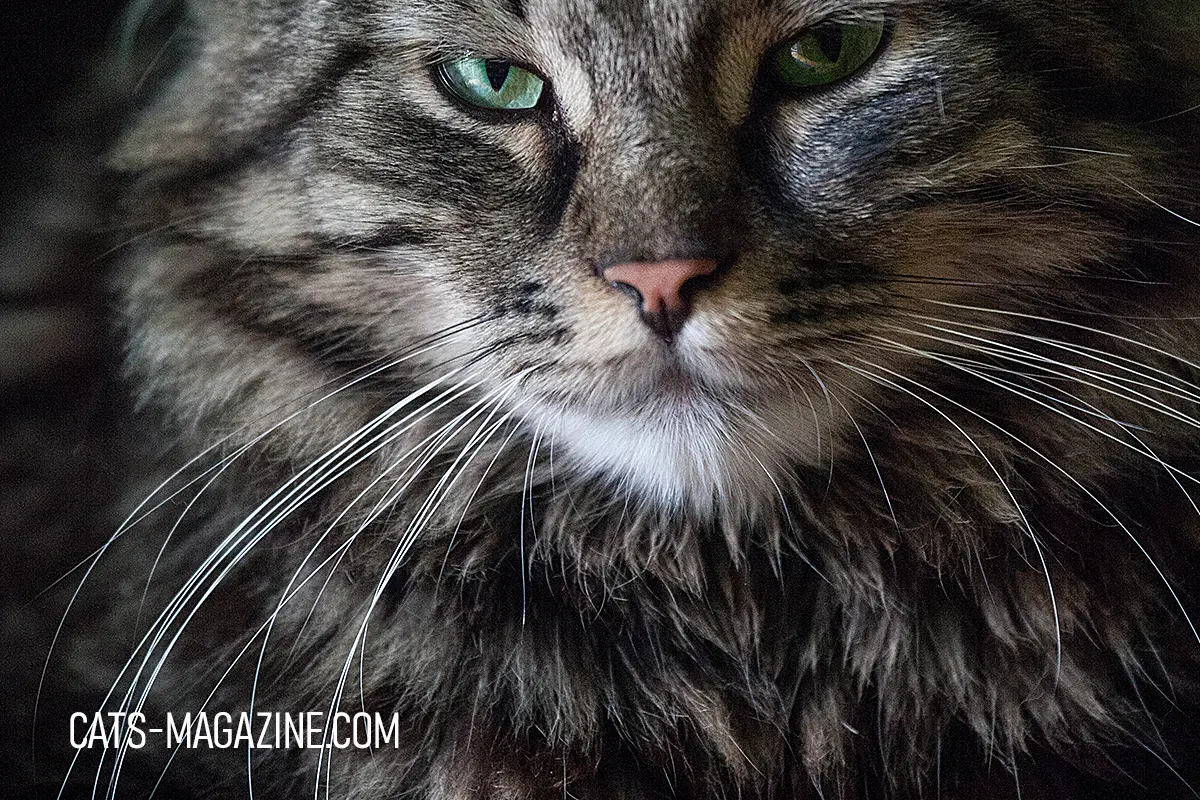
Cats don’t just track their environment; they seem to absorb it. They move as if the space itself is part of them. At the center of this uncanny ability are their whiskers—those fine, tuned instruments that register the slightest air currents and shifts in vibration. It’s not just navigation, it’s a kind of intuitive mapping, like they’re reading invisible blueprints stitched into the air.
The Science of Grace
Scientists call it “proprioception”—which is just a fancy way of saying “how not to trip over your own feet.” It’s the body’s internal map for balance and motion. But cats take it to another level. Their sensory hairs aren’t just feelers; they function as finely tuned sensors, shaped by evolution long before humans began building navigation tools. The result is a navigation system based on airflow and vibration, one that operates continuously and without conscious effort.
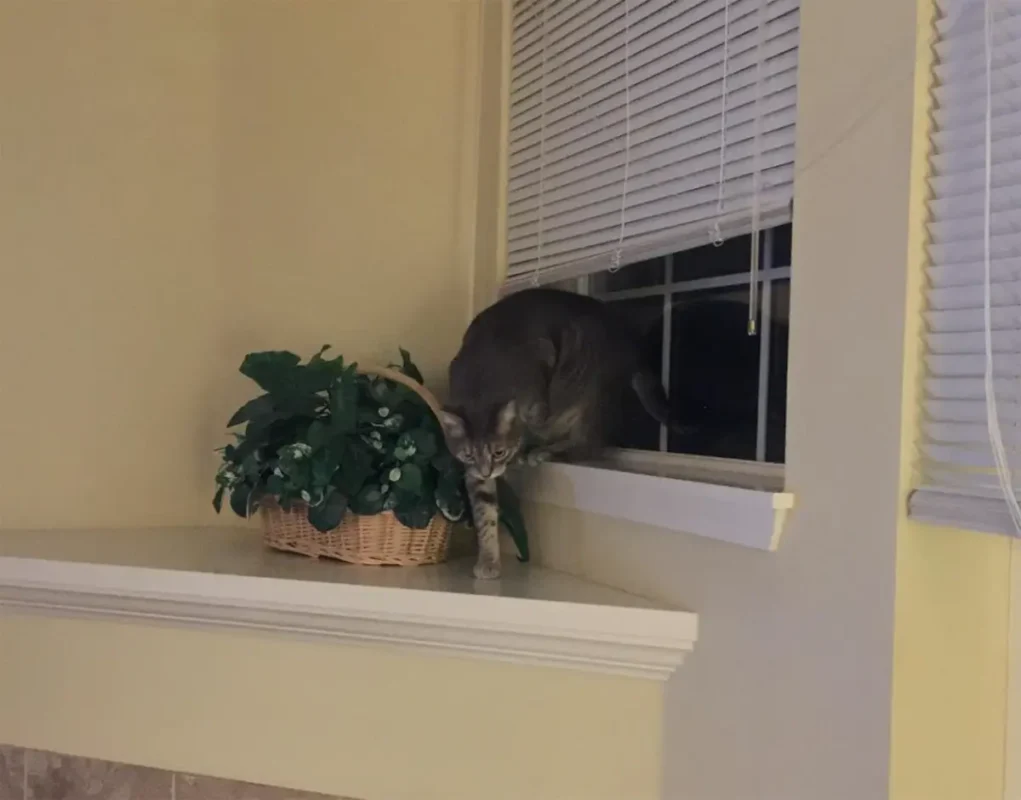
They can slink through the tightest corners, dodge a newly relocated ottoman, and leap onto a windowsill that’s barely wider than a paperback, without breaking stride or dignity. It’s not memory, and it’s definitely not luck. It’s a navigation system built from airflow, vibration, and constant sensory correction. If I rearranged the entire house just to test Frankie, he’d probably still beat me to the fridge, even if he paused to survey his new surroundings.
Sensory Speed
What’s wild is that his brain processes all this sensory input faster than I decide what to have for breakfast. A cat’s facial whiskers send signals directly to specialized regions of the brain—specifically the somatosensory cortex, which processes tactile input with remarkable speed and precision. This neural pathway is unusually direct, allowing sensory information to influence movement almost immediately.
Neuroscientists have mapped how each whisker connects to hundreds of neurons, feeding into barrel-shaped clusters in the cortex that process direction, speed, and pressure with remarkable efficiency. This information influences movement almost immediately. The result is visible in motion: he can leap onto a narrow ledge, twist midair, and land on a moving target while I’m still checking the cereal box for sugar content. This isn’t just spatial awareness, but a nervous system built for rapid adjustment, allowing cats to patrol, pounce, and correct their movements in midair without hesitation. What looks like casual elegance is the outcome of continuous sensory feedback operating in real time—and they make it look effortless.
And if you’re wondering just how far this sensory system goes…
A cat’s whiskers aren’t merely decorative; they are specialized sensory hairs built for precision. Officially called vibrissae (from vibrio, “to vibrate”), they connect to roughly 200 sensory neurons apiece, forming a direct and sensitive link between a cat’s whiskers and its brain.
Planted three times deeper than regular hairs, whiskers are ready to pick up every shift in air pressure, brush of texture, or whisper of distance. That’s how cats can slink through a cluttered room at midnight without making a single sound, or miss.
Whiskers aren’t confined to the face; they sprout above the eyes, below the jaw, and even on the forelegs, each tuned to touch, motion, and subtle pressure. Evolution didn’t miss a spot. But too much input can lead to whisker fatigue, which explains why some cats avoid deep food bowls.
For most cats, avoiding whisker fatigue doesn’t require special training or gadgets. Shallow, wide bowls reduce constant contact with the sides, and offering multiple feeding or water options allows cats to choose what feels comfortable. The behavior isn’t fussiness; it’s a preference shaped by sensitive sensory equipment doing its job. When the environment respects that sensitivity, cats move, eat, and explore with the same quiet confidence that defines the rest of their behavior.
Evolution didn’t just sharpen feline claws; it refined a sensory system calibrated for constant environmental feedback.
Evolution’s Engineers
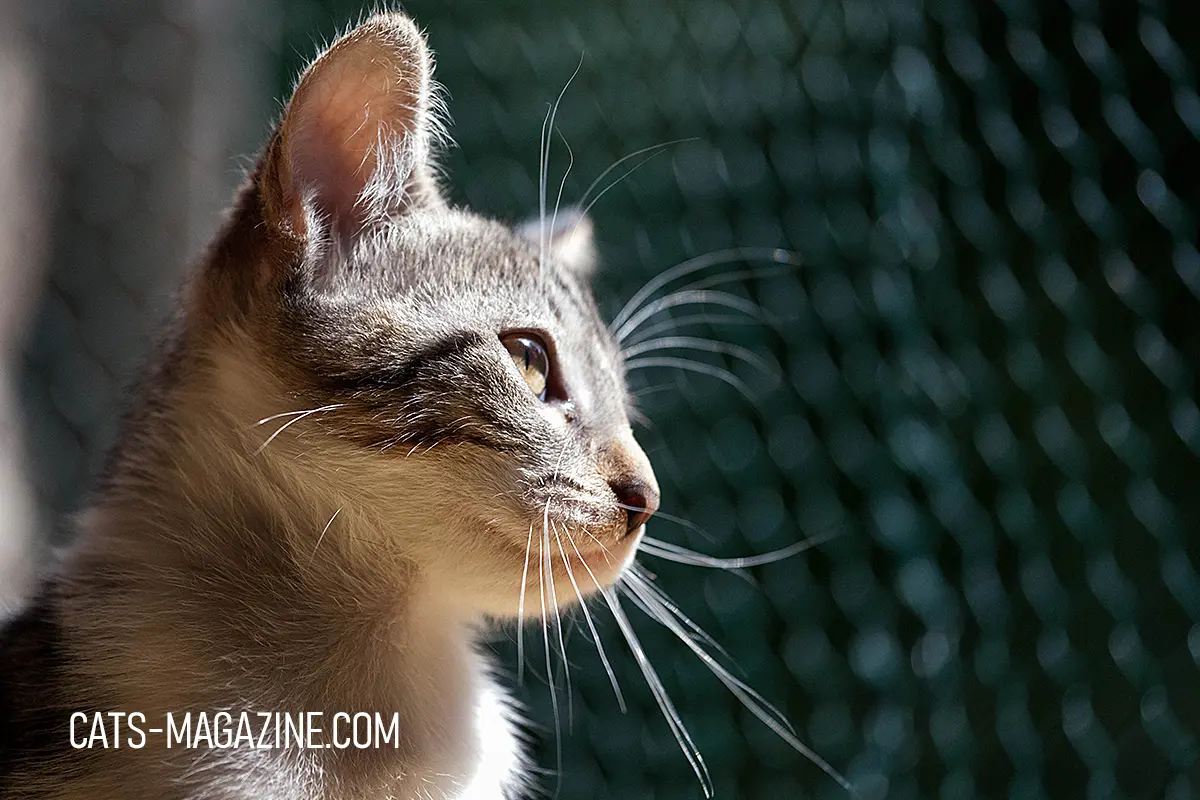
Cats didn’t just stumble into this talent; they earned it the hard way. Long before domesticated lap naps and laser-pointer chases, wild cats lived in environments where one misstep could mean losing the hunt, or becoming the hunted. These sensors weren’t decorative; they were essential gear, sensor arrays designed not in a lab, but shaped by millennia of trial and error.
Research from the University of Sheffield even suggests whiskers bend in distinct patterns inside the follicle, creating mechanical feedback loops that activate sensor cells and deliver nuanced data to the brain. In low light, whether during dusk hunts or deep forest prowls—these slender whiskers scan the world in motion, sensing shifts in air, subtle changes in space, even the vibrations of something stirring nearby. For a cat, they often meant the difference between eating and being eaten.
Evolution doesn’t reward the flashy, it rewards the functional. And cats, through countless generations, refined these tools not for show, but for survival. Those sensory hairs became a kind of evolutionary signature: quiet, precise, and impossibly elegant. Not dramatic like a lion’s roar, not clumsy like our inventions. Just the soft certainty of knowing the space around you—without seeing it.
Just how refined are these tools compared to other species?
Cats aren’t the only animals with sensory tools worth marveling at. Moles feel their way underground with ridged snouts. Seals track vibrations in water using ultra-sensitive facial bristles. Bats echolocate entire rooms mid-flight. Rats’ whisker-scan tunnel walls like topographers in a hurry. Each evolved its own specialized system for its habitat, but cats? They mastered the multipurpose. Their whiskers adapt not just to varied terrain but shifting human environments, with precision rivaling any engineered sensor. Compared to them, our gadgets still need instructions.
Natural Intelligence vs. Artificial Instinct
While we build sensors that rely on algorithms and updates, nature had already engineered a system that runs on instinct and need. Frankie may spend his days hopping sunbeams and critiquing kibble, but his smooth moves are ancient. He’s carrying forward a blueprint honed by predators who mapped the world one vibration at a time. His whiskers aren’t just adorable—they’re the culmination of thousands of years of biomechanical R&D, tuned by tooth, claw, and quiet necessity.
And unlike artificial intelligence, which needs training data and error correction, Frankie’s system self-corrects in real time, no updates required. Humans build tech to help us navigate the world. Frankie just uses his face, and somehow, it works better.
Elegance We Traded Away
Watching my cats slip through tight corners with such ease, it’s hard not to feel a bit shortchanged. Somewhere along our evolutionary path, we traded whiskers for smartwatches, intuition for IKEA assembly manuals.
While cats honed their sensory abilities to survive the wild, we developed elbows to bang into doorknobs and toes to locate furniture in the dark, painfully. A cat’s world is rich with continuous sensory feedback and quiet precision; ours is cluttered with bumping into things and second-guessing where we left the remote. They’re not just graceful—they’re proof that nature once sculpted a creature whose spatial fluency outperforms many of the tools we now rely on.
The Quiet Lead – Feeling Over Function
In a world increasingly obsessed with data and devices, our cats remind us there’s a quieter kind of intelligence, the kind that doesn’t need a screen or a scroll wheel. Their whiskers don’t sync to the cloud, and yet they offer real-time feedback with a level of elegance no app could rival. Perhaps we’ve become so focused on building technology to interpret our world, we’ve forgotten the quiet intelligence of simply feeling it.
A cat’s way of moving—instinctive, silent, precise—isn’t just charming. It’s a subtle rebuke to our cluttered modern lives, nudging us to reconsider what we define as smart. Their world runs on sensation, not simulation, maps of airflow and vibration stitched invisibly through each room. Cats don’t browse data. They feel it.
Cats don’t care about efficiency. They move with a kind of knowing that has nothing to do with convenience and everything to do with connection. I may have opposable thumbs and a Wi-Fi plan, but Frankie still navigates our home better than I ever will.
And while we deepen our dependence on technology, our cats will keep gliding through space as nature intended—blueprinted, balanced, and beautifully unreadable.