Table of Contents
When people think of veterinary care, they often picture routine checkups, vaccinations, or the occasional surgery. But for cat owners, there comes a time when the hardest decision isn’t about medicine, it’s about saying goodbye. Euthanasia is one of the most emotionally challenging aspects of veterinary medicine, and understanding the process, your cat’s needs, and the role of your veterinarian can make this experience more compassionate and manageable.
Guiding Cats and Their Families Through Goodbye
I still remember my first euthanasia as a veterinarian. It was an 18-year-old cat with chronic renal failure, beloved by a man who brought all of his cats to the Internal Medicine Service at Washington State University, where I had just started my internship. It was after-hours, and I was alone in the emergency service with no technician on duty. The passing itself was peaceful and calm, yet I vividly recall the profound grief on this owner’s face as he made the decision to say goodbye. Even when the procedure is gentle, the emotional weight of the choice is immense, for owners and for veterinarians alike.
Over the years, the way euthanasia is performed has evolved to meet both medical and emotional needs. Families increasingly choose to be present for their cat’s final moments, often in soothing exam rooms designed to provide comfort. At-home euthanasia services are also available, allowing cats to pass in familiar surroundings. These options reflect the deepening human-animal bond: cats are family members, and their final moments deserve the same care and compassion as any loved one’s.
Understanding the Process
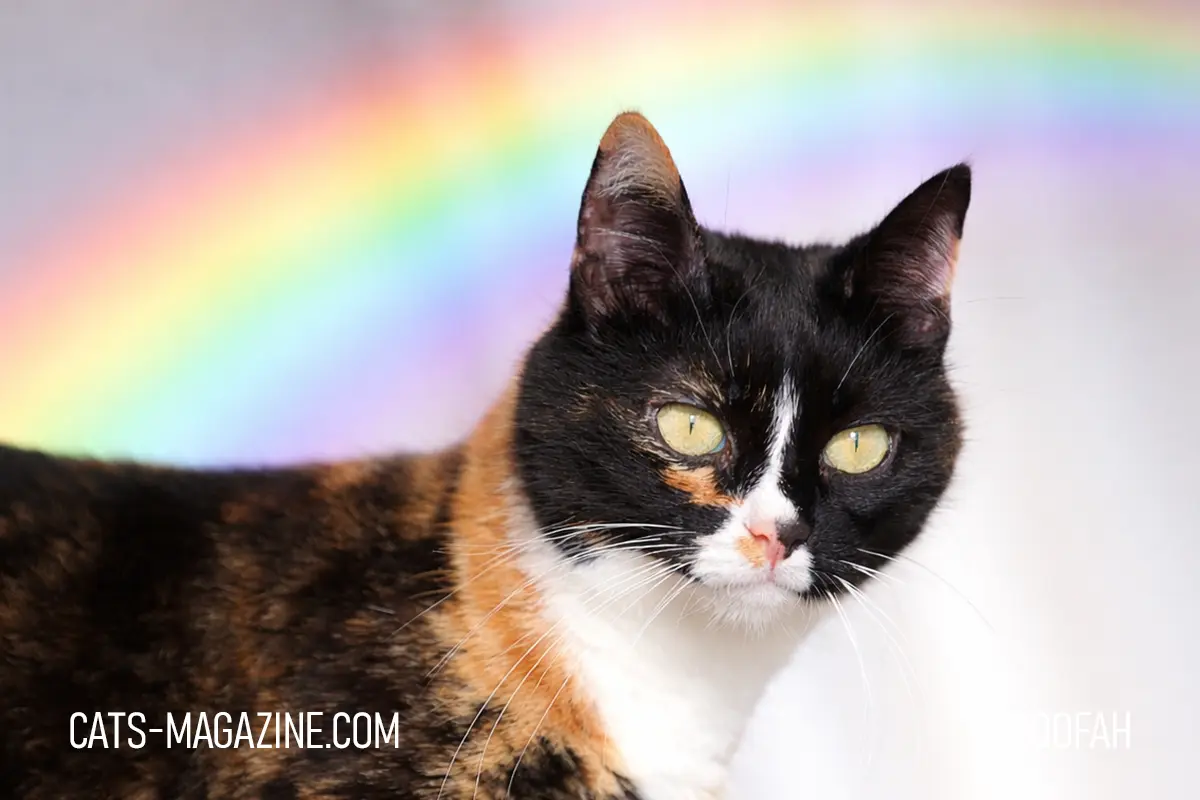
The term euthanasia comes from the Greek words eu, meaning “good,” and thanatos, meaning “death.” Over time, to soften the emotional weight of the procedure, euphemisms such as “put to sleep” or “crossing the Rainbow Bridge” have become common. The Rainbow Bridge, inspired by a story written by Edna Clyne-Rekhy in 1959, describes a serene place where pets are restored to health and frolic endlessly until reunited with their humans. For many grieving cat owners, this imagery provides comfort during an unimaginably difficult time.
In practice, euthanasia for cats is carefully planned to minimize stress and discomfort. Many veterinarians offer sedation first, so cats can drift into a calm state. The euthanasia solution is then administered, usually intravenously, allowing for a smooth and painless passing. In some circumstances, veterinarians might opt for anesthesia to facilitate injection into the kidney (if an IV catheter cannot be placed), resulting in a longer time to onset of death but a very comfortable passing nevertheless. Cats can be held by their owners, cradled in a soft blanket, or placed in their favorite bed for comfort.
Navigating the Decision
Deciding when to euthanize a cat is intensely personal. Cats are masters of hiding pain, so it can be difficult for owners to know when quality of life has declined. Veterinarians often guide families using measures such as appetite, mobility, social interaction, and pain management. Tools like quality-of-life scales can provide objective insight into a cat’s daily experience, helping owners weigh the benefits of continued treatment versus humane euthanasia.
I often hear the question, “What would you do if this were your cat?” I rarely answer directly. Each family’s situation is unique, shaped by the cat’s health, the family’s emotional capacity, financial considerations, and personal beliefs. My role is to provide guidance, support, and reassurance, not judgment. Whether the decision is to pursue further treatment, transition to palliative care, or proceed with euthanasia, my goal is to ensure owners feel informed, confident, and supported.
When Cats Need Euthanasia
While every situation is unique, some common reasons cats may require euthanasia include:
- Chronic or terminal illness – Conditions such as kidney failure, advanced cancer, or severe heart disease may cause unmanageable pain or decline in quality of life.
- Acute, untreatable conditions – Severe trauma, poisoning, or sudden organ failure may make humane euthanasia the most compassionate choice.
- Behavioral or cognitive decline – Age-related conditions like dementia can cause distress that is difficult to manage, especially if the cat no longer enjoys normal activities or interaction.
- Complications from treatment or hospitalization – Cats are sensitive to stress, and sometimes prolonged medical intervention itself reduces quality of life.
It’s important to recognize that euthanasia doesn’t always mean giving up; it is a proactive step to prevent suffering. This is especially true for older cats, like the 18-year-old cat I mentioned earlier, whose body was failing despite the owner’s devotion and our best medical efforts. Saying goodbye in a controlled, compassionate manner can provide relief for both the cat and their family.
The Emotional Impact on Cat Owners and Veterinarians
The decision to euthanize a cat can be gut-wrenching. Owners may feel guilt, doubt, or fear that they are making the wrong choice. Veterinarians, too, are deeply affected. While some studies suggest that the act of euthanasia itself is not the primary source of stress, it is the conversations, moral dilemmas, and emotional labor surrounding the decision that weigh most heavily. Research has shown that successful euthanasia discussions, when they result in a “good death,” can actually improve wellbeing for veterinary staff, defined as a passing that is humane, peaceful, and smooth.
Yet not all euthanasias are straightforward. Some veterinarians face requests that conflict with their professional or personal ethics, including convenience euthanasia (for reasons unrelated to the cat’s health) or objectionable euthanasia (where the veterinarian disagrees with the choice). Surveys indicate that most veterinarians have declined such requests at least once, highlighting the ethical complexities involved. These scenarios can contribute to post-traumatic stress injury, particularly when performed repeatedly or under emotionally challenging conditions.
Making the Process Easier for Your Cat
Cat owners can take steps to make euthanasia less stressful for their feline companions and themselves:
- Consult your veterinarian early – Discuss your cat’s health, prognosis, and quality of life before a crisis occurs.
- Ask about options – Understand whether sedation, at-home euthanasia, or hospital-based services are available.
- Consider your presence – Decide if you want to be with your cat during their final moments. Many cats benefit from the comfort of a familiar hand or lap.
- Create a calm environment – Bring your cat’s favorite blanket, toy, or treat to provide familiarity and comfort.
- Seek emotional support – Family, friends, or pet-loss support groups can help you process grief before, during, and after the procedure.
These steps don’t remove the difficulty of the decision, but they can provide structure, reassurance, and dignity for both cat and caregiver.
The Role of Compassion in Veterinary Care
One of the most important aspects of feline euthanasia is the role of the veterinarian as a guide, advocate, and support. Veterinarians strive to balance the principles of beneficence (doing good) and non-maleficence (avoiding harm), while respecting the autonomy of the owner. Clear, empathetic communication helps owners understand their cat’s condition, options, and likely outcomes. It can transform a moment of overwhelming grief into one of profound connection, reassurance, and compassionate closure.
For cat owners, witnessing their pet’s peaceful passing, whether at home or in the clinic, can provide a measure of solace. They know their cat was spared unnecessary suffering, and the act itself can become a meaningful farewell rather than a traumatic event. Veterinarians often find these moments, though emotionally intense, among the most profound privileges of their work.
Conclusion
Saying goodbye to a beloved cat is never easy. It requires courage, empathy, and sometimes difficult decision-making. Understanding the process, seeking guidance from a veterinarian, and preparing emotionally can help make the experience as peaceful and compassionate as possible. For cats, as for people, the goal is dignity, comfort, and relief from suffering.
Remember, there is no universal “right” time to say goodbye; every decision is unique, informed by the cat’s health, quality of life, and the bond shared with their human family. By focusing on compassion, communication, and thoughtful support, cat owners and veterinarians can navigate this most difficult of decisions with grace, ensuring a peaceful farewell for the cats we love.
Dr. Marie Holowaychuk is the author of A Compassionate Calling: What It Really Means to Be a Veterinarian. Learn more at acompassionatecalling.com.