Cats vomit. A lot. But not all barf is bad! From harmless hairballs to hunger pukes, this guide helps you decode when to relax and when to get the vet involved. Real cat stories (yes, Tito’s included) make it easy to spot what’s normal.
Table of Contents

Why Is My Cat Vomiting? I’ve Been There (Many Times). With Many Cats.
Over the years, I’ve had quite a few feline companions. Right now, I live with my trio of professional pukers: Tito, Myratz, and Pierre. I can say with confidence that not all vomiting is cause for alarm. In fact, most of it isn’t.
If you’re a new cat owner (or rather, if you are being owned by a cat for the first time), I get it – the first time your furball hurls something onto your freshly washed blanket, it’s like DEFCON 1.
You probably rushed to Google with trembling fingers asking, “Why is my cat vomiting?” And honestly, that’s a great question – because while some types of vomiting are serious, many are just part of normal feline life.
Understanding why your cat is vomiting – and when it’s nothing to worry about – can save you stress, unnecessary vet visits, and a few perfectly good throw pillows.
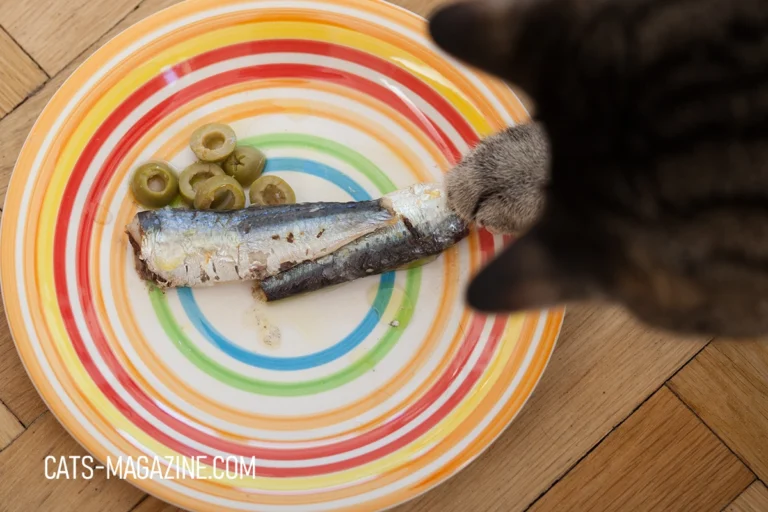
If you’ve ever wondered whether that morning barf-fest is caused by last night’s tuna treat, you’re not alone. Many cat feeding myths still lurk around, including that whole milk obsession. For a reality check on feline diets, this myth-busting guide breaks down what’s safe to serve – and what’s best left in the fridge.

Common, Non-Emergency Reasons Why Cats Vomit
1. Hairballs (The Classic Offense)
Hairballs are like taxes – nobody wants them, but they’re part of life.
Cats groom themselves constantly, and all that fur has to go somewhere. If it doesn’t pass through the digestive system? Out it comes.
Example from home:
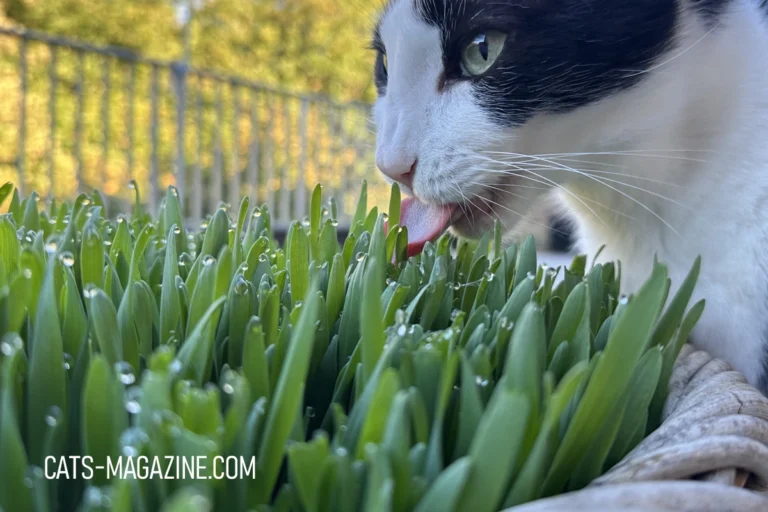
Myratz is my resident fluff factory. If I run out of cat grass for a week or two, he’ll drop a dense little sausage of fur… usually right in the middle of the carpet. Why not on the tile, Myratz? Why??
Don’t panic: One hairball every few weeks is totally normal. Groom more often if they’re frequent.
Pro tip from Tito’s kitchen: Plain pumpkin (yep, the orange stuff!) can actually help regulate your cat’s digestion. It’s rich in fiber and can ease both too much and too little litter box action. Just make sure it’s plain, cooked pumpkin – no pie filling, no spices. Here’s my guide on cats and pumpkin if you’re curious (Tito was the brave taste-tester).
2. Cat Grass & Occasional Pukes
Some cats treat cat grass like salad. Others avoid it like it’s kale.
At my place:
- Tito and Myratz love cat grass.
- Pierre? Couldn’t care less.
- Tito eats it daily and sometimes vomits once or twice a week – just grass, nothing dramatic.
- Myratz, same story – grass in, grass out. It actually helps him clear hairballs before they become a problem.
Don’t panic: Vomiting grass isn’t a crisis. It’s how some cats help themselves feel better. Offer fresh grass, and don’t scold them for redecorating your rug.

3. Empty Stomach = Hunger Vomiting
This one surprises a lot of people.
Tito, my food-obsessed feline, eats more than both Pierre and Myratz combined. But he also burns it off faster. If Tito goes more than 8 hours without food, he vomits bile. Not because he’s sick – because he’s hangry.
You’ll usually see:
- Yellowish or white foamy liquid
- No food in the vomit
- Cat acts totally fine otherwise
Don’t panic: This is common in cats with fast metabolisms. Just break up meals into smaller portions more often, and it usually solves itself.
4. Food Allergies – Looks Scary, But Manageable
Some cats react to ingredients in their food – most often proteins (like chicken or beef), dairy, or grains. When their bodies say, “Nope, not today,” vomiting is often the first signal. But unlike a one-off hairball, this kind of vomiting tends to be frequent, repetitive, and draining.
Pierre, my sweet and sensitive boy, went through this. He started vomiting more often than normal – not violently, just too often. He looked tired, withdrawn, and definitely not his usual majestic self. It wasn’t some urgent emergency, but it was clear something was wrong.
We eventually realized it was a food sensitivity. Switching to hypoallergenic dry food made a big difference. No more excessive vomiting. No more sad eyes.
What to look for:
- Vomiting more than 1–2 times per week
- Sad, tired demeanor
- Possibly soft stool, itching, or fur issues
Don’t panic: It’s usually not life-threatening, but it is a red flag. Try an elimination diet with your vet or switch to a simple, limited-ingredient food.
Bonus tip: If your cat has food sensitivities or recurring diarrhea, a bit of plain pumpkin can sometimes work wonders. It’s high in fiber and helps firm up loose stools – naturally. Learn more about cats and pumpkin here.
5. Eating Too Fast – The Classic Chow & Hurl
Some cats eat like they’re in a competitive eating contest. And spoiler: their stomachs are not fans.
When cats gobble food too quickly, they often don’t chew properly, swallow air, and overwhelm their stomachs. The result? A dramatic “No thanks” from the tummy, and the meal comes right back up – often looking almost untouched.
Pierre, despite being a picky eater, occasionally turns into a speed demon when he’s hungry or if I’m serving something he loves (like his favorite hypoallergenic food). He’ll inhale it like someone’s about to steal his bowl… and then, 2 minutes later – surprise! It’s back on the floor.
Tito, being the food-obsessed sprinter that he is, does this too if I’m not careful with portioning. And always on the hallway rug. Never the tile. Never.
Don’t panic: Use a slow feeder bowl, divide meals into smaller portions, or add a bit of water to the food to slow down the process.

What’s Normal (When to Just Clean It Up) – Table
| Type of Vomit | Normal? | Notes |
|---|---|---|
| Hairball | ✅ | 2x month is fine |
| Grass | ✅ | Common and helpful |
| Yellow/White bile | ✅ | Usually hunger-related |
| Food allergy | ⚠️ | Manageable with diet change |
| Eating too fast | ⚠️ | Solve with slow feeders |
| Food chunks | ⚠️ | One-off okay, not daily |
| Daily vomiting | ❌ | Needs vet attention |
Trusted Source for the Anxious Cat Owner
I always recommend checking reliable sources for peace of mind.
Here’s an excellent article from Cornell Feline Health Center on this topic:
Cornell’s Guide to Vomiting in Cats
Even us seasoned cat owners check in with science sometimes – especially when dealing with more than just a little grass spew.
Final Purr-thoughts
Cat vomit isn’t glamorous. But it’s also not a catastrophe – most of the time.
As someone who’s cleaned up her fair share of carpet carnage, I can tell you: hairballs, grass, and empty stomachs are the usual suspects. If your cat is acting normal otherwise, you’re probably okay.
Give them a brush, offer fresh cat grass, feed small meals more often, and maybe invest in a few extra washable rugs.
But if something feels off? Always trust your gut (and your vet).
Me? I keep cat grass stocked, meals frequent, and cleaning wipes on standby.
And when in doubt… I remind myself:
It’s not DEFCON 1. It’s just life with cats.
Have a funny (or frustrating) vomiting story? Share it on Cats Magazine Facebook.
Want more honest cat content like this? Subscribe to Cats Magazine and join the fluffiest, sassiest club on the internet.