Wondering when kittens start using the litter box? This guide covers the key milestones, tips for training, and what to expect as they grow. Not sure if your kitten is ready yet? Learn about the right age for adoption, weaning, and health milestones in this full kitten adoption guide.
The Purr-suit of Litter Box Mastery: Kitten Litter Box Training Made Easy
Ah, kittens – the epitome of cuteness and the masters of mischief. But when it comes to kitten litter box training, these tiny furballs can leave you scratching your head (and not just from their tiny claws). So, when do kittens start using the litter box?

The Age of Enlightenment: 3 to 4 Weeks
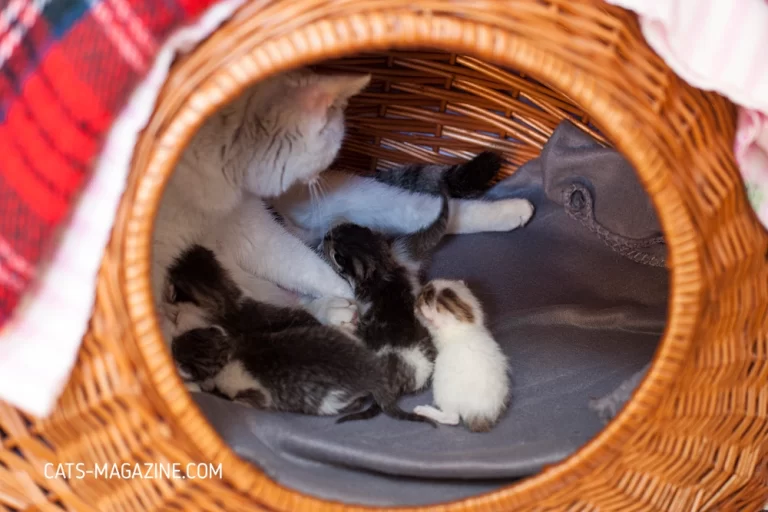
Most kittens begin using the litter box between 3 and 4 weeks of age. By this time, they are starting to wean, move independently, and develop natural elimination instincts. If raised with their mother, they typically copy her behavior.
The magical age for kitten litter box training starts between 3 and 4 weeks. At this tender age, you don’t have to physically place them in the litter box (I know some people recommend it, but it’s really not necessary). Just put them in the same room (not in a big room), and their feline instincts will do the rest. If momma cat is around, they’ll likely follow her lead. It’s like the feline version of “monkey see, monkey do,” but with less banana and more sand.
The First Steps: Setting the Stage
When introducing your kitten to the litter box, size matters. Make sure the sides of the box aren’t too high for their tiny legs. A shallow layer of litter is all you need – just enough to cover the bottom. After all, they’re not building sandcastles… yet. The right setup is crucial for successful kitten litter box training, so make sure the box is easy to access and inviting for those tiny paws.
How to Litter Train a Kitten (Step-by-Step)
If you’re wondering how to litter train a kitten, follow these simple steps:
- Place the litter box in a small, quiet room where your kitten feels safe.
- Use shallow, unscented litter — strong smells can overwhelm tiny noses.
- Place your kitten in the box after meals, especially 5–10 minutes after eating.
- Praise gently, never punish. Negative reactions can create litter box fear.
- Clean accidents with an enzymatic cleaner to remove scent markers and prevent repeat mistakes.

Timing is Everything: Post-Meal Rituals
Cats and kittens usually feel the call of nature about 10 minutes after eating. This is your cue to play the observant parent. Make sure everything is going smoothly and that your kitten is using the litter box correctly. If not, don’t worry; Rome wasn’t built in a day, and neither are litter-trained kittens. Kitten litter box training takes time, and some kittens need a little extra guidance before they get the hang of it.
Cleanliness is Next to Cat-liness: The Importance of Hygiene
Kittens are like tiny, furry toddlers – they’re prone to accidents and love making a mess. Regularly cleaning the litter box is crucial. Not only does it keep the area sanitary, but it also encourages your kitten to use the box. After all, would you want to use a dirty bathroom? Keeping things fresh is one of the most important aspects of kitten litter box training, as kittens may avoid a dirty box altogether.

Troubleshooting: When the Litter Hits the Fan
Sometimes, kittens take longer to adapt to the litter box. If you notice your kitten has specific “go-to” spots for elimination, consider moving the litter box there. Stress, fear, or environmental changes can also affect their litter box habits. Maybe the place where the litter box is located is too exposed. Although cats are predators, they are also prey, and they will instinctively look for a more hidden place. Adjustments are part of kitten litter box training, so don’t be discouraged if it takes some trial and error.
Why Is My Kitten Not Using the Litter Box?
If your kitten isn’t using the litter box, don’t panic. Common causes include:
- Too young (under 3 weeks old)
- Litter box sides too high for tiny legs
- Stress from a new environment
- Medical issues such as diarrhea, parasites, or a urinary tract infection
Most healthy kittens naturally learn litter box habits within days when introduced properly. If accidents continue despite proper setup, consult your veterinarian to rule out health problems.
The Box and Beyond: Other Factors to Consider
Kittens can be picky, and their litter box preferences are no exception. The type of litter, the size of the box, and even its location can make or break their bathroom habits. If you’ve tried everything and your kitten still avoids the litter box, it might be time for a vet visit to rule out any medical issues. Proper kitten litter box training includes both behavioral and health considerations, so keep an eye on any sudden changes in habits.
The Litter-ary End
Training a kitten to use the litter box can be a journey filled with ups and downs (and a few scattered litter granules). But with patience, observation, and a dash of feline intuition, you’ll have a litter-trained kitten in no time. So, the next time you find yourself knee-deep in kitten litter box training, remember: you’re not just training a kitten; you’re shaping a future litter-ary genius.
Ready for the next step? My complete guide to litter box success covers everything from setup to stink control – even stylish box options.

Frequently Asked Questions About Kitten Litter Box Training
When do kittens start using the litter box?
Most kittens begin using the litter box naturally between 3 and 4 weeks of age. At this stage, they are weaning, walking steadily, and developing basic elimination control. If raised with their mother, they usually learn by watching her.
How do you litter train a kitten for the first time?
To litter train a kitten, place a shallow litter box in a small, quiet room. Use unscented litter, and gently place the kitten in the box after meals. Praise success and never punish accidents. Most kittens learn within a few days.
Why is my kitten not using the litter box?
Common reasons include being too young (under 3 weeks), a litter box that is too high, stress from a new environment, or medical issues such as diarrhea or urinary tract infections. If accidents continue despite proper setup, consult a veterinarian.
How long does it take to litter train a kitten?
Healthy kittens typically learn within a few days to one week when introduced properly. Consistency, cleanliness, and a low-entry litter box make the process faster.
Should I put my kitten in the litter box?
You don’t need to force your kitten into the litter box repeatedly. Simply place the box in the same room and gently introduce them after meals. Instinct usually does the rest.
What type of litter is best for kittens?
Unscented, non-clumping litter is safest for very young kittens. Avoid strong fragrances and dusty formulas, as kittens may ingest litter while grooming.
At what age can a kitten be adopted and fully litter trained?
Most kittens are ready for adoption at 8–12 weeks of age. By this time, they are usually fully litter trained, weaned, and socially developed.
Amazon Affiliate Disclaimer
Please note that links from Cats-Magazine.Com to Amazon.Com are affiliate links. This means that if you click on the link and make a purchase, we may receive a small commission at no extra cost to you. This helps support our work and allows us to continue providing valuable content. Thank you for your support!