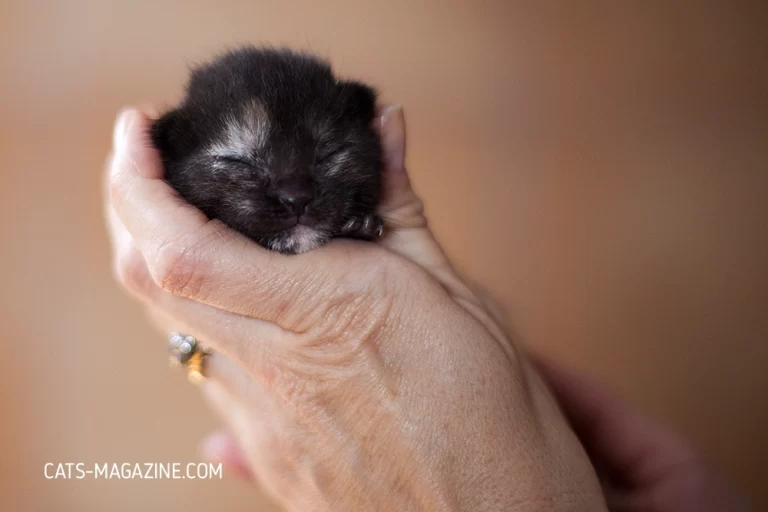
Bringing home a rescue cat? The first 30 days are key to building trust and creating a safe space. This step-by-step guide covers everything from setting up your home to bonding, playtime, and vet visits – so your new feline companion can thrive from day one.
Table of Contents
I’m a huge advocate for adopting rescue cats – they’re sweet souls who deserve all the love and care in the world. My dream is that every rescue cat finds a forever home where they’ll be loved unconditionally. Cats need homes – good ones – and that’s simply not negotiable.
When it comes to adopting rescue cats, I’ve been lucky (or perhaps chosen). Most of the time, they’ve adopted me! Whether it was the kitten a friend rescued by the sea or the tiny furball from a pregnant rescue cat, these experiences have taught me a lot about welcoming a rescue cat into my home.
The first 30 days are critical in building trust and helping your new cat feel safe. Some cats adjust quickly, while others may need more time to settle in, depending on their age, experiences, and overall health. Let’s dive into the essentials of adopting a rescue cat and how to make the first month a success.

Adopting Rescue Cat – Preparing Your Home Before Adoption
Before bringing your rescue cat home, preparation is key. A little planning can make a huge difference in how smoothly the transition goes.
1. Create a Safe Space
When adopting a rescue cat, it’s important to set up a quiet, cozy spot for them to feel safe. This could be a spare room, a bathroom, or even a large closet. Include essentials like a litter box, food and water bowls, a comfy bed, and some toys. Rescue cats often feel overwhelmed in new environments, so giving them a smaller, secure space helps them adjust at their own pace.
2. Make Sure You Have Everything Your Cat Will Need from Day One
When adopting a rescue cat, preparation is key to ensuring a smooth transition into their new home. Many rescue cats have been through stressful situations, so having everything ready from day one will help them feel safe and comfortable. Here’s what you’ll need:
- High-quality cat food – A nutritious diet is essential, especially if your rescue cat has specific dietary needs. Check with the shelter or previous caretaker to see what they’ve been eating to avoid sudden changes.
- A scratching post or pad – Scratching is a natural instinct, and providing a designated area for it will help protect your furniture.
- A variety of toys – Wand toys, balls, interactive puzzle toys, or catnip mice can help engage your rescue cat and provide mental stimulation. Some rescue cats may be shy at first, so start with gentle play and let them warm up at their own pace.
- A soft blanket or bed – Many rescue cats appreciate a cozy, warm space where they can retreat and feel secure. If possible, get a bed with high sides or a covered design for extra privacy.
- A carrier for safe transportation – Whether you’re bringing them home for the first time or taking them to the vet, a sturdy, well-ventilated carrier is essential for stress-free travel.
Having these essentials ready before adopting a rescue cat will make the process smoother and help them settle in more quickly. Be patient, as every cat adjusts at their own pace – some may be eager to explore, while others may need a little extra time and reassurance.
3. Cat-Proof Your Home
Before adopting a rescue cat, take the time to make your home a safe and welcoming environment. Rescue cats, especially those who have never lived in a home before, can be extra curious and may explore every nook and cranny. To keep them safe, remove any potential hazards such as:
- Toxic plants – Many common houseplants, like lilies, pothos, and philodendrons, can be dangerous for cats if ingested. Check your plants and replace toxic ones with cat-safe alternatives.
- Dangling cords and wires – Cats love to bat at and chew on cords, which can be a choking hazard or even cause electrical shocks. Secure or hide any loose cables.
- Small objects – Buttons, hair ties, rubber bands, or any tiny objects that a cat might swallow should be kept out of reach. Cats often see these as fun toys but can accidentally ingest them, leading to serious health issues.
- Cleaning supplies and chemicals – Store household cleaners, detergents, and other chemicals in cabinets with childproof latches to prevent accidental exposure.
- Windows and balconies – If your rescue cat will have access to a balcony or open windows, ensure they are securely screened to prevent falls. You can create a cat-safe balcony without breaking the bank!
Taking these precautions before adopting a rescue cat will make their transition smoother and give you peace of mind, knowing your home is a safe and happy place for them to explore.

Bringing Your Rescue Cat Home
The day you bring your new feline friend home is an exciting milestone, but for a rescue cat, it can also be overwhelming. Many rescue cats have experienced stressful situations, so patience and a gentle approach are key. Here’s how to make their first day as smooth as possible when adopting a rescue cat:
1. Keep It Low-Key
When you first arrive home, go straight to the safe space you’ve prepared. Open the carrier door and let your rescue cat come out on their own. Don’t force them – many rescue cats are wary of new environments and need time to build confidence. Speak softly, move slowly, and give them the freedom to explore at their own pace.
2. Give Them Time
Resist the urge to smother your new rescue cat with attention right away (as hard as that may be!). Let them take their time adjusting. Some cats will start exploring immediately, while others may hide for a day or two – or even longer. This is completely normal. Providing a quiet, stress-free environment will help them feel more secure.
When adopting a rescue cat, remember that trust is built gradually. Give them time, space, and gentle encouragement, and soon they’ll start showing their true personality.
Adopting Rescue Cat – The First Week: Building Trust
The first week after adopting a rescue cat is all about earning their trust and helping them feel safe in their new home. Every cat adjusts at their own pace, so patience is key. Here’s how to help them settle in smoothly:
1. Stick to a Routine
Cats thrive on routine, and this is especially true for a rescue cat who may have experienced instability before. Feed them at the same times each day, scoop their litter box regularly, and keep their environment calm and predictable. A steady routine helps them feel more secure and builds trust faster.
2. Use a Calming Voice
When adopting a rescue cat, remember that they may be wary of new people and environments. Talk to them softly, avoid sudden movements, and sit quietly in their safe space to let them adjust to your presence. Even if they don’t come to you right away, hearing your voice will help them associate you with safety and comfort.
3. Offer Treats
Treats can be a powerful way to build positive associations. Start by placing treats near your rescue cat and gradually move closer over time. Eventually, you can try hand-feeding, which can help create a bond. Just be patient – some rescue cats may take longer to trust, but with consistency, they’ll warm up.
The first week after adopting a rescue cat is an adjustment period, but with time, love, and patience, you’ll start to see their personality shine!

The Second Week: Expanding Their World
By the second week after adopting a rescue cat, they should start feeling more comfortable in their safe space. Now, it’s time to gradually introduce them to the rest of your home. Go at their pace – some cats will be eager to explore, while others may need more time.
1. Supervised Exploration
Once your rescue cat seems confident in their safe space, open the door and let them venture out when they’re ready. Avoid carrying or forcing them out – some cats may take a few minutes, while others might need hours or even days. Stay nearby to reassure them and ensure they don’t feel overwhelmed. Keeping things calm and quiet will make their exploration more enjoyable.
2. Introduce Other Pets Slowly
If you have other pets, introducing them to your newly adopted rescue cat should be done with care. Start with scent swapping – trade blankets or toys between them so they can get used to each other’s scent before meeting face-to-face. When it’s time for the first interaction, keep it short and supervised. Use barriers like baby gates or cracked doors to let them observe each other from a safe distance. Gradual introductions will help prevent stress and ensure a smoother transition.
Expanding their world after adopting a rescue cat is an exciting step, but patience is key. Let them take their time, and soon they’ll start feeling at home in every corner of your space.
The Third and Fourth Weeks: Settling In
By the third and fourth weeks after adopting a rescue cat, they should start feeling more at home. You’ll likely notice them becoming more confident, exploring more freely, and showing their personality. This is the perfect time to strengthen your bond and ensure they’re thriving in their new environment.
1. Playtime and Bonding
Interactive play is one of the best ways to build trust and create a strong connection with your rescue cat. Use wand toys, laser pointers, or small balls to engage them in fun, stimulating activities. Some adopted rescue cats may take longer to warm up to play, especially if they haven’t had much interaction before – be patient and try different toys to see what they enjoy.
2. Monitor Their Health
A rescue cat’s health and well-being should always be a priority. Pay close attention to their eating habits, litter box use, and overall behavior. Changes like eating less, excessive hiding, or unusual aggression could be signs of stress or underlying health issues. If anything seems off, don’t hesitate to consult your vet. Regular check-ups are essential, especially for rescue cats who may have had limited medical care in the past.
By this stage, your adopted rescue cat should be settling in well. Every cat adjusts at their own pace, so continue to provide love, patience, and a stable environment. Soon enough, they’ll truly feel like part of the family.
The Role of the Vet
Speaking of vets, scheduling a check-up is a must when adopting a rescue cat. Even if they seem perfectly healthy, a vet visit ensures they’re up-to-date on vaccinations, free of parasites, and checked for any underlying health concerns. Many rescue cats may have had limited medical history, so a thorough examination is essential to give them the best start in their new home.
Your vet can also provide advice on nutrition, behavior, and any special care needs for your newly adopted cat. Establishing a good relationship with a veterinarian early on will help keep your cat healthy and happy for years to come.p-to-date on vaccinations and free of parasites or other health issues.

Common Challenges and How to Handle Them
When adopting a rescue cat, it’s important to remember that adjustment takes time. Many rescue cats have experienced stressful situations, so patience and understanding are key. Here are some common challenges you may encounter and how to handle them:
1. Hiding
It’s completely normal for a newly adopted rescue cat to hide at first. They’re in an unfamiliar environment and need time to feel safe. Provide plenty of hiding spots like cozy beds, cardboard boxes, or covered furniture where they can retreat and observe from a distance. Avoid forcing them out – let them emerge at their own pace.
2. Litter Box Issues
If your rescue cat isn’t using the litter box properly, don’t panic. This can be due to stress, unfamiliar surroundings, or a dislike of the litter type. Try switching to a softer, unscented litter or adjusting the box’s location to a quieter area. Make sure the box is cleaned regularly, as some cats refuse to use a dirty one. If issues persist, a vet check is recommended to rule out medical concerns.
3. Shyness or Fear
Some adopted rescue cats may take longer to trust humans, especially if they’ve had negative experiences in the past. Move slowly, avoid sudden movements, and use positive reinforcement like treats, toys, and soft-spoken words. Sit quietly near them, allowing them to approach on their own terms. Never force interactions – trust takes time, but with patience, they’ll come around.
Every rescue cat adjusts differently, so be patient and celebrate small progress. With love and consistency, they’ll soon feel at home and form a deep bond with you.
Adopting Rescue Cat
…is one of the most rewarding experiences. It’s incredible to watch them transform from cautious newcomers to confident, loving companions. The first 30 days are crucial, but with patience, love, and a little preparation, you’ll set the stage for a lifelong bond.
Remember, every cat is unique, so adapt these tips to fit your new feline friend’s personality and needs. And most importantly, enjoy the journey – you’re giving a deserving cat the happy ending they’ve been waiting for.
Bringing a rescue cat home is just the beginning of a journey filled with patience, love, and understanding. If you want to see the deeper, emotional side of cat rescue – beyond the first 30 days – read The Bittersweet Symphony of Cat Rescue: A Decade of Love, Loss, and Lessons for a heartfelt reflection on the highs and lows of saving feline lives.
Looking for a real-life rescue story that proves love, patience, and community can change lives? Read Cat Adoption Story: The Tale of Veda – the inspiring journey of a mother cat found under an expressway who beat the odds and found her forever home.
Amazon Affiliate Disclaimer
Please note that links from Cats-Magazine.Com to Amazon.Com are affiliate links. This means that if you click on the link and make a purchase, we may receive a small commission at no extra cost to you. This helps support our work and allows us to continue providing valuable content. Thank you for your support!



The Cat Who Shaved Ockham

Cat Acupuncture: What It Is and How It Helps Cats Heal

Books for Cat Lovers: Fiction, Memoirs, Reviews & Must-Read Picks