Table of Contents
Living in a household with a cat and a dog might feel like you are stuck in middle management. Even if your pets usually get along, their body language can often lead to misunderstandings. That is where you come in, as a pet owner, to tell whether your dog and cat are playing together or fighting. Let’s talk about how you can live in a household with cats and dogs.
How to Introduce Dogs and Cats
The first step towards creating harmony in a multi-pet household is a proper introduction. Cats and dogs can make good housemates under the right conditions. Despite being two different animals with distinctive personalities, when introduced properly, they can live together in perfect harmony. When raised together, they learn the right way to tolerate each other. Some of them grow into being real friends, playing and napping together. However, if one of the pets is already an established member of the household and a cat or dog joins the family, you need to take certain precautions.
First Meeting
When you introduce cats and dogs for the first time, the cat should be at the dog’s eye level. Keep a firm grip on both animals to provide them with a sense of security.
The moment you notice one of the animals seems aggressive or frightened, remove them and try again later. Do not force engagement. Practice safe introductions several times per day for a few minutes to get them used to each other’s space. Supervise with care.
No Alone Time
Never leave cats and dogs alone together until they are perfectly comfortable in each other’s company. Even then, you should take some precautions. You do not want to leave them perfectly happy, only to return and see that one of the animals is injured. Even if there are no visible wounds, an unsupervised interaction can traumatize an animal and make it terrified of cats/dogs for the rest of its life.

How to Tell if Cats and Dogs are Playing or Fighting
When cats and dogs are playing, you should pay attention to their body language. It is easy to understand whether they enjoy playing together or are fighting. When they play, they have a relaxed body language with open eyes, light and agile movements, and no aggression or tension between them. The moment you notice one of your pets’ fur standing up or ears back, end the play session as it can lead to an incident. With that in mind, here are some signs to pay attention to.
Mutually Agreeable Interaction
Similar to how dogs play with each other, cats and dogs should take turns being the initiator of play. Both should participate in the same activity. For example, one animal chases the other or initiates a game of fetch. Whatever they play, there should be no physical aggression toward one another.
Signs of Affection
When cats and dogs enjoy playing together, there are noticeable signs of affection. For example, grooming one another or sleeping near each other. When dogs snuggle up with their feline friend, they are playing nicely.
Vocalizations
Both dogs and cats should sound happy when playing. Their vocalization can vary, but if you notice high-pitched shrieks or similar types of distressed noise, break up the play session.
Signs of Play
When dogs play with cats, they display signs such as barking, chasing, and wrestling. Cats show similar behaviors, but watch for them batting at each other or swatting at objects.
Signs of Aggression
On the flip side, dogs that do not like the interaction will show signs like growling, hissing, snapping, or swatting at the other pet.

How to Encourage Healthy Play
When dogs and cats begin interacting with each other, you should guide their play so that it remains friendly and fun. Supervise play sessions in the beginning, starting with short periods of play time.
Encourage positive behavior with praise or treats. For example, when your dog lies down calmly, and your cat approaches without hissing. Focus on games that suit both species, for example, a gentle chase game or hide and seek. You can also try following a feather wand.
Another option is to give each pet a job during play. Play fetch with your dog while the cat chases the motion of a toy. Create a shared fun environment while respecting their different styles.
Toys That Work For Both Animals
Yes, there are toys that both cats and dogs can play with. Interactive toys that encourage movement and mental engagement are a great option for both animals. Think feather wands or long string toys that give cats something to swat while dogs chase the end. They can also share puzzle toys with food. The key to success is finding activities that allow both pets to engage in their own way, without overpowering the other animal.
Factors that Influence Compatibility
Not all dogs and cats can be best buddies, and that is perfectly fine. Several factors influence their ability to get along and enjoy playtime. Yes, with proper socialization and training, almost any dog can be friends with cats.
Yet, certain dog breeds are more likely to coexist with cats than others. Others, not so much. For example, terriers have a nasty prey drive and will more likely chase cats than play with them. Golden Retrievers and Basset Hounds, on the flip side, are more gentle and tolerant.
You also have to consider energy level. Bouncy puppies might overwhelm an adult shy cat. Two calm pets may start their friendship naturally.
Last, but not least, consider age. Kittens and puppies are more open to new companions, while older pets prefer their own space.

Final Words
Remember, true friendship doesn’t happen overnight. It takes time, trust, and lots of positive experiences. Keep their routines predictable so they do not feel thrown off or territorial. Let your animals share neutral activities, for example, watching birds out the window or napping nearby. Feed them each together, but not too close.
However, individual attention still matters. Your dogs and cats can be friends, but they still need attention from you. Spend one-on-one time with each pet so they do not feel left out.
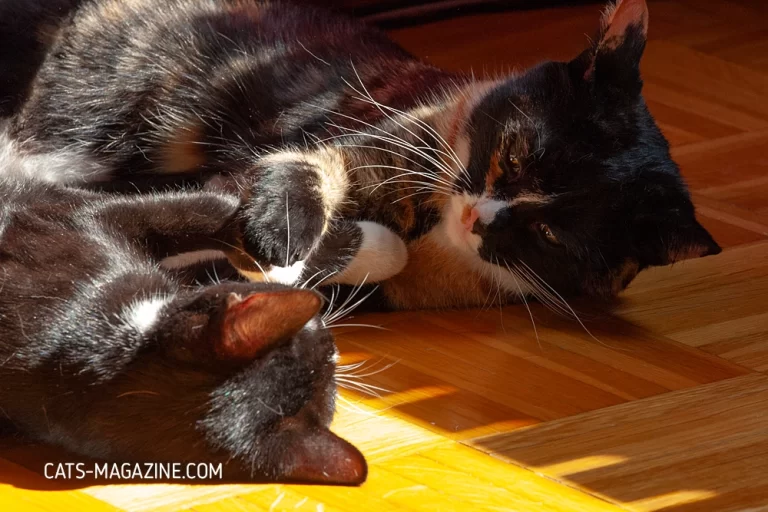
But, cats can get into dramatic little brawls with each other too. If you’ve got more than one feline in your life (or you’re just fascinated by whiskered gladiators), check out The Feline Fight Club: Deciphering Cat Fights – Playful or Serious? Read the tips to decode your cats’ sparring sessions and what to do when the fur really flies.
Feeling more feline than referee some days? Test your whiskered side with my light-hearted quiz, How Much of a Cat Are You? – 7 Signs You’re More Cat Than Human. It’s a fun break after all that serious peace-brokering between paws and paws-up!