Table of Contents
When Myratz turned 15 last October, I realized we had entered a quieter chapter of life together.
He is still curious. Still observant. Still the silent supervisor of everything happening at home.
But something shifted.
Not dramatically. Not in a way anyone else would immediately notice. Just subtly — in the way only time can change things.
Living with a 15-year-old cat is different from living with a young cat. The changes are not loud. They arrive softly, in everyday moments.
This is what changed for us.
The Bathroom Sink Ritual
One of Myratz’s favorite rituals has always been drinking water from the bathroom tap.
For years, he would jump effortlessly onto the cabinet, wait patiently for the faucet to turn on, and drink like royalty.
Recently, I noticed something different.
He still walks into the bathroom.
He still wants the running water.
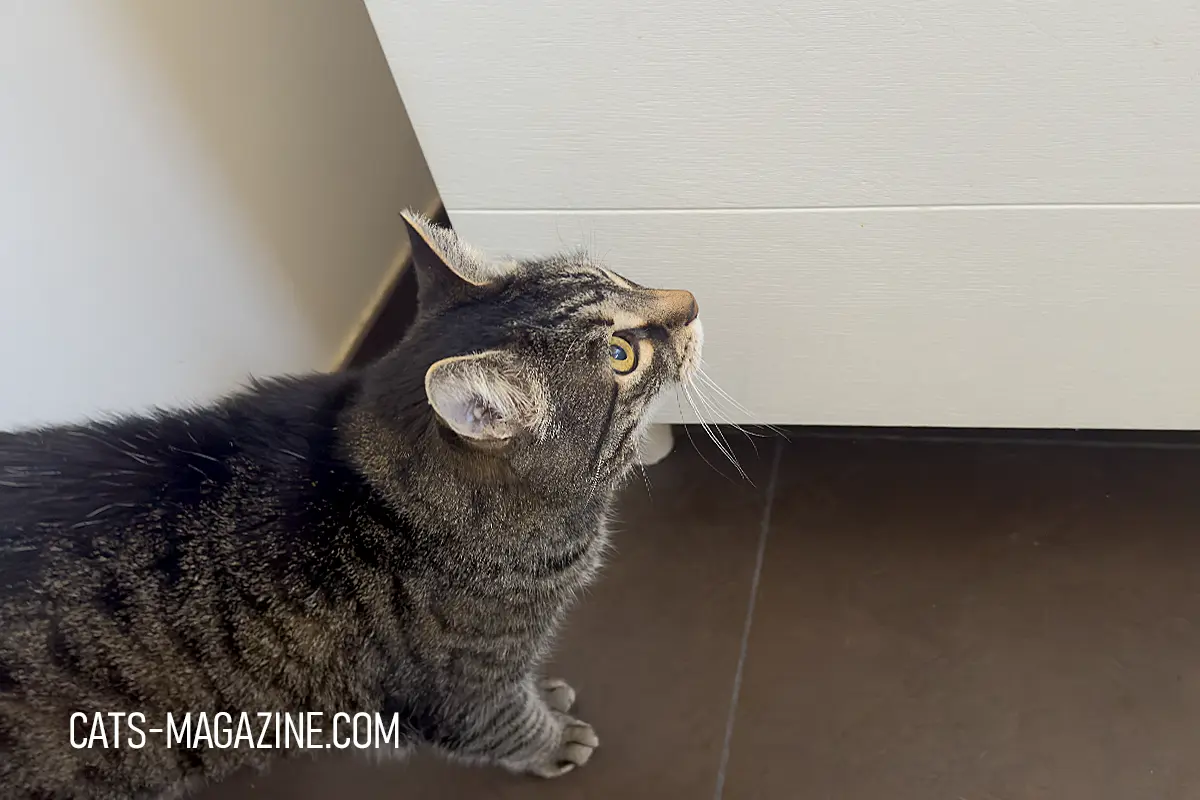
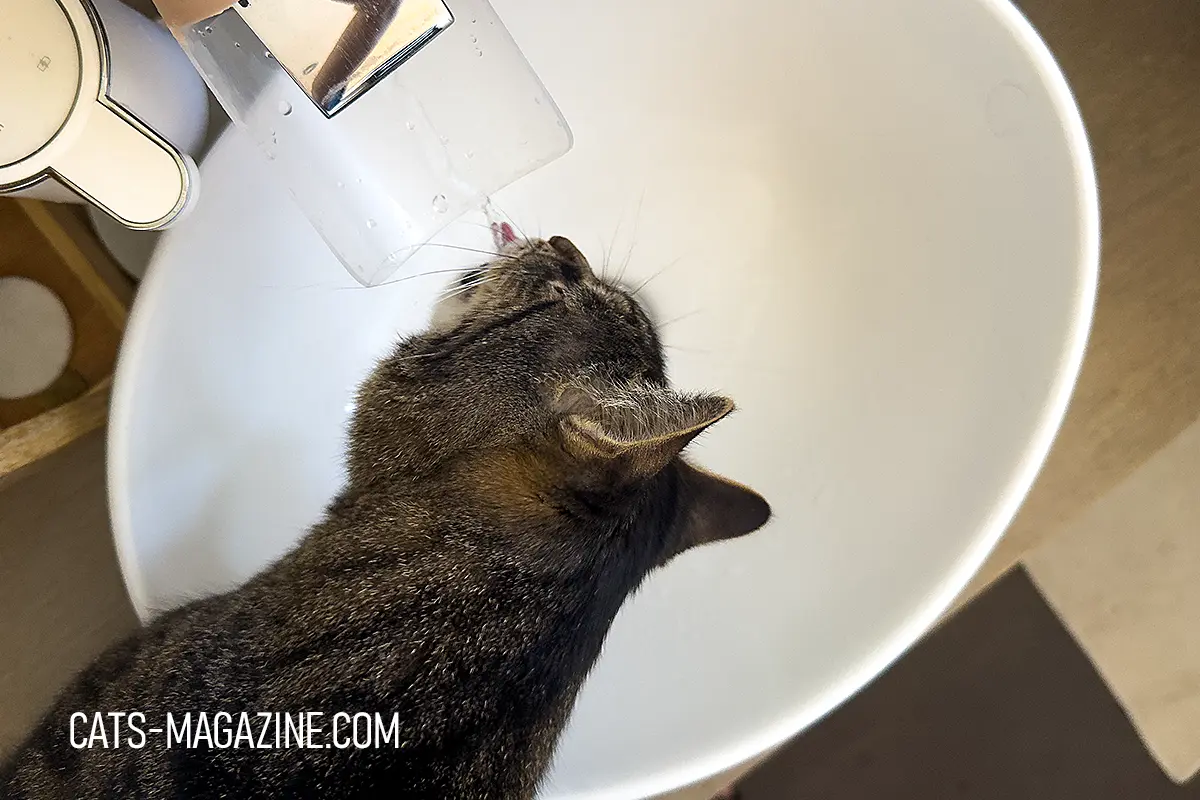
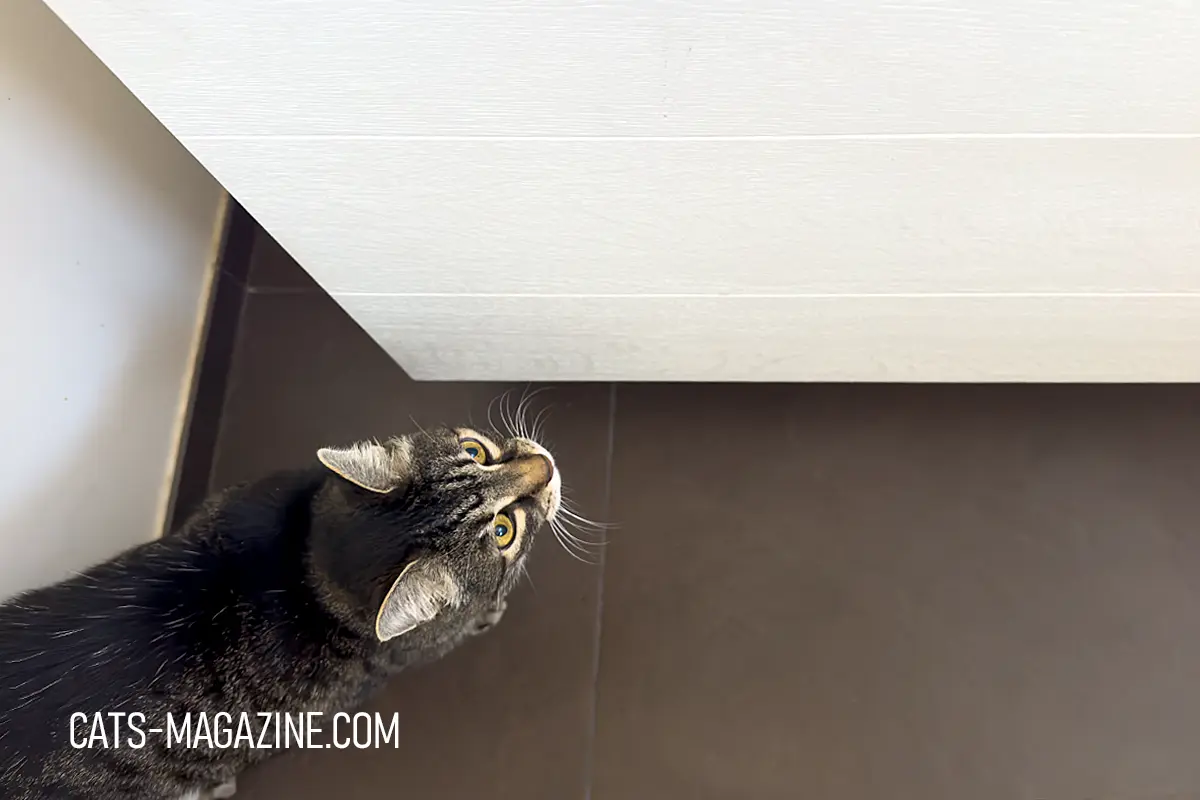
But now he sits politely in front of the cabinet — or sometimes on the toilet — and waits.
The jump is simply too high.
So now, at least once a day, I lift him gently and place him on the sink.
He could probably still make the jump.
But I see that his legs are not what they used to be.
There is a slight hesitation now. A softness in the landing.
So I wait while he finishes drinking. Instead of letting him jump down, I lift him back to the floor.
Not because he cannot do it.
But because I don’t want the effort to become strain.
The ritual didn’t disappear.
It evolved.
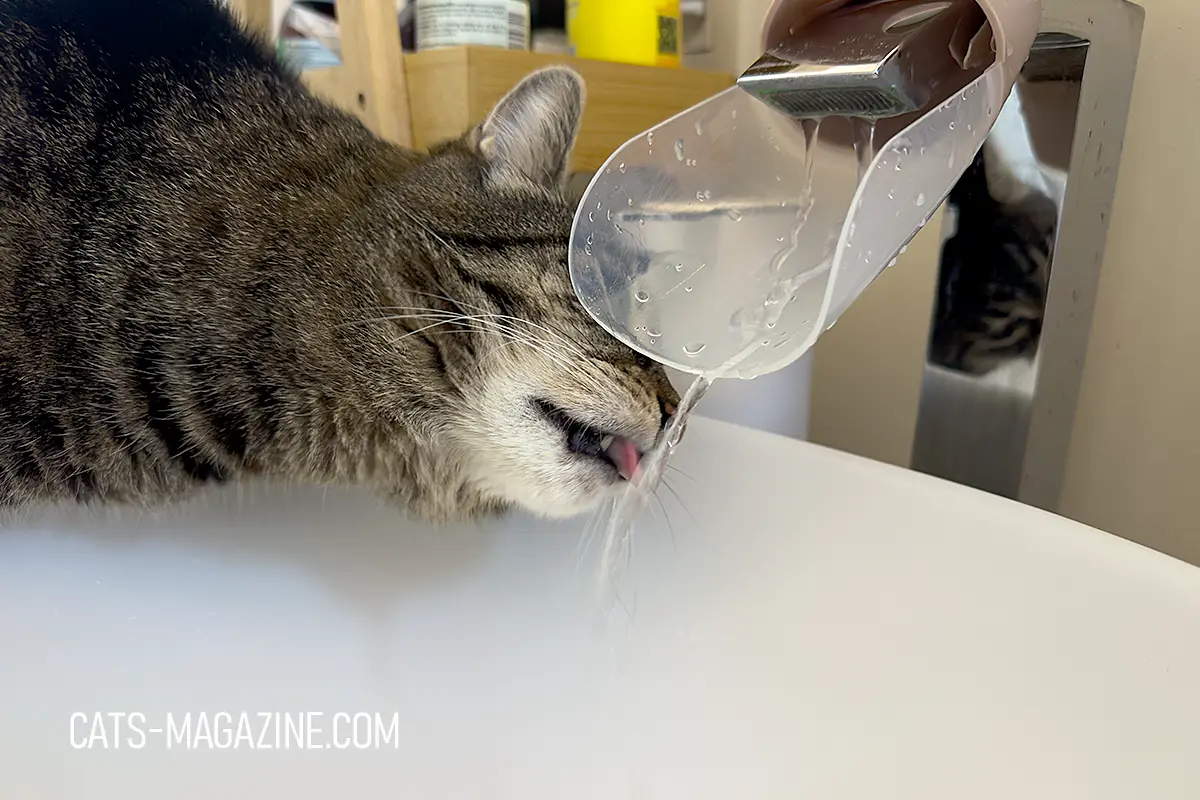
Mobility Changes in a 15-Year-Old Cat
One of the most common senior cat changes is reduced mobility.
Jumps become more calculated. Movements slower. Landings more careful.
At 15, Myratz doesn’t rush anymore. He conserves energy. He chooses his paths more thoughtfully.
This isn’t weakness.
It’s adaptation.
Senior cats often experience subtle joint stiffness or muscle loss as they age. These changes don’t always require dramatic intervention — sometimes they simply require observation and small adjustments.
According to the American Association of Feline Practitioners (AAFP), age-related mobility changes are common in senior cats and often develop gradually, which is why many 15 year old cat changes go unnoticed at first.
These 15 year old cat changes didn’t happen overnight. They appeared quietly, in small daily moments.
Common 15 Year Old Cat Changes I Noticed
- Reduced jumping confidence
- Longer and deeper naps
- Greater need for routine and predictability
Longer Naps, Deeper Rest
Myratz now sleeps more deeply and for longer stretches.
His naps are longer. His waking moments calmer.
Older cats need more rest, and protecting that rest becomes important. I’ve noticed he prefers softer surfaces and familiar spaces more than ever.
Routine matters.
Predictability matters.
The Emotional Shift
What surprised me most about caring for a 15-year-old cat isn’t the physical change.
It’s the tenderness.
There is something profoundly beautiful about caring for a senior cat. You become more attentive. More observant. More grateful for ordinary days.
When I lift him onto the sink now, it doesn’t feel like inconvenience.
It feels like partnership.
He trusts me to help.
I trust him to show me what he needs.
Adapting the Home for a Senior Cat
The bathroom cabinet moment made me realize something important: our home needs to adapt too.
I’ve decided to get a small set of stairs so he can reach his favorite spot independently again.
Small changes — like pet stairs, lower resting areas, or easier access to water — can make a meaningful difference for elderly cats.
Aging doesn’t mean removing joy.
It means adjusting the route.
What I’ve Learned From Living With a 15-Year-Old Cat
- Changes are gradual, not sudden.
- Mobility shifts are often the first visible sign of aging.
- Routine provides comfort and stability.
- Small adjustments can prevent unnecessary strain.
- Aging with your cat is a privilege.
If your cat is entering their senior years, watch for the quiet signals. They will tell you what they need.
And sometimes, all it takes is a gentle lift — or a little staircase.
What I Would Tell Someone Whose Cat Just Turned 15
If your cat just turned 15, don’t panic. If your cat is showing early 15 year old cat changes, observe gently and adjust slowly.
Don’t immediately search for everything that could go wrong. Don’t measure their age against numbers on the internet.
Instead, start watching more closely.
Notice how they move. Notice where they hesitate. Notice which routines matter most to them.
Aging in cats is rarely dramatic at first. It shows up in small pauses before a jump. In longer naps. In quieter evenings. In subtle shifts that only you, as their person, will recognize.
Are These Changes Normal at 15?
Many 15 year old cat changes are subtle and gradual. Slower jumps, longer naps, and more cautious movement are often part of natural aging rather than immediate cause for concern.
What matters most is pattern, not panic. Sudden appetite loss, vocalization changes, or clear signs of pain should always be discussed with a veterinarian. Gradual shifts in mobility and rest are common in senior cats — especially around 14 to 16 years of age.
Support doesn’t always mean major changes. Sometimes it means placing a soft blanket where they already sleep. Sometimes it means lifting them instead of letting them jump. Sometimes it means adding a small staircase so they can still reach their favorite place with dignity.
Most of all, it means staying present.
Fifteen is not an ending.
It’s a new rhythm.
And if you’re lucky, it will be a gentle, deeply connected chapter — one where trust becomes even more visible in the quiet moments you share.