Table of Contents
My Cat Tito Tried Watermelon – Here’s What Happened
Let’s set the scene: it’s summer, the sun is shining through the kitchen window, and I’m slicing into a juicy, ruby-red watermelon. The smell is sweet and fresh – and naturally, Tito is watching me like a furry little food inspector. So I thought, “Can cats eat watermelon? Should I let him try it?”
Most cats can safely eat a tiny piece of watermelon — but whether they actually want to is a completely different story.
Curiosity piqued (on both sides), I created a miniature fruit tasting platter – just for Tito. A small slice of seedless watermelon, one perfectly carved strawberry and a few blueberries. It looked like something off a cat-friendly charcuterie board. A true feline fruit sampler.
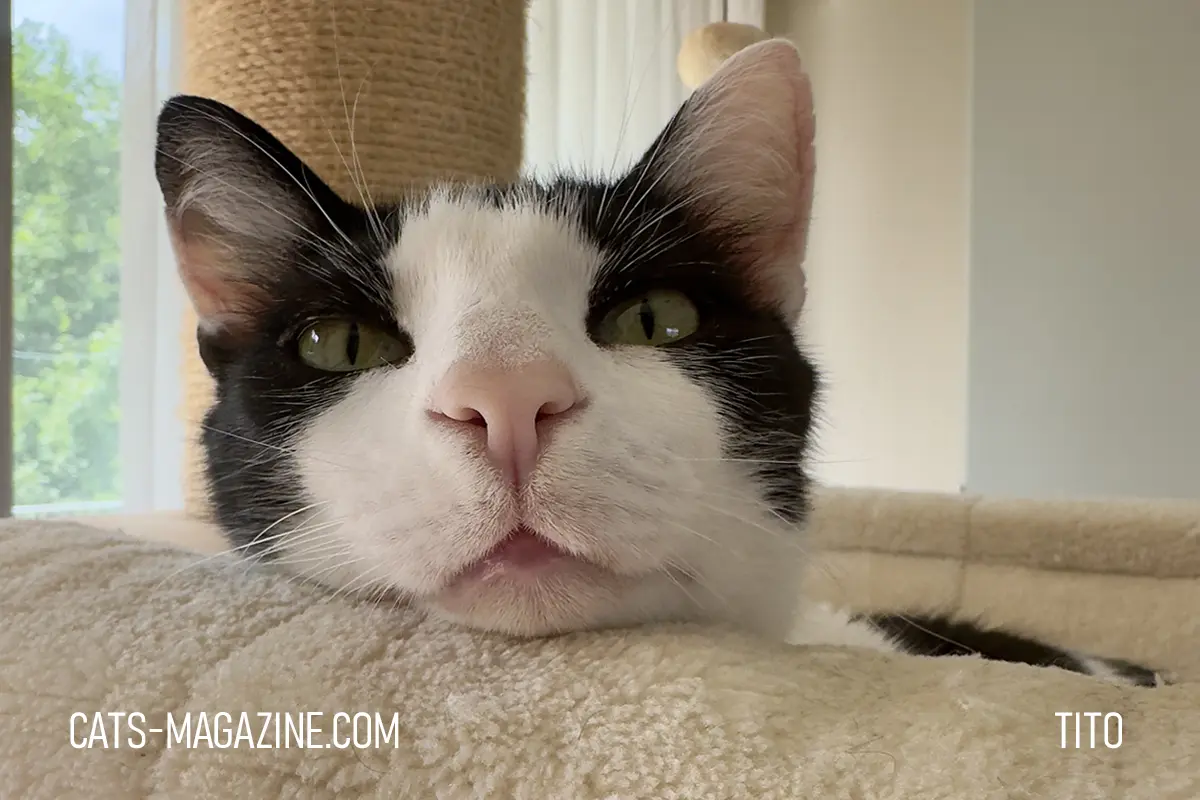
Tito gave the blueberries a long, suspicious sniff. Several times. Then the strawberry. Then the watermelon. I held my breath.
While testing watermelon, he laid down. Silently. With the theatrical disappointment of someone who ordered tuna and got tofu.
No bites. No interest. Just pure feline judgment. He didn’t even try a lick. Just a dramatic, disapproving flop onto the floor like he’d been insulted by the concept of fruit itself.
So, can cats have watermelon? Yes, technically – but if you ask Tito, it’s a hard pass. And honestly, the performance was more entertaining than if he’d actually eaten it.
Many pet owners offer fruit just to see how their feline friends react, but most cats are far more interested in meat than melon.
Ask Tito. He sniffed, judged, and walked off like I insulted his ancestors.
Can Cats Eat Watermelon? The Vet-Approved Truth
So, can cats eat watermelon? The short answer is yes – but with a few important caveats.
Cats can eat watermelon in small, seedless, and rind-free portions. This juicy fruit is composed of about 92% water, making it a great source of hydration, especially during the warmer months. It also contains trace amounts of vitamins A, C, and B6, as well as antioxidants like lycopene – all of which are generally beneficial nutrients in the human diet.
But here’s the catch: cats are obligate carnivores, which means their digestive systems are designed to thrive on animal protein, not plant-based snacks. They don’t need fruit – not for nutrition, not for fun, and certainly not for Instagram photo ops (although we try).
Some cats might nibble watermelon out of curiosity, but many – like Tito – will give it a sniff, shoot you a look of betrayal, and walk away as if you offered them a wet sock.
According to PetMD’s veterinary nutrition guide, watermelon is non-toxic to cats and safe in moderation, as long as it’s free of seeds and rind. The ASPCA’s pet safety list also lists watermelon flesh as generally safe for cats, though the seeds can be a choking hazard or cause intestinal blockages if consumed in large quantities.
So yes, cats can eat watermelon, but it should only be offered occasionally, in tiny pieces, and never as a meal replacement. Think of it like this: watermelon is your cat’s crunchy leaf of salad. They don’t need it. They probably don’t want it. But in small amounts, it won’t hurt them – and for some curious felines, it might even be refreshing.
Just don’t expect a standing ovation. Tito tried. Tito judged. Tito declined.
Tito’s dramatic refusal of fruit might have something to do with his sensitive stomach – I explain more in our full saga of vet visits, diet tweaks, and salmon oil in Tito’s Sensitive Stomach Story.
Is Watermelon Healthy for Cats? Let’s Break It Down
So… is watermelon healthy for cats?
Well, it depends on how you define “healthy.” From a human perspective, watermelon is a hydration hero – low in calories, full of water, and packed with antioxidants. But when it comes to cats, the nutritional picture changes.
Here’s what watermelon actually offers to felines (even if yours, like Tito, acts personally offended by the idea):
- Hydration boost: Watermelon is over 90% water, so if your cat’s a dry food addict who drinks water like it’s lava, this might give them a little moisture bump.
- Low in calories: A tiny cube of watermelon contains virtually no fat and just a smidge of natural sugar, making it a non-fattening treat in very small portions.
- Natural sugars: These sugars are minimal in a cat-sized serving, but they don’t offer much value nutritionally and may not sit well with diabetic or sensitive cats. Fruit is tricky with diabetic cats – focus on insulin timing first.
- Vitamins and antioxidants: Watermelon does contain vitamins A, B6, and C – as well as lycopene (a powerful antioxidant) – but here’s the kicker: cats don’t metabolize plant-based nutrients the way humans do. They rely on animal protein for nearly all of their essential needs.
So… is watermelon healthy for cats? Technically, it’s not harmful in small, fresh, seedless doses. It won’t deliver any vital feline nutrition, but it also won’t wreck their system – assuming you’re offering tiny, occasional bites without seeds or rind.
Think of it as your cat’s version of an Instagrammable cucumber water: looks fun, feels trendy, but doesn’t actually contribute to their wellbeing the way a good tuna dinner does.
That said, if your cat loves it and doesn’t have any health issues (like diabetes, obesity, or food allergies), a cube of chilled watermelon on a hot day isn’t the worst thing. But don’t expect miracles. Tito didn’t even expect flavor.
While Tito didn’t care for fruit, he actually gave a suspiciously long sniff to a blob of pumpkin once – which is another safe option you might explore in my article on can cats eat pumpkin (spoiler: it has digestive perks!). Too much fruit can cause digestive issues in cats, including diarrhea or vomiting, especially if they already have sensitive stomachs.
Never feed watermelon seeds to cats – they can cause choking or intestinal blockage.
Watermelon isn’t the only melon cats can eat. So can cats eat melon like cantaloupe or honeydew? Yes – but only as an occasional treat.
If you want a functional treat, choose salmon or bone broth instead – they actually support joint health and mobility in cats.

If you’re specifically wondering can cats eat watermelon safely, the answer is yes — but the rest of this guide explores other fruits too.
What Fruits Are Safe for Cats? (Some Will Surprise You)
You might be wondering: What fruits are safe for cats? While most felines turn their noses up at anything that isn’t meat-flavored or laced with catnip (Tito, I’m looking at you), there are a few fruits that are considered safe for occasional nibbling – if your cat decides they’re worthy.
Here are some vet-approved fruits that cats can safely eat in moderation:
Can cats eat blueberries?
Yes – cats can eat blueberries. These tiny antioxidant-rich fruits are sometimes used in high-quality cat treats and foods. Just don’t expect your cat to pop them like snacks. Tito gave them a sniff, then moved on like they were beneath his palate.
Can cats eat strawberries?
Packed with vitamin C and fiber, strawberries are safe if you remove the stems and offer only a small bite-sized piece. They’re sweet, juicy, and completely ignored by Tito, who sniffed one and then stared into the distance like he was re-evaluating our entire relationship. Just like watermelon, cats can eat strawberries in moderation as long as the leaves are removed and the fruit is cut into tiny pieces.
Can cats eat bananas?
Bananas are safe for cats, but only in very small amounts due to natural sugars. Rich in potassium and fiber, bananas are soft and easy to digest. Some cats actually like the texture! Mine? Tito sniffed it once and walked away with a visible eye-roll.
Can cats eat apples?
Yes – but only peeled apples without seeds. Apple seeds contain small amounts of cyanide, which is toxic to cats, so only offer the flesh. Again, Tito said “no thanks.”
Can cats eat melon like cantaloupe or honeydew?
Yes – cats can eat melon like cantaloupe in small bites. Fun fact: many cats are weirdly drawn to the smell of cantaloupe! Researchers think it mimics amino acids found in meat. Tito? Still unimpressed.
Can cats eat cranberries?
Yes! Cranberries are safe for cats in small amounts and are often included in urinary health formulas due to their potential to support bladder function. You can try offering raw, cooked, or freeze-dried cranberries – as long as they’re unsweetened.
Do Cats Need Fruit in Their Diet?
So yes, cats can eat fruit like blueberries, strawberries, bananas, apples, and cantaloupe – but most cats simply aren’t interested because they can’t taste sweetness. Cats lack the sweet taste receptors that humans and dogs have, so fruit is more of a curiosity snack than a treat they enjoy.
Unlike Tito, who simply judges food, Pierre’s diet is dictated by allergies – if your cat has skin issues or mystery reactions, you might want to read about Pierre’s Allergy Struggles.
When people ask “What fruits are safe for cats?” the real answer is: a few – but that doesn’t mean your cat will care. What seems like a refreshing summer snack to us often registers as “strange, wet plant blob” to a cat.
Still, offering a tiny fruit cube now and then (especially chilled on a hot day) is totally fine as long as your cat doesn’t have dietary issues like diabetes, gastrointestinal sensitivity, or food allergies.
Just remember:
- Always serve fruit as a small piece (cats have tiny stomachs and too much fruit can upset their system)
- Never include seeds, pits, stems, or peels
- Avoid citrus, grapes, and raisins – they’re toxic
- Keep it occasional only – fruit is not cat food
- Offer fresh only, never canned or syrupy fruit
Tito’s final rating: 0/5 paw stars. Would not eat again. Would not recommend.

Fruits You Should Never Feed Your Cat
These are strictly off the menu:
- Grapes and Raisins – Can cause kidney failure
- Citrus fruits – Too acidic and can irritate stomachs
- Cherries – Contain cyanogenic compounds
- Avocado – Contains persin, mildly toxic to cats
- Plums and peaches – Dangerous pits + sugars
Rule of paw: If you’re not 100% sure it’s safe, don’t offer it.
Cats with diabetes should avoid fruit completely because natural sugar can raise blood sugars and interfere with insulin regulation.

Cat-Safe Fruit Treats on Amazon
If your cat is fruit-curious (or you want the benefits without the drama), try these:
- Wellness Kittles Crunchy Natural Grain Free Cat Treats, Salmon & Cranberries Recipe
- Stella & Chewy’s Meowfulls Freeze Dried Cat Treats – Chicken & Chicken Liver Recipe with Blueberries
- Earth Animal No-Hide Seasonal Stix Strawberries & Cream Recipe Natural Rawhide Alternative Dog & Cat Chews
These offer fun textures and flavors without sugar, seeds or suspicion.
How to Safely Introduce Fruits to Your Cat
- Start with one tiny piece
- Watch for any signs of tummy upset or allergies
- Offer only once or twice a week
- Never add sugar or flavoring
- Use fruit as a curiosity snack, not a daily treat
If your cat turns up their nose at fruit but devours your home-cooked meals, check out my DIY Cat Food FAQ – it answers 25 common questions with love, tuna, and a few Tito-approved recipes.
Remember: your cat’s taste buds are wired for meat, not melons.
According to VCA Animal Hospitals, treats like fruit should make up no more than 5% of your cat’s daily diet, and should never replace complete and balanced cat food.
Fruit should never replace a cat’s diet of animal protein. While watermelon may have health benefits for humans, cats don’t receive the same nutritional value from fruit.

Would Tito Eat It Again?
Let’s put it this way: if watermelon were the last snack on Earth, Tito would probably still go for a moth instead. He sniffed the blueberries and strawberry and looked personally offended by the watermelon.
But the answer is still: Yes, cats can eat those fruits. They just might not want to.
And that’s okay – more melon for you.

Can Cats Have Watermelon? Common Questions Answered
Can cats eat watermelon?
Yes, cats can eat watermelon in small seedless pieces. It’s mostly water, so it can be a refreshing summer snack – but it has zero nutritional value for cats. Think of it as a crunchy water treat, not real food.
Can cats have watermelon every day?
Nope. Watermelon should only be an occasional treat, not part of a cat’s diet. Too much fruit can cause stomach upset or diarrhea. Once a week is more than enough for curious nibblers.
Can cats have watermelon if they are diabetic?
No. Watermelon contains natural sugars that can raise blood sugar levels. If your cat has diabetes or weight issues, skip the fruit altogether and offer a protein-based treat instead.
What fruits are safe for cats to eat?
Fruit isn’t necessary in a cat’s diet, but a tiny piece of these is safe:
– Blueberries
– Strawberries
– Banana
– Apple (peeled, no seeds)
– Cantaloupe
Avoid grapes, raisins, citrus, and cherries – they’re toxic to cats.
Why don’t cats usually like fruit?
Cats don’t have sweet taste receptors, so fruit tastes like “weird wet plant” to them. Most cats sniff fruit, judge your life choices, and walk away. Tito certainly did.
Amazon Affiliate Disclaimer
Please note that links from Cats-Magazine.com to Amazon.com are affiliate links. This means that if you click on a link and make a purchase, we may receive a small commission at no extra cost to you. This helps support our work and allows us to continue providing valuable content. Thank you for your support! 🐾 Read our full Affiliate Disclosure for more details.
Feline Foodie Favorites – Don’t Miss These!