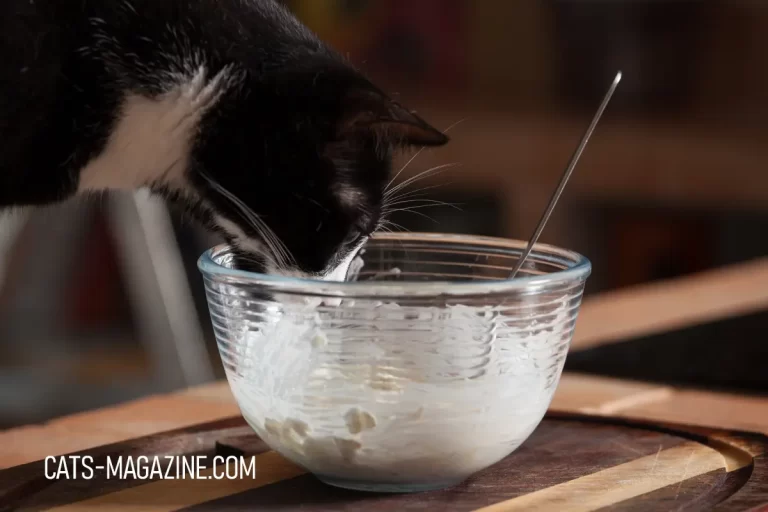
How to make homemade cat food: Homemade cat food is prepared by cooking high-quality animal protein and balancing it with essential nutrients such as taurine, calcium, vitamins, and omega-3 fatty acids. When formulated correctly, homemade diets can complement commercial food while offering greater ingredient transparency — but they must follow veterinary nutrition guidelines.
Table of Contents
I’ve been making homemade cat food for years, and every time I write about it, I get the same reactions: half the people are excited, and the other half gasp like I just suggested feeding their cat a UFO part.
Here’s the truth: homemade cat food can be fantastic – when it’s balanced, science-based, and done with care.
When it isn’t, it can go wrong fast.
So in this guide, I’m breaking down exactly how to make homemade cat food the safe way, including the nutrients your cat must have, common mistakes that cause problems, and a simple starter recipe built on real feline nutrition. Tito-approved, vet-informed, and beginner-friendly.
Many cat owners start researching homemade cat food when dealing with picky eaters, digestive sensitivities, or ingredient transparency concerns.
Let’s get into the essentials.

What Nutrients Do Cats Need in Homemade Food?
Cats are obligate carnivores, meaning they must eat animal-based proteins to survive. Unlike humans or dogs, cats depend on nutrients like taurine that naturally occur in animal tissue.
| Essential Nutrient | Why Cats Need It |
|---|---|
| Taurine | Supports heart function and vision |
| Calcium | Builds strong bones and teeth |
| Protein | Maintains muscle mass and energy |
| Omega-3 fatty acids | Supports skin, coat, and inflammation control |
These nutrients form the foundation of any balanced homemade cat food recipe.
A well-balanced homemade cat food recipe should include:
1. High-Quality Protein (The Foundation of Every Meal)
Cats need a diet rich in protein to support their muscles, immune system, and energy levels. Good protein sources include:
- Chicken (thighs, breast, liver, heart)
- Turkey
- Beef
- Rabbit
- Duck
- Fish (occasionally, but not too often due to mercury concerns)
2. Taurine: The Essential Nutrient Your Cat Can’t Live Without
- Taurine (Wikipedia) is critical for heart function, vision, and overall health. Cats cannot produce taurine on their own, so they must get it from food. Taurine-rich ingredients include:
- Chicken hearts and liver
- Beef hearts
- Shellfish (shrimp, clams)
Without enough taurine, cats can develop serious health problems, including heart disease and blindness.
3. Healthy Fats for Energy and a Glossy Coat
- Fats are essential for energy, brain function, and skin health. Good fat sources include:
- Chicken skin (in moderation)
- Fish oil (rich in Omega-3s)
- Egg yolks
- Beef fat
4. Calcium and Phosphorus for Bone Health
- Cats need a balance of calcium and phosphorus for strong bones and teeth. These come from:
- Raw meaty bones (if feeding raw)
- Ground eggshell powder
- Bone meal supplements
5. Essential Vitamins and Minerals
- Vitamin A – Found in liver (never skip liver!).
- B Vitamins – Found in organ meats and fish.
- Zinc & Magnesium – Support the immune system and digestion.
Tip: A well-balanced homemade cat food recipe should include both muscle meat and organ meat to ensure essential vitamins, minerals, and taurine levels remain adequate.
Many of the recipes in my homemade cat food collection build on these same nutritional principles, combining high-quality protein with essential nutrients cats need to thrive.
Check out my Amazon list of essential cat supplements – everything your cat needs for a healthy, balanced diet. If you want to support your feline’s well-being, this list has you covered!

Homemade vs. Store-Bought Cat Food: Pros and Cons
Both homemade and commercial cat food have their benefits and challenges. Let’s compare:
| Factor | Homemade Cat Food | Store-Bought Cat Food |
|---|---|---|
| Ingredient Control | Full control over quality | May contain fillers, preservatives |
| Freshness | Always fresh, no processing | Longer shelf life |
| Cost | Can be cost-effective if planned well | Premium brands can be expensive |
| Convenience | Requires prep time | Easy and ready to serve |
| Balanced Nutrition | Needs careful planning | Formulated to meet feline needs |
Verdict: Both can be good options, but homemade food requires research and commitment to ensure your cat gets all the nutrients they need.
Cats can only safely eat homemade food when the recipe includes all essential nutrients – especially taurine and calcium. Even tiny deficiencies build up over time. A balanced recipe isn’t just “nice to have” – it’s the difference between a healthy cat and serious long-term problems.
Common Mistakes to Avoid When Making Homemade Cat Food
1. Not Including Taurine
- Lack of taurine can lead to heart disease and blindness. Always include organ meats or taurine supplements.
2. Feeding Only Muscle Meat
- Cats need organs, bones, and fat in addition to muscle meat for a complete diet.
3. Forgetting Calcium
- Without calcium, your cat’s bones and teeth won’t develop properly. Bone meal or eggshell powder can help.
4. Skipping Vet Consultation
- Even with the best ingredients, homemade diets should be vet-approved to ensure they meet your cat’s needs.
Homemade cat food works beautifully only when the recipe is balanced. Never skip liver, taurine, or calcium – these three ingredients prevent 99% of homemade diet deficiencies.
How to Make Homemade Cat Food: A Simple Recipe
This simple homemade cat food recipe demonstrates how balanced ingredients work together to support feline nutrition.
If you’re new to making cat food, here’s a simple, balanced recipe to start with:
Ingredients:
- 500g boneless chicken thigh
- 50g chicken liver
- 50g chicken heart (for taurine!)
- 1 egg yolk
- 1 tsp fish oil (for Omega-3s)
- 500mg taurine supplement (if not using enough organ meats)
- 1 tsp ground eggshell (for calcium)
- ¼ cup water (for moisture)
Step-by-Step Instructions:
1. Prepare the Meat
Trim any excess fat from the chicken thighs, and ensure the liver and heart are fresh and clean.
2. Cook or Serve Raw
If cooking, lightly sauté the chicken thighs, liver, and heart in a pan without oil or seasoning. Keep the moisture in the meat and avoid overcooking to preserve nutrients. Let it cool before mixing.
3. Combine and Blend
In a food processor or bowl, mix the cooked or raw meat, egg yolk, fish oil, taurine supplement, and ground eggshell. Blend until you reach the desired consistency – smooth for picky eaters or chunkier for texture-loving cats. Adjusting texture is one of the easiest and most effective picky cat eating solutions, especially for senior cats or those with strong texture preferences.
4. Add Moisture
Pour in ¼ cup of water and mix well to ensure the food stays soft and easy to eat.
5. Store Safely
Transfer the homemade cat food into an airtight container and refrigerate for up to 3 days. For longer storage, divide into portions and freeze for up to 3 months. Always thaw frozen meals in the fridge before serving.
Pro Tip: Introduce new foods gradually to help your cat adjust, and always consult your vet to ensure a balanced diet!

Vet Consultation: A Crucial Step Before Switching to Homemade Food
Before switching your cat to a fully homemade cat food diet, veterinary guidance is strongly recommended. Why? Because:
- Every cat has different dietary needs.
- Kittens, older cats, and cats with medical conditions require special nutrition.
- A vet can recommend supplements if your recipe is missing anything.
A well-planned homemade diet can be amazing, but it has to be done right.
Is Homemade Cat Food Right for You?
Making homemade cat food can be a rewarding experience, but it’s important to get the nutrition right.
- Start simple.
- Use both muscle and organ meats.
- Always include taurine and calcium.
- Check with your vet before switching.
If you’re looking for more ideas, explore my full collection of homemade cat food recipes, where I share simple, vet-informed meals for cats.
If you’re interested in learning more, I put together a handy DIY Cat Food FAQ that answers 25 of the most common questions – from ingredients and safety tips to what actually worked for my own little fur crew. But feeding your cat well is just one part of the big picture. For guidance on everything from daily routines to behavior and long-term wellness, check out my Ultimate Guide to Raising a Cat.
Veterinary Sources & Evidence-Based References
Below are trusted veterinary nutrition resources that support the information in this article. These organizations publish science-based guidelines on feline dietary needs, supplements, and safe homemade feeding practices:
- FEDIAF – Nutritional Guidelines for Complete & Complementary Pet Food for Cats and Dogs
European Pet Food Federation - AAFCO – Cat Food Nutrient Profiles
Association of American Feed Control Officials - AAFP – Feline Nutrition Guidelines
American Association of Feline Practitioners - Cornell Feline Health Center – Nutrition Resources
Cornell University College of Veterinary Medicine - Merck Veterinary Manual – Nutritional Requirements of Cats
Merck & Co., Veterinary Division - VCA Animal Hospitals – Homemade Diet Risks & Considerations
Veterinary Centers of America - Journal of Feline Medicine and Surgery (JFMS)
Peer-reviewed studies on feline dietary deficiencies, taurine metabolism, and nutritional standards
These references reflect widely accepted veterinary nutrition principles, which I use to guide homemade feeding in my own home – always in consultation with a qualified veterinarian.
Amazon Affiliate Disclaimer
Please note that links from Cats-Magazine.Com to Amazon.Com are affiliate links. This means that if you click on the link and make a purchase, we may receive a small commission at no extra cost to you. This helps support our work and allows us to continue providing valuable content. Thank you for your support!