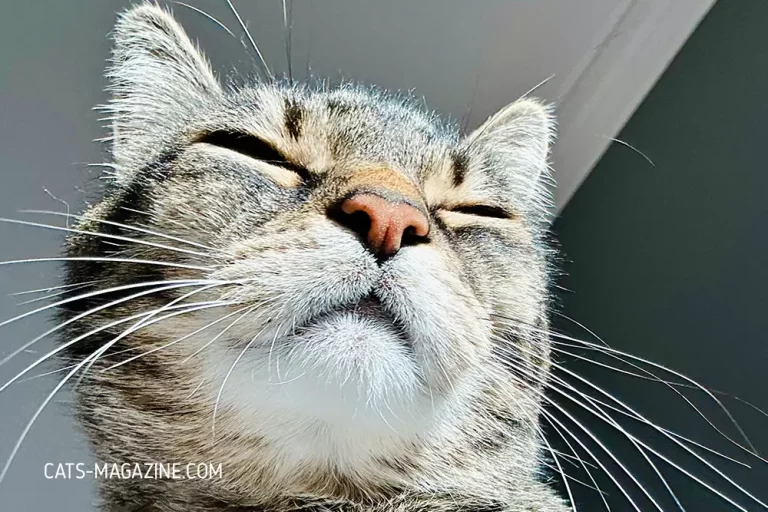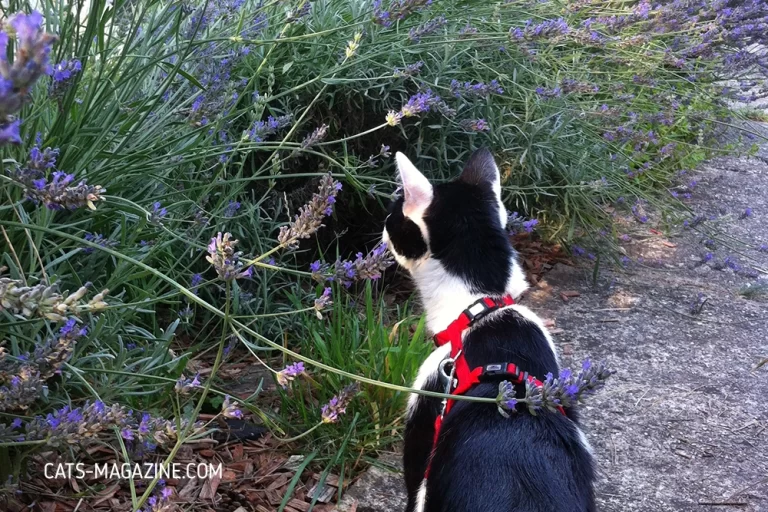
Pierre, my sensitive and sweet cat, is dealing with a tough case of itchy skin. In this article, I share our journey – from trying calming remedies and exploring natural treatments like coconut oil and aloe vera, to deciding when it’s time to call the vet. Itchy skin in cats can be a sign of deeper health issues, and finding relief takes time, patience, and lots of love. If your cat is struggling too, you’ll find helpful tips, vet-friendly advice, and a dash of empathy right here.
Table of Contents
Uh-oh, Pierre Has an Itchy Skin Problem!
I need to share a little drama happening in my house connected to the itchy skin in cats. Pierre, my sweet but highly sensitive kitty, has developed itchy skin. We’ve already gone through a food allergy diagnosis (what a rollercoaster!), and while his tummy troubles have eased, now there’s a new problem. Itchy skin – and not just a little scratch here or there. I’m talking about full-blown fur-pulling, hind-leg-licking, back-scratching chaos. Poor Pierre!
The weird thing? When Pierre had other symptoms from his food allergies, his skin was fine. So, what’s happening now? Is it nerves from our recent move? Some hidden allergen I haven’t figured out yet? I’ve been racking my brain, trying every trick in the book to help him find relief.
What I’ve Tried So Far
I went into full detective mode – Pierre deserves nothing less! Here’s what I’ve tried so far:
- Feline Pheromones: I bought those plug-in diffusers that promise to calm your cat’s nerves. Did it work? Well, let’s just say Pierre is not the zen master they showed on the box.
- Catnip and Valeriana: These usually make him happy (and hilariously silly), but his itchiness persisted.
- Special Cat Pills: There are pills designed to help with anxiety and allergies in cats, but none of them seemed to make a difference for Pierre. If you’re curious about the ones I tried, feel free to contact me. I’ll spill the tea (or kibble) privately.

Natural Remedies for Itchy Skin in Cats I’m Considering
At this point, I’m leaning toward natural remedies to help with itchy skin in cats. The idea is to apply them directly to Pierre’s fur and skin, but I’ll consult my vet first. Here are the contenders and my thoughts:
Avocado Oil
- Pros: It’s packed with vitamins and fatty acids, which are great for moisturizing dry skin. Some cat “owners” swear by it for soothing irritation caused by itchy skin in cats.
- Cons: Avocado contains persin, a substance that can be toxic to cats in large amounts. While pure avocado oil has little to no persin, I’d rather be safe than sorry. Vet consultation is a must here!
Aloe Vera
- Pros: Aloe vera is a superstar when it comes to soothing skin. Its anti-inflammatory properties could help calm Pierre’s itchy skin and reduce irritation.
- Cons: Not all aloe products are safe for cats. The yellow sap (aloin) found in the plant is toxic if ingested. Only 100% pure, aloin-free aloe gel is suitable for topical use.
Coconut Oil
- Pros: Coconut oil is famous for its antibacterial and antifungal properties. It’s gentle, smells nice, and can double as a moisturizer for itchy skin in cats.
- Cons: Cats tend to lick anything you put on their fur. While a little coconut oil won’t harm them, too much can upset their stomach. Moderation is key!

Why I’m Calling the Vet
Before trying anything new, I’ll have a chat with Pierre’s vet. It’s tempting to jump straight into DIY solutions, but itchy skin in cats can stem from so many things: allergies, stress, parasites, or even underlying medical conditions. A vet’s guidance can help me target the real cause instead of just soothing the symptoms.
I’ll also ask about hypoallergenic shampoos and diet tweaks – maybe there’s something I missed. I’ll keep you updated on what they recommend and whether these natural remedies work for my fur baby.

When Itchy Skin Becomes a Big Problem
Pierre’s itchy skin isn’t just a passing irritation – it’s become a serious issue. What started as occasional scratching has turned into constant licking, biting, and fur loss, especially around his back and hind legs. Watching him deal with this level of discomfort is heartbreaking. His once smooth coat now shows uneven patches, and it’s clear that the itch is not only affecting his skin, but his mood and energy too.
Itchy skin in cats can quickly go from mild annoyance to a full-blown health concern. It’s not just about the scratching – it can mean sleepless nights, anxious pacing, and a constant feeling of frustration for both cat and human. If you’ve ever witnessed your cat obsessively scratch or groom until the fur thins or the skin breaks, you know just how helpless it can make you feel.
I knew I had to do something – not just for my peace of mind, but for Pierre’s quality of life. Because behind every case of itchy skin in cats, there’s often a deeper cause just waiting to be uncovered.
Tips for Cat “Owners” Dealing with Itchy Skin
If your kitty is struggling with itchy skin in cats – just like Pierre – you’re not alone. It can be overwhelming watching your cat go from relaxed sunbathing to frantic scratching in seconds. But there are things you can do, and while they may take time and patience, they do make a difference.
Identify the Cause:
Itchy skin in cats can stem from many triggers – food allergies, fleas, environmental irritants like pollen or cleaning products, or even stress. Start a simple log of symptoms, when they happen, and what’s changed in their routine. Sometimes, the smallest shift – like a new laundry detergent or food brand – can be the hidden culprit.
Visit the Vet:
When in doubt, call the pros. A veterinarian can check for underlying conditions like fungal infections, parasites, or skin disorders, and may recommend specific treatments. It’s especially important if your cat has open sores, hot spots, or is showing signs of pain.
Stick to Safe Products:
From shampoos to soothing sprays, there are tons of products out there – but not all are safe for cats. Make sure anything you use is labeled specifically for feline use. Never apply human creams or oils to treat itchy skin in cats – some ingredients can be toxic.
Be Patient (Seriously):
I can’t stress this enough. Pierre’s recovery is still in progress and it involved trial and error, some frustrating setbacks, and a whole lot of research. Give yourself and your cat time. Healing itchy skin in cats is a process, not a one-time fix.
Offer Comfort and Calm:
Cats are sensitive creatures. Beyond physical relief, emotional support matters too. Make your cat’s favorite resting spot extra cozy, play calming music, or offer gentle brushing sessions (if their skin allows it). A familiar routine, soft lighting, or even a heated blanket can do wonders for an anxious cat dealing with chronic itch.
Looking for practical products that actually work? Don’t miss the guide on the best allergy relief products for cats. From flea treatments to medicated shampoos and dietary changes, it’s packed with safe, vet-approved options to help your cat feel better.
Fingers Crossed for Pierre!
I’m hoping one of these natural remedies will do the trick. Pierre deserves to be itch-free and happy, and I’ll do everything I can to make that happen. If you’ve faced a similar challenge with your cat, share your story or advice. Let’s help our feline friends live their best, itch-free lives!
Find this and more skin and coat advice in master guide to indoor cat health and care.
Amazon Affiliate Disclaimer
Please note that links from Cats-Magazine.Com to Amazon.Com are affiliate links. This means that if you click on the link and make a purchase, we may receive a small commission at no extra cost to you. This helps support our work and allows us to continue providing valuable content. Thank you for your support!