
Every summer, thousands of cat owners face the same question:
Should I take my cat on vacation with me, or leave them safely at home with a trusted cat sitter?
There isn’t one correct answer because every cat is different. Some cats adapt surprisingly well to travel, while others become anxious the moment the carrier appears. The important thing isn’t choosing the “right” option—it’s choosing the safest one.
One thing I have learned over the years is that unexpected things happen, even when you’re experienced.
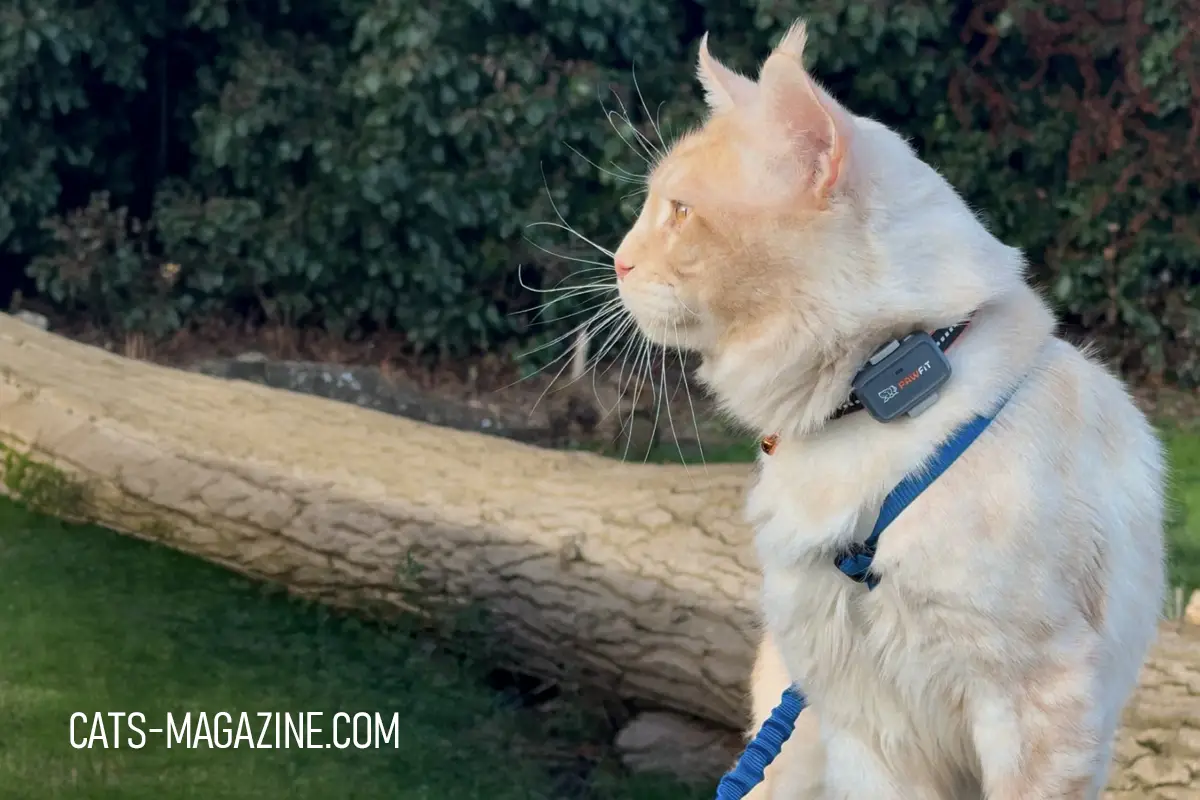
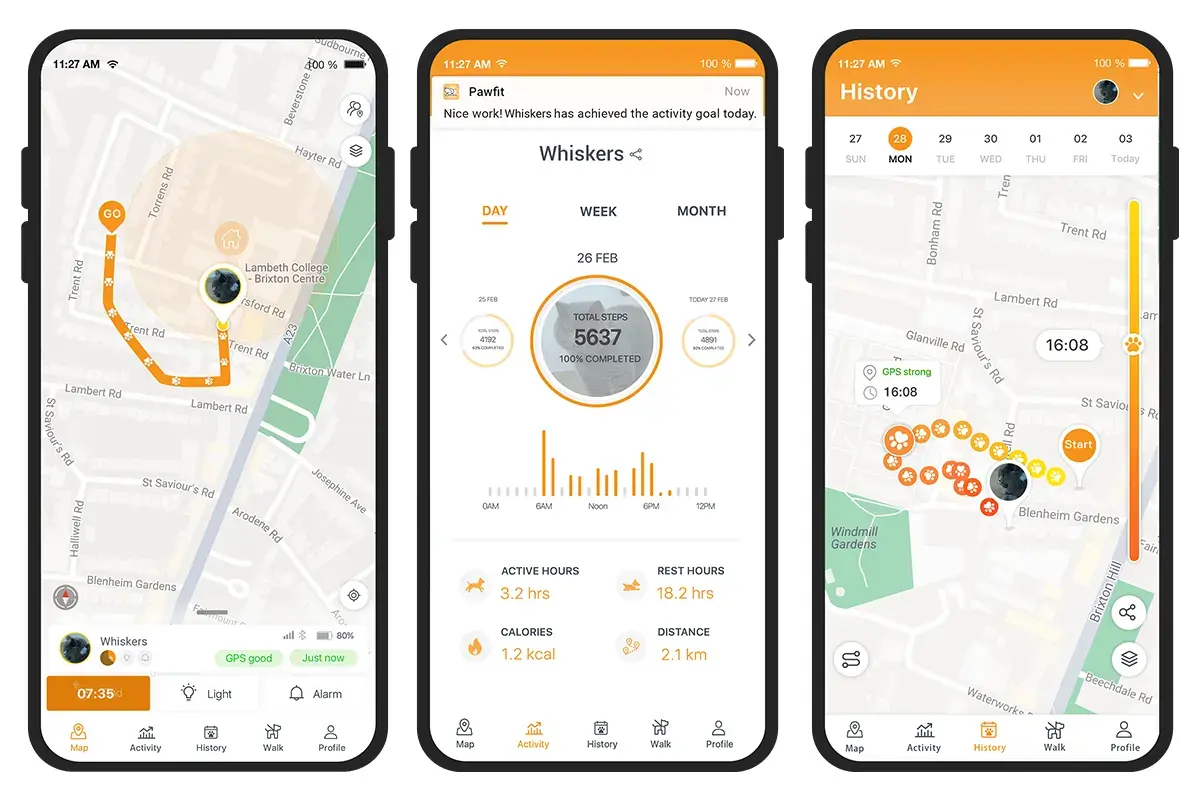
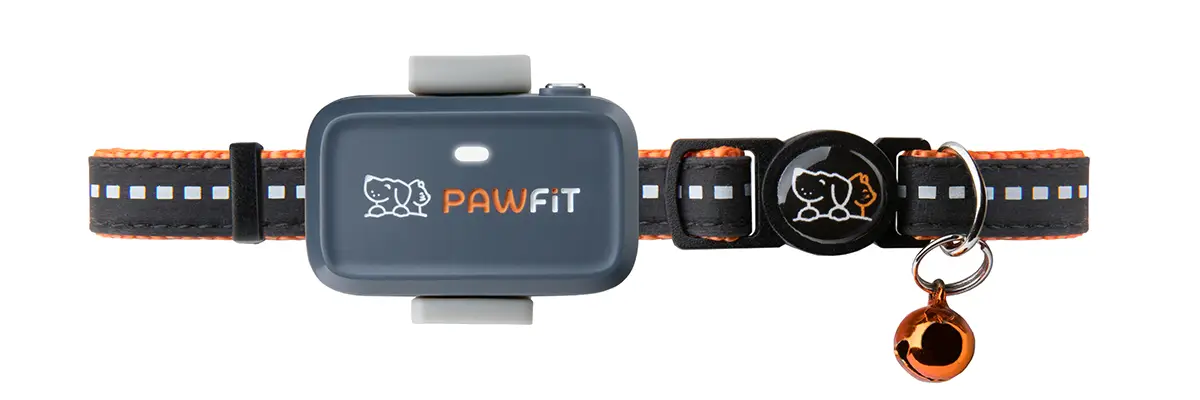
That’s exactly why I believe a GPS tracker for cats by Pawfit deserves a place in every travel safety plan. Hopefully you’ll never need it—but if your cat ever slips out of the carrier, escapes from unfamiliar surroundings, or disappears during a rest stop, being able to locate them can turn a nightmare into a manageable situation.
My Annual 1,300 km Road Trip
In a few weeks, I’ll once again be travelling to my holiday home—a journey of more than 1,300 km (800 miles).
Every year I face exactly the same dilemma:
Should I take my three cats with me, or leave them at home with a professional cat sitter?
I’ve travelled with my cats many times before, including one particularly memorable journey that I wrote about here: Traveling With Cats: My 1400 km Adventure With My Furry Trio
Although I’ve done these long trips before, I honestly don’t consider myself an expert.
In fact, quite the opposite.
Every trip reminds me how quickly something unexpected can happen if you become just a little too relaxed. Experience doesn’t make me less careful—it makes me even more cautious.
The Biggest Risk Isn’t the Drive
People often worry about the long hours in the car.
Ironically, the drive itself usually isn’t the most dangerous part.
The real risk often comes during rest stops.
Every year there are heartbreaking stories of cats disappearing at motorway service stations. Owners stop for a short break, open the carrier to let the cat stretch “just for a second,” or open the car door while the carrier isn’t fully secured.
One tiny moment of distraction…
One unexpected noise…
One frightened cat…
…and suddenly your cat is running across a busy parking lot in a place they’ve never seen before.
Finding a frightened cat in a large service area or unfamiliar countryside can be incredibly difficult.
That is exactly the kind of situation where a GPS tracker can become priceless.
Our Road Trip Setup
Over the years, I’ve refined our travel setup to make long journeys as comfortable as possible for my three cats.
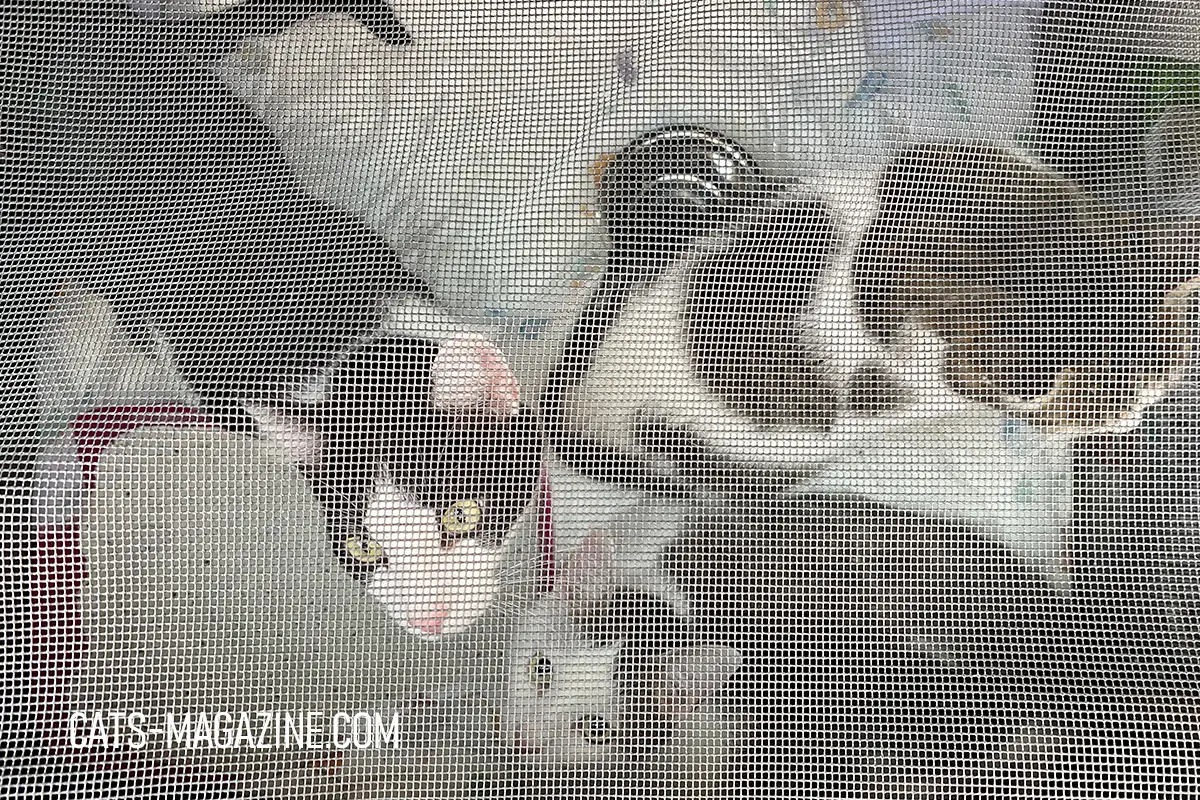
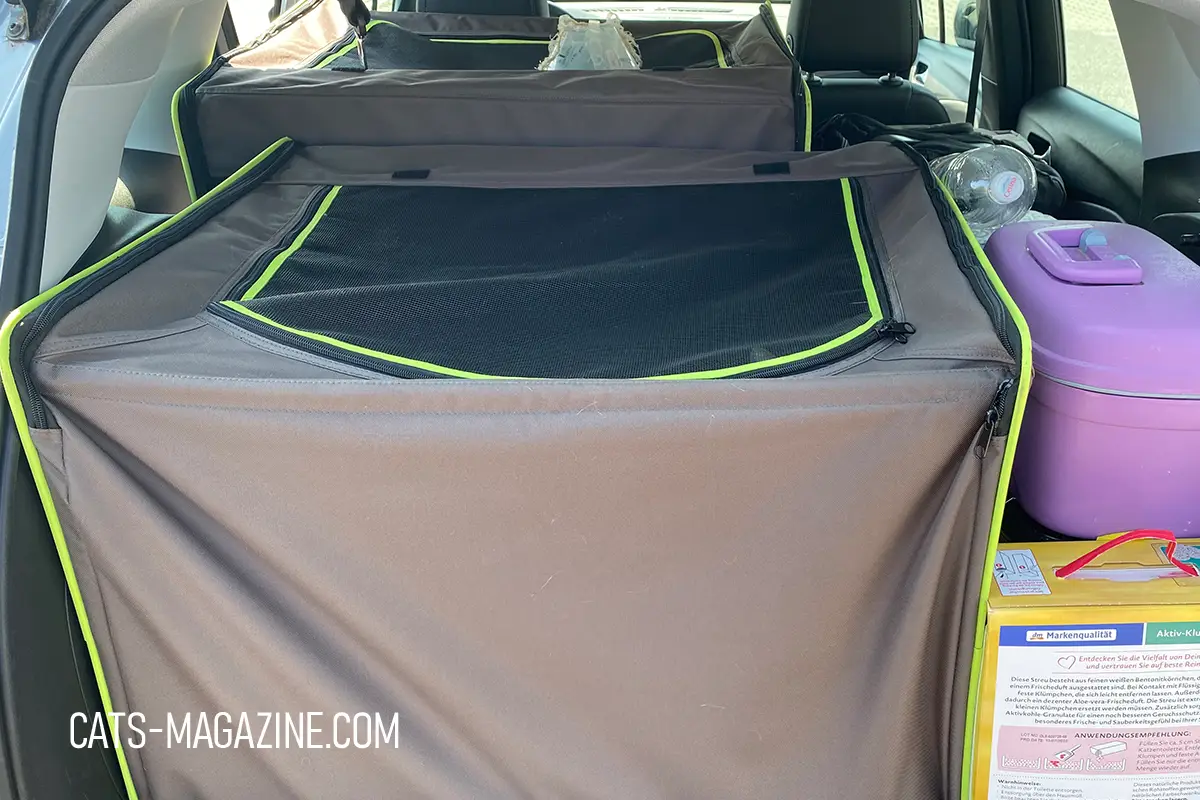
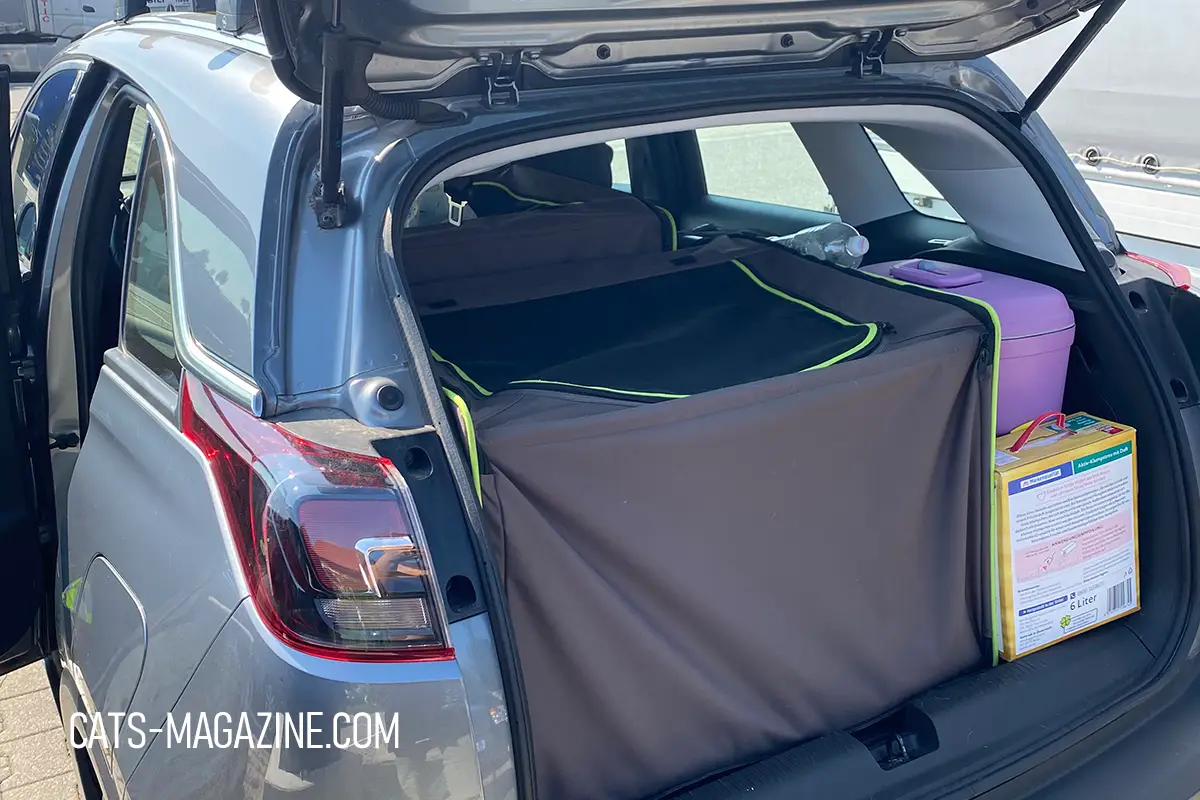
Instead of using three individual carriers, I connect two large travel crates together and place a litter tray beside them, creating a surprisingly spacious “cat apartment” for the journey.
Next to the connected crates, I place a litter tray, effectively creating an additional “room” that they can access whenever they need it. It gives them more freedom while keeping them safely contained inside the car.
It’s certainly not a luxury hotel—but compared to travelling in three individual carriers for more than 1,300 km, I think my cats would probably rate it five paws out of five.
Should You Travel With Your Cat?
There are situations where bringing your cat makes perfect sense.
For example:
- you’re staying away for several weeks;
- your cat already travels comfortably;
- you’re going to the same familiar destination every year;
- your accommodation is safe and escape-proof.
On the other hand, leaving your cat at home may be the kinder choice if:
- your holiday lasts only a few days;
- your cat becomes extremely stressed by travelling;
- they have medical conditions;
- you have a trusted cat sitter who can provide daily care.
For many cats, remaining in their familiar environment causes much less stress than travelling hundreds of kilometres.
Can Cats Stay Home Alone?
Cats are wonderfully independent—but they should never simply be left alone for several days with a bowl of food.
Even if automatic feeders and water fountains are available, cats still need someone to check on them.
A good cat sitter doesn’t just refill food.
They also:
- check that your cat is healthy;
- clean the litter box;
- provide companionship;
- notice unusual behaviour;
- respond quickly if something isn’t right.
How Often Should a Cat Sitter Visit?
Once a day is generally considered the minimum for healthy adult cats.
Many owners prefer twice-daily visits, especially during hot weather, for senior cats, kittens, or cats requiring medication.
The extra visit isn’t only about food.
It’s about making sure everything is normal.
Preparing Before You Leave
Before any holiday, I make a checklist:
- update microchip information;
- make sure identification tags are current;
- leave written feeding instructions;
- prepare medications;
- provide emergency contact numbers;
- leave the veterinarian’s details;
- test cameras if using them;
- check that all windows and doors are secure.
The more you prepare before leaving, the fewer surprises you’ll have while you’re away.
Are Indoor Security Cameras Worth It?
Absolutely.
Pet cameras won’t replace a cat sitter, but they can provide incredible peace of mind.
It’s reassuring to see your cat sleeping on the sofa exactly where they usually do.
I actually have two inexpensive indoor security cameras at home. They’re nothing fancy, but they do exactly what I need them to do. Whenever I’m away for a few days, I like to check in from time to time to see what my cats are doing. Most of the time, they’re exactly where I expect them to be—sleeping, stretching, changing sleeping spots, or wandering into the kitchen to see if there’s any chance of food appearing.
Many cameras also let you talk to your pets or detect movement, which can be surprisingly comforting while you’re away. While I rarely use the two-way audio, simply being able to look in and see that everything is normal gives me enormous peace of mind.
Is a GPS Tracker Worth Having?
I believe it is — because when a cat goes missing, it’s too late to wish you had one.
Cats can disappear frighteningly quickly. A carrier may not be completely secured, a door may be opened at the wrong moment, or a nervous cat may suddenly bolt after an unfamiliar noise. It only takes a few seconds.
And these aren’t just hypothetical scenarios. Over the years, I’ve heard far too many stories of cats escaping at airports, petrol stations and motorway rest stops — exactly the places where finding them can be especially difficult because everything around them is unfamiliar.
In fact, as I’m writing this, a cat is currently missing after escaping from her carrier at Brussels (Belgium) Airport. Situations like this are a painful reminder that even when we are careful and believe our cats are safely contained, one unexpected moment can change everything.
At home, an escaped cat may recognise the neighbourhood, familiar smells and places to hide. When you’re travelling, your cat could suddenly find themselves hundreds of kilometres from home, surrounded by unfamiliar roads, buildings, sounds and people — and you may have no idea which direction they went.
A microchip and identification tag are essential, but they serve a different purpose. A microchip can help reunite you with your cat once someone finds them and has the chip scanned. A GPS tracker adds another layer of protection by helping you start searching in the right place immediately.
That’s why I don’t see a GPS tracker as just another gadget, or something only adventurous outdoor cats need.
I see it as a safety net.
I don’t use one because I expect my cat to escape. I use one because accidents can happen even when you’re careful — and if something does go wrong, I want more than guesswork.
Most of the time, I hope the tracker does nothing more exciting than tell me exactly where I already know my cat is.
But on the one day I really need it, I’ll be very glad it’s already there.
A Funny Lesson About Valerian
Long journeys can be stressful—not only for cats, but for humans too.
To help everyone stay calm, I sometimes use a little valerian.
The key word is a little.
One year I may have been just a bit too generous.
The car smelled so strongly of valerian that my husband started feeling sleepy during the drive!
Fortunately, it doesn’t seem to have the same effect on me, so now we’ve learned that moderation is definitely the better approach.
Apparently, my husband is much more sensitive to valerian than the cats… or me.
So… What Will I Do This Year?
Honestly?
I’m still deciding.
I know my cats. I know the journey. I’ve done it before.
But every year I ask myself exactly the same questions as everyone else.
Will they be happier travelling with me?
Or would they be more comfortable staying safely at home with a trusted cat sitter?
There isn’t one perfect answer.
What matters most is planning ahead, thinking through possible risks, and preparing for situations you hope will never happen.
Whether your cat spends the summer at home or joins you on your adventures, a little extra preparation—and tools like a microchip, a trusted sitter, a pet camera, and a GPS tracker for cats by Pawfit—can make all the difference.
After all, the best vacations are the ones where everyone, including our cats, gets home safely. Whether your suitcase is packed for your cat—or your cat sitter—planning ahead is the greatest gift you can give your feline companion.