
Table of Contents
Every spring, I notice it. The windows become more interesting. The garden becomes a mystery novel. The birds are suddenly headline news. Even the laziest cat can start acting like an explorer with unfinished business.
If you’ve ever wondered how far do cats roam, you’re not alone. It’s one of the most common questions cat lovers ask, especially when the weather turns warmer and outdoor instincts wake up.
Some cats stroll ten meters, inspect a flowerpot, and return like they’ve conquered a continent. Others vanish over fences with the confidence of seasoned backpackers.
I live with three very different feline personalities: Tito, Myratz, and Pierre. Trust me—if cats had passports, each one would use them differently.
So let’s talk about what really happens when cats head outdoors, how territory works, what myths need retiring, and why safety matters just as much as freedom.

So… How Far Do Cats Roam?
There is no one-size-fits-all answer to how far do cats roam or how far do cats travel from home. Cats are gloriously inconvenient like that.
Some cats stay within a very small area around home. Others may travel surprisingly far depending on personality, environment, food availability, confidence, nearby cats, and whether they are neutered or spayed.
In general:
- Indoor cats who occasionally go outside often stay close at first.
- Confident outdoor cats may patrol a wider area.
- Unneutered cats may roam farther, especially during mating season.
- Young curious cats sometimes test boundaries like rebellious teenagers.
- Older cats often prefer comfort over adventure. Wise creatures.
A cat doesn’t measure distance the way we do. To them, one garden can be a kingdom. One alley can be a diplomatic crisis. One hedge may contain secrets.
Territory: Your Cat’s Invisible Map
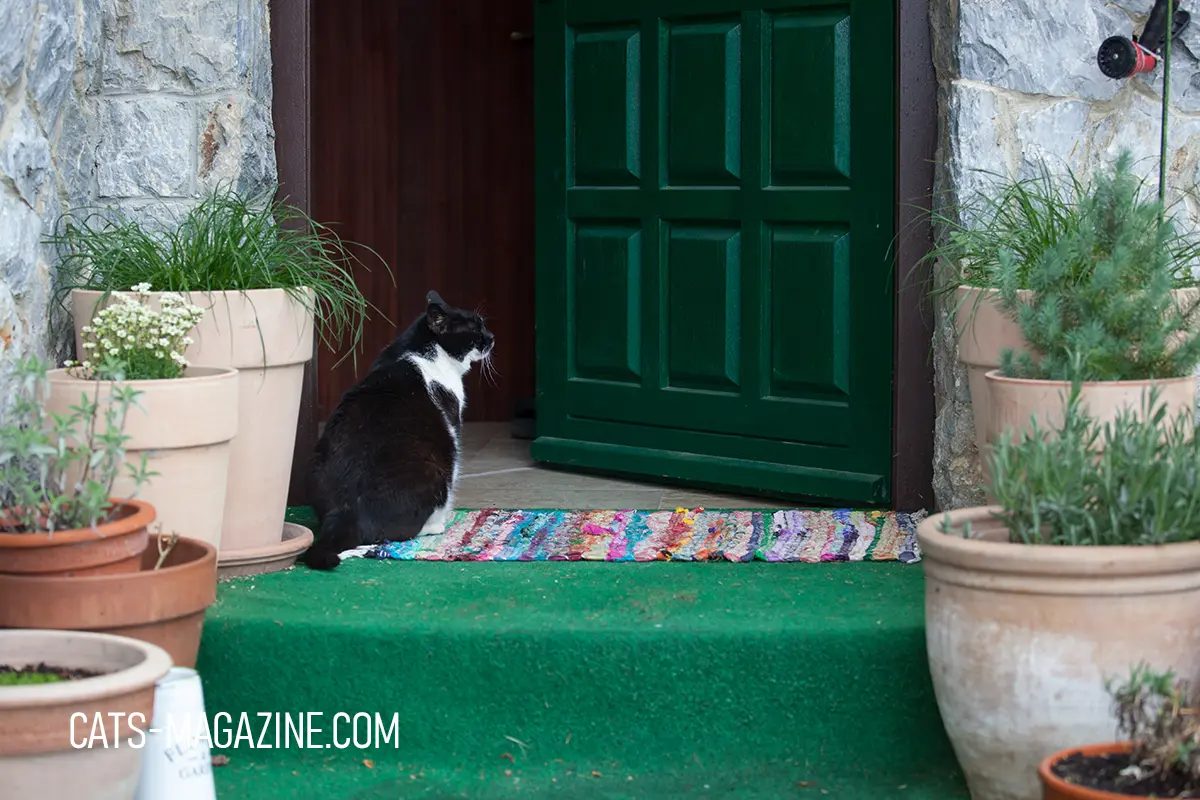
Cats don’t simply wander around. Understanding outdoor cat behavior helps explain why they follow certain routes and routines. They move through mental maps.
Their territory may include:
- feeding spots
- resting places
- lookout points
- scent-marked routes
- safe hiding zones
- hunting zones
- routes that avoid dogs, loud roads, or enemy cats
To us, it may look random. To them, it’s strategic.
Tito, for example, has the energy of a startup founder with no sleep. If he had outdoor access full-time, I suspect he’d run neighborhood inspections twice daily and file complaints about pigeons.
Myratz feels more like a selective luxury traveler. She’d visit only approved locations with good sunlight and no nonsense.
Pierre? He’d likely ask whether the outdoors offers hypoallergenic snacks and emotional support.

Spring Changes Everything
Spring is famous for increasing cat activity. Longer daylight, warmer weather, scents in the air, birds everywhere, and more movement outside can all wake up those explorer instincts.
That’s exactly why I wrote another article you might enjoy: Why Cats Suddenly Go Wild in Spring (And How to Keep Them Safe). It dives into why many cats seem turbocharged the moment winter ends.
Spring is beautiful—but it also brings more risk:
- open windows
- busier roads
- mating-related roaming
- garden chemicals
- more wildlife encounters
- distracted humans who think “they’ll be fine”
Famous last words.
Myths About Outdoor Cats (That Need a Gentle Push Off the Fence)
Myth 1: “Cats Always Know How to Get Home”
Many do. Some don’t.
Cats can become disoriented after stress, loud noises, chasing prey, injury, being trapped in a garage, or being moved from their usual route. Never assume instinct is magic GPS.
Myth 2: “If a Cat Wants Freedom, Safety Doesn’t Matter”
Freedom matters. Safety matters too. It’s not one or the other.
A cat can enjoy stimulation, exploration, and fresh air while still being protected through supervised access, enclosed gardens, routines, and tracking tools.
Myth 3: “Only Wild Cats Roam Far”
Even pampered house cats can surprise you. Curiosity has no income bracket.
Myth 4: “My Cat Never Leaves the Garden”
Perhaps. Until one butterfly presents a compelling opportunity.
Freedom vs Safety: The Real Conversation
People often argue in extremes:
- Cats must be free!
- Cats must never go outside!
Reality lives in the middle.
Every cat is different. Every neighborhood is different. A quiet rural lane is not the same as a busy city road. A secure garden is not the same as open traffic. A cautious cat is not the same as Tito after spotting something suspicious.
The goal isn’t ideological victory. The goal is a safe, enriched life.
That might mean:
- indoor life with climbing spaces and play
- supervised garden time
- catio access
- leash training
- routine outdoor access in safe areas
- GPS support for adventurous cats
Smart cat care is flexible cat care. If you’re weighing different lifestyles, I also wrote Outdoor Cat Safety: Understanding the Differences Between Outdoor and Indoor/Outdoor Cats

Why Pawfit Belongs in This Conversation
When people ask how far do cats roam, what they’re really asking is often:
Where is my cat right now, and should I be worried?
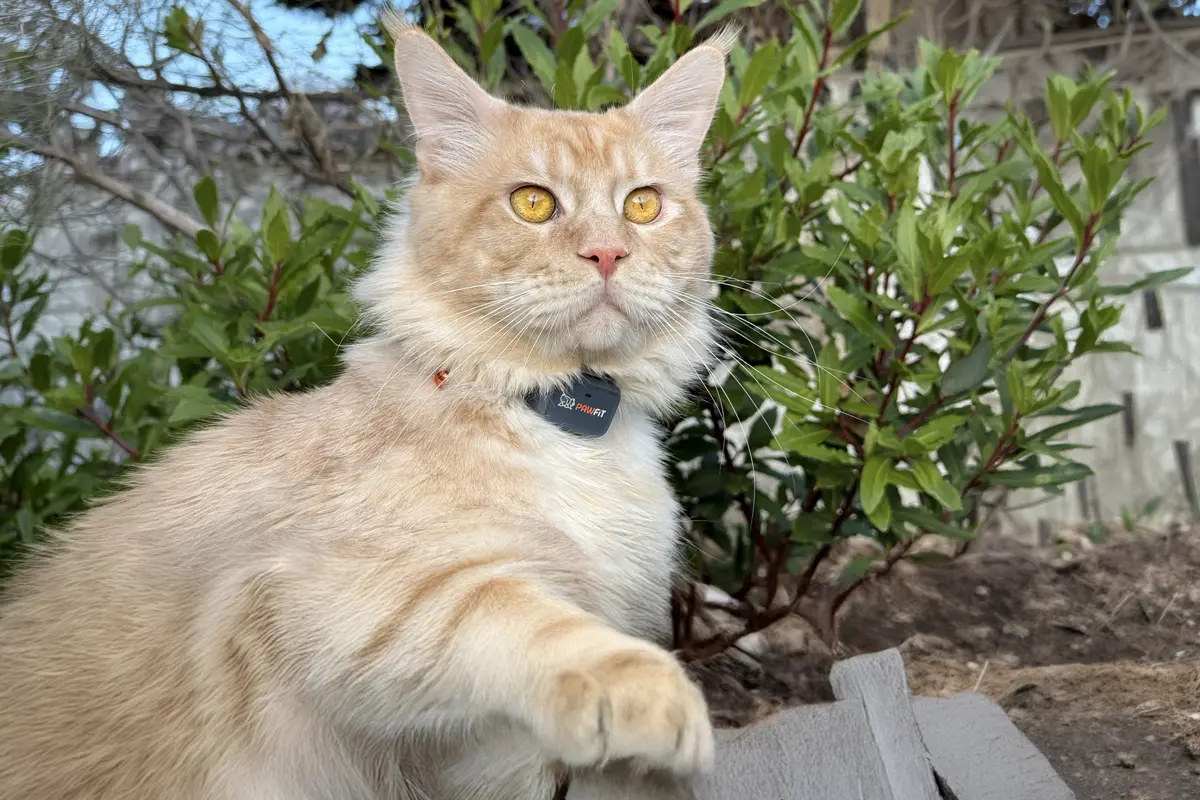
That’s where a tool like Pawfit Lite GPS tracker for cats becomes genuinely useful.
This isn’t about turning cats into gadgets. It’s about reducing panic.
And sometimes, reducing panic means solving a real problem fast.
Cats don’t always get “lost” by roaming far. Sometimes they get stuck. They slip into a shed, hide in a garage, squeeze behind garden storage, nap inside a neighbor’s greenhouse, or become too frightened to come out when called. They may be very close by — but impossible to find with guessing alone.
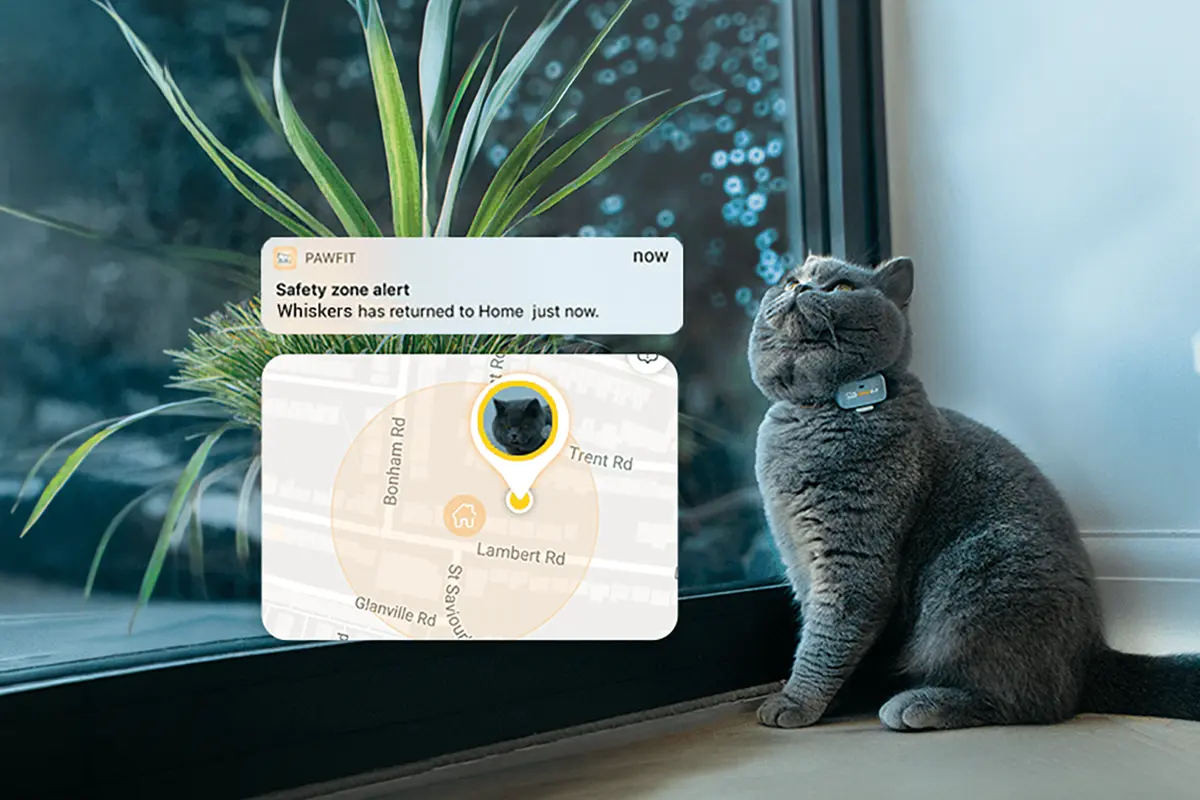
That’s where Pawfit Lite GPS tracker for cats can make a real difference. Instead of searching street by street while your imagination writes horror stories, you can check their location quickly and pinpoint where they are. A trapped cat nearby can be much harder to find than a roaming cat in the open — and that’s exactly when fast location tracking matters most.
Pawfit Lite GPS tracker for cats can help you understand your cat’s habits, routes, favorite hangouts, and whether “just nearby” actually means three gardens away or halfway through a local political campaign.
For adventurous cats, Pawfit can offer peace of mind that old-school guessing never could.
And if you know Tito’s history, you know why this matters.
I also wrote about that dramatic chapter here: Tito’s Great Rooftop Escape: Why Every Feline Houdini Needs the Pawfit Lite.
Yes. Rooftop. Fifth floor energy. Zero consultation with management.
What I Learned From Shelter Cats
Years ago, I photographed many cats in a cat shelter. Spring always brought a different mood.
Some cats sat by windows, eyes wide, absorbing every moving leaf. Others stretched in sunbeams like royalty returning to court. Some were desperate for adventure. Others wanted only safety and a soft blanket.
That taught me something important:
Not all cats dream of the same life.
Some want space. Some want security. Some want both, depending on the hour.
So when we talk about roaming, we should stop treating cats as one personality type. They are individuals with whiskers.
Signs Your Cat Has Strong Explorer Instincts
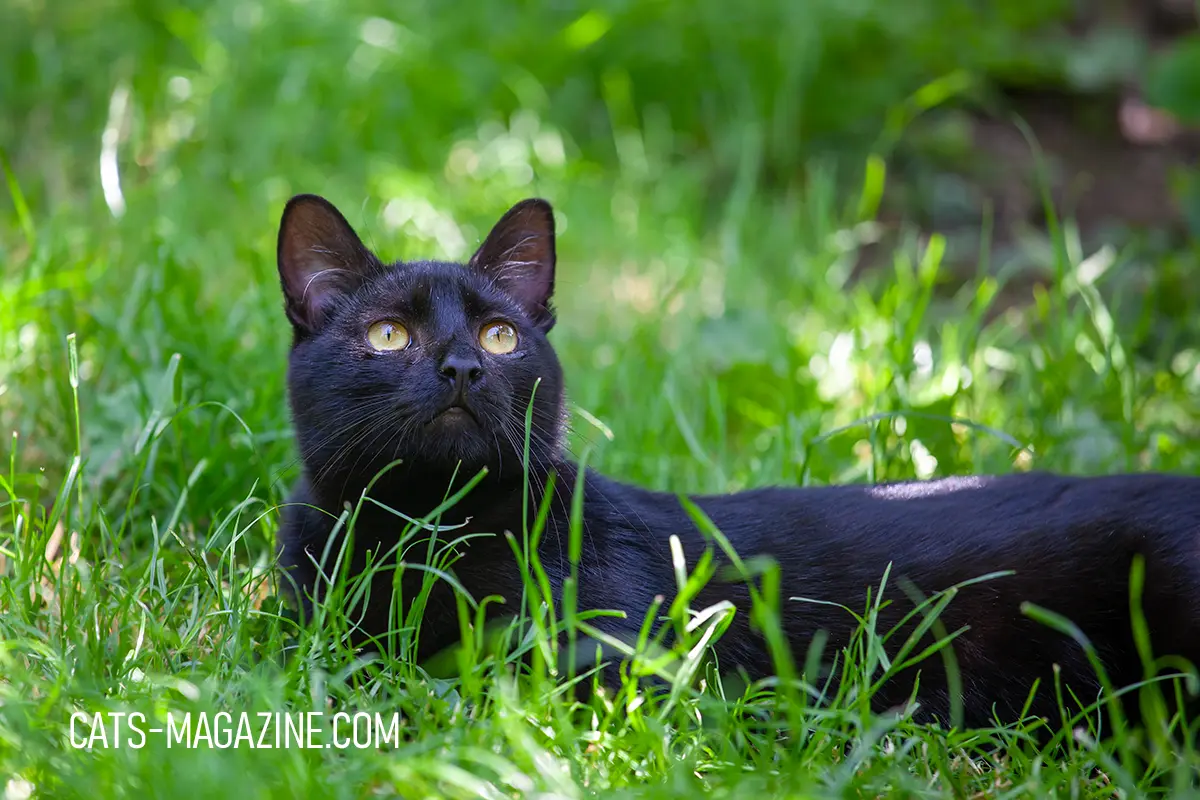
Your cat may be a born adventurer if they:
- race to doors before you reach them
- stare out windows for long periods
- patrol rooms like a security guard
- react strongly to birds or outdoor sounds
- seem restless in spring
- learn how handles work (Tito, looking at you)
- return from outings energized and smug
These cats often benefit from more stimulation, structured activity, and safe outdoor options.
How to Keep Explorer Cats Safe
If your cat loves adventure, here are practical ways to lower risk:
1. Update Identification
Collar tags and microchips matter.
2. Consider GPS Tracking
A reliable tracker such as Pawfit can help you monitor patterns and location.
3. Build Routine
Cats love knowing when outdoor time happens.
4. Enrich Indoor Life
Shelves, puzzle feeders, toys, window perches, and play sessions reduce frustration.
5. Check the Environment
Roads, neighbors, dogs, toxins, and escape routes all matter.
6. Use Recall Rewards
Treats and consistent calling cues can help bring them back.
So… Should Cats Roam?
That depends on the cat and the world around them.
I don’t believe in lazy answers. I believe in informed ones.
A safe cat with stimulation and care can thrive indoors. A well-managed outdoor cat in the right environment may also thrive. The important part is not copying someone else’s opinion from the internet.
Observe your cat. Understand your area. Adapt with intelligence.
And if your cat is part explorer, part escape artist, part furry mystery? Use tools that help.
That’s why products like Pawfit make sense when used thoughtfully—not as a gimmick, but as support.
Bonus Watch: Where Cats Really Go
If you’ve ever wondered how far cats roam once they leave home, or where cats go when they leave home, this documentary is a fascinating watch. It follows real cats using tracking technology and expert behavioral insight, revealing their hidden routes, favorite places, and secret outdoor lives.
And I laughed immediately at the beginning—the cat opens the door handle exactly like my Tito. That’s why we always lock our main doors with a key. Always.
Original Title: Follow Your Cat
Director: Martina Treusch
Final Thoughts From a House Run by Cats
If cats could answer “how far do cats roam,” they probably wouldn’t give us numbers.
They’d say:
Far enough to feel alive.
Close enough to come home.
And just far enough to worry you slightly.
Honestly, that sounds exactly like a cat.
Tito would add drama.
Myratz would demand snacks.
Pierre would request a risk assessment.
And me? I’d check the Pawfit Lite GPS tracker.