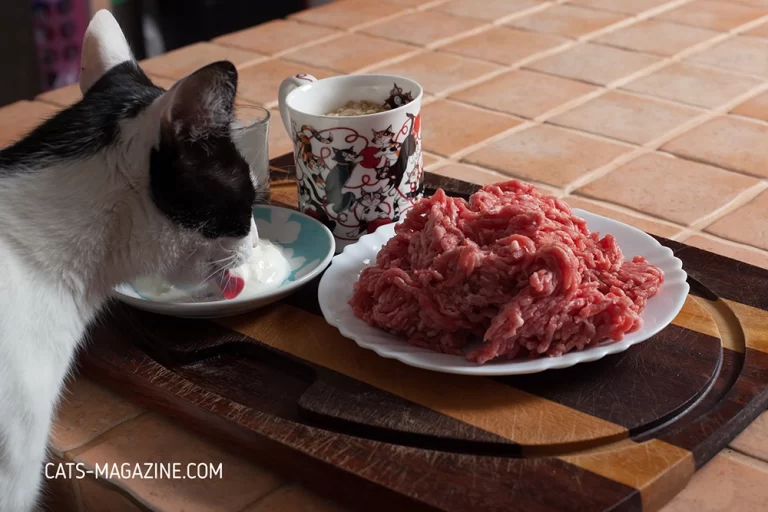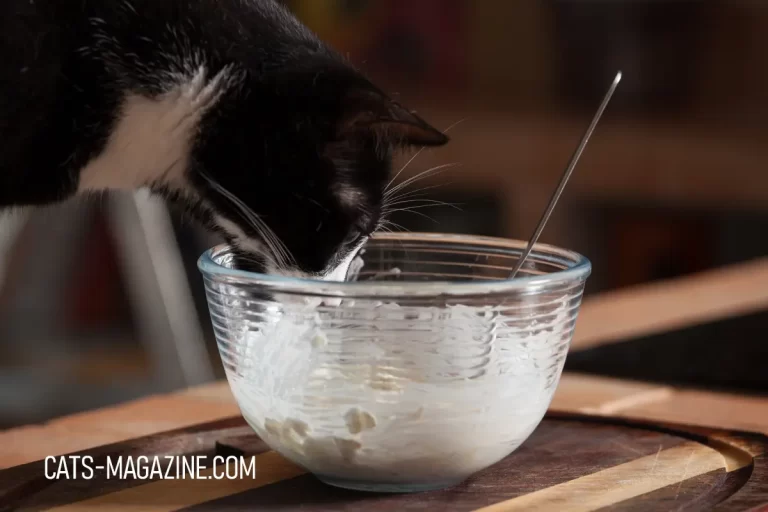
Warning: May cause dramatic bowl-licking, loud purring and cats following you into the kitchen forever.
This homemade food for cats recipe combines lean beef and barley in a simple, budget-friendly meal suitable as a complementary option. You’ll find step-by-step instructions, cost breakdown, serving guidance, and clear nutritional context to help you feed confidently.
Table of Contents
Some cats are food critics with very strong opinions — mine included. One day they devour a premium can. The next day they stare at it like I’ve served cardboard.
That’s when I started making homemade food for cats.
Not as a trend. Not as a rebellion against commercial food.
But because I wanted to understand exactly what goes into their bowl.
This simple beef & barley recipe is vet-reviewed, easy to prepare, budget-friendly, and picky-eater tested (Tito approved). Below you’ll find step-by-step instructions, cost breakdown, storage guidance, and — most importantly — clear nutritional context so you can feed safely and confidently.
Homemade food for cats can be healthy when recipes include essential nutrients like taurine, calcium, and essential fatty acids.
Let’s cook something your cat will actually eat.

Is This Homemade Food for Cats Nutritionally Complete?
This recipe is designed as a complementary homemade meal, not a complete and balanced long-term diet on its own.
Cats are obligate carnivores and require specific nutrients in precise ratios, including:
- Taurine (essential for heart and eye health)
- Calcium-to-phosphorus balance
- Arachidonic acid
- Vitamin A in active form
- Specific B-vitamins
Commercial foods labeled “complete” follow standards such as AAFCO or FEDIAF nutrient profiles. When preparing homemade food for cats regularly, nutritional balance must be considered carefully — often with the guidance of a veterinarian or veterinary nutritionist.
This beef & barley recipe works beautifully:
- as a rotation meal
- as a fresh topper
- as part of a varied feeding plan
If you plan to feed exclusively homemade, consult your vet about supplementation to ensure full nutrient coverage.
Safe cats. First. Always.
Homemade Food for Cats When You’re Vegetarian
Cooking meat when you don’t eat it yourself? That’s a paradox I didn’t expect in my life.
I’ve prepared gourmet-level beef dishes I would never taste — only to have my cats reject them with theatrical disapproval. The audacity.
But here’s the reality: cats are carnivores. My personal diet doesn’t change their biology.
After several trials (and dramatic feline side-eyes), this beef & barley combination finally passed inspection. It’s simple, minimal, and doesn’t require complicated ingredients or hours in the kitchen.
And yes — even as a vegetarian, I can confidently say this one works.
Beef & Barley Delight Recipe (Step-by-Step)
Looking for a practical homemade food for cats recipe that’s simple, affordable, and protein-focused? This beef & barley mix uses minimal ingredients and can be prepared in under 30 minutes.
- Prep Time: 10 minutes
- Cook Time: 20 minutes
- Servings: 1-2 meals
Ingredients:
- 200g (7oz) lean beef (cooked and drained)
- 1 egg yolk (raw or lightly cooked)
- 1 tbsp barley powder (for fiber and digestion)
Instructions:
1. Cook & Drain
Cook the beef over medium heat until fully cooked, then drain excess fat.
2. Chop or Grind
Finely chop or blend the meat for easier digestion.
3. Add Egg Yolk
Stir in raw or lightly cooked egg yolk for added nutrition.
4. Mix in Barley Powder
Stir well to combine all ingredients.
5. Cool Before Serving
Let it cool to room temperature before serving to your kitty.
Store leftovers in an airtight container for up to 3 days.
When preparing homemade food for cats, always serve meals at room temperature. Cold food dulls aroma, and some cats refuse meals simply because they smell less appealing.

Beef and Barley Delight – Cost & Serving Size Breakdown
How Many Cats Does This Serve?
- This recipe makes 1–2 meals, depending on your cat’s size and appetite.
- For a small cat (2.5–4kg / 5–9 lbs) → Serves 2 meals
- For a larger cat (4.5kg+ / 10+ lbs) → Serves 1 meal
Estimated Cost Per Batch (Prices vary by location!)
| Ingredient | Quantity | Estimated Cost (€) |
|---|---|---|
| Lean beef (200g) | 200g (7oz) | $2.00 – $3.50 |
| Egg yolk | 1 yolk | $0.20 – $0.40 |
| Barley powder | 1 tbsp | $0.10 – $0.50 |
Total Estimated Cost: $2.30 – $4.40 per batch
Cost per meal (if split into 2 meals): $1.15 – $2.20 per serving
If your cat prefers chicken to beef, you’ll love these easy homemade chicken cat food recipes – tasty, vet-approved, and simple to prepare.
Is This Cheaper Than Store-Bought Cat Food?
Pricing may be comparable to premium wet food. The advantage of homemade feeding lies in ingredient transparency and customization — not necessarily lower cost.
Not sure what meat, portions, or supplements are right for your carnivore? My guide on How to Feed Your Cat the Right Way covers it all – plus a simple beef recipe to get you started!

Is Barley Safe for Cats? Benefits & Risks
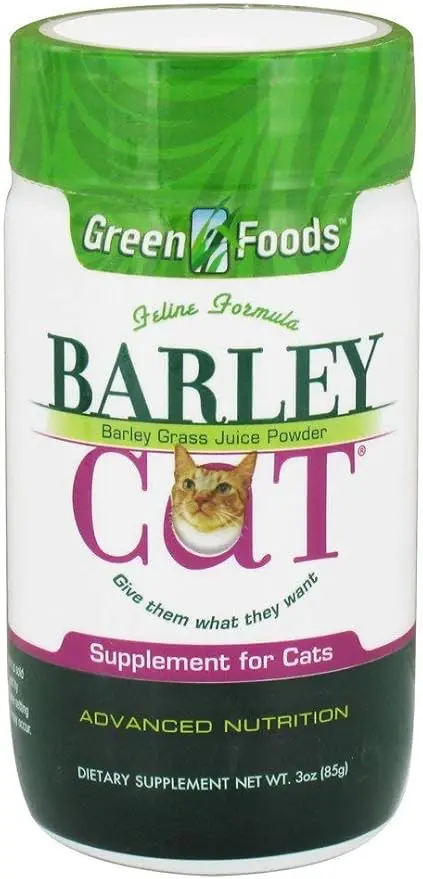
In small amounts, yes.
Cats do not require grains. However, a tiny portion of fiber can support digestive motility in some individuals.
Barley in this recipe:
- Acts as a mild fiber source
- Supports stool consistency
- Adds minimal micronutrients
Important: Meat must always remain the primary component of homemade food for cats. Barley should never replace animal protein.
If your cat has grain sensitivities or specific medical conditions, consult your veterinarian before introducing grains.
Got a cat with tummy troubles? Don’t miss my Sensitive Stomach Recipes – vet-approved, easy to digest, and Tito-tested!
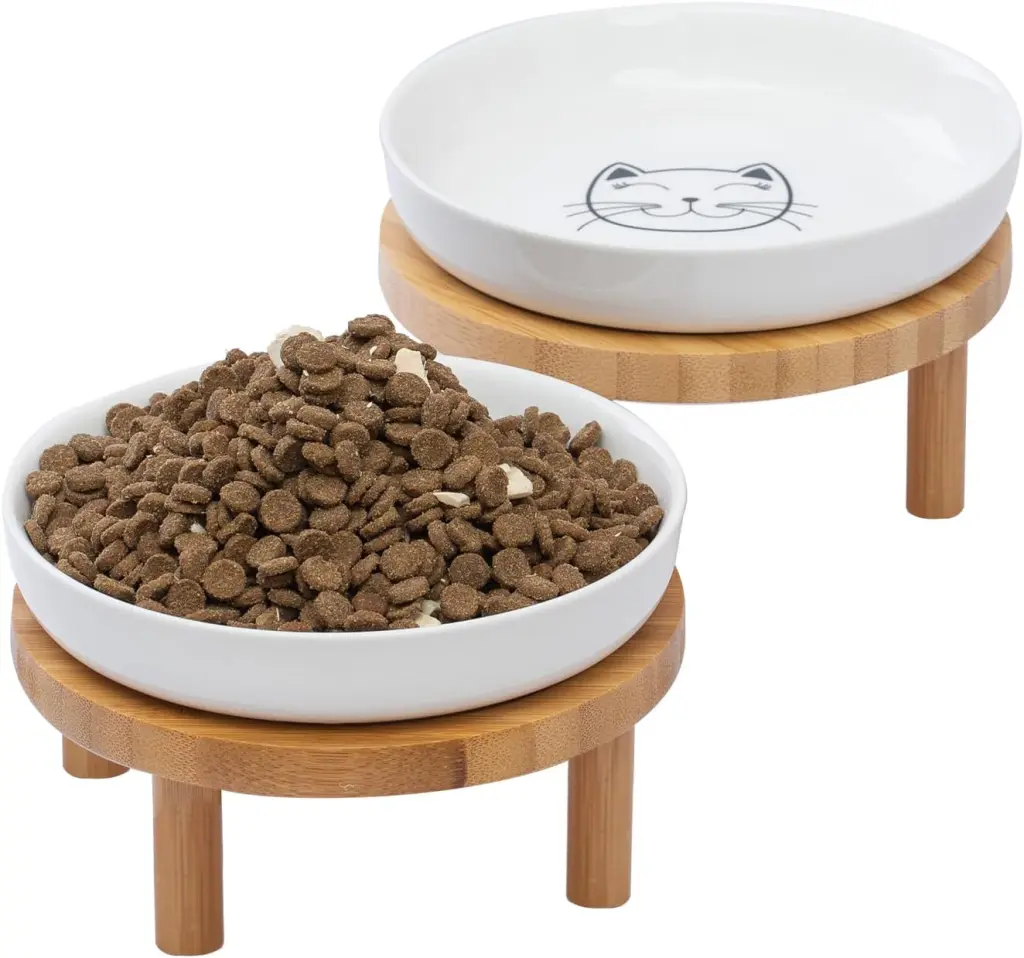
Speaking of Cat Food… Did You Know Whisker Fatigue is Real?
Yes, whisker fatigue is a real thing! If your cat hesitates to eat or pulls food out of their bowl before eating, their whiskers might be overstimulated.
Solution? Use shallow, wide bowls to prevent whisker irritation.
When Your Cat Won’t Eat Homemade Cat Food: Tips That Work
Transition matters.
To introduce homemade food for cats successfully:
- Start by mixing 10–20% homemade with regular food.
- Gradually increase over 5–7 days.
- Warm slightly to enhance aroma.
- Adjust texture (chunky vs pâté).
Cats rely heavily on scent. Temperature and texture often matter more than flavor.
Pro Tip: Curious about what makes a truly balanced DIY cat meal? In my article on DIY Cat Meals, I break down the biggest myths and share vet-approved recipes. And if you’re looking for quick answers, don’t miss 25 Common Questions About DIY Cat Food – Answered with Love and Experience, it’s like a cheat sheet for homemade cat cuisine.
Explore More Homemade Food for Cats Recipes
If you’re building a balanced homemade cat diet, rotating proteins and textures can help maintain interest and nutritional diversity.
Here are additional vet-informed homemade cat food recipes you can explore:
Protein-Focused Options:
- Chicken Liver Pate – Soft gourmet treat for your feline foodie!
- Beef Hash – A must-try for meat lovers! Learn what, when, and how to feed your carnivorous companion.
- Crispy Salmon – The purr-fect homemade treat for fish-loving kitties!
Gentle & Digestive-Friendly Options:
- Chicken&Pea – lighter protein option for sensitive tummies.
- Chicken Meowy Jello – hydration-supporting recipe.
- Cheese Cat Treats – occasional treat option (in moderation).
For a broader overview, explore my complete guide featuring ten simple homemade cat food recipes — including storage tips, portion guidance, and nutritional considerations.
Want to make even more magic in the kitchen? Check out my DIY Cat Food FAQ for 25 helpful answers, from picky eaters to supplements.

Why More Cat Owners Choose Homemade Cat Food
Many cat owners explore homemade food for cats because they want more transparency and control over ingredients.
Preparing meals at home allows you to:
- Select specific protein sources
- Adjust texture for picky eaters
- Avoid ingredients your cat may not tolerate
- Rotate recipes for variety
However, homemade feeding requires responsibility. Nutritional balance matters more than ingredient quality alone. A well-informed approach — ideally guided by veterinary advice — is essential.
Homemade meals can be a thoughtful addition to your cat’s diet when planned carefully.
Final Thoughts
This beef & barley recipe works well as a rotation meal or fresh supplement to a complete diet. For me, it started with curiosity — and a very opinionated cat named Tito.
If you try it, observe your cat’s digestion, energy, and appetite. Every cat is different.
Feeding is not just about ingredients. It’s about understanding your individual cat.
And that’s where real care begins.
Curious About Safe Human Foods for Cats?
If you’re wondering whether cats can eat fruits safely, I tested it myself. In this guide on Can Cats Eat Watermelon, Strawberries, or Blueberries? I explain what’s safe, what’s unnecessary, and what Tito actually thought about it.
Understanding safe snack options helps you avoid accidental dietary mistakes — especially when preparing homemade food for cats.
If You Try This Recipe
Observe your cat’s digestion, appetite, and stool consistency for the first 24–48 hours. Every cat responds differently to dietary changes.
If you tested this recipe, I’d genuinely love to hear how your cat reacted.
Nutritional Considerations & Feeding Responsibility
Cats are obligate carnivores and require specific nutrients in defined ratios to maintain long-term health. This recipe is designed as a complementary homemade meal and does not meet complete and balanced nutritional standards on its own.
If you plan to feed homemade food regularly, nutritional adequacy must be evaluated carefully. Key nutrients such as taurine, calcium, essential fatty acids, and certain vitamins cannot be estimated visually and may require supplementation.
Always consult a veterinarian or qualified veterinary nutrition professional before making significant dietary changes, especially if your cat has existing medical conditions, allergies, or special dietary needs.
Responsible feeding decisions are based on evidence, not assumptions.
Learn More About Homemade Cat Food
If you’re exploring homemade meals for your cat, these guides may help:
• DIY Cat Food FAQ – answers to the most common questions about safety, taurine, supplements and balanced meals
• Best Supplements for Homemade Cat Food – what I personally use for Tito, Pierre and Myratz
• How to Make Homemade Cat Food Safely – essential nutrients every homemade meal must include
• Simple Homemade Cat Food Recipes – more easy meal ideas for picky cats
Veterinary Sources & Evidence-Based References
The nutritional principles discussed in this article align with internationally recognized veterinary standards and peer-reviewed research on feline dietary requirements.
The following organizations publish science-based guidelines on balanced feeding, nutrient profiles, supplementation, and homemade diet considerations:
- FEDIAF – Nutritional Guidelines for Complete & Complementary Pet Food for Cats and Dogs
- AAFCO – Cat Food Nutrient Profiles
- AAFP – Feline Nutrition Guidelines
- Cornell Feline Health Center – Nutrition Resources
- Merck Veterinary Manual – Nutritional Requirements of Cats
- VCA Animal Hospitals – Homemade Diet Risks & Considerations
- Journal of Feline Medicine and Surgery (JFMS) – Peer-reviewed studies on feline dietary deficiencies, taurine metabolism, and nutritional standards
These sources represent widely accepted veterinary consensus on feline nutrition. When preparing homemade food for cats, I rely on these principles and consult with a qualified veterinarian before implementing long-term dietary changes.
Frequently Asked Questions About Homemade Food for Cats
Is homemade food safe for cats?
Homemade food for cats can be safe when recipes include essential nutrients such as taurine, calcium, and fatty acids. Always consult a veterinarian before feeding homemade diets long-term to avoid nutritional deficiencies.
Can cats eat barley?
Cats can eat small amounts of barley. It is often used as a fiber source that can support digestion, but meat must remain the main ingredient in a feline diet.
Is homemade cat food cheaper than store-bought?
Homemade meals are often similarly priced to premium wet food but provide better ingredient transparency and customization.
Why won’t my cat eat homemade food?
Cats rely heavily on smell and texture. Transition slowly by mixing homemade food with regular food and slightly warming meals to improve aroma.
Amazon Affiliate Disclaimer
Please note that links from Cats-Magazine.Com to Amazon.Com are affiliate links. This means that if you click on the link and make a purchase, we may receive a small commission at no extra cost to you. This helps support our work and allows us to continue providing valuable content. Thank you for your support!