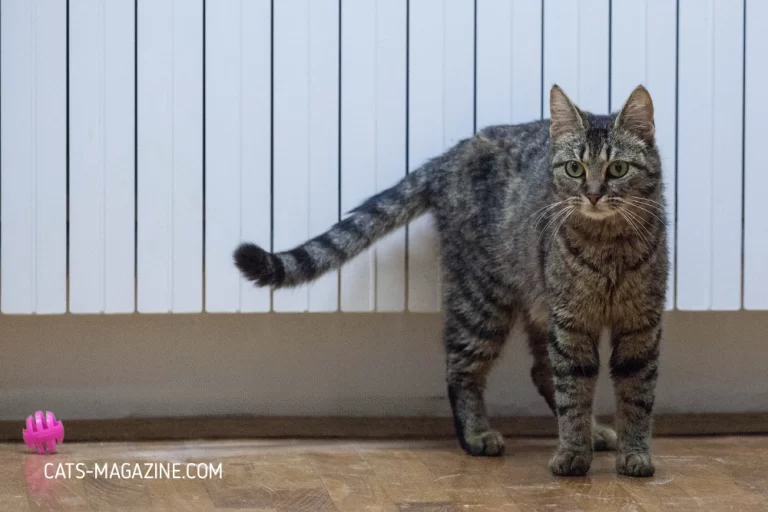

Thinking about adopting a rescue kitten? This friendly guide shares 10 must – know tips to help you prepare – from kitten-proofing and feeding to socialization, vet care, and building trust. Learn how to create a safe, enriching environment, why patience matters more than perfection, and how every small act of love turns a rescue kitten into a confident, lifelong companion.
Bonus tip: if all that kitten energy sounds overwhelming, a calm, affectionate senior cat might just be your perfect match.
Table of Contents
Adopting a Rescue Kitten: 10 Must-Know Tips
There’s a ton of information out there about adopting a rescue kitten – from cat shelters, websites, books, and even printed magazines. But let me tell you: nothing can prepare you 100% for the experience.
I’ve lived with cats for more than 30 years and have been involved in cat rescue for over a decade, and if there’s one thing I’ve learned, it’s that every kitten is different. Some are fearless adventurers ready to take over your home the second they arrive. Others are shy, cautious, and need time to warm up. Some are stubborn little troublemakers, while others are soft and mellow from day one.
If you’re ready to adopt a rescue kitten, here are 10 things you absolutely need to know before you bring that tiny furball home.

1. Be Ready for Non-Stop Energy (and Chaos!)
Kittens are tiny, adorable balls of pure energy. One minute, they’re zooming across the room at full speed, and the next, they’re climbing your curtains like a mountaineer scaling Everest. Adopting a rescue kitten means embracing their playful chaos while also guiding their behavior in a way that keeps both them and your home safe.
Your job? Provide safe, kitten-proofed spaces where they can explore, play, and burn off energy without breaking half your house. Invest in engaging toys, sturdy cat trees, and scratching posts to encourage good habits early on. Otherwise, your furniture will become their new playground. A great option is the Made4Pets Small Cat Tree Tower – a compact 4-in-1 scratching post with a cozy perch, dangling ball, and even a built-in self-groomer. It’s perfect for indoor kittens who need a dedicated space to climb, scratch, and lounge without attacking your sofa.
Don’t forget – kittens go through a teething phase too! Around 3 to 6 months of age, your kitten’s baby teeth fall out and adult teeth start coming in. During this time, they may chew on everything from shoelaces to furniture legs. To save your belongings (and your toes), offer safe and engaging kitten teething toys that soothe their gums while satisfying their chewing instinct. Think of it as giving your kitten a baby teether – but with whiskers.
2. Kitten-Proofing Is a Must
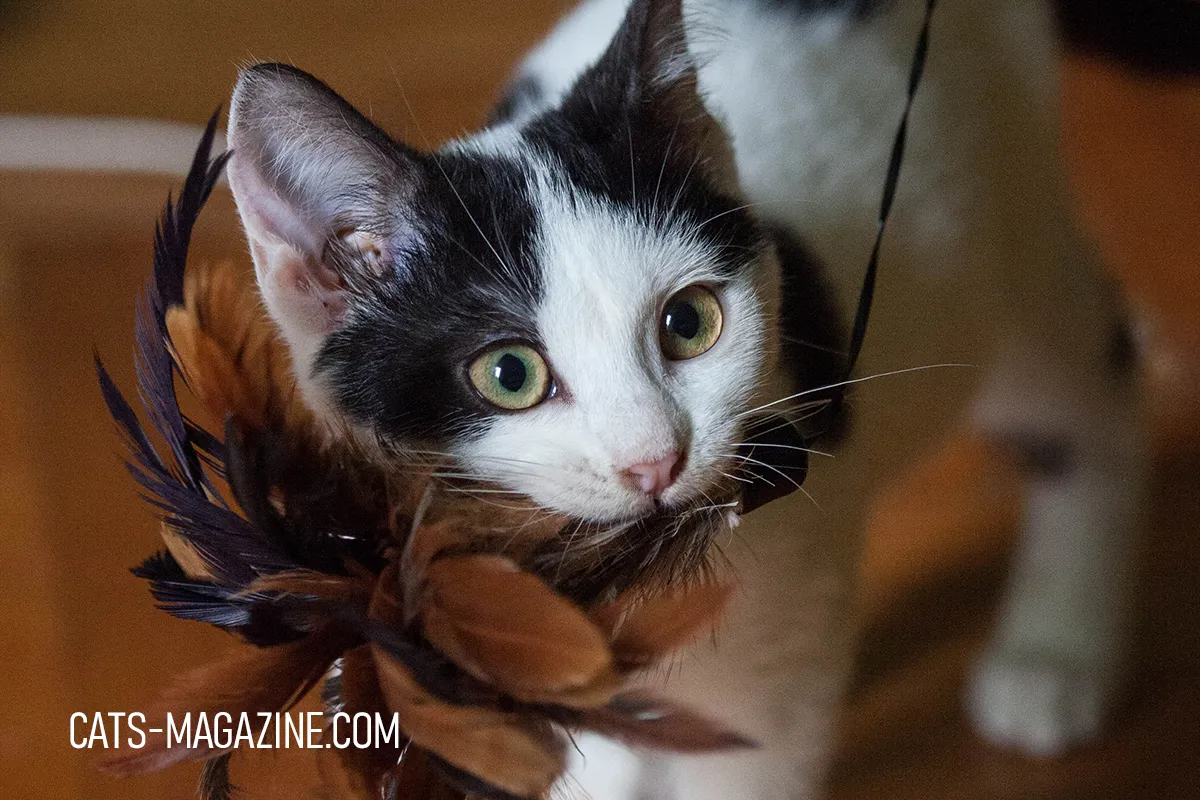
KittKittens are like toddlers with extra sharp claws. They will investigate everything, chew on things they shouldn’t, and squeeze into the tiniest spaces imaginable. Adopting a rescue kitten means preparing your home for their endless curiosity and boundless energy. Before bringing your new furry friend home, do a quick safety check to prevent accidents and potential health risks:
- Hide electrical cords – kittens love to chew on them.
- Put away small objects they could swallow (because everything is a toy in their eyes).
- Remove toxic plants – lilies, aloe and pothos are a no-go for cat households. Instead, opt for cat-safe greenery like the Non-Toxic Calathea Prayer Plant. This lush, decorative plant adds a touch of nature to your space without putting your kitten at risk.
- Secure windows and balcony with a cat net – kittens can squeeze through shockingly small gaps and are notorious escape artists.
A safe environment will save both your kitten and your sanity, ensuring a happy and stress-free transition for your new little explorer.

3. They Need a Cozy, Safe Space
Adopting a rescue kitten means giving them the comfort and security they need to adjust to their new home. Your new kitten will feel safest in a small, quiet area where they can gradually build confidence before exploring the rest of the house. A spare room or a cozy corner with all the cat essentials – a litter box, food, water, and a soft bed – is ideal.
Rescue kittens, especially those who were stray or abandoned, may feel overwhelmed in a big space. Providing a secure starting point helps them feel safe while they adjust to new sights, sounds, and scents. Make sure their litter box is easily accessible and comfortable for tiny paws – something like the Collapsible Kitten Litter Box is a great option. It has a low entrance for easy access, anti-splashing sides, and even folds up for travel.
Give your kitten time to settle in before introducing them to the rest of the house (or any other pets). A little patience now will help them feel more confident and at ease in their forever home.

4. The Litter Box Isn’t Always Instinctual
Most kittens take to the litter box quickly, but some need a little extra guidance – especially if they were rescued from the streets and never had a proper place to go. Adopting a rescue kitten means being patient as they learn new routines, including where and how to use the litter box. If your kitten isn’t getting the hang of it right away, try these tips:
- Choose the right location – Place the litter box in a quiet, easily accessible spot where your kitten won’t be startled.
- Pick the right litter – Use unscented, fine-grain litter Some kittens dislike strong fragrances or coarse textures.
- Help them learn – Show them the box and gently place them inside after meals and naps to encourage them.
- Be patient – Accidents happen! Never punish a kitten for missing the box. Instead, clean up the mess thoroughly and use positive reinforcement when they use the box correctly.
A great option for kittens is the Collapsible Kitten Litter Box – a lightweight, foldable design with a low entrance that makes it easy for tiny paws to step inside.
For a deeper dive into raising a happy, well-adjusted cat, check out The Ultimate Guide to Raising a Cat on Cats Magazine. It’s packed with essential tips to help you and your kitten navigate this new adventure together!
If accidents happen, be patient. Never punish a kitten for missing the box – positive reinforcement works best!

5. They Need Frequent (and High-Quality) Meals
Adopting a rescue kitten means ensuring they get the right nutrition to support their rapid growth and boundless energy. Unlike adult cats, kittens need to eat frequently – typically three to four small meals a day – because their tiny stomachs can’t hold much food at once, but their bodies burn through energy quickly.
To help them develop strong muscles, bones, and a healthy immune system, always choose a high-quality, kitten-specific diet. And no, your adult cat’s kibble won’t do the trick – kittens require extra protein, fat, and key nutrients like DHA for brain development.
For dry food, Royal Canin Feline Health Nutrition Dry Kitten Food is a great option. It supports digestive health, provides essential immune-boosting nutrients, and keeps up with your kitten’s high energy needs.
For wet food, Blue Buffalo Baby BLUE Natural Kitten Wet Cat Food is packed with real chicken and DHA, helping with cognitive development and making mealtime extra tasty.
A well-fed kitten is a happy, playful, and thriving one – so make sure you’re giving them the right fuel for their journey into adulthood!

6. Socialization is Key
Adopting a rescue kitten is an exciting journey, but it’s important to remember that their early experiences will shape their personality and behavior for life. The first few weeks in their new home are crucial for building their confidence and helping them feel safe in different situations. A well-socialized kitten grows into a friendly, well-adjusted adult cat – so take the time to introduce them to new sounds, people, and experiences in a gentle and positive way.
- Let them meet different people – Have friends or family members interact with your kitten, but keep it calm and low-stress. Too much attention at once can be overwhelming.
- Expose them to household noises – Gradually introduce sounds like vacuum cleaners, doorbells, and kitchen appliances. Start at a distance and reward them for staying calm.
- Introduce other pets carefully – If you have other animals, use slow, supervised introductions. Keep initial meetings short and positive to avoid stress.
Encouraging positive interactions early on will help your kitten feel safe and confident in their new environment. Every kitten has their own personality, so go at their pace, and soon enough, they’ll be ruling your home with their adorable little paws.

7. Vet Visits Are Non-Negotiable
Adopting a rescue kitten comes with responsibilities, and one of the most important is ensuring their health is in top shape. A rescue kitten should see a vet as soon as possible for a full checkup, vaccinations, and deworming. Many rescue kittens have had a rough start in life, so early medical care helps catch any potential issues before they become serious.
- Schedule a wellness check – Your vet will assess overall health, check for parasites, and administer core vaccinations.
- Spay or neuter your kitten – If this hasn’t been done yet, book an appointment. Trust me, one kitten is enough chaos without unexpected litters!
- Plan for surprise vet visits – Kittens are tiny, curious, and sometimes a little too fearless. From upset stomachs to minor injuries, unexpected medical needs happen.
Since vet bills can add up fast, it’s wise to set aside an emergency fund for unforeseen medical costs. Whether it’s a small monthly contribution or pet insurance, having a safety net ensures you can provide the best care without financial stress. Your kitten depends on you for their health and happiness – so regular vet visits are non-negotiable for a long and purrfectly healthy life.
Also, be prepared for surprise vet visits. Kittens are small and fragile, and sometimes things go wrong. It’s a good idea to set aside a vet emergency fund for unexpected medical costs.

8. Playtime is Essential (and So is Rest!)
Playtime isn’t just fun – it’s a vital part of a kitten’s development. Use interactive toys like feather wands, crinkle balls, or tunnels to mimic natural hunting instincts.
But don’t be surprised if they crash suddenly in the middle of play. Kittens sleep a lot (sometimes 16-20 hours a day). Let them rest when they need to – they’re growing, after all!

9. Be Patient – Not All Kittens Warm Up Instantly
Adopting a rescue kitten is an incredibly rewarding experience, but it’s important to remember that not every kitten will immediately become a cuddly lap cat. Some may be skittish, unsure, or even let out a few tiny hisses at first. That’s completely normal! Many rescue kittens have had unpredictable beginnings, and it takes time for them to feel safe and secure in their new home.
- Give them time and space – Let them explore at their own pace without forcing interaction.
- Use gentle encouragement – Offer treats, speak softly, and allow them to approach you first.
- Try slow blinking – This is the universal cat “I love you” signal. Blinking slowly at your kitten can help them feel more comfortable and reassured.
Patience is key. Over time, even the shyest rescue kitten can transform into a confident, affectionate companion who trusts you completely. And don’t be surprised if they turn into a champion napper! Kittens sleep a lot while they grow – learn more about their adorable catnapping habits in Kittens and Sleep: The Catnapping Art on Cats Magazine.
Your love and understanding will make all the difference in helping your kitten feel at home.

10. Prepare for a Lifetime Commitment
Adopting a rescue kitten isn’t just a cute moment – it’s a long-term commitment that can last 15 to 20 years (or even longer!). While the kitten phase is fun and chaotic, remember that your little ball of fluff will grow into an adult cat with evolving needs, preferences, and personality shifts.
- Think beyond kittenhood – Will you still be able to care for your cat when they’re older and less energetic?
- Plan for life changes – Moving, new jobs, relationships – make sure your cat will always have a stable, loving home.
- Budget for lifelong care – Vet bills, quality food, and unexpected health issues can add up over time.
A kitten isn’t just a pet – it’s a companion for years to come. Make sure you’re ready for the journey, and you’ll be rewarded with unconditional love, loyalty, and plenty of cat antics along the way.
If a Kitten Feels Like Too Much, Consider a Senior Cat
Kittens are adorable, playful, and full of life – but they’re also a handful. If you’re not sure you can handle the constant energy, consider adopting a senior cat instead. Older cats are just as loving, often already trained, and incredibly grateful for a cozy home in their golden years.
Rescue kittens are fun, but senior cats? They’re wise, cuddly, and deeply appreciative of a second chance.
Adopting a Rescue Kitten is a Journey
Adopting a rescue kitten is one of the most rewarding experiences you’ll ever have. They bring laughter, love, and a little bit of chaos into your life – but in the best way possible.
With patience, preparation, and lots of love, your kitten will grow into a happy, healthy, and confident cat. And if you’re ever unsure about handling a kitten’s energy? There’s always the option of a sweet, gentle senior cat waiting for a forever home.
Are you ready for the adventure?
Amazon Affiliate Disclaimer
Please note that links from Cats-Magazine.Com to Amazon.Com are affiliate links. This means that if you click on the link and make a purchase, we may receive a small commission at no extra cost to you. This helps support our work and allows us to continue providing valuable content. Thank you for your support!